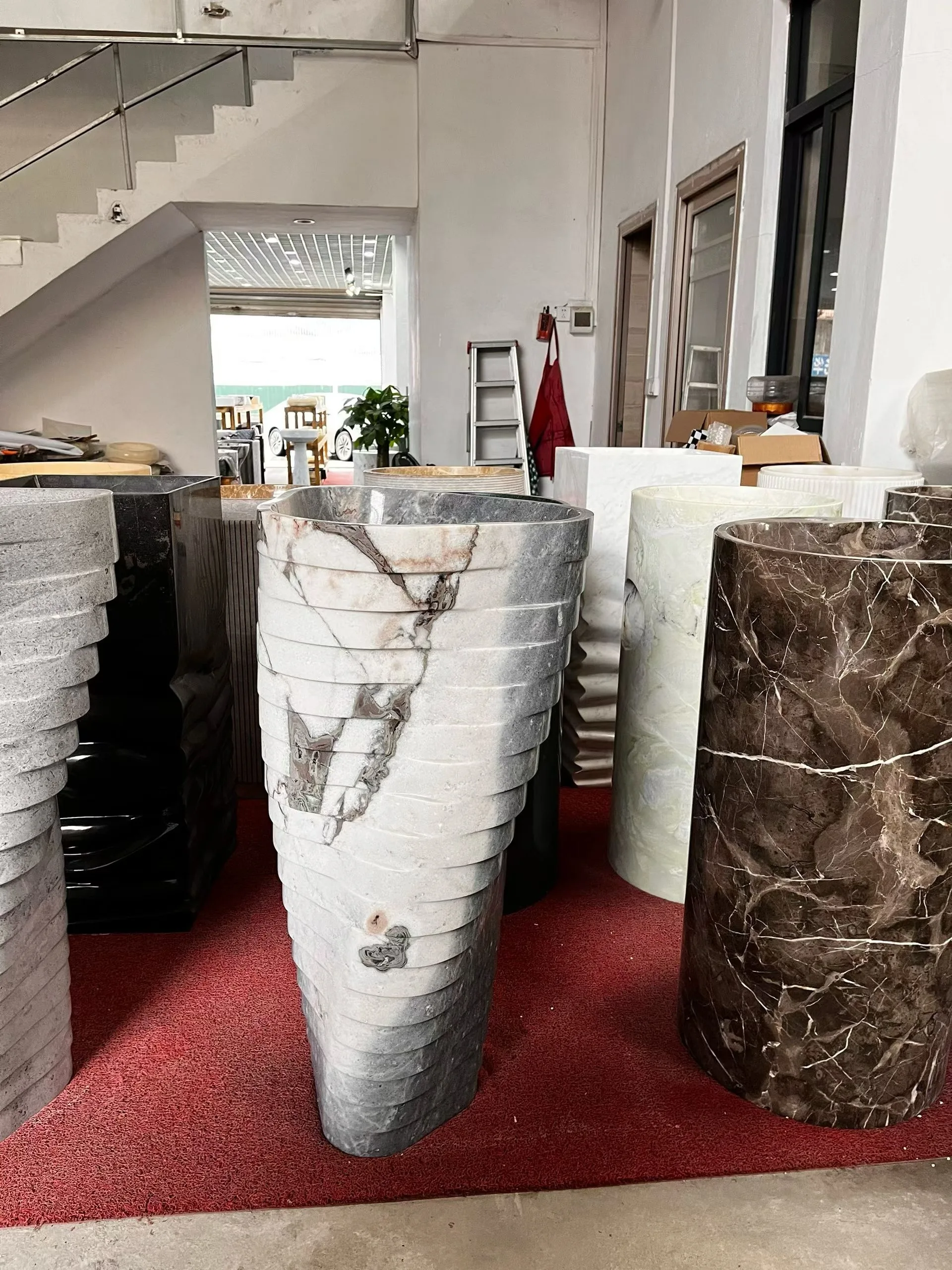
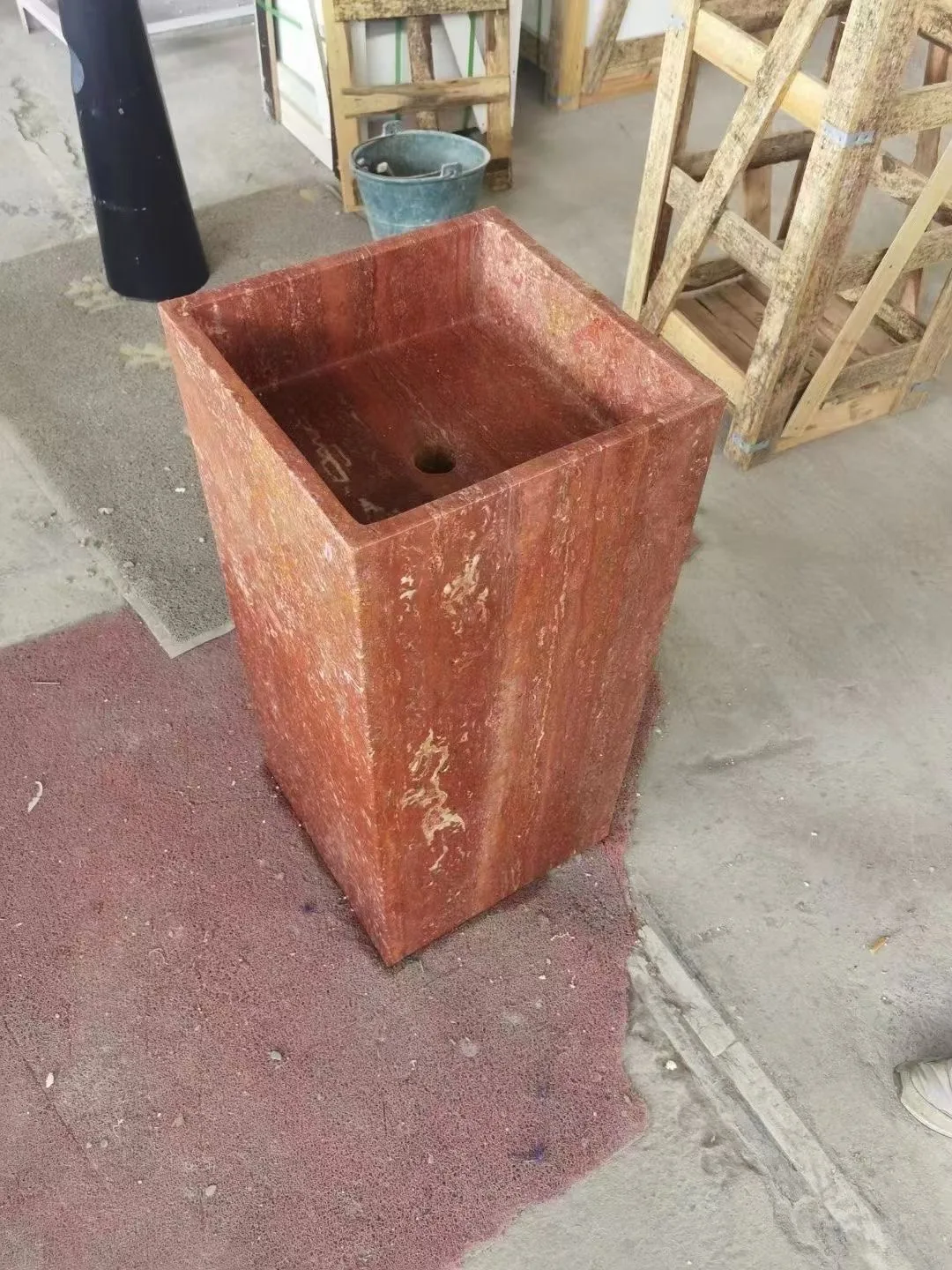
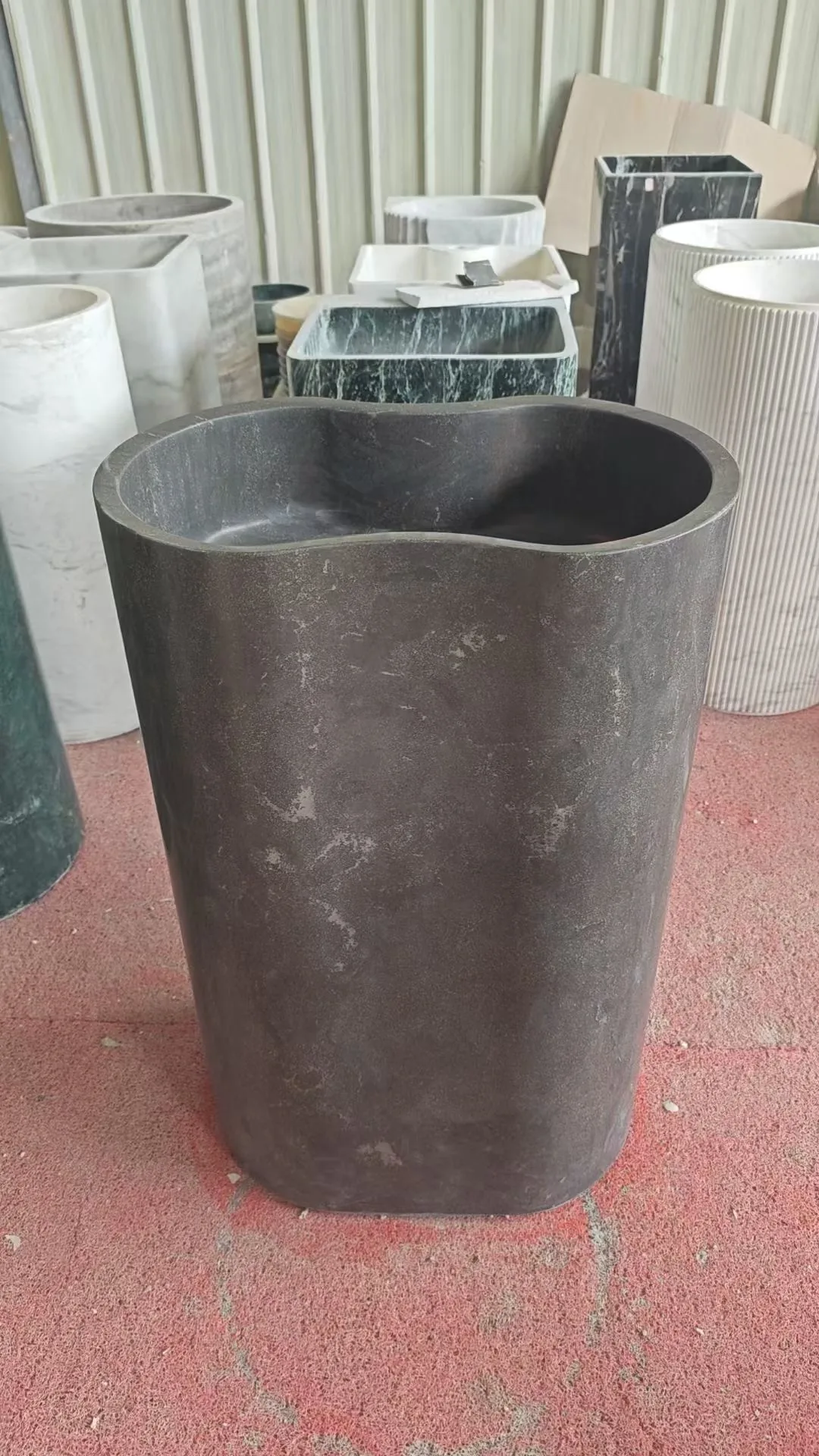
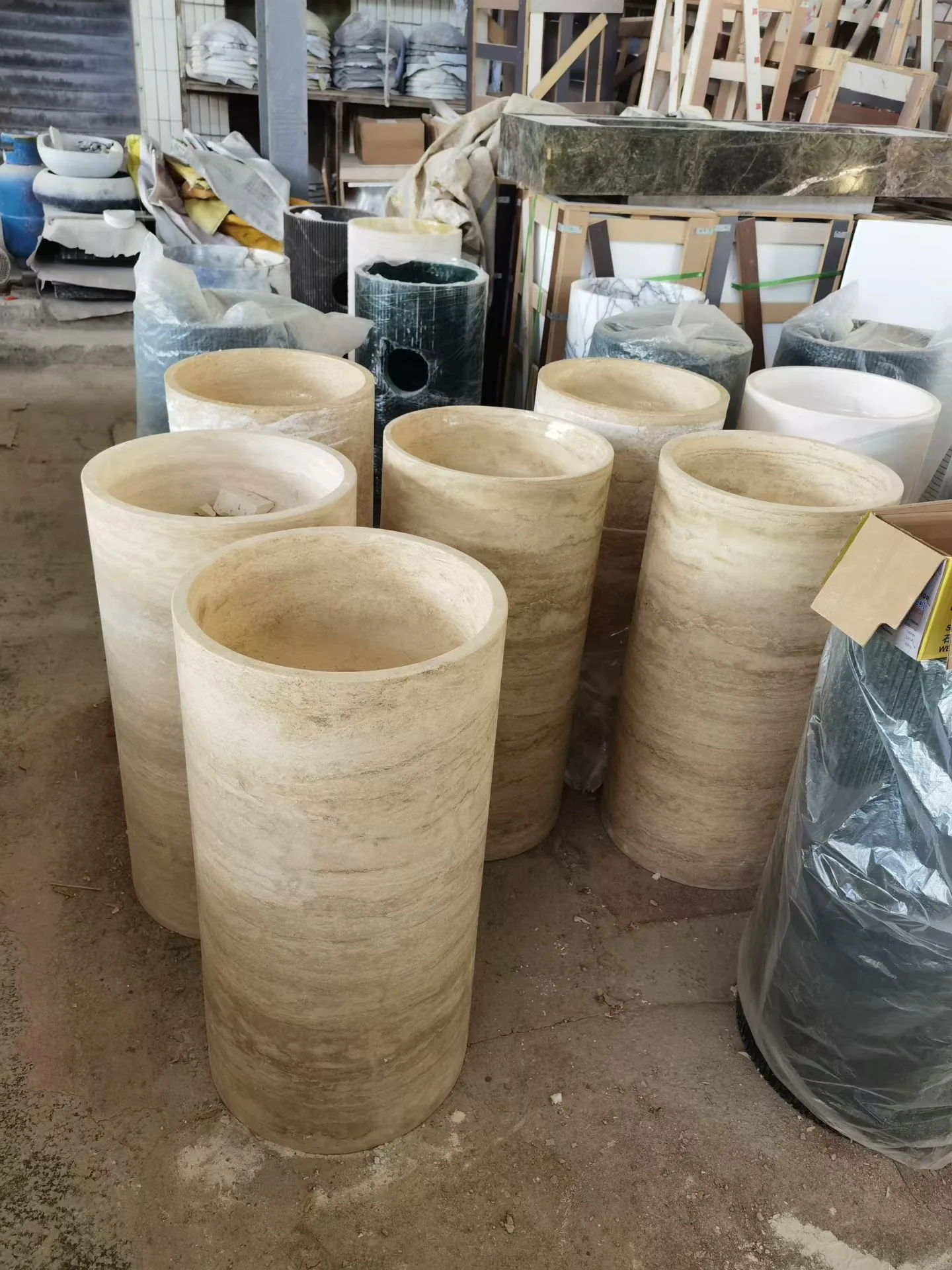
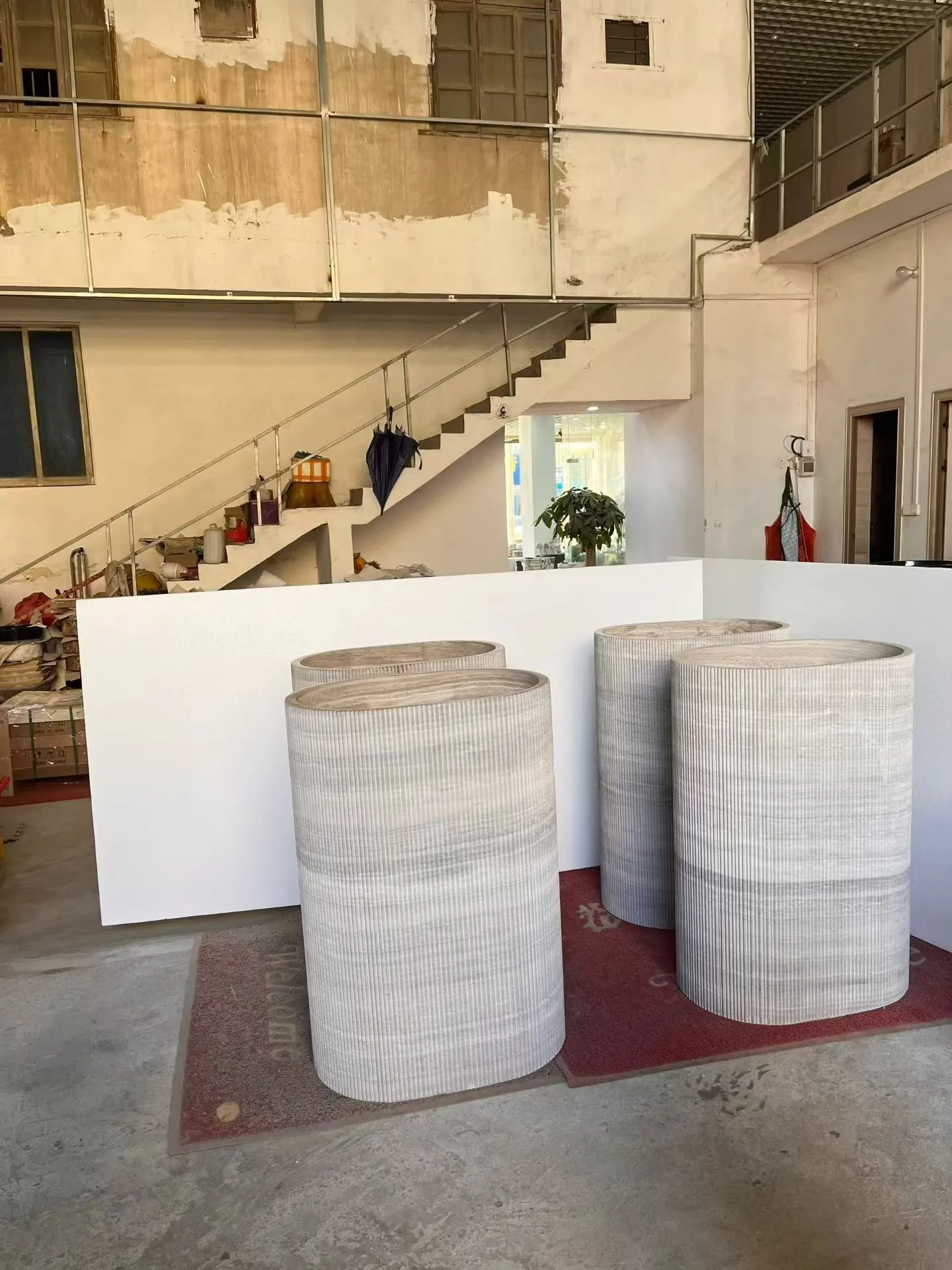
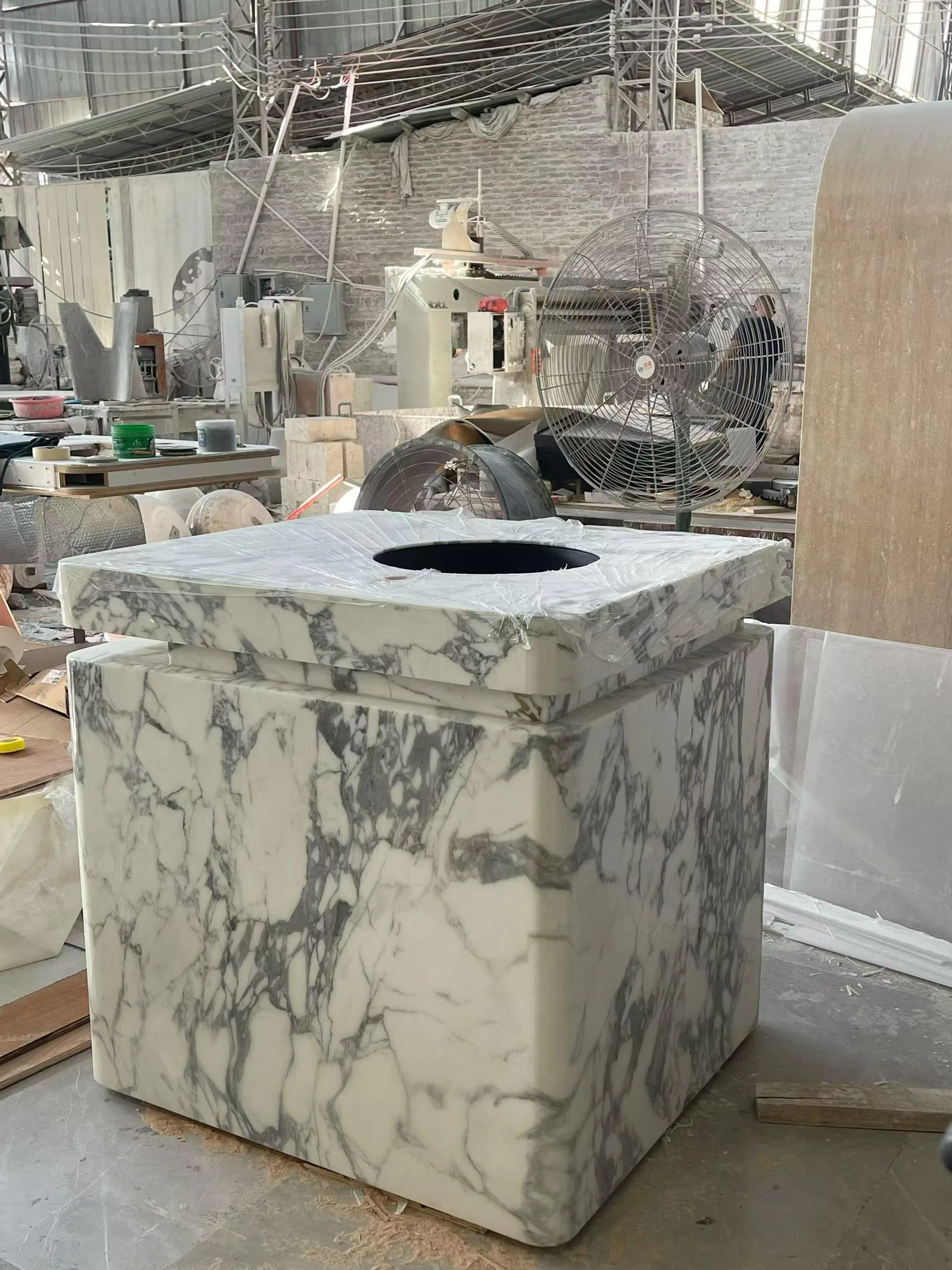
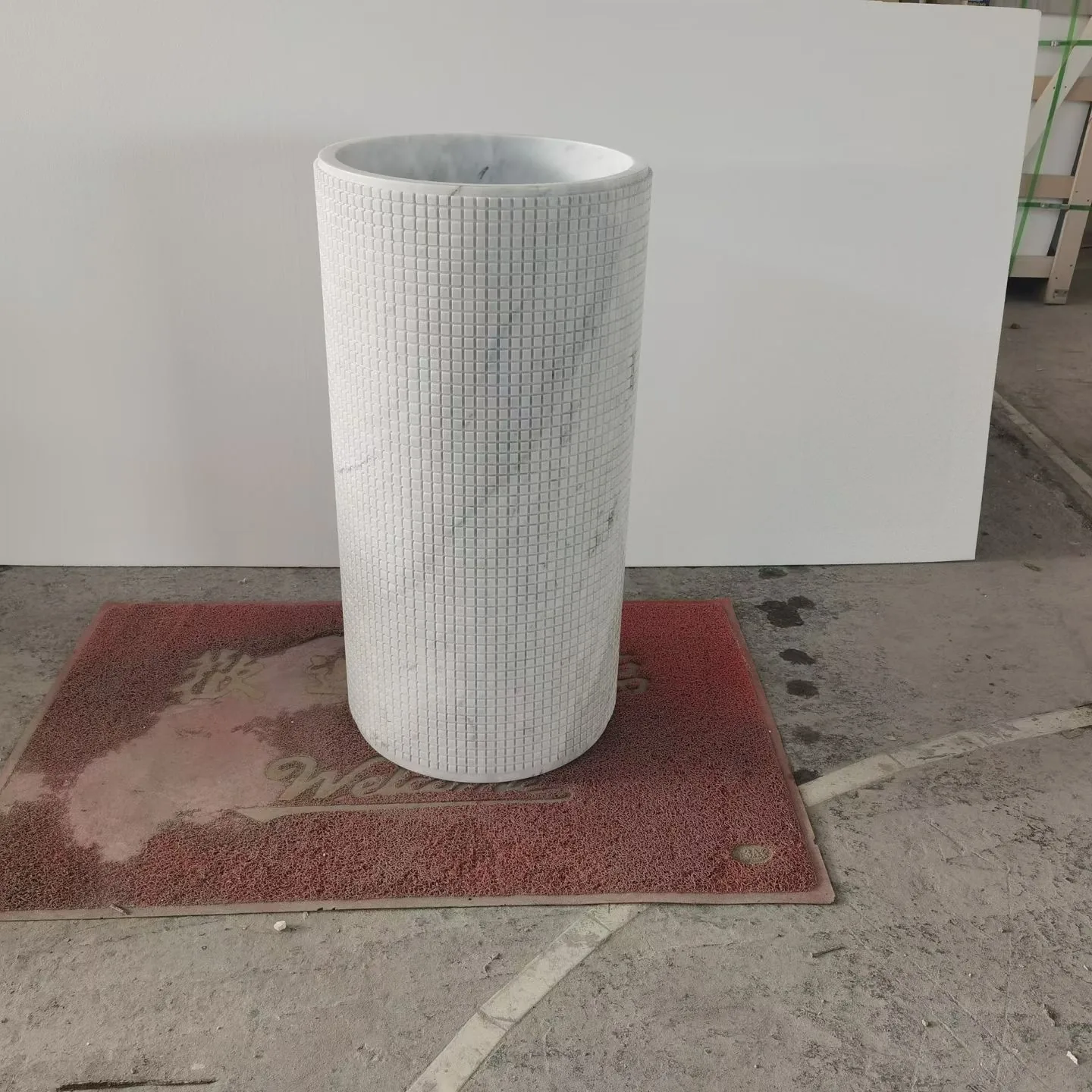
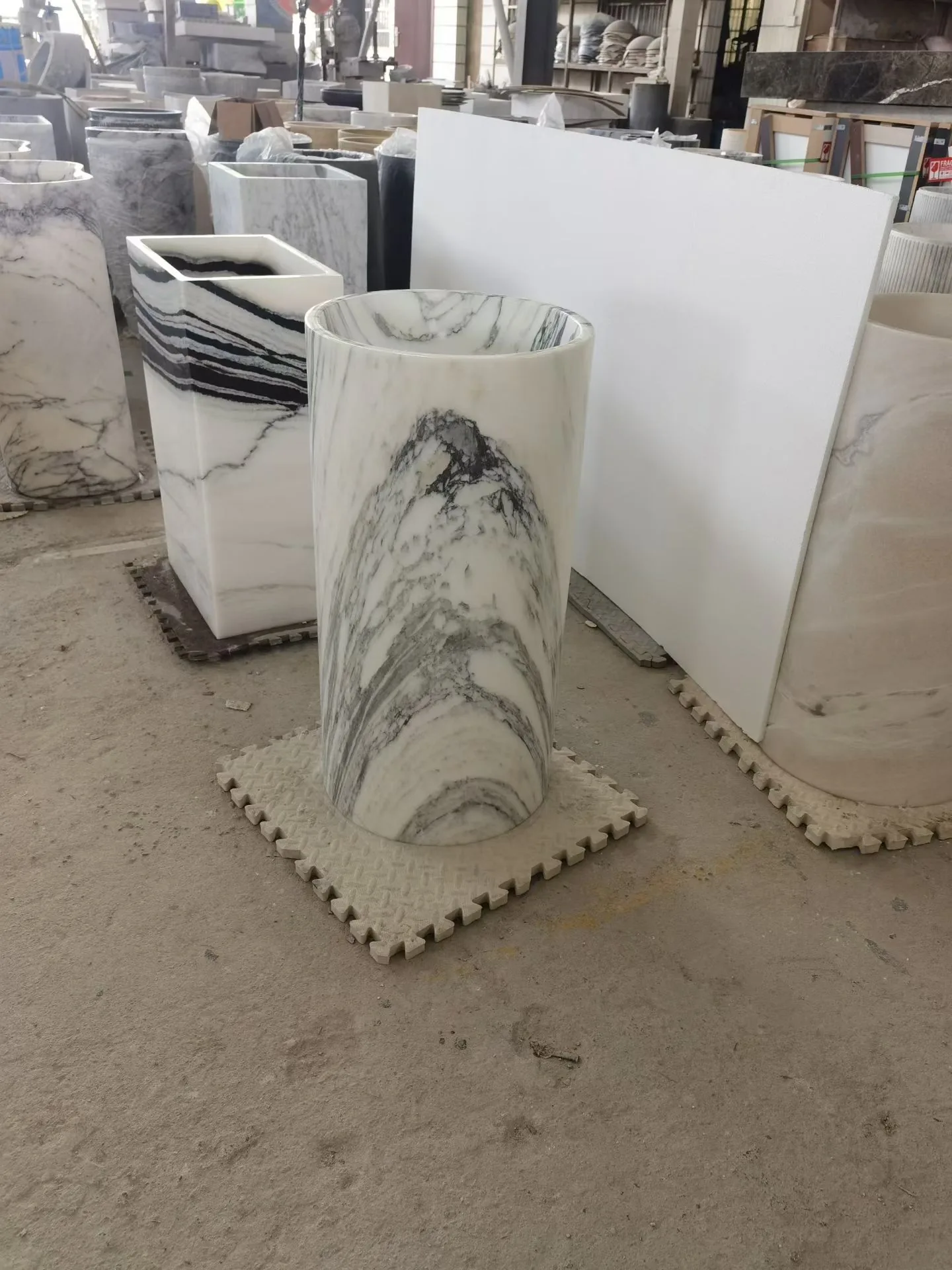
The Outdoor Landscape Stone Gallery presents 8 natural stone references in white, cream-beige, pink-red, and gray. Click any image to open the “I want this” panel, then send its reference, intended outdoor use, and site context for a custom landscape quotation.
What does this 8-view landscape collection show?
This small collection is useful for reading color and pattern before choosing an outdoor stone direction. Four views are white, two are cream-beige, one is pink-red, and one is gray. The descriptions do not establish dimensions, slip ratings, or climate suitability for a particular stone.
| Selection detail | What the gallery provides |
|---|---|
| Reference views | 8 photographs of natural stone landscape features |
| Light tones | 4 white and 2 cream-beige references |
| Accent tones | 1 pink-red and 1 gray reference |
| Visible patterns | bold and fine veins, linear travertine, and plain surfaces |
| Order flexibility | Custom work, batch production, and in-stock options |
| Minimum order | 1 piece |
| Quote reply | Normally within 24 hours |
- All 8 selected views are classified as natural stone outdoor landscape features.
- Four views show white stone, two show cream-beige stone, one shows pink-red stone, and one shows gray stone.
- The visible pattern descriptions include bold vein, fine vein, linear travertine, and plain surfaces.
What can the landscape references help me compare?
Use the images to compare a calm white field with stronger cream, pink-red, or gray movement. Linear travertine introduces a directional surface, while bold or fine veining changes how the stone reads across a larger landscape view. The white group is the broadest direction here, with cream and accent colors giving the set range.
These are visual references, not statements that one finish suits every climate or every wet area. A photograph also cannot establish dimensions, structural support, drainage, or installation method. Show the chosen image to the landscape designer and stone installer alongside the site plan, then click the image to open its “I want this” panel.
Why does outdoor natural stone vary from piece to piece?
Natural stone forms with differences in color, veining, porosity, and surface character, so a new piece can differ from a photographed example. A travertine surface may show directional texture or filled areas; marble can carry a more continuous vein pattern. Review the actual proposed material rather than treating the image as an exact sample.
Dry and wet conditions can alter how color and texture read. Ask to inspect the selected stone in the relevant condition, especially around water features, steps, or planting beds. The fabricator and installer should confirm the finish, joint treatment, sealer, drainage, and fixing details for the specific site.
Where might these stone references fit outdoors?
The references can support early decisions for garden features, wall treatments, landscape focal points, and other outdoor stonework. Their color direction should relate to paving, planting, water, and nearby architecture rather than being chosen in isolation. A strong pink-red or gray piece may become a focal point; white and cream can keep a larger composition lighter.
The critical review happens against the site plan. Confirm how the stone meets the ground, how water moves around it, whether it is structurally supported, and how the installation will be maintained. Local building rules and relevant safety standards may apply, so the installer should verify the method and any required anchoring.
How can I pair these stones with a garden palette?
White and cream-beige stone provide a quiet backdrop for green planting, dark timber, gravel, or brick. Gray is easier to integrate with cooler paving and architectural metals, while pink-red creates contrast and needs a considered focal setting. Compare the stone under daylight and artificial light because both can shift its apparent tone.
The surface finish matters as much as the base color. Honed, brushed, split, or filled surfaces read differently at a distance and under moisture. Ask for samples large enough to judge pattern repetition and directional grain, then review them beside the actual paving and wall materials.
How do I request pricing for outdoor landscape stone?
Send the image reference, intended use, approximate dimensions, quantity, site plan or photograph, and delivery city. Mention exposure to rain, pool water, salt, or freezing conditions because those details help the team and installer scope the material and finish. Pricing is supplied by quotation rather than fixed from the photograph.
A single item can start a custom inquiry, and batch production is available. Production is estimated at about 20 days after the deposit and approved drawings; logistics are estimated at about 30 days. The team normally replies within 24 hours. Review the Projects gallery and wall and floor installation references, then send the site constraints through the Contact page.
What maintenance questions should I ask before approval?
Ask how the specific stone behaves when wet, whether the chosen surface traps dirt, and whether joints or drainage must be designed to protect the installation. Travertine with open voids requires a considered fill and sealing approach; dense polished marble needs protection from acidic cleaners. These are material-specific questions, not assumptions to generalize across every stone.
Set a cleaning routine with the installer and finish supplier. Remove leaves and standing water, use a cleaner suitable for the stone, and avoid abrasive methods that alter the surface. If the setting encounters freezing or salt, confirm suitability and maintenance with the relevant local professionals before ordering.
Which stone direction should I compare next?
Compare travertine when a directional, softly textured surface is the goal, marble when visible vein movement matters, and granite when a granular pattern is preferred. Each may suit different exterior conditions, so appearance alone is not enough. Ask for a current sample and review how it performs in the intended exposure.
The landscape reference can narrow the visual direction before those material tests are discussed. Avoid specifying a stone solely from a color label; finish, joint width, drainage, and installation detail all affect the result. The installer should approve the final assembly and any local code requirements.
Where can I see the complete landscape reference set?
Use the image strip above to compare all eight outdoor references. The “I want this” panel keeps the selected picture connected to the request, which is more useful than describing a stone from memory. Add a sketch, plan, or photograph of the place where the stone will stand.
For broader installation context, visit the Projects gallery. For a material decision, confirm the proposed stone and finish with the installer before the quotation is finalized. The team can review a custom request from one piece upward.
What should I confirm before ordering landscape stone?
These answers cover visual adaptation, wet exposure, and the details needed for a quotation.
Can these outdoor landscape stone references be adapted?
Yes. Use a photograph as a starting point for color, pattern, and overall character, then send the intended landscape dimensions and a site plan. The available stone, fabrication, drainage, and fixing method must be checked for the actual outdoor setting. Natural variation means the new piece will not be a visual duplicate.
How should I choose stone for a wet outdoor area?
Compare the dry and wet appearance, surface texture, drainage, and cleaning needs with the installer. Water absorption and freeze resistance vary by stone, so confirm suitability for the local climate instead of relying on color alone. Ask how joints and edges will shed water and whether a sealer is appropriate.
What should I include with an outdoor stone inquiry?
Send the image ID, planned use, approximate dimensions, quantity, site or planting-plan photo, and the delivery city. Explain whether the project is exposed to rain, pool water, salt, or freezing conditions. Email sales@amazstone.com; the team normally responds within 24 hours.
Who prepared this outdoor landscape reference guide?
The Amazstone Editorial Team prepared this guide from the selected image descriptions and the documented order terms. Amazstone is a stone group based in Foshan, China. It began stone operations in 2012 and later expanded into a global stone supply network, supporting custom fabrication, batch production, and in-stock options.
For a landscape question, email sales@amazstone.com. Include the image ID, intended exterior use, dimensions, quantity, and local exposure so the material, finish, and installation questions can be reviewed by the right people.
Photo references
Explore the stone details
Open any image, add your project details, and continue to the inquiry form.