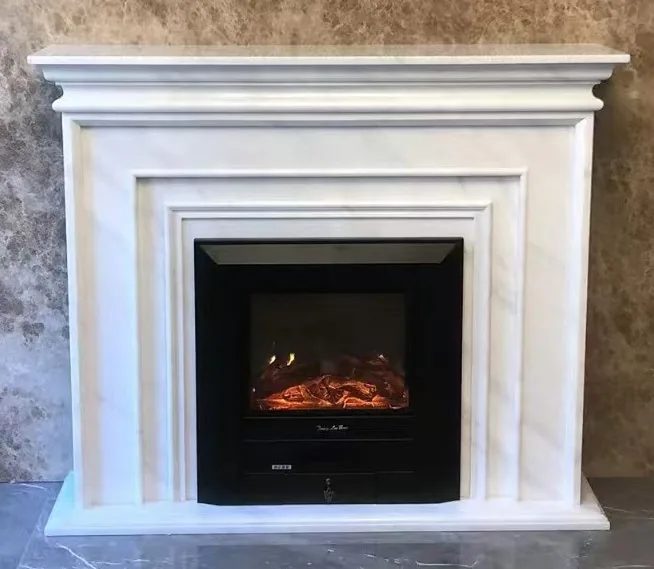
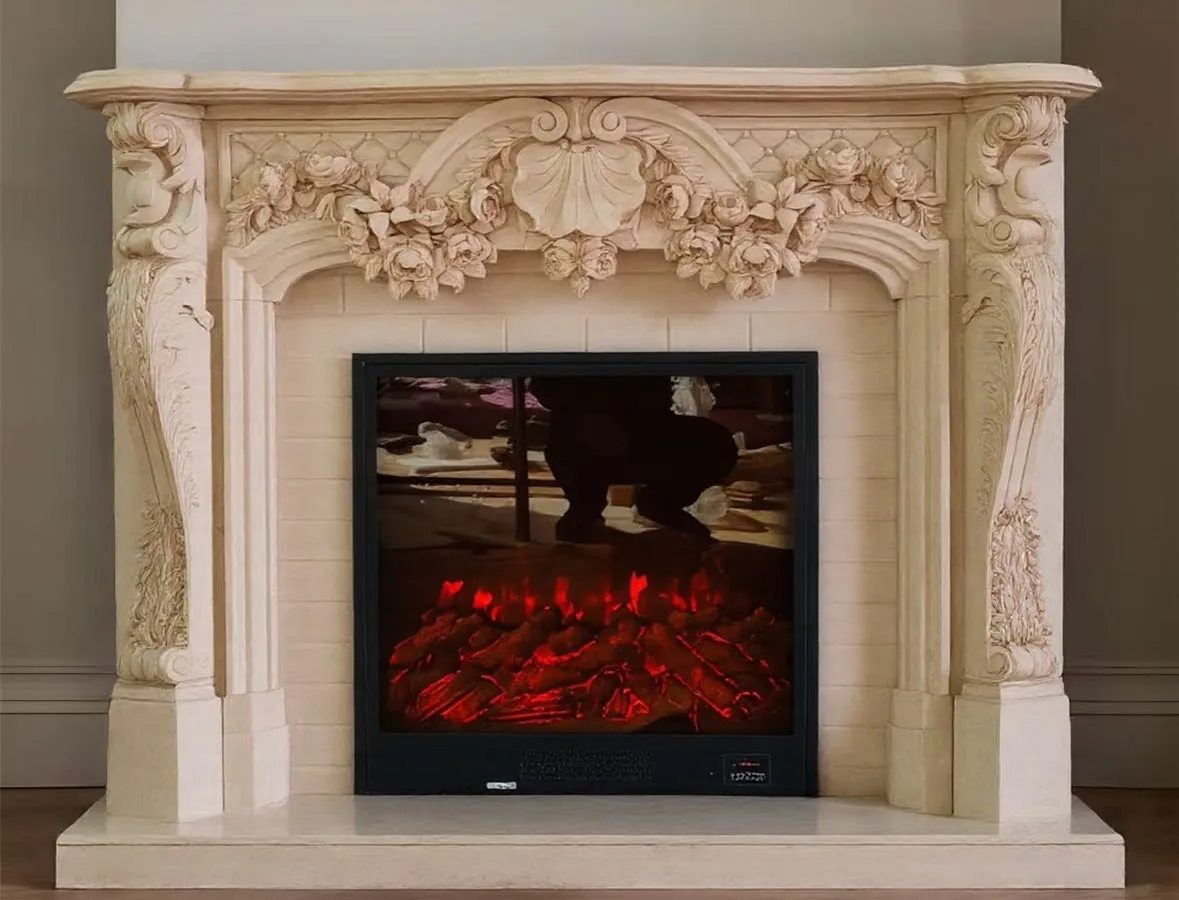
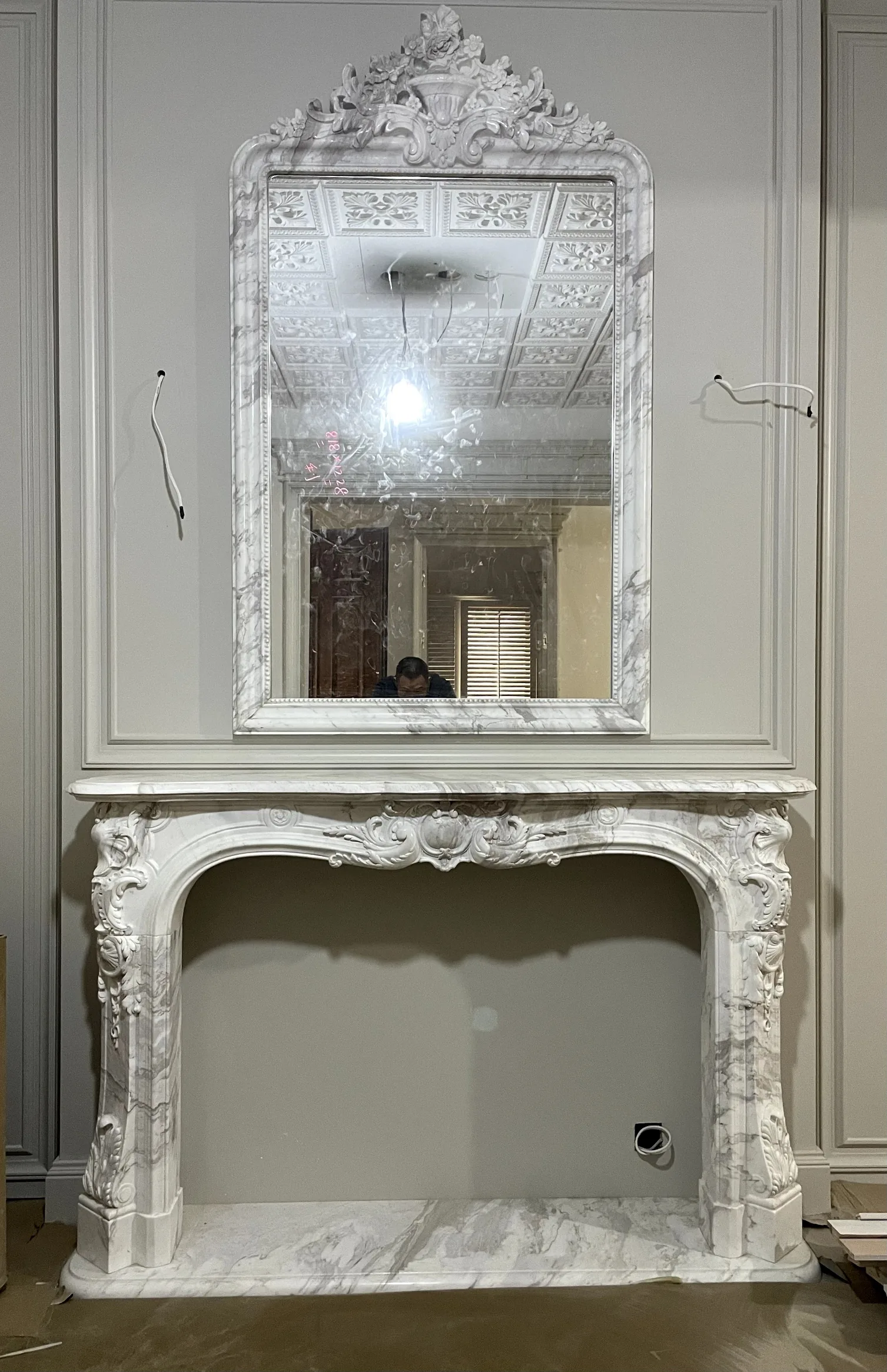
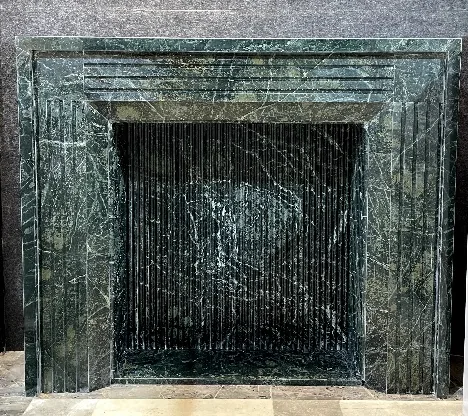
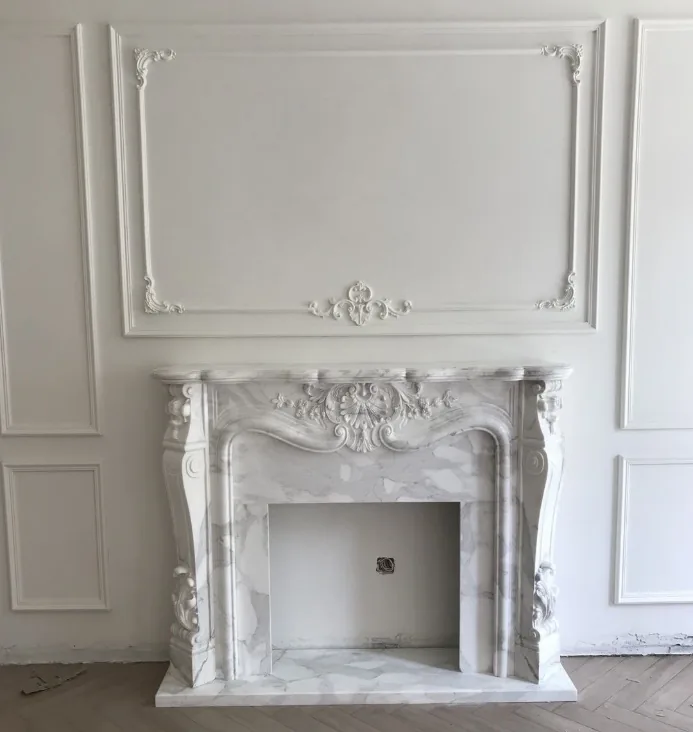
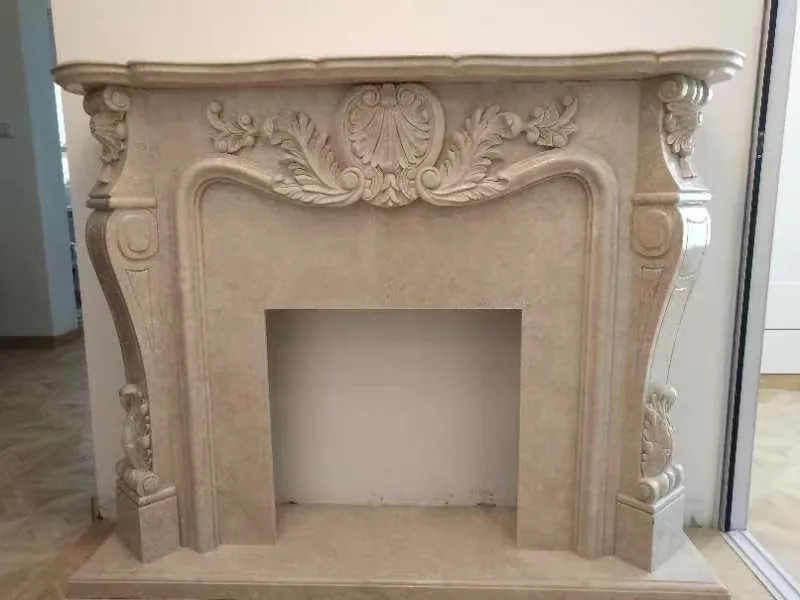
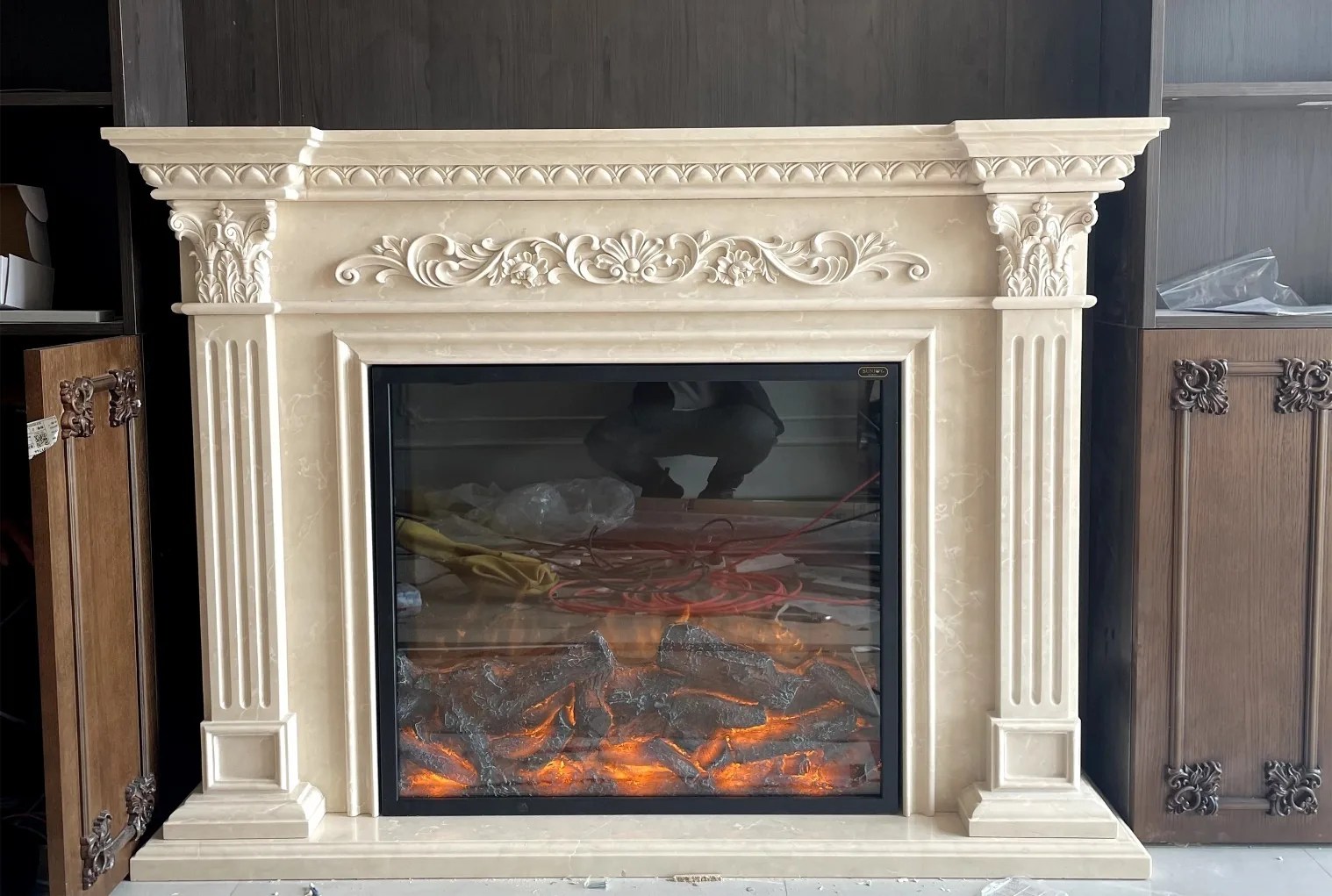
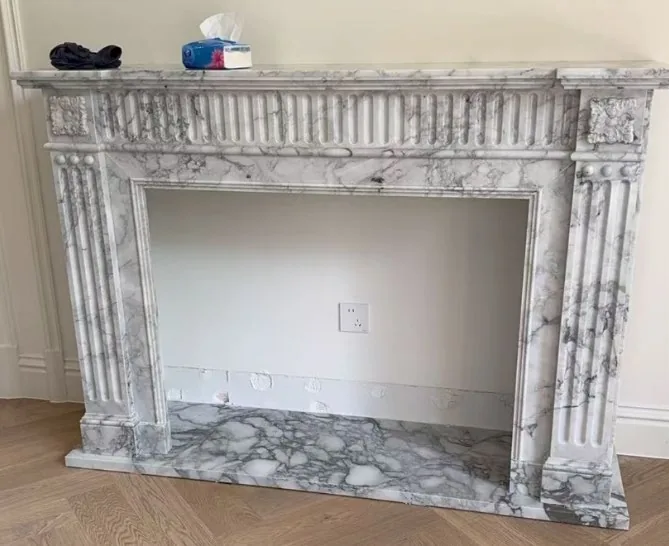
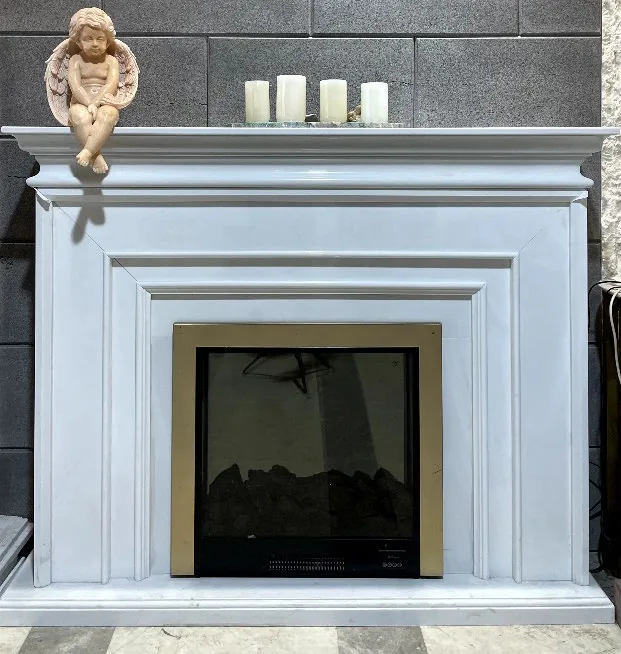
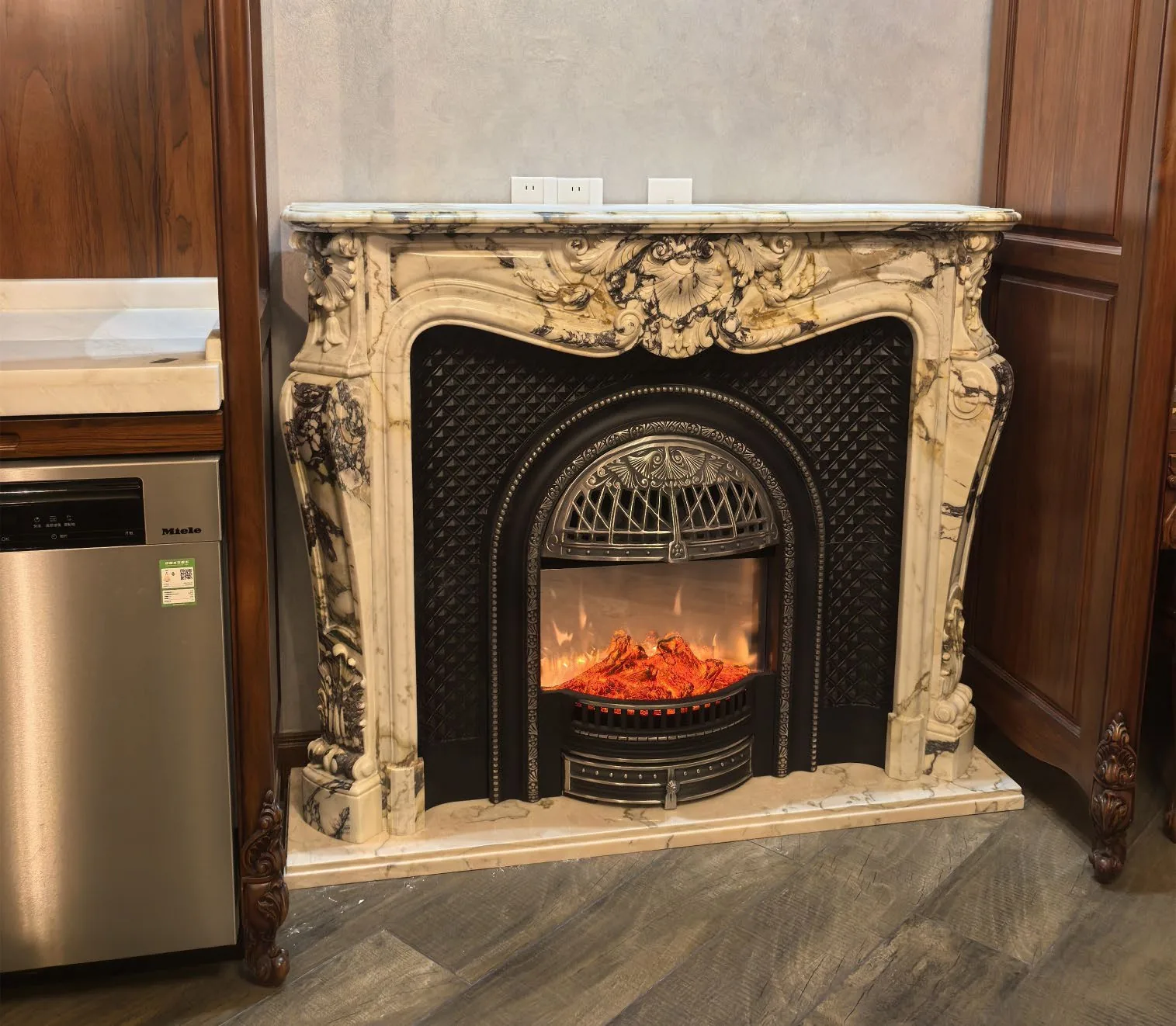
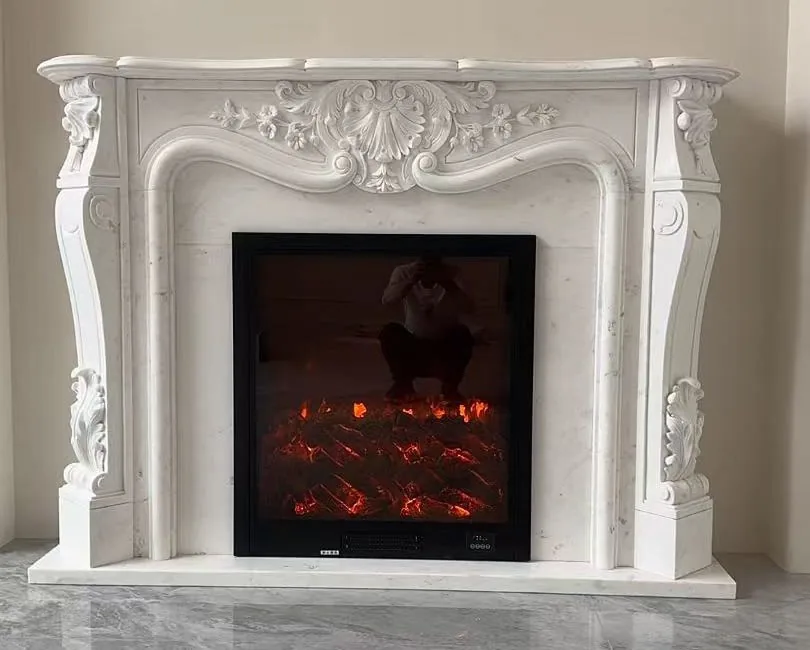
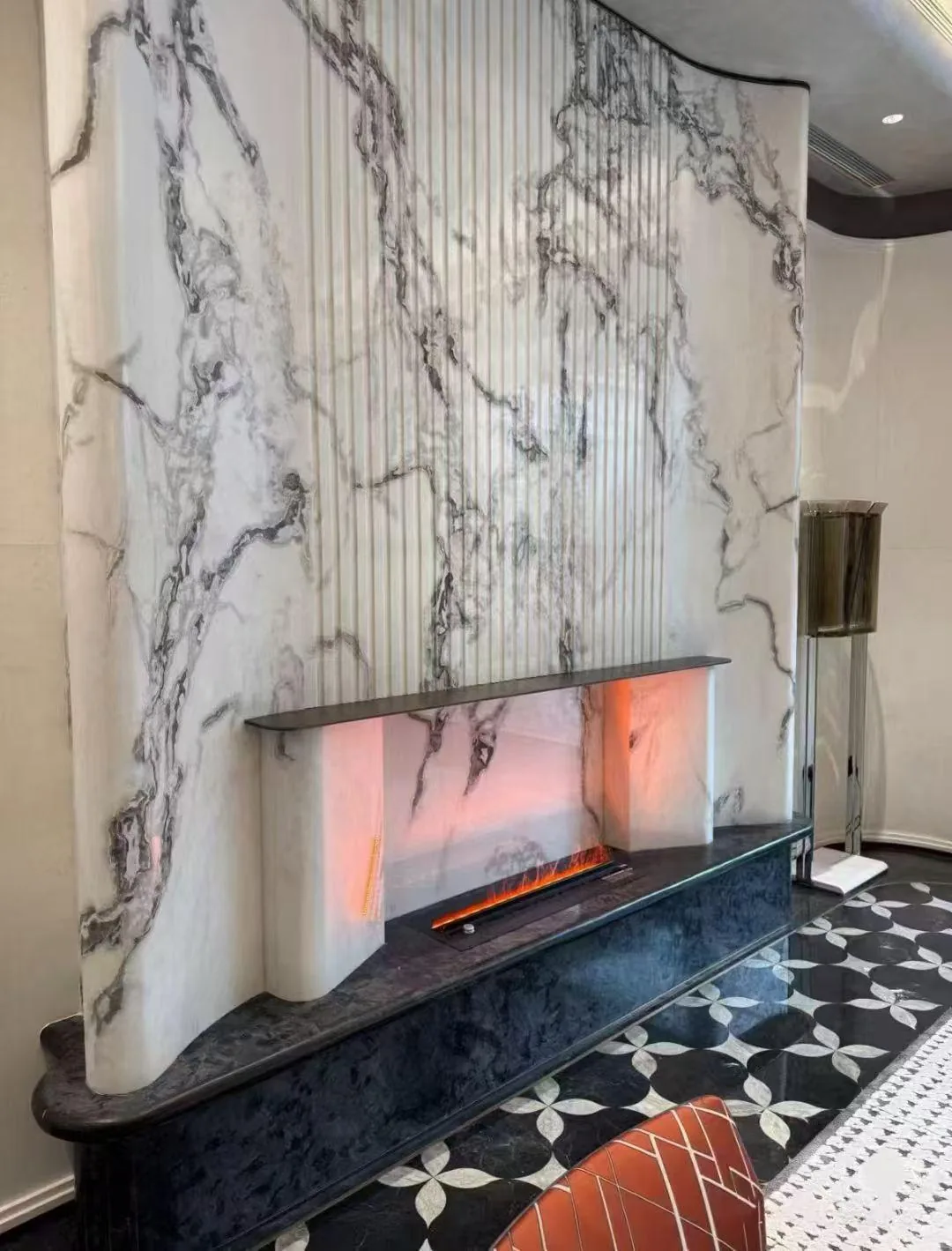
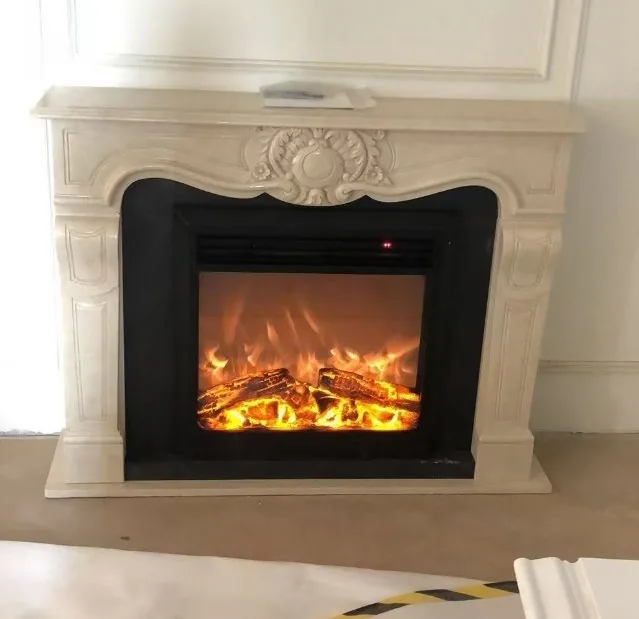
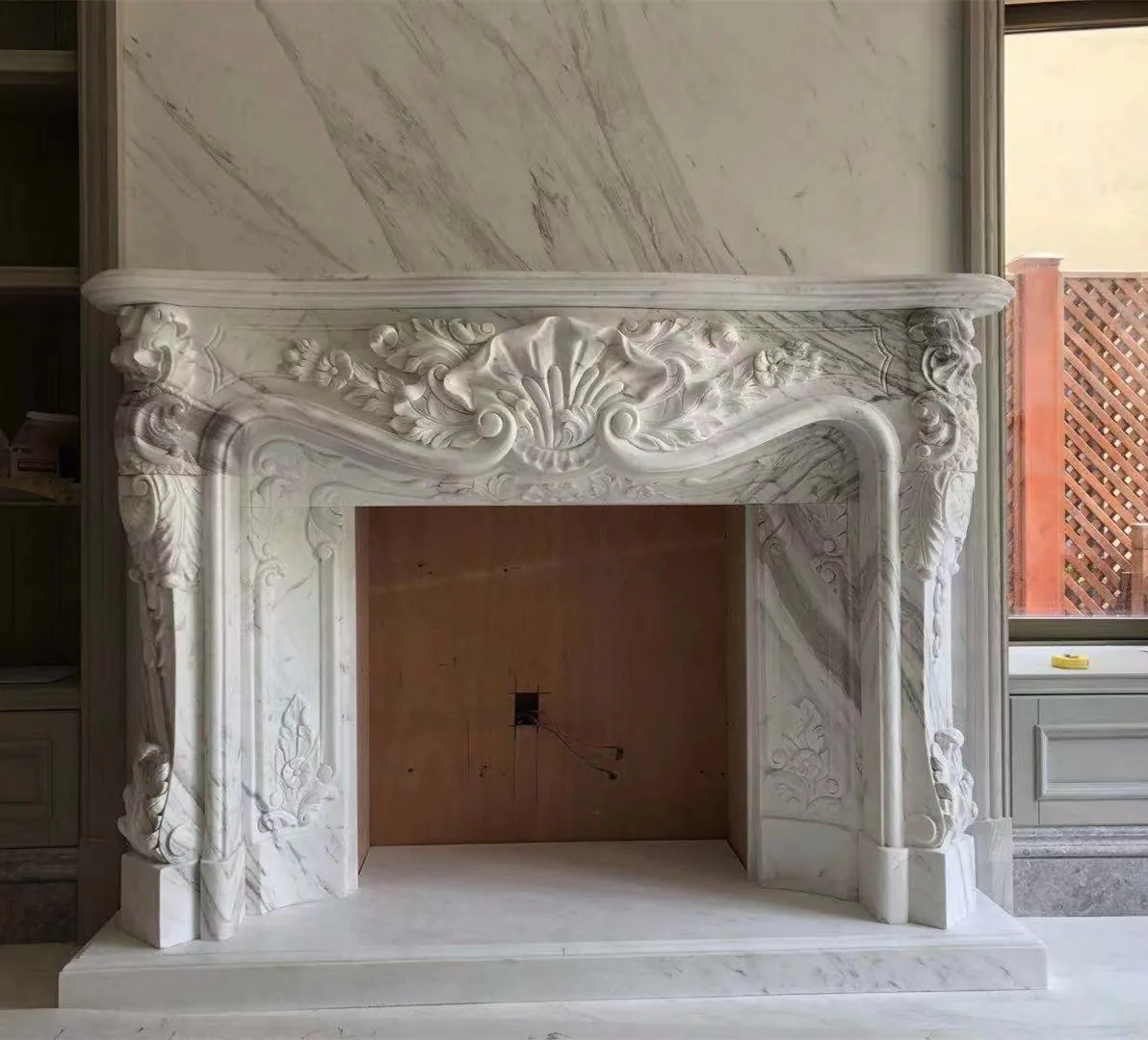
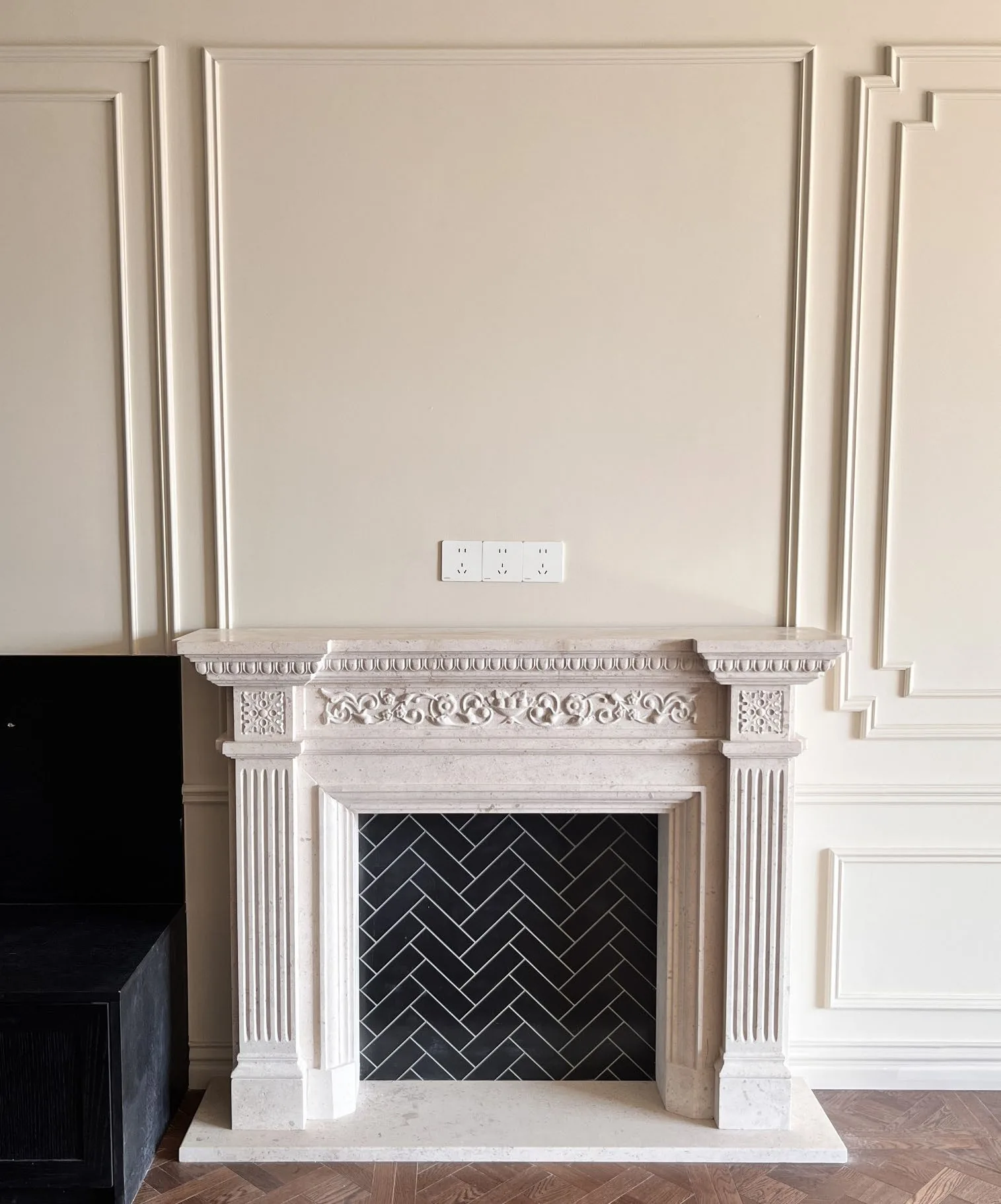
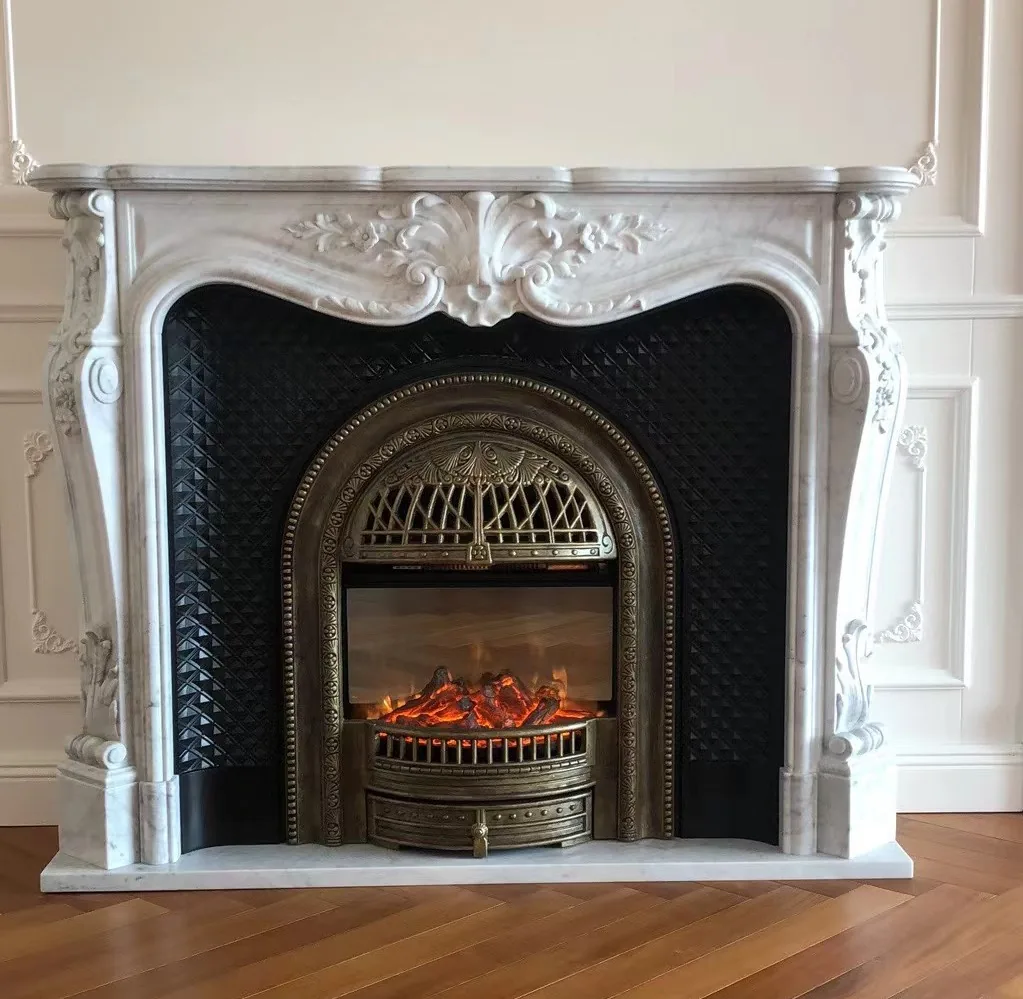
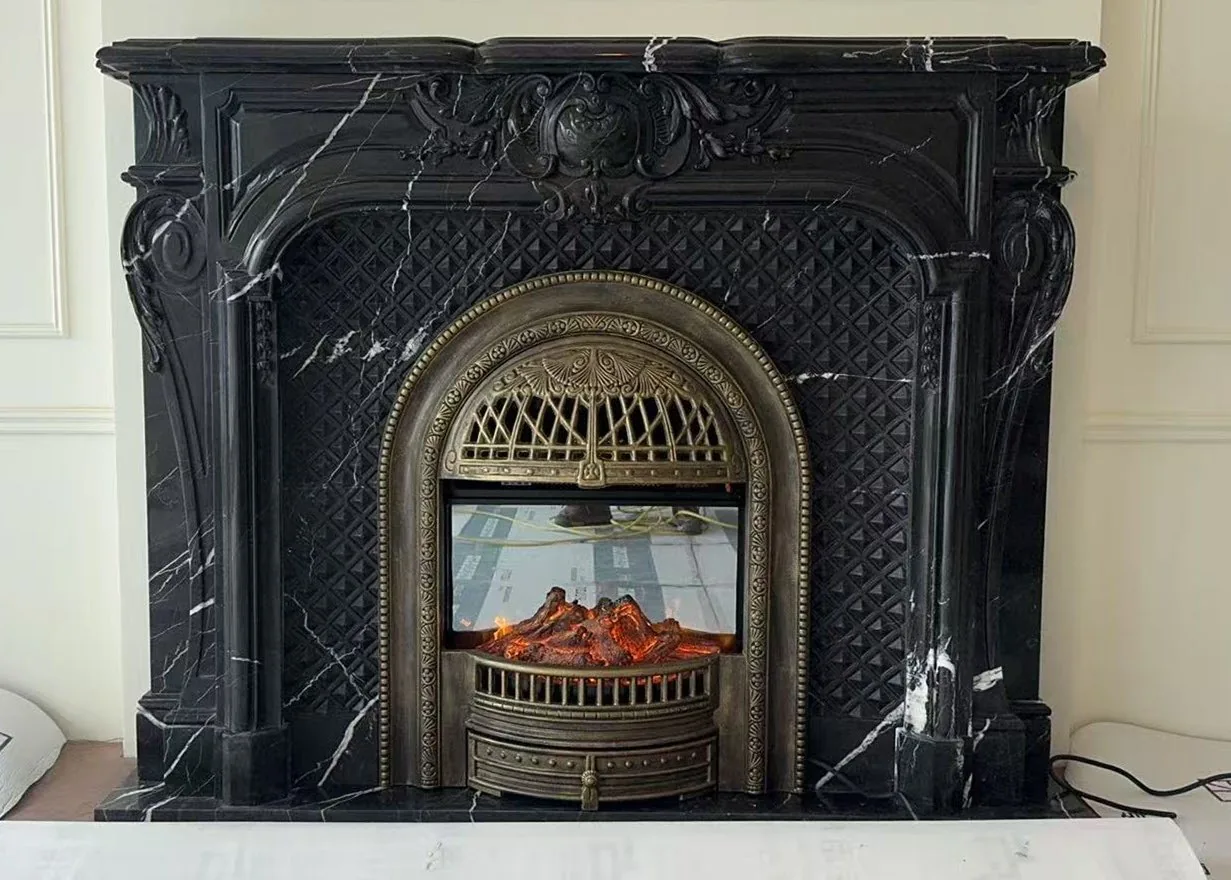
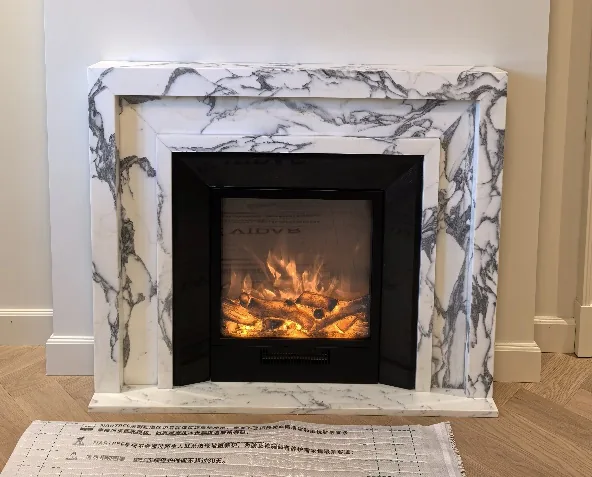
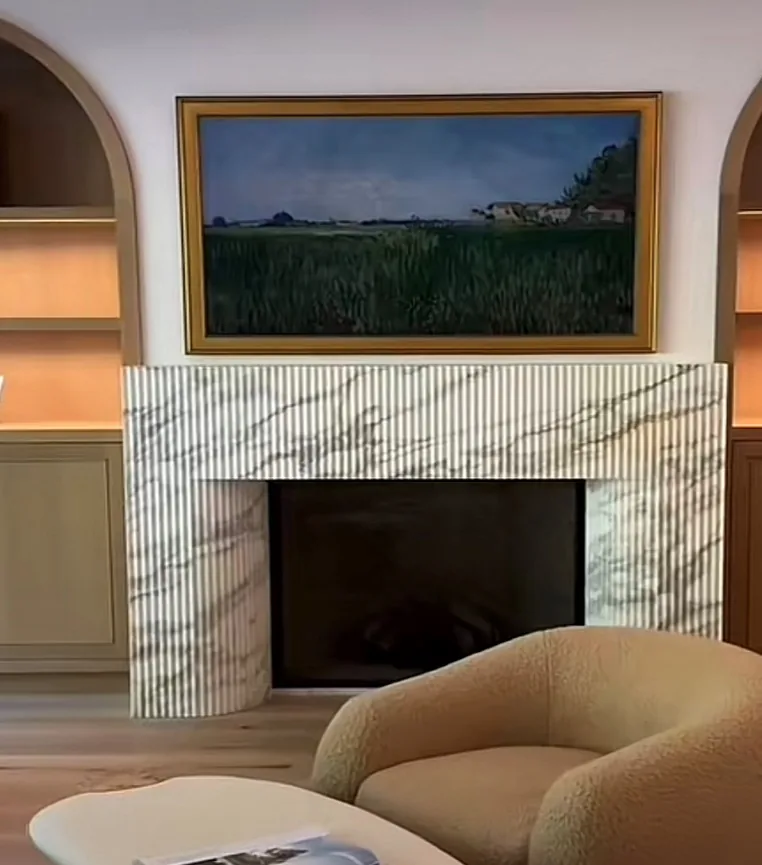
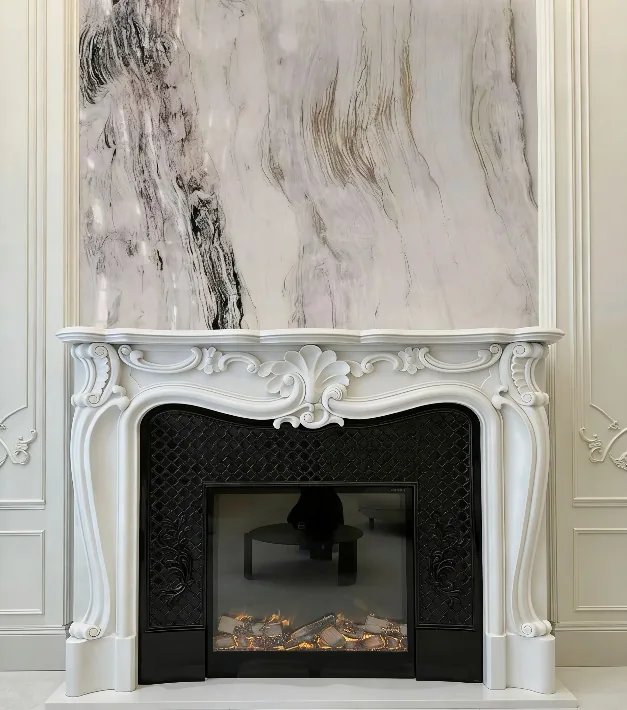
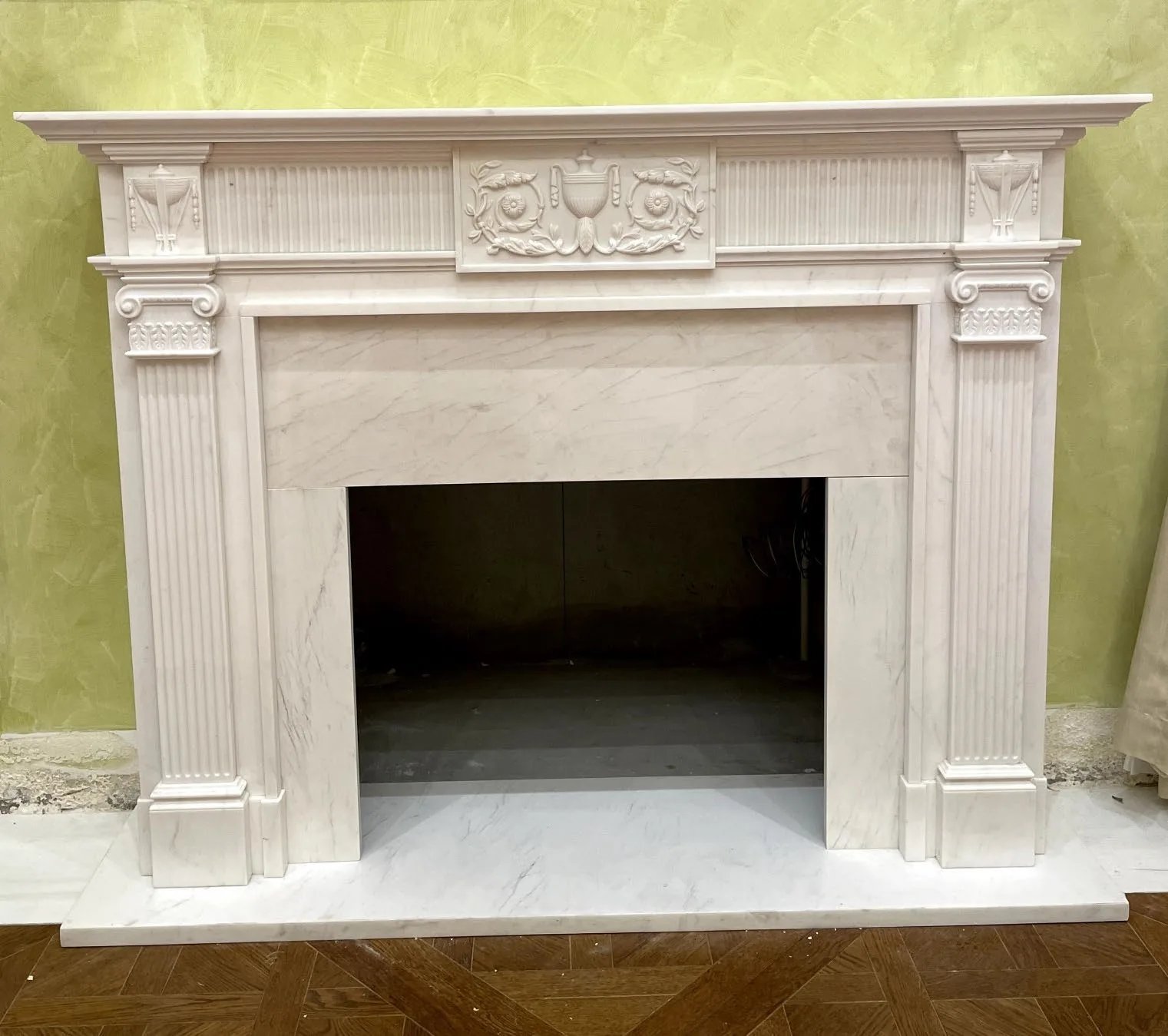
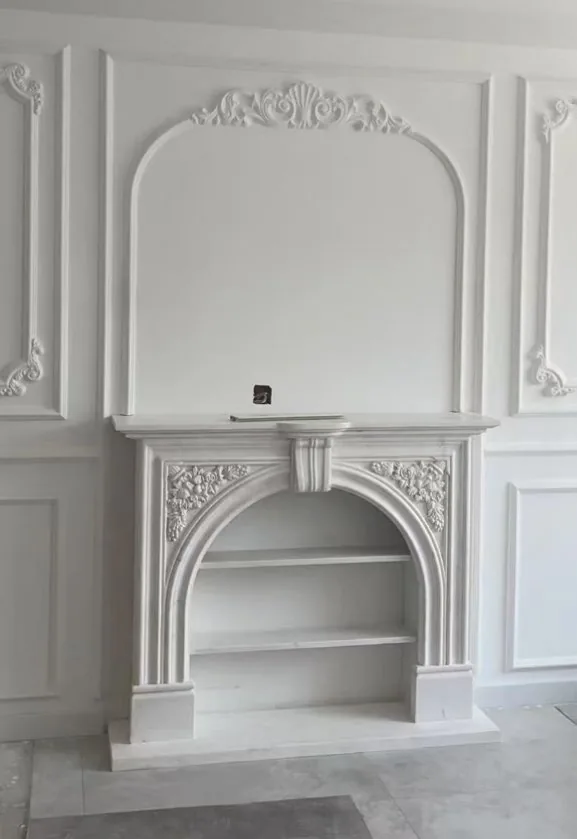
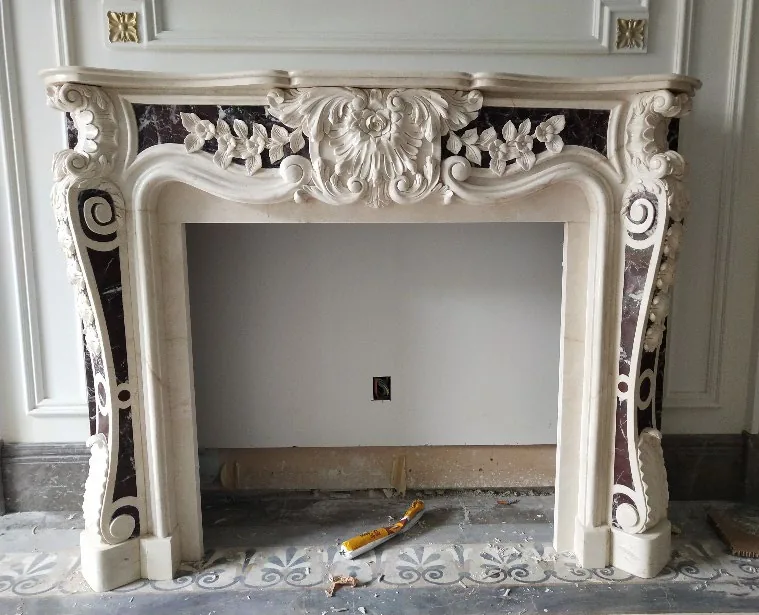
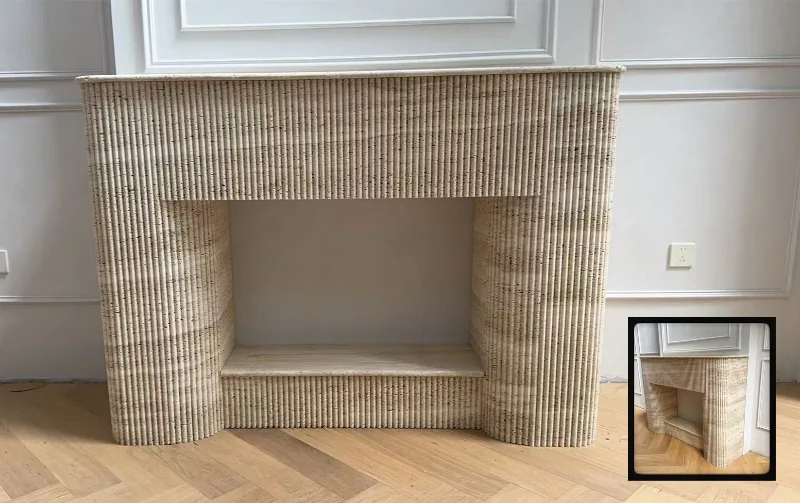
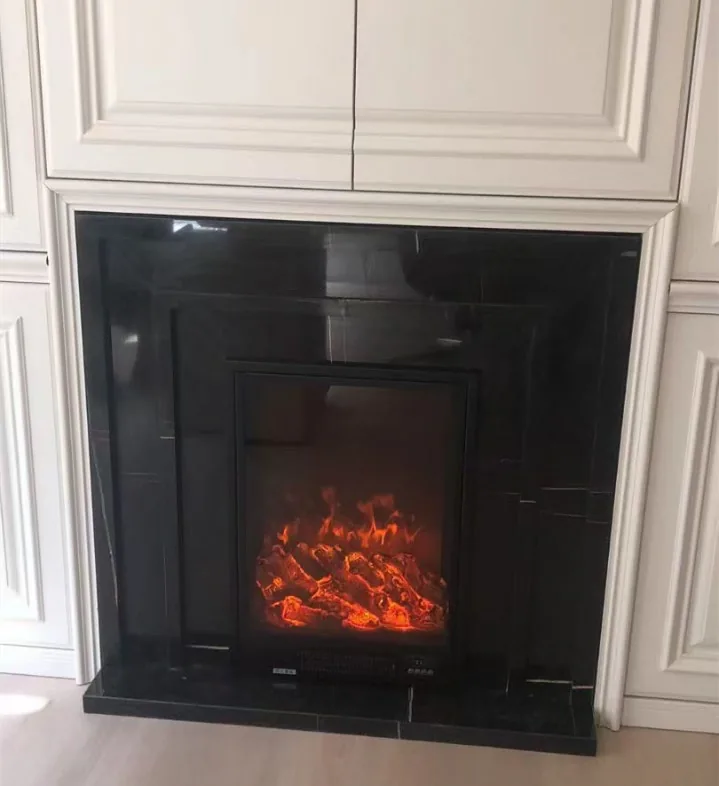
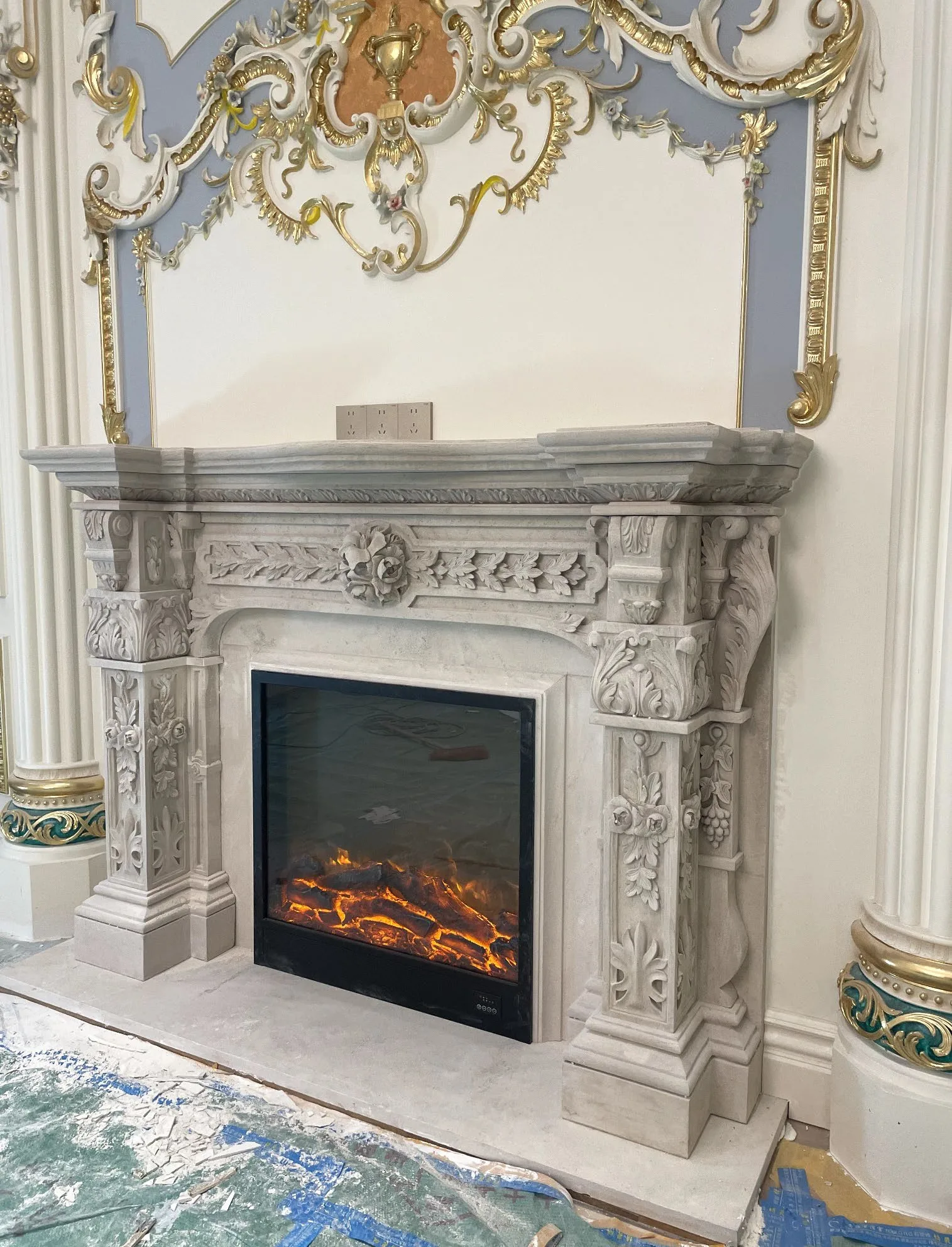
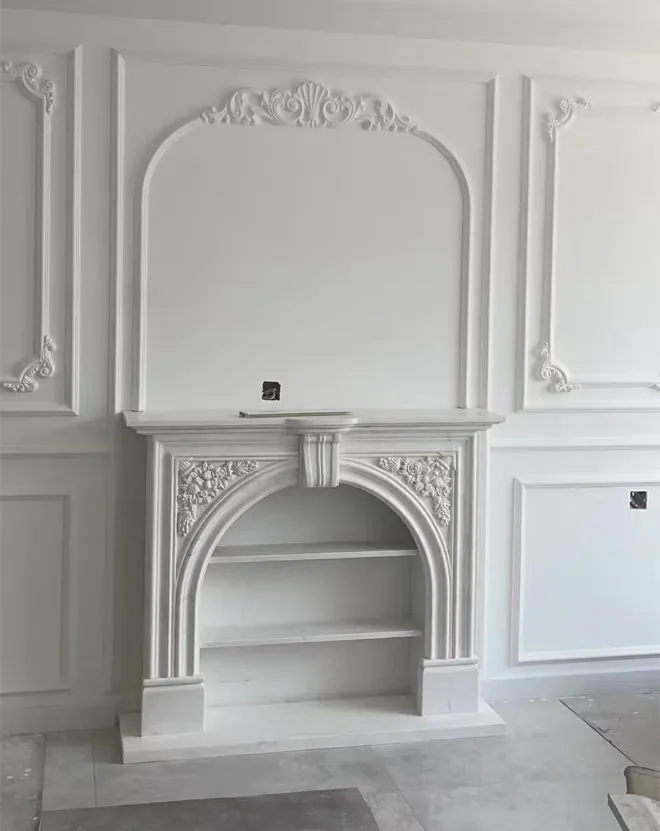
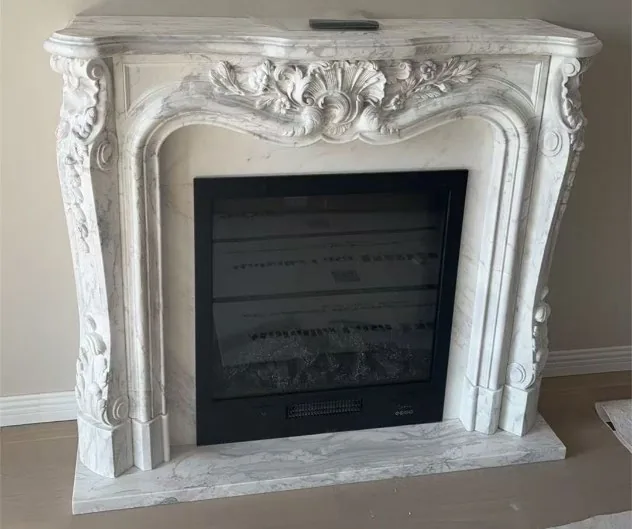
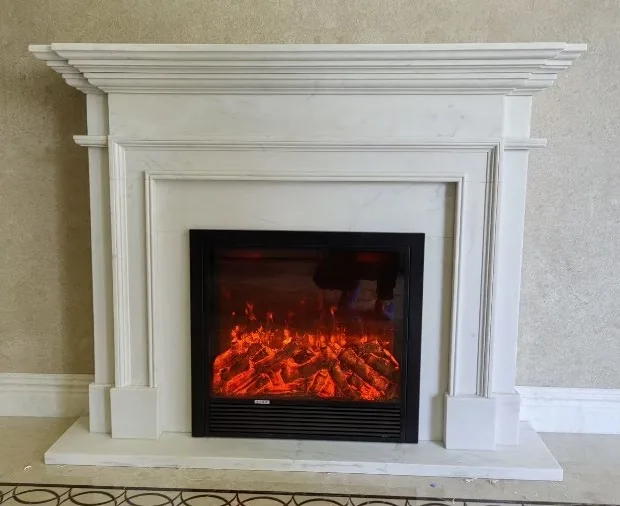
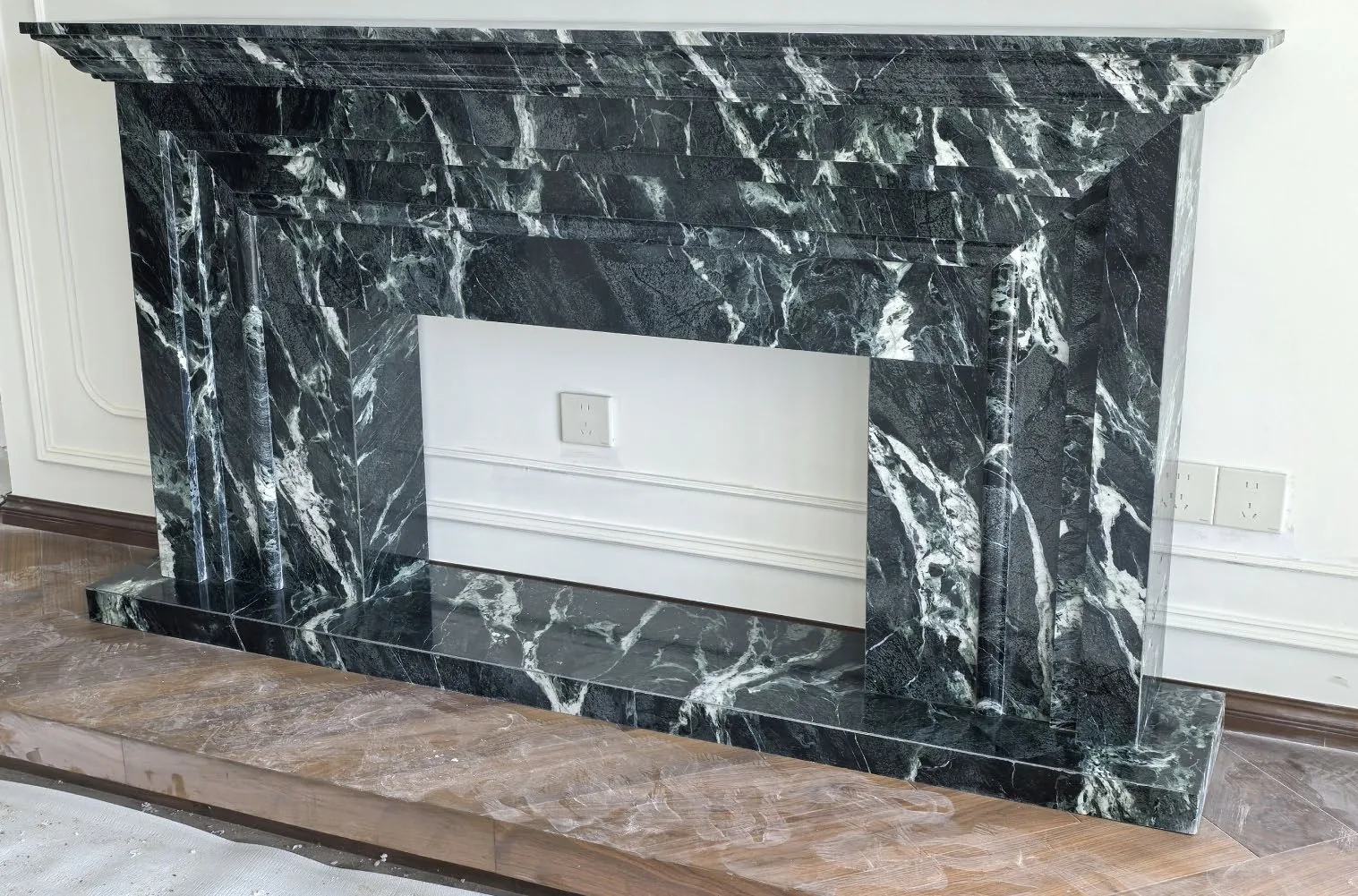
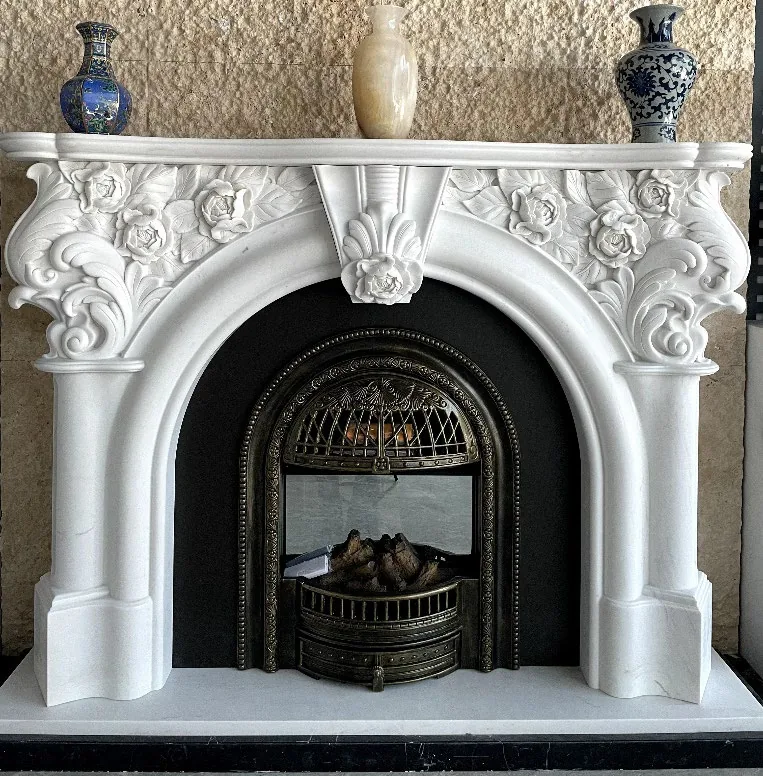
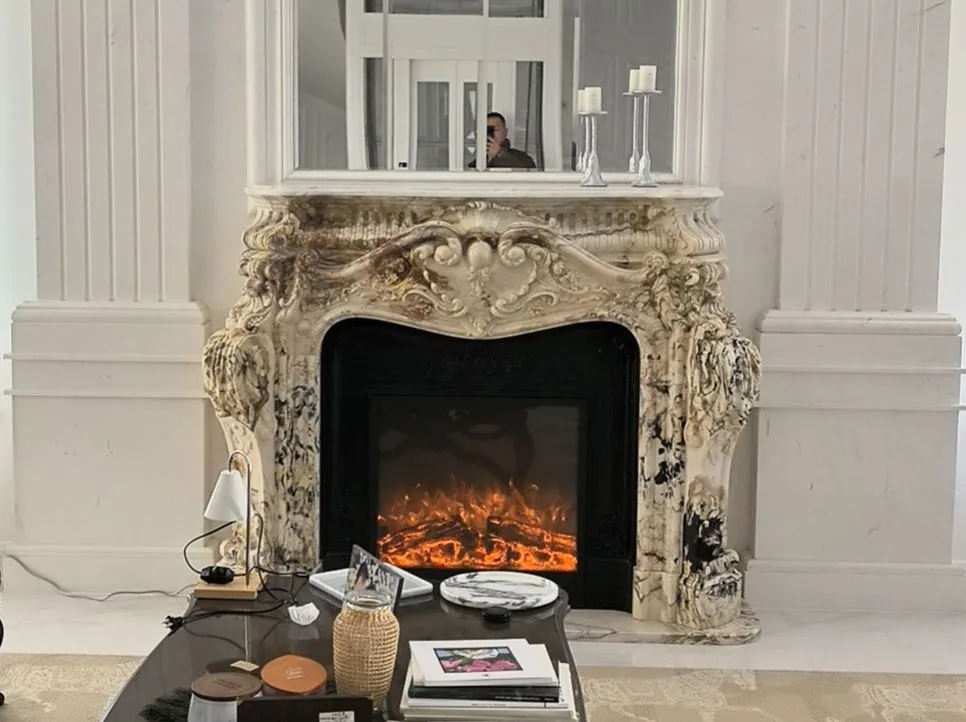
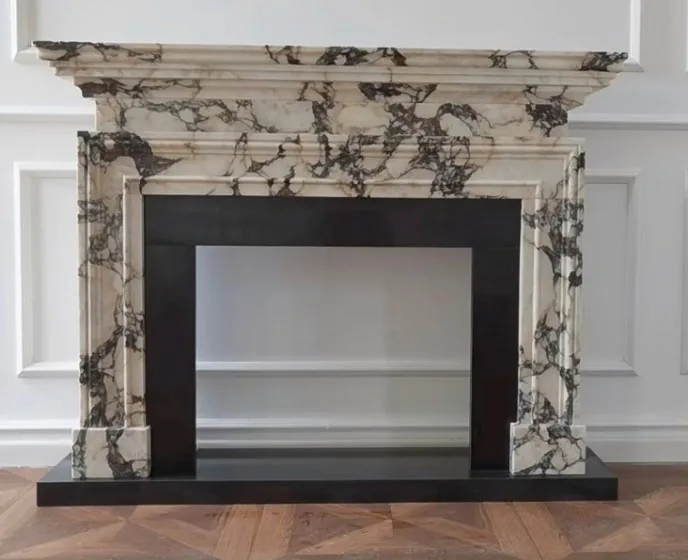
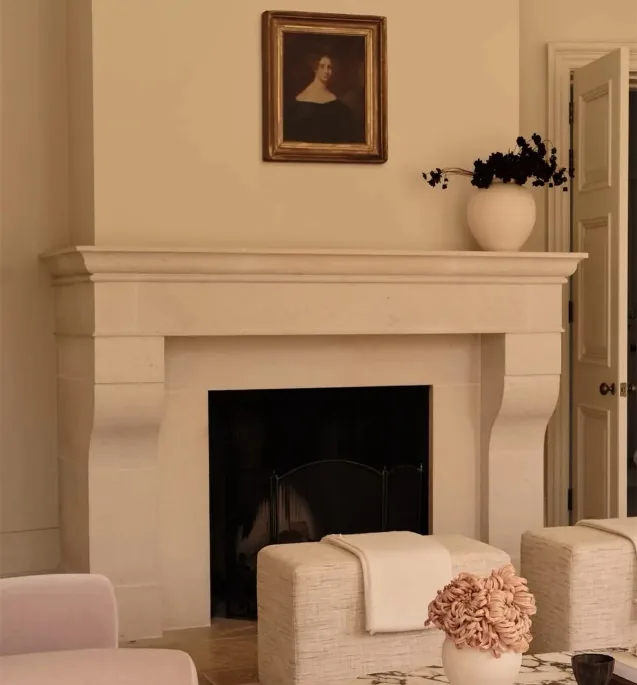
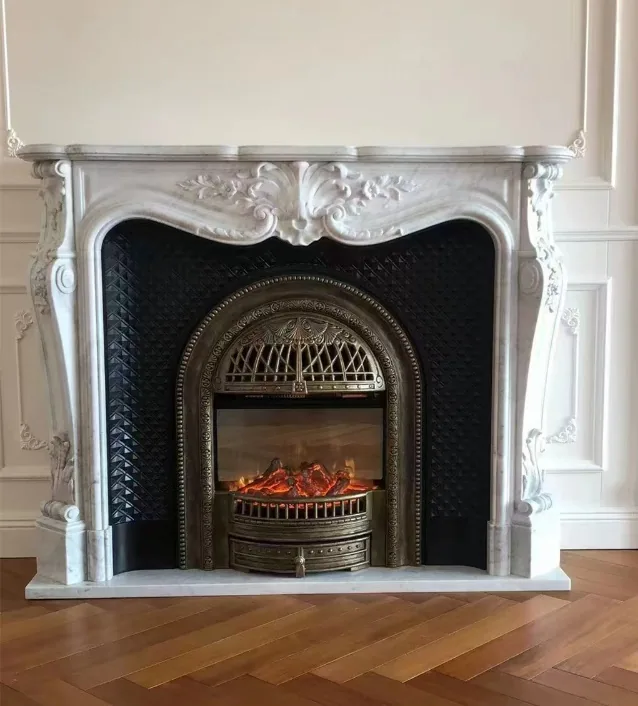
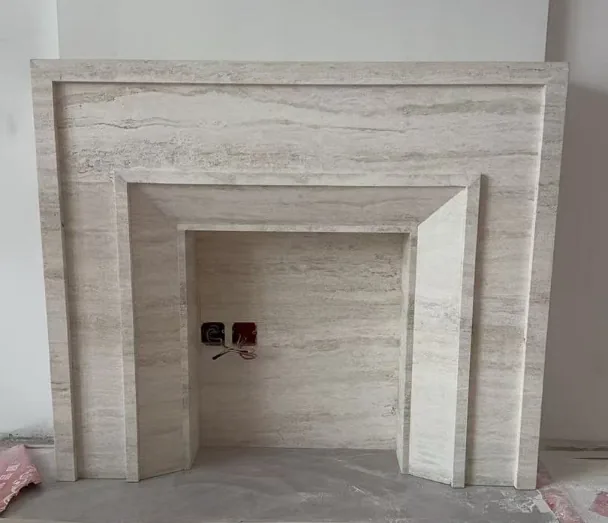
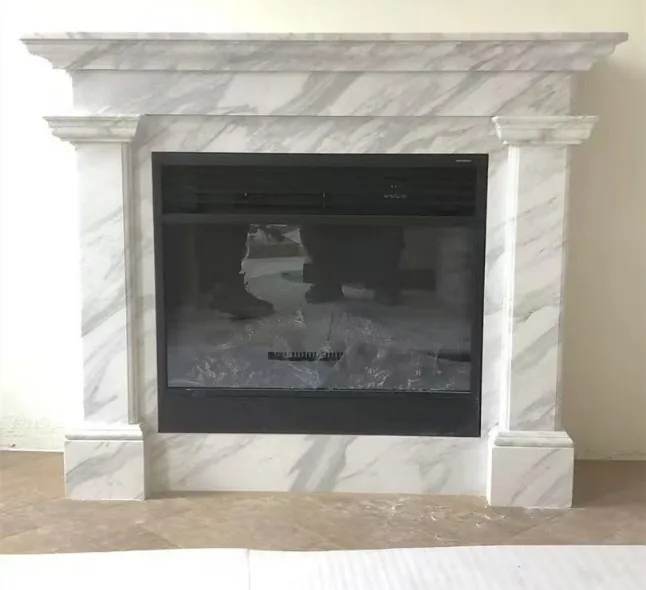
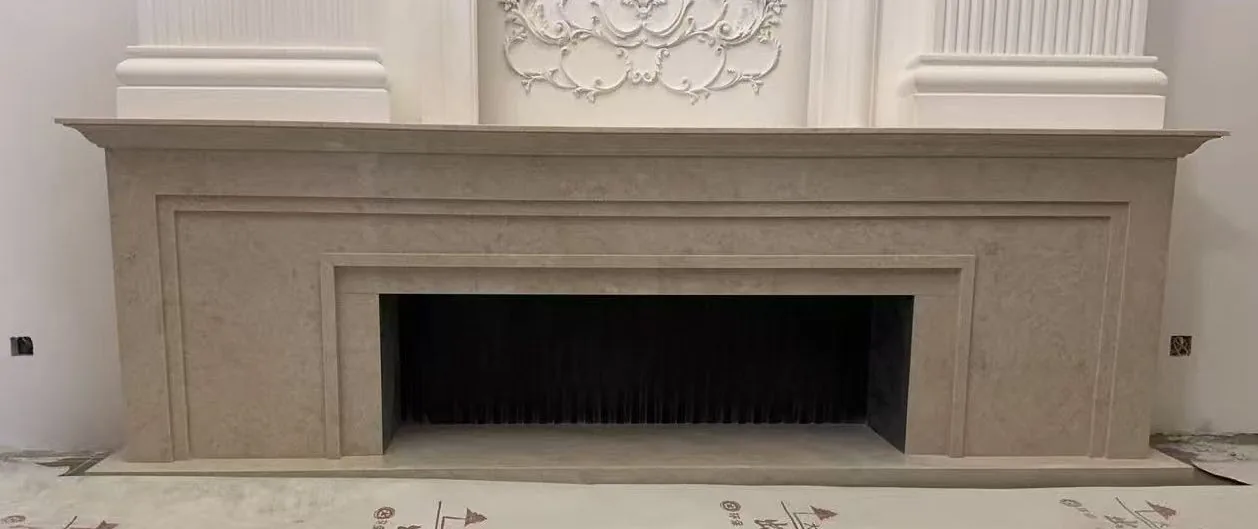
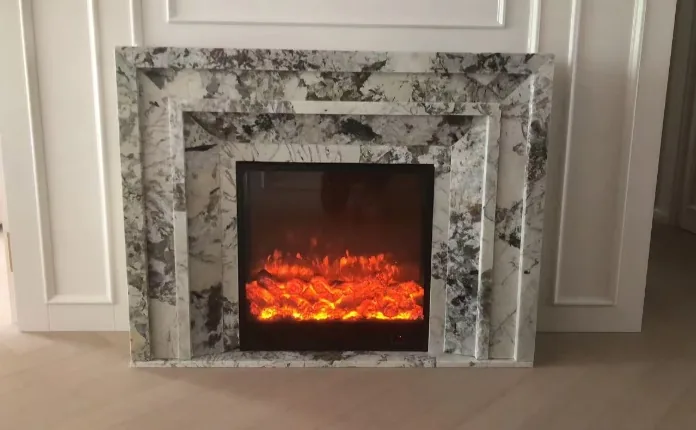
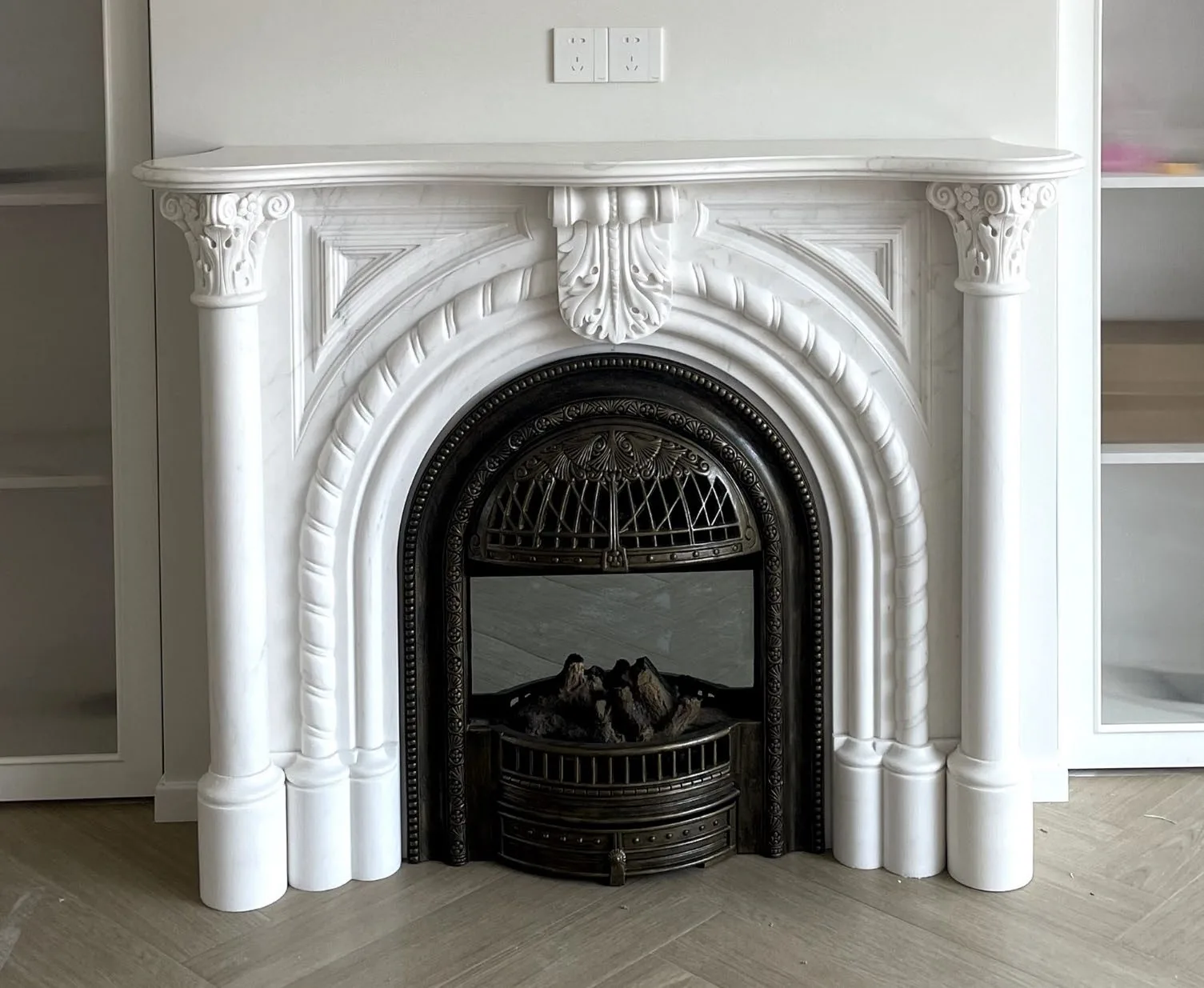
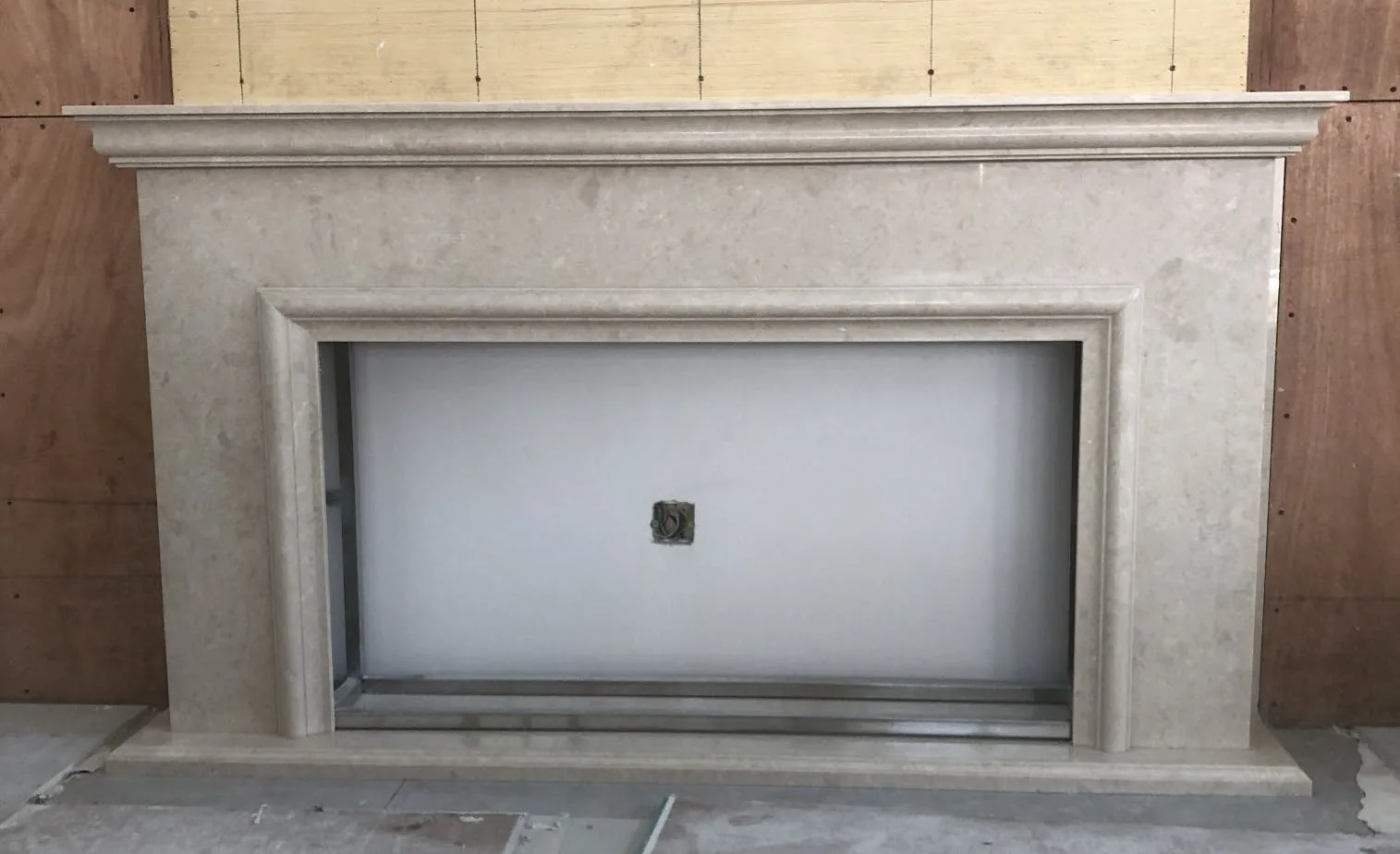
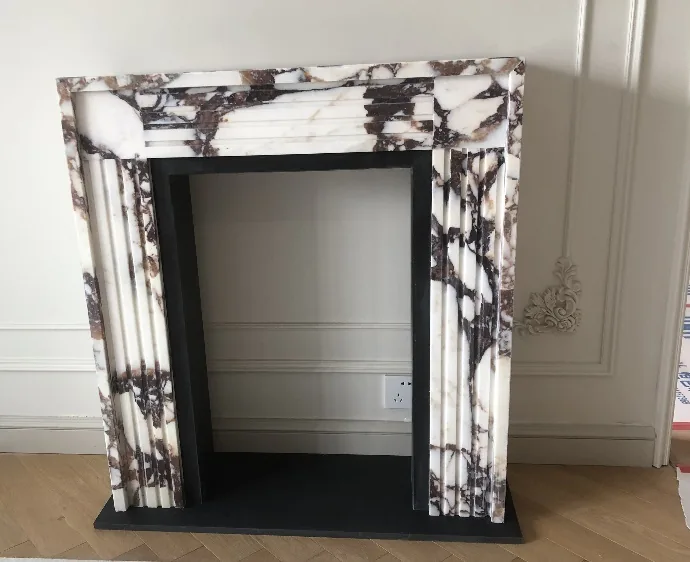
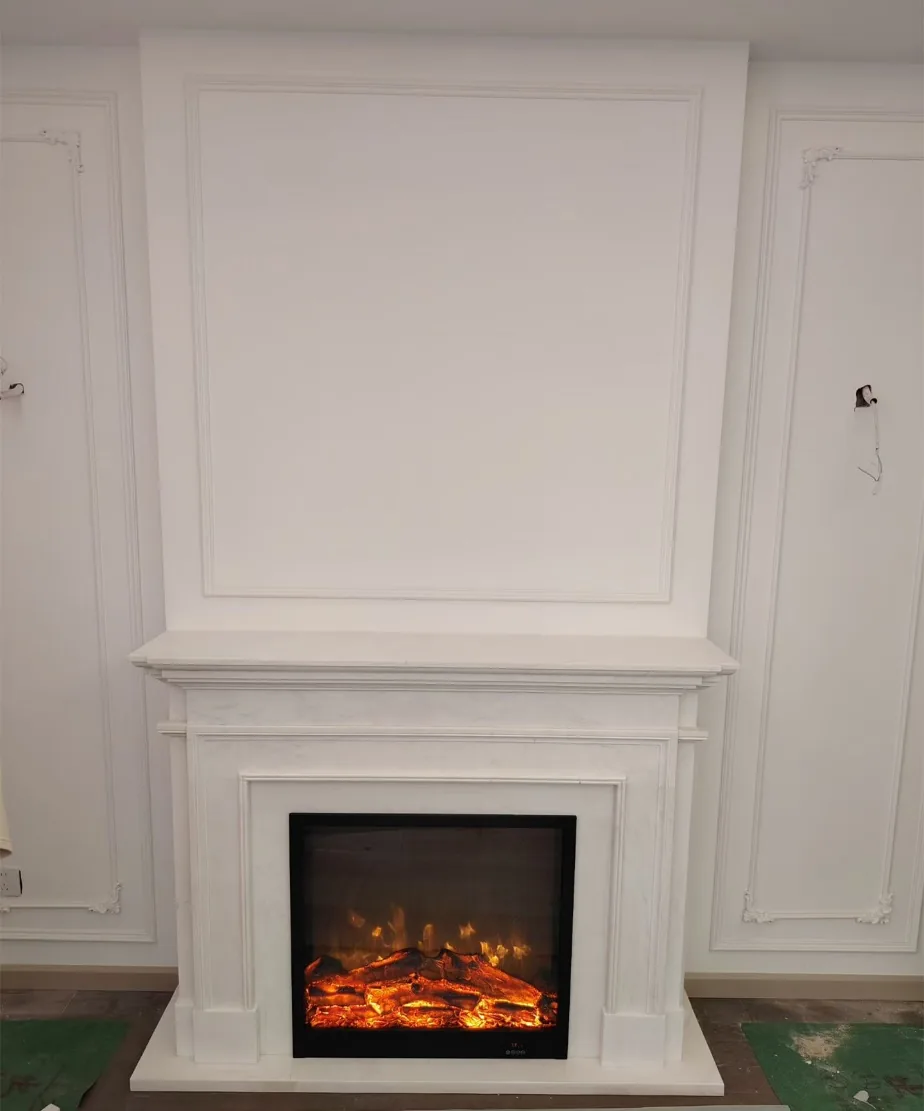
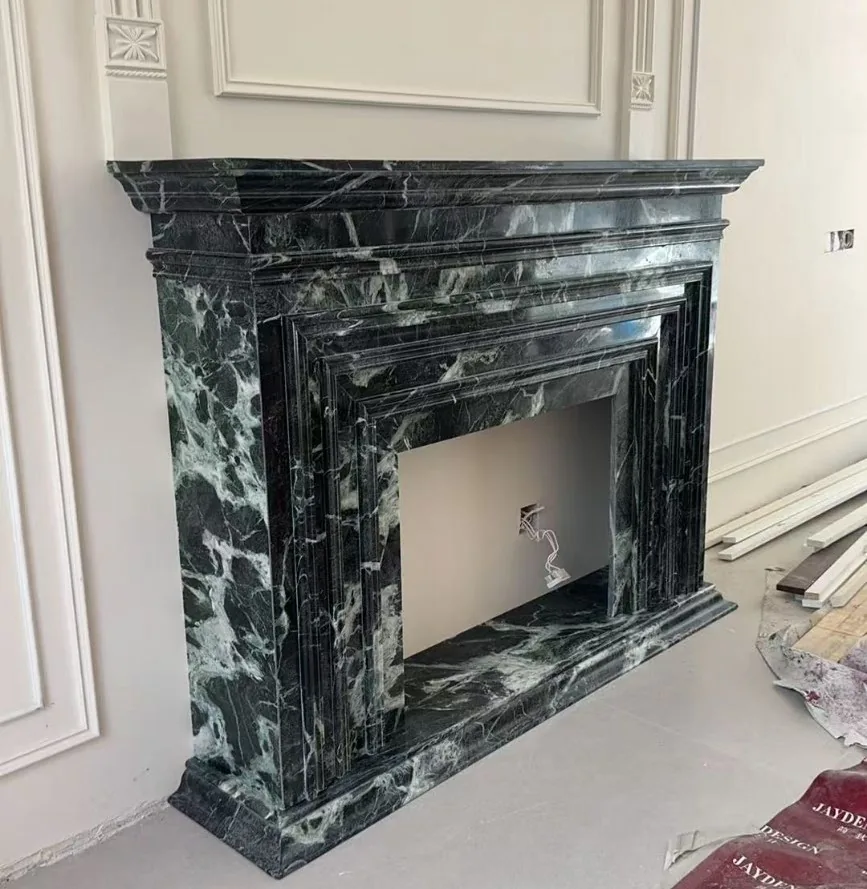
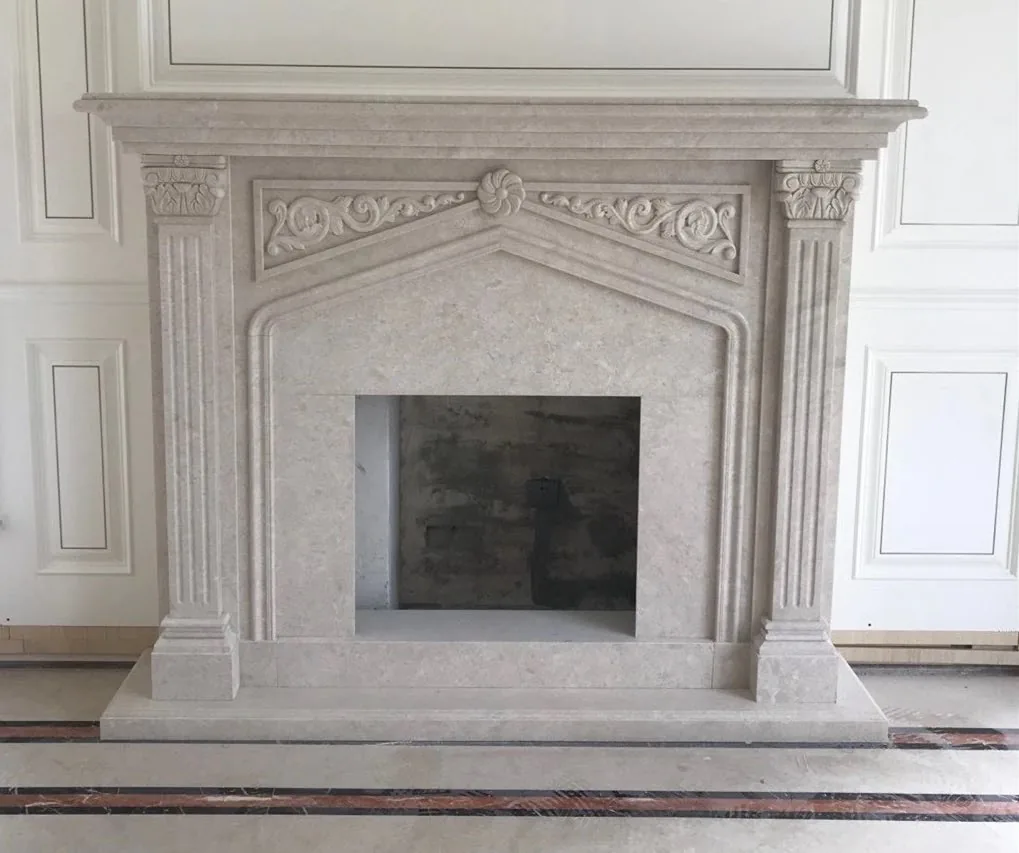
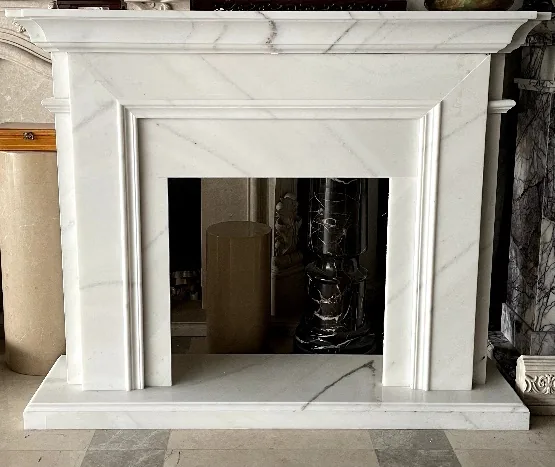
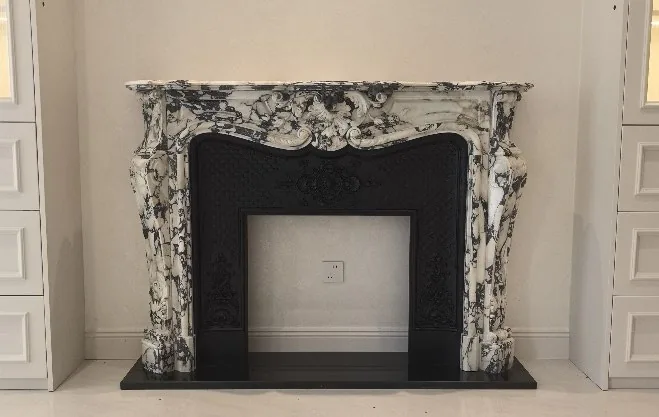
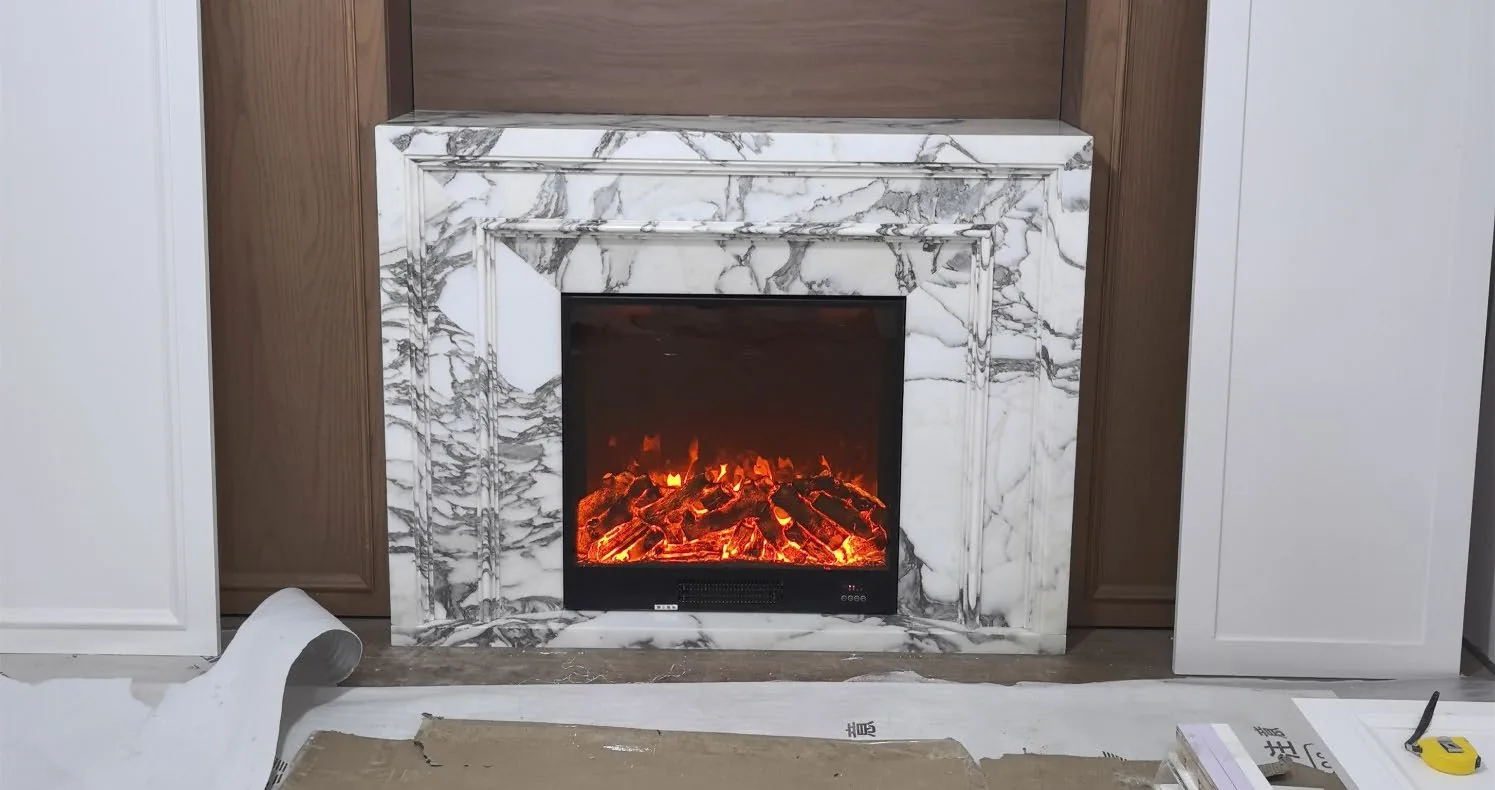
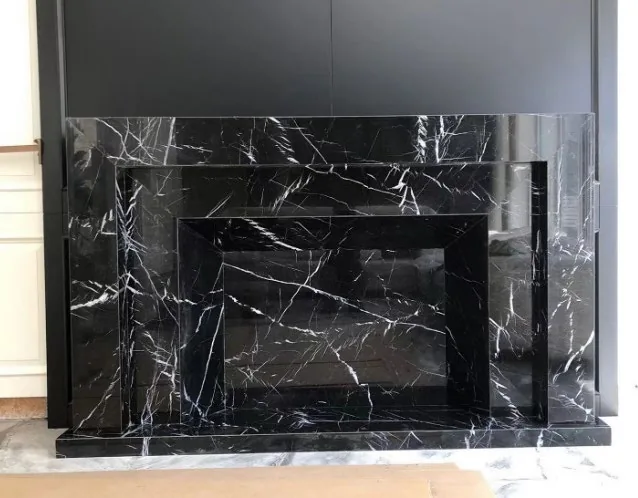
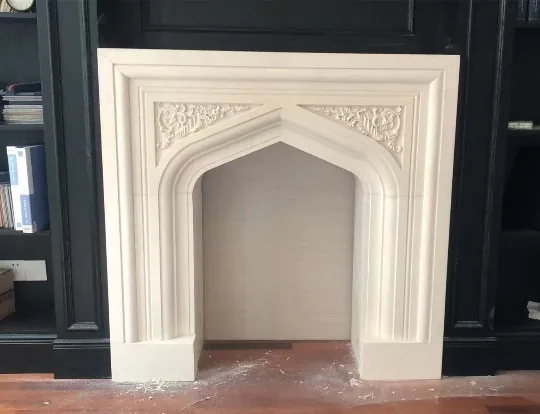
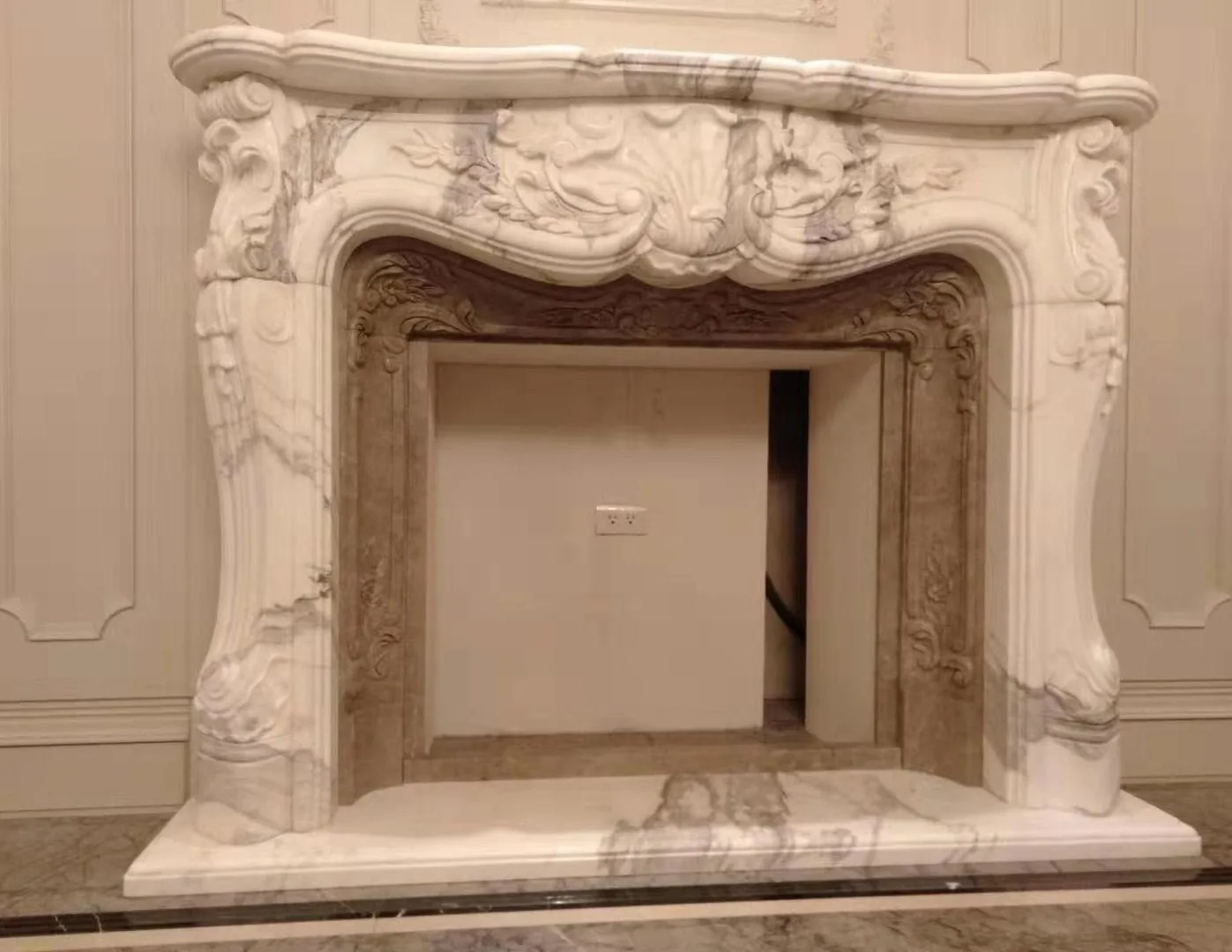
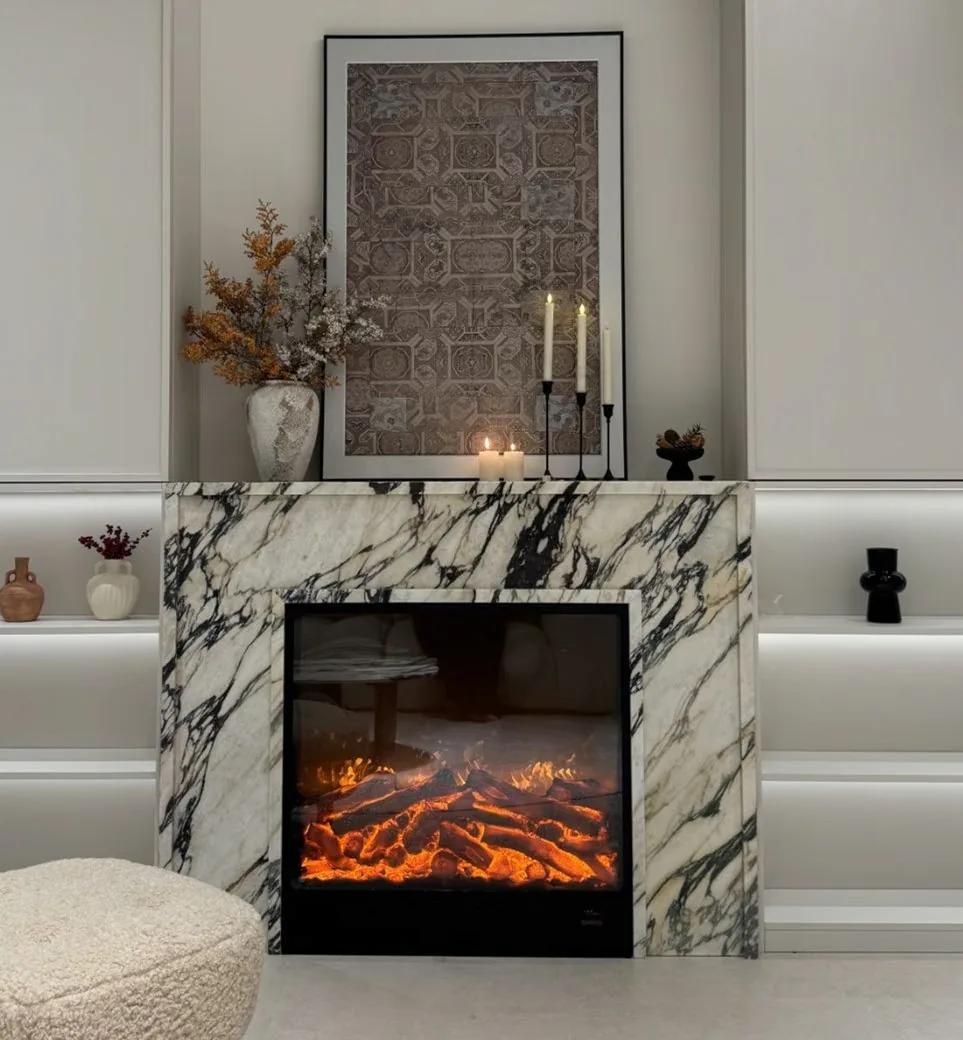
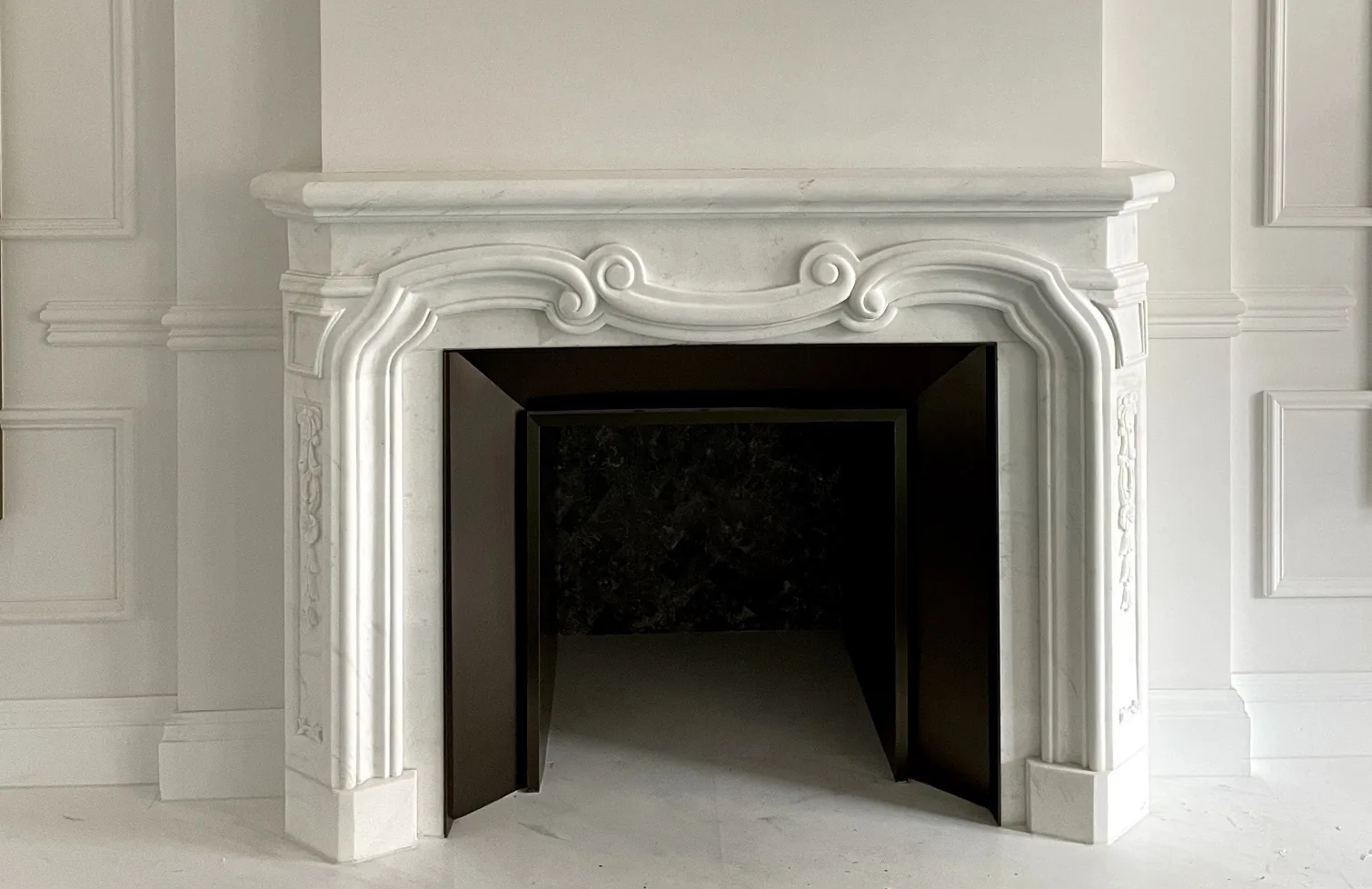
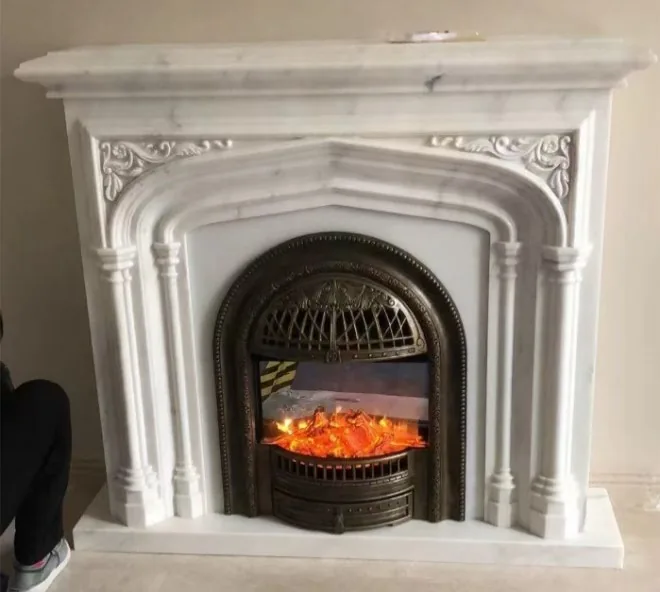
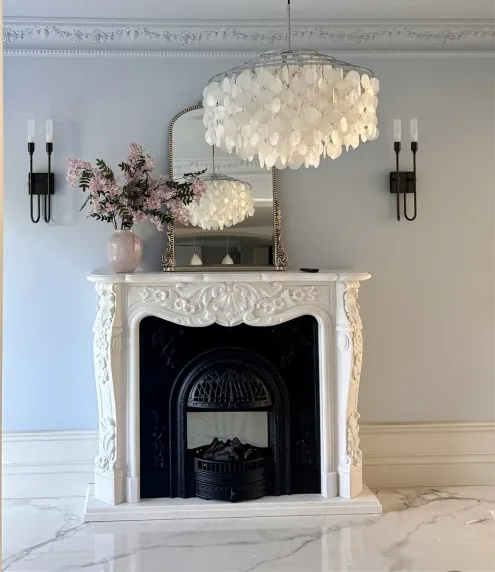
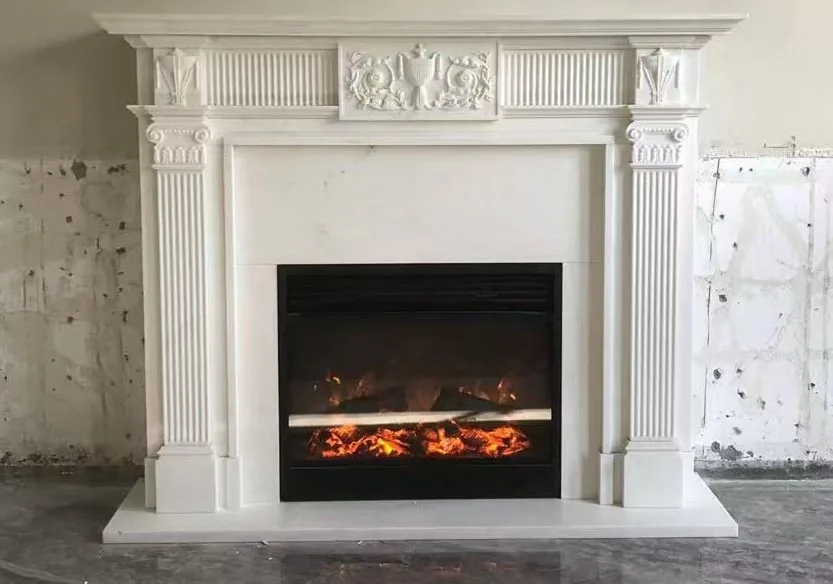
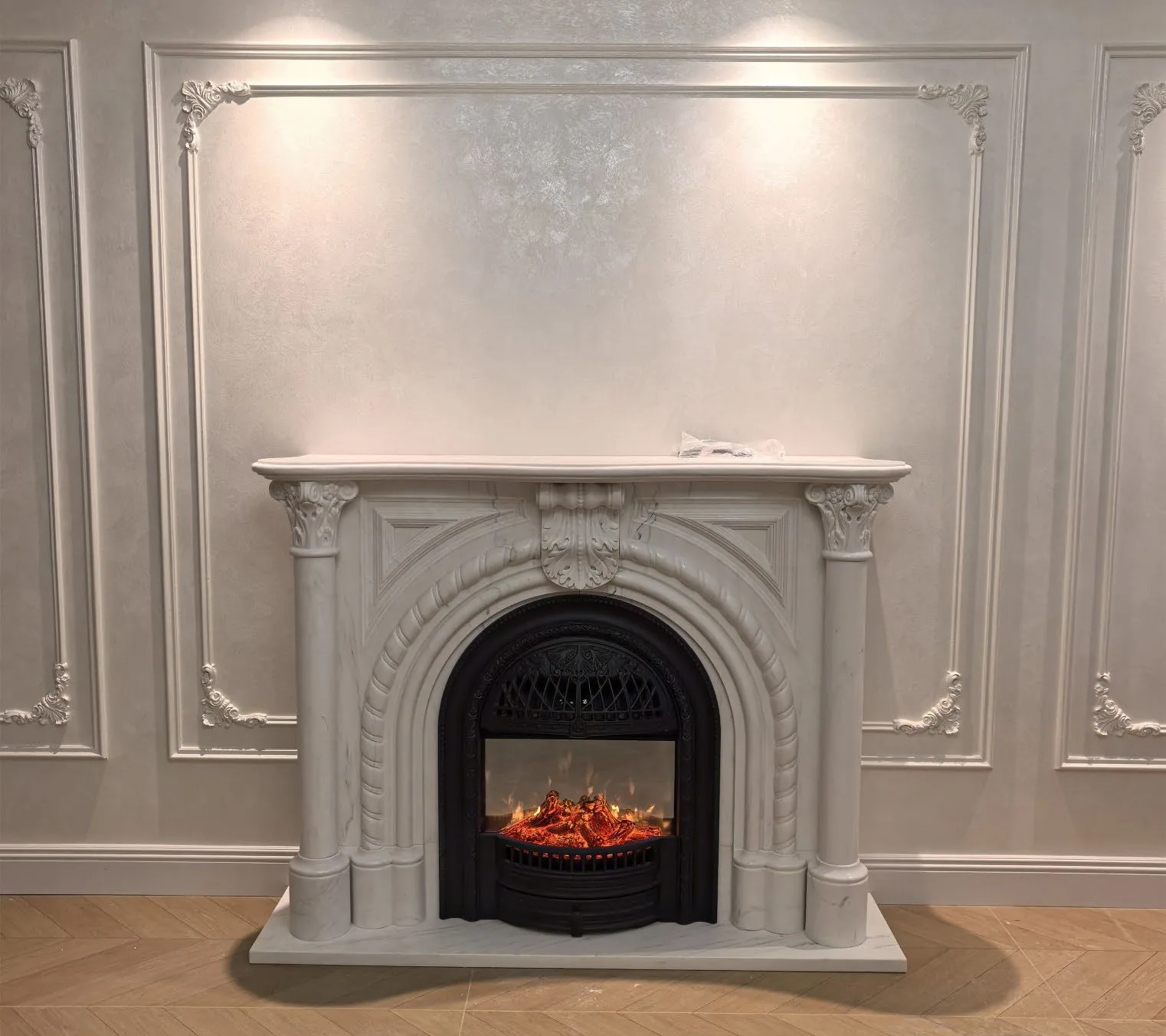
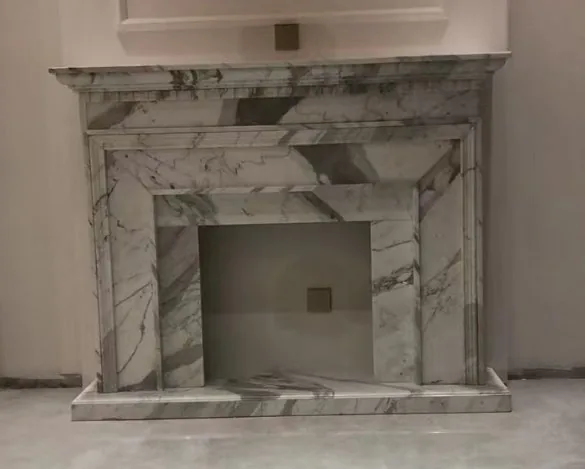
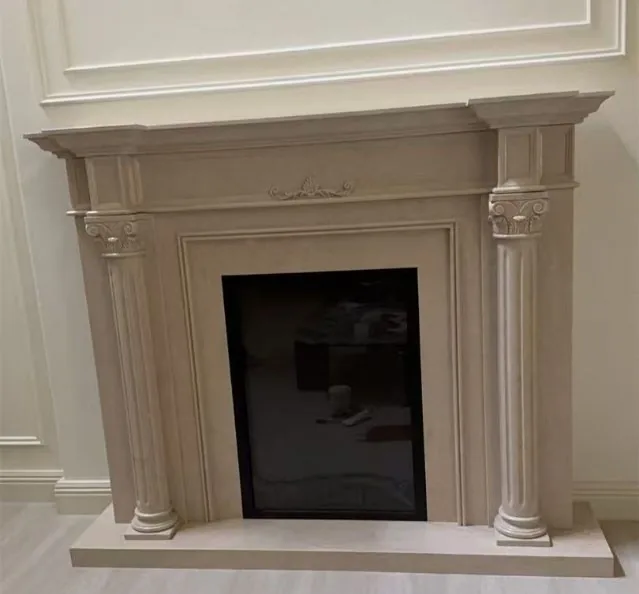
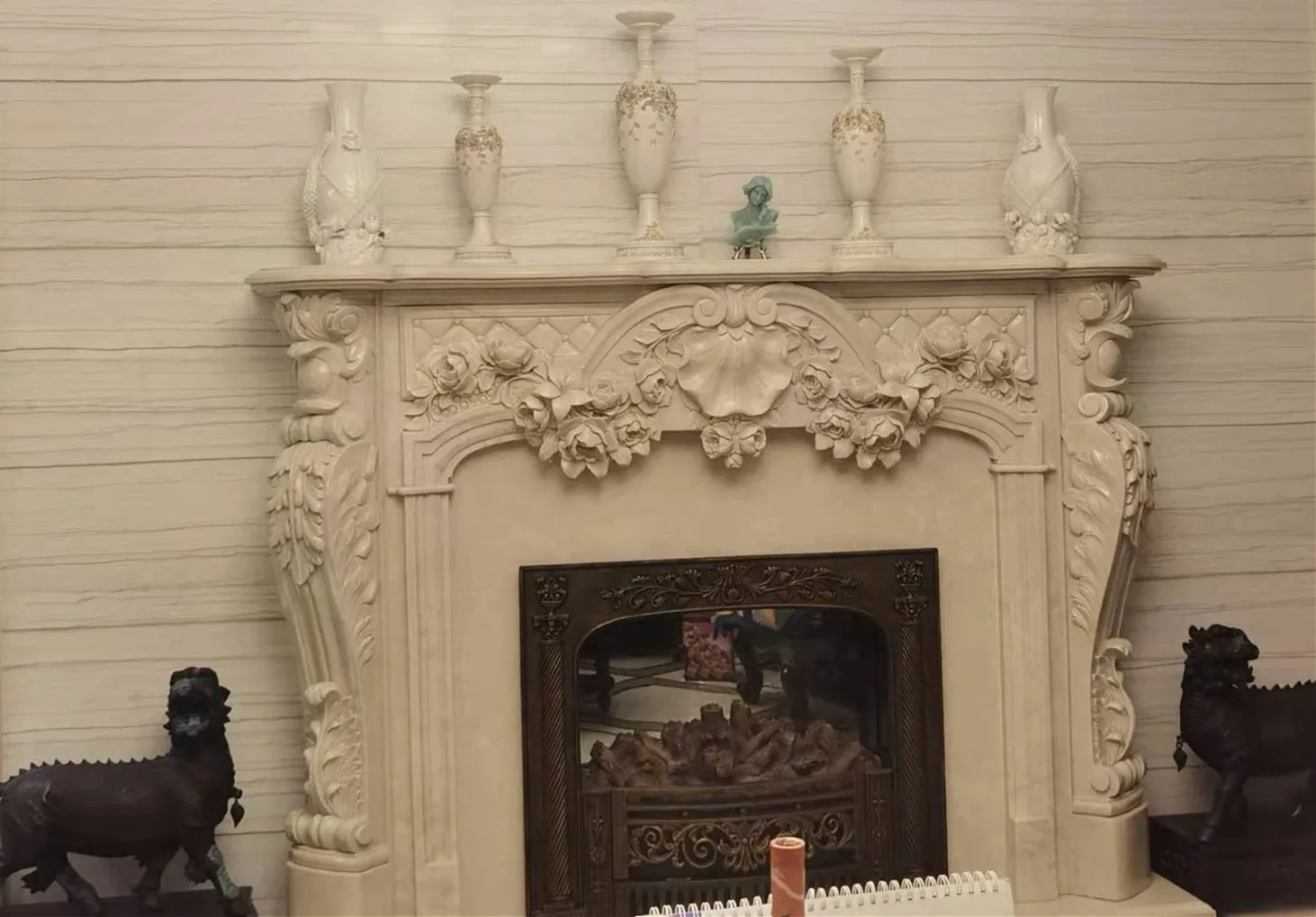
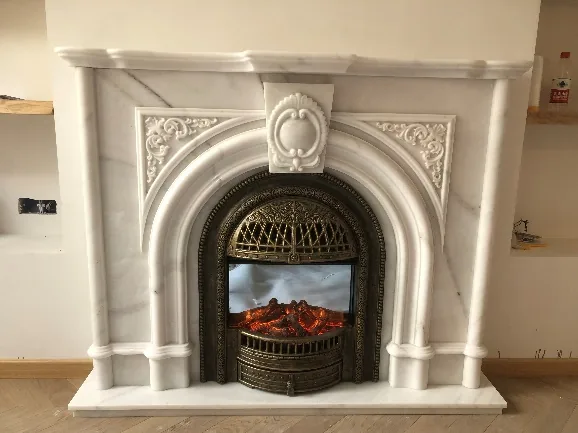
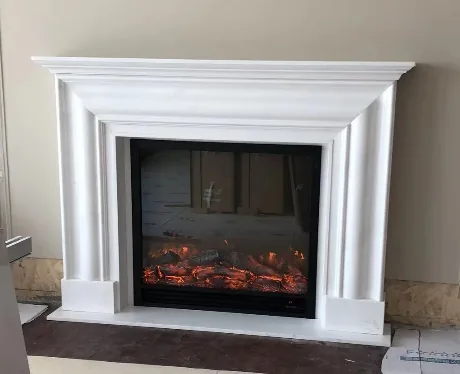
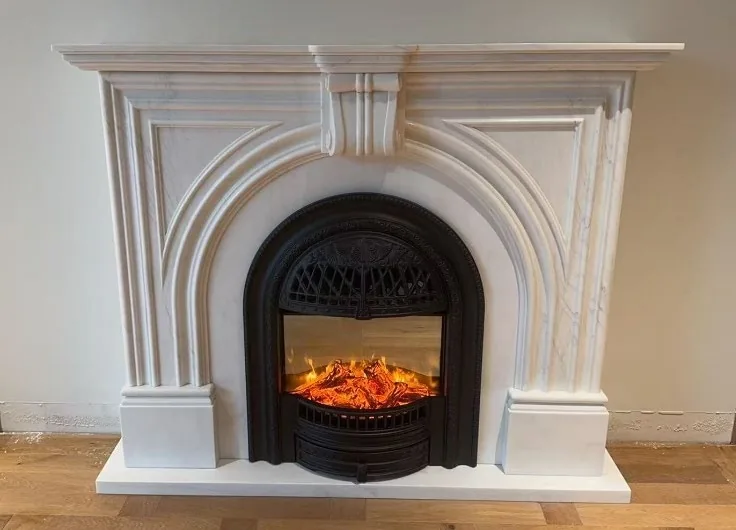
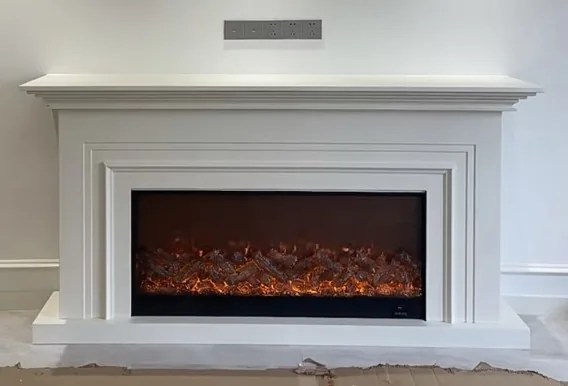
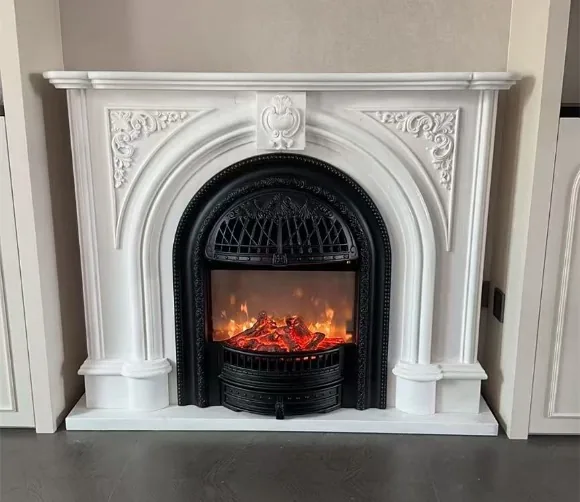
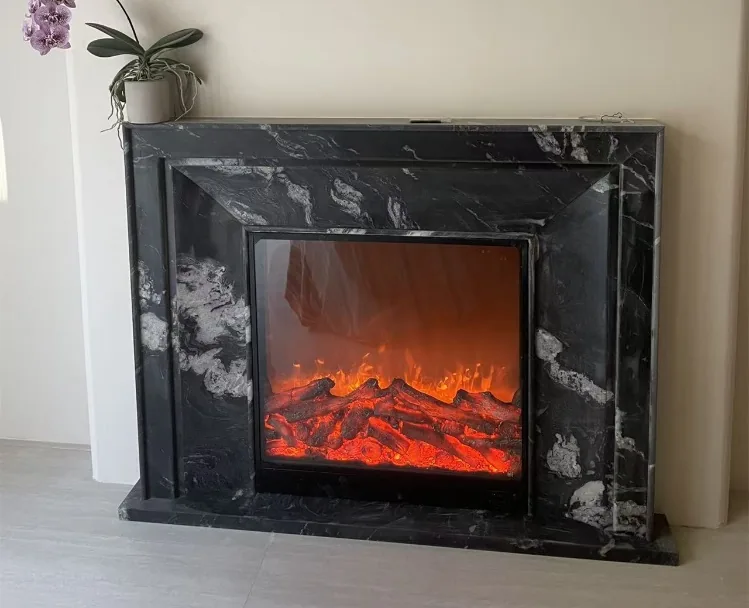
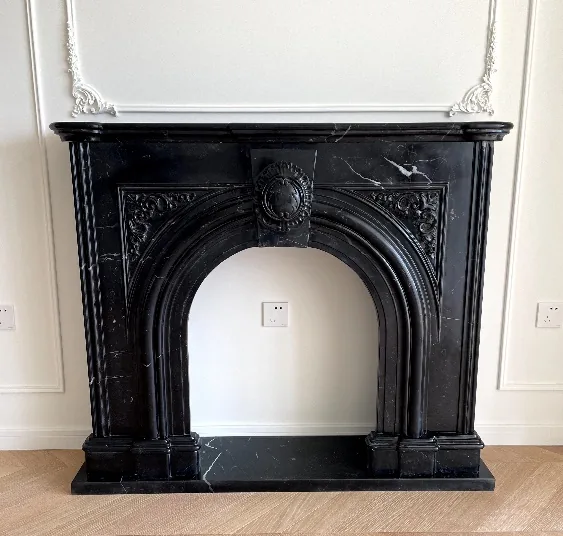
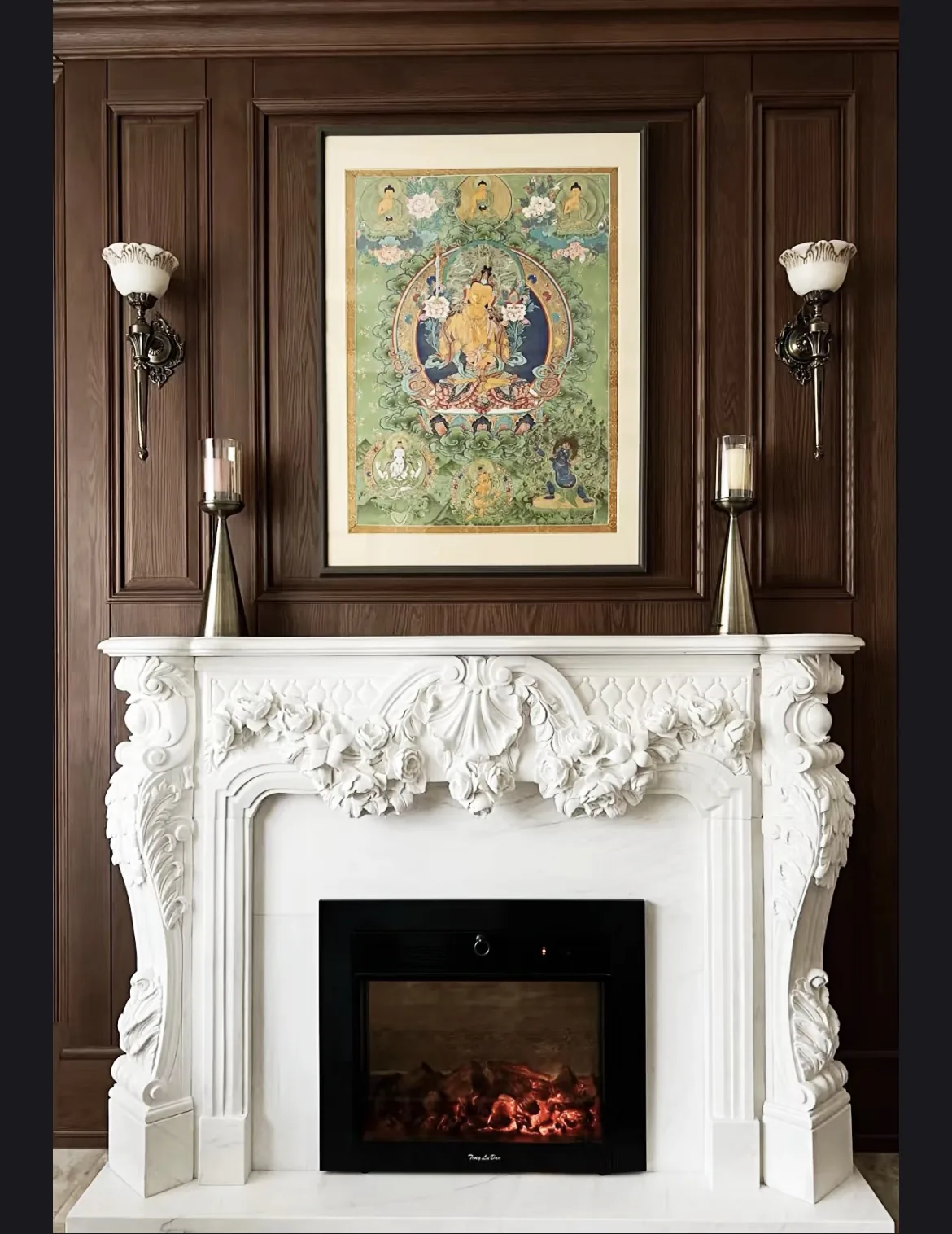
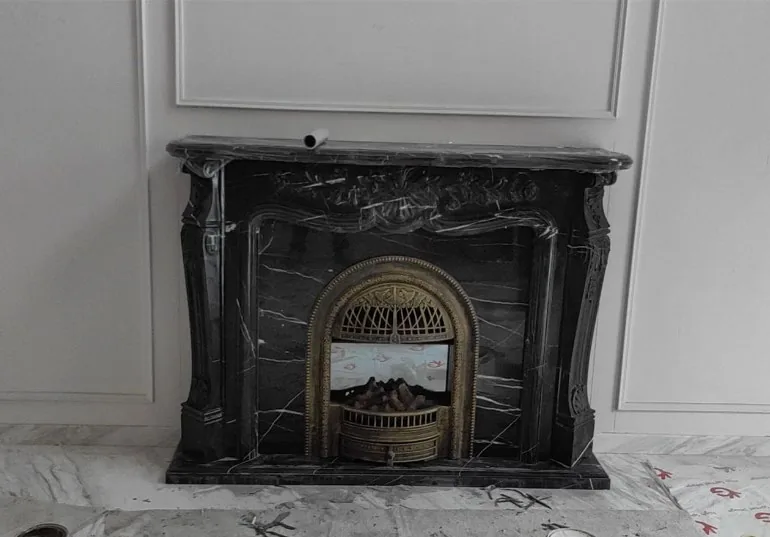
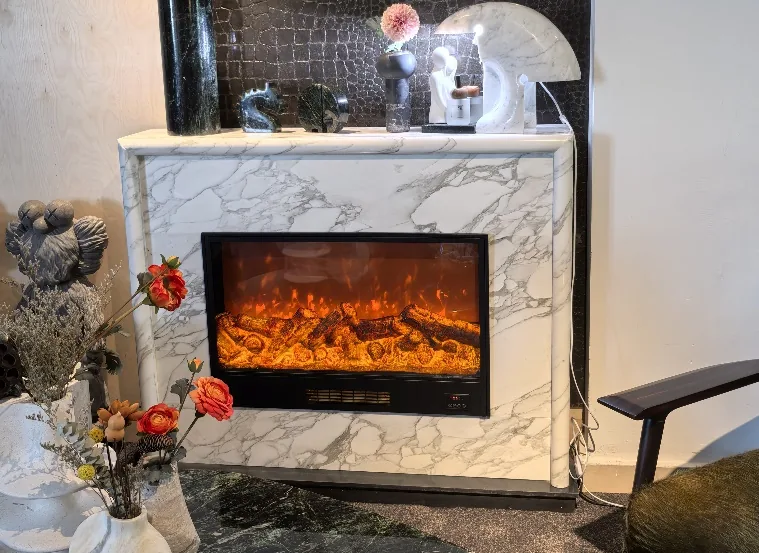
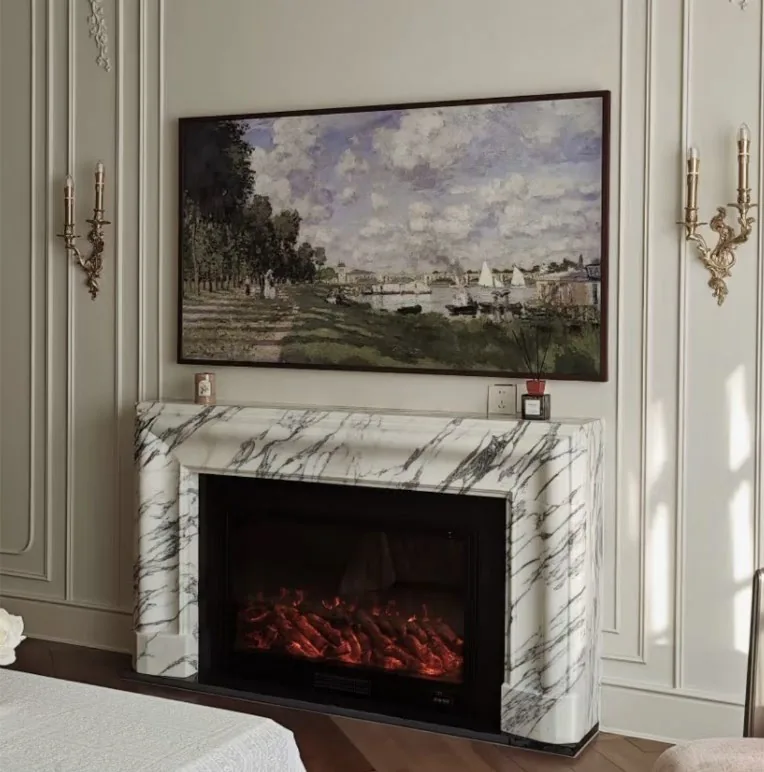
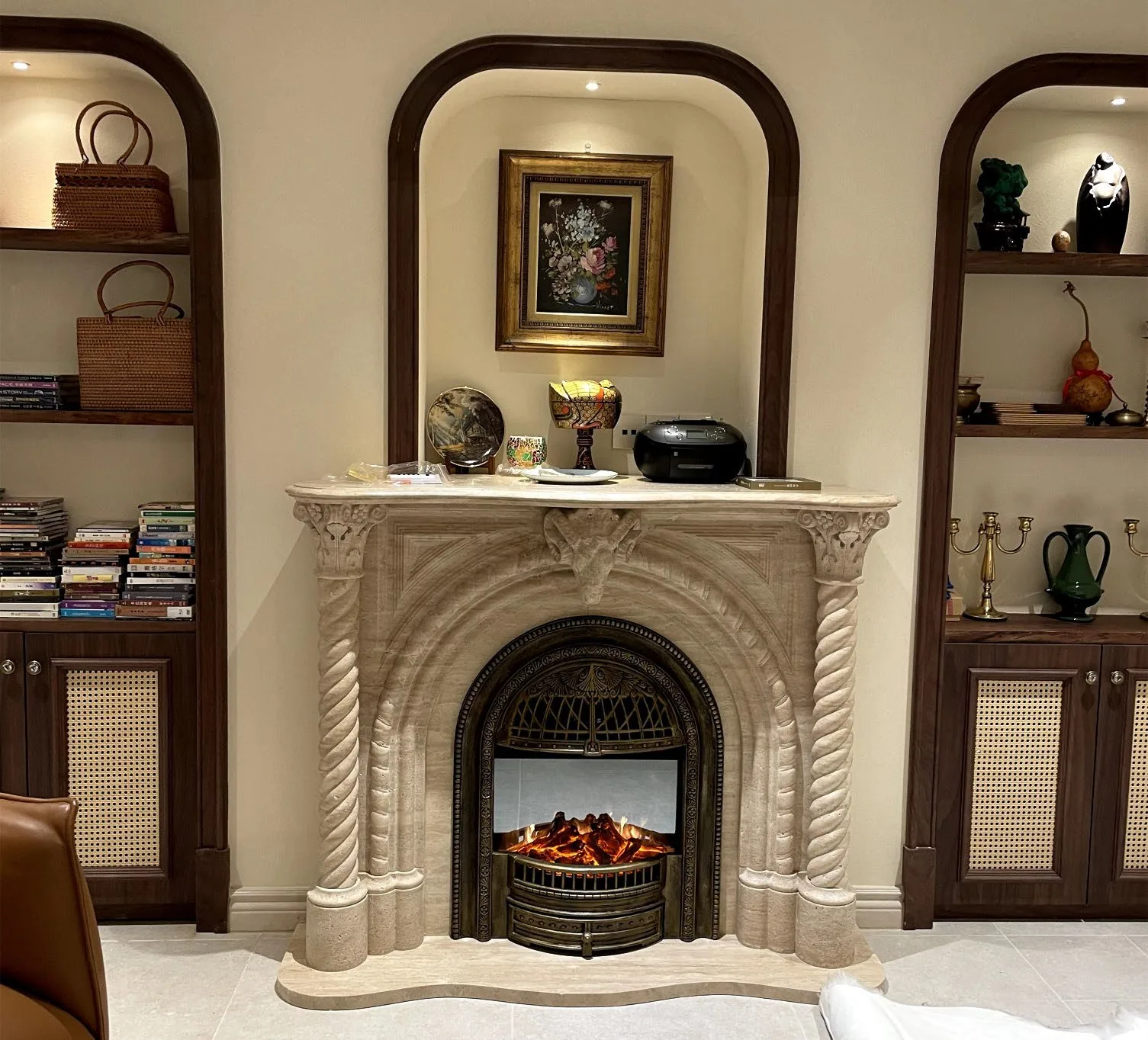
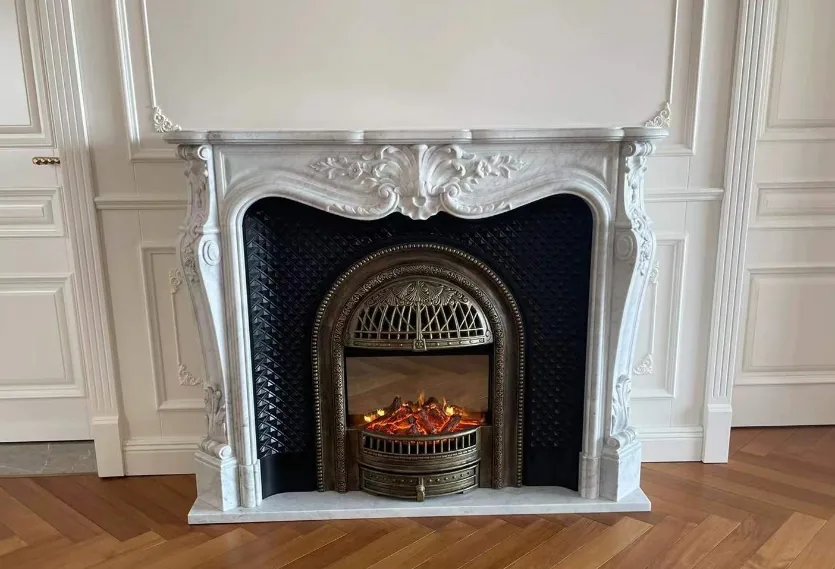
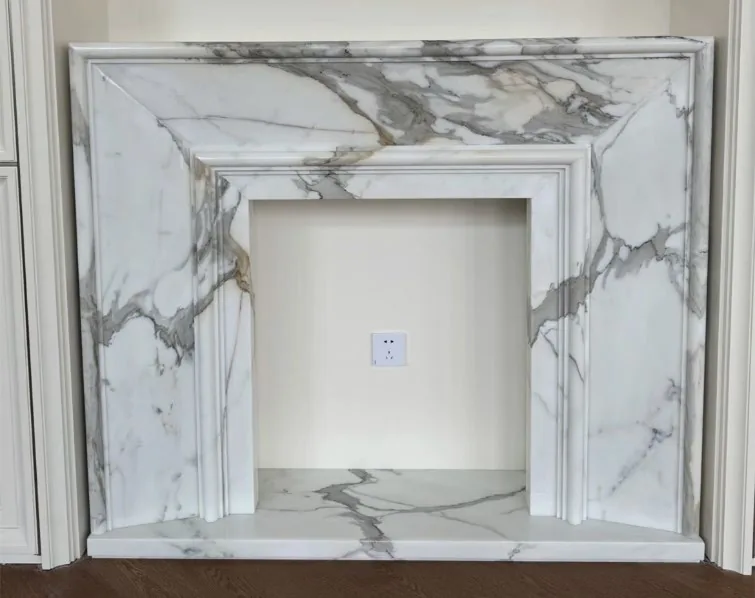
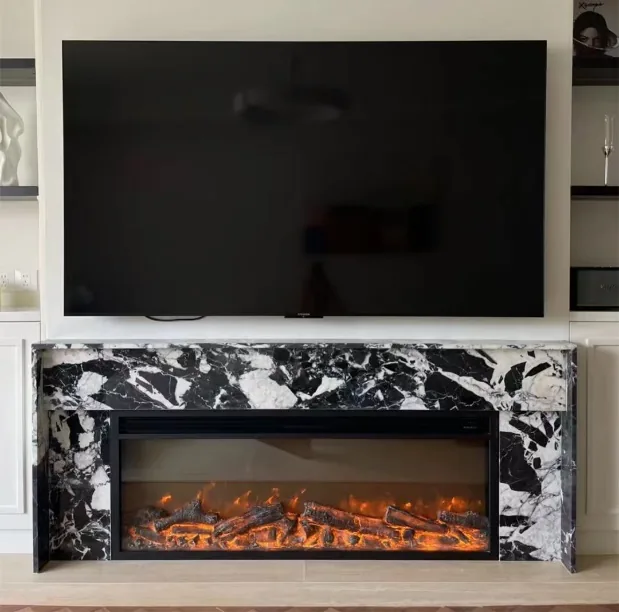
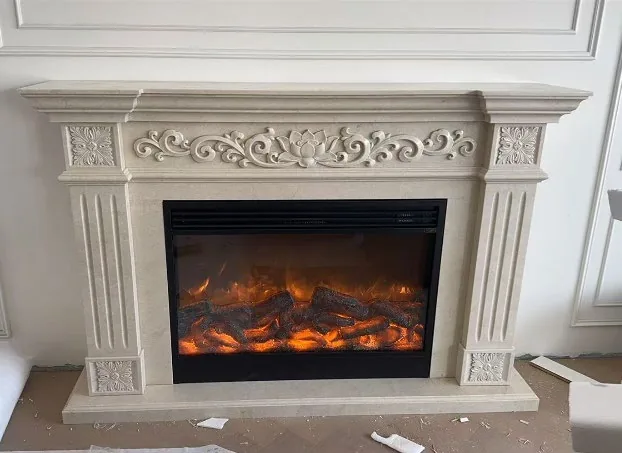
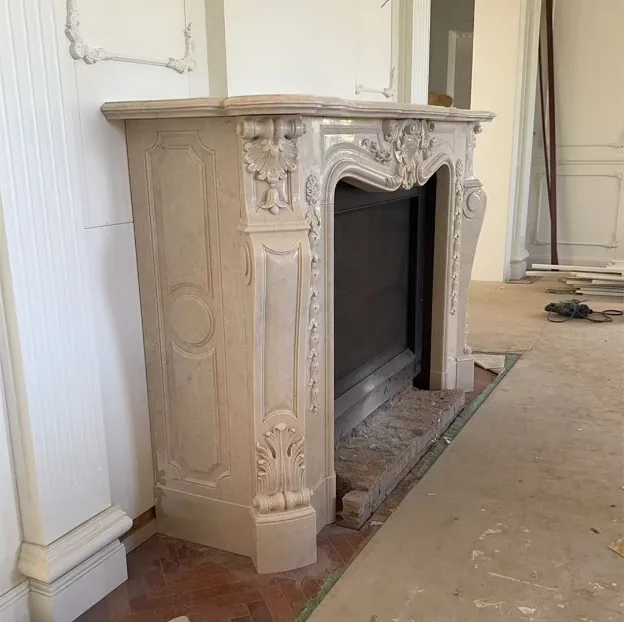
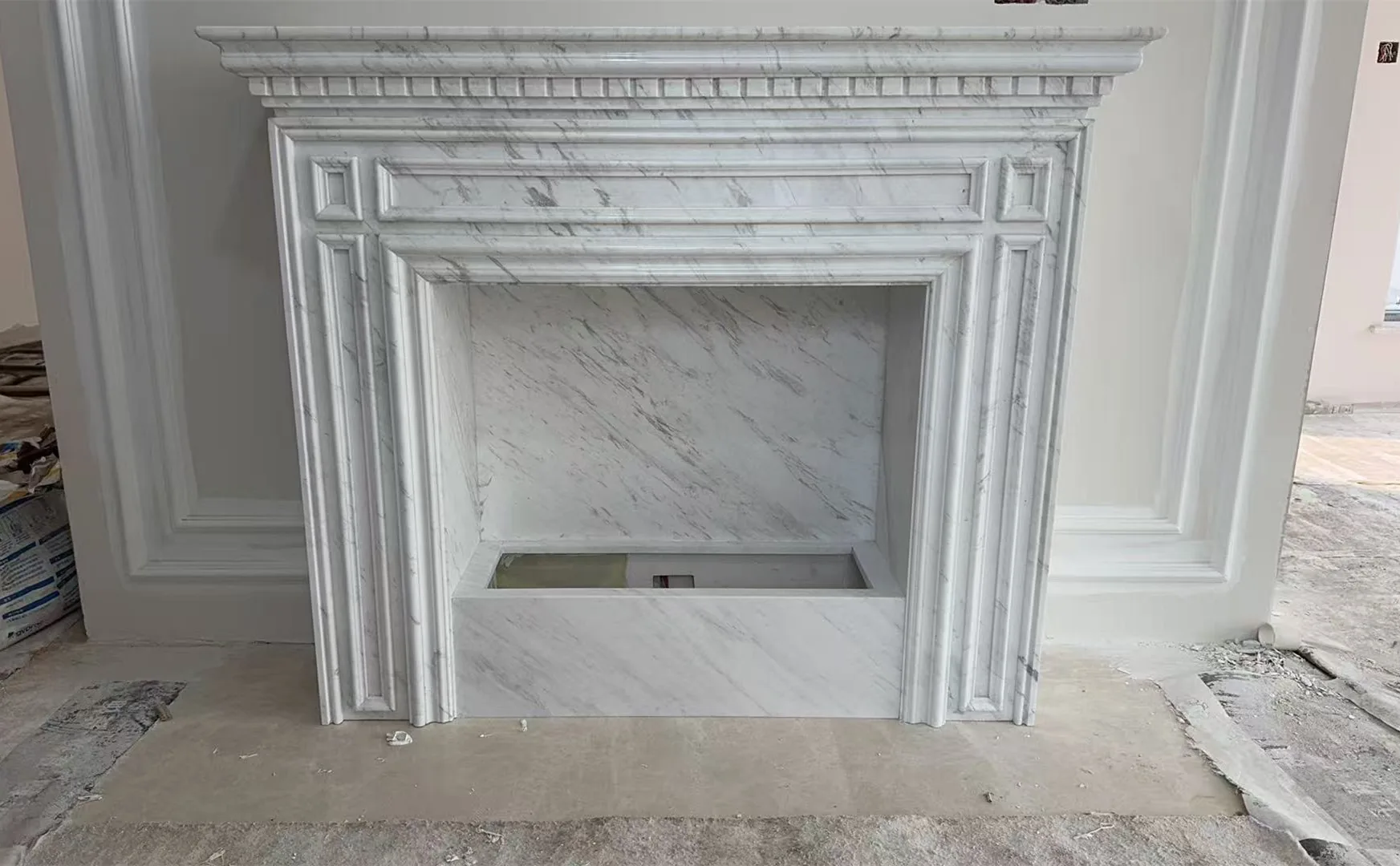
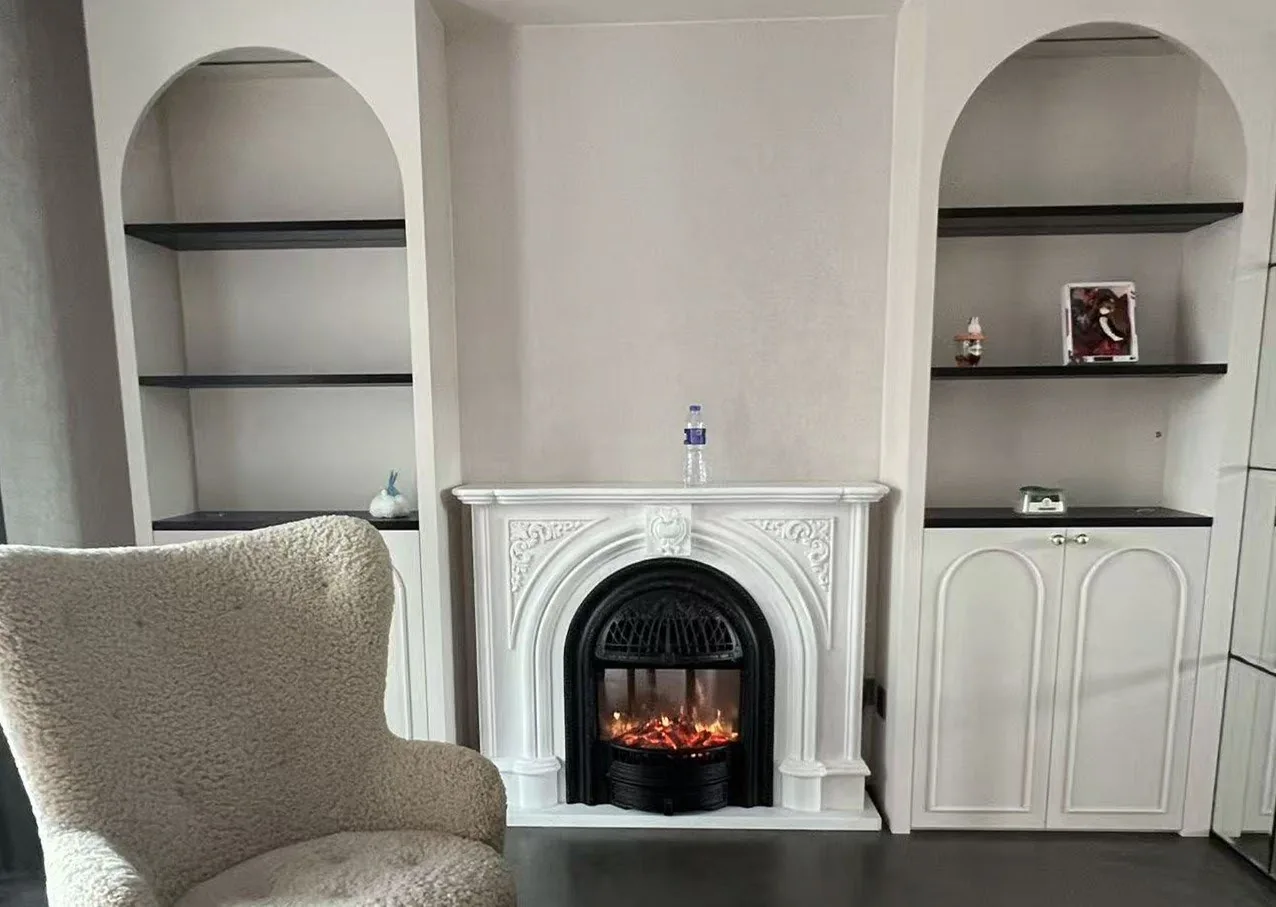
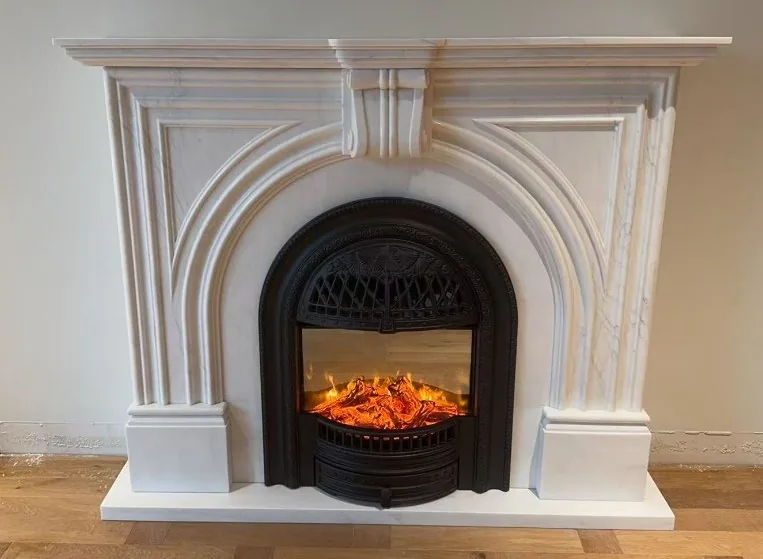
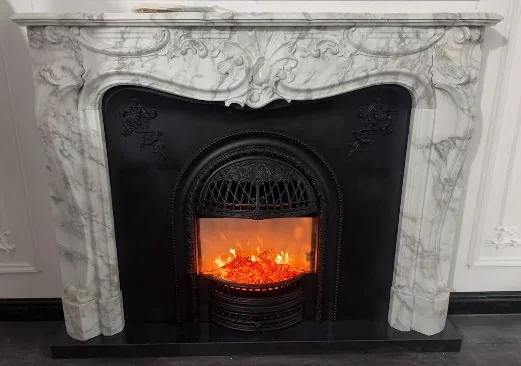
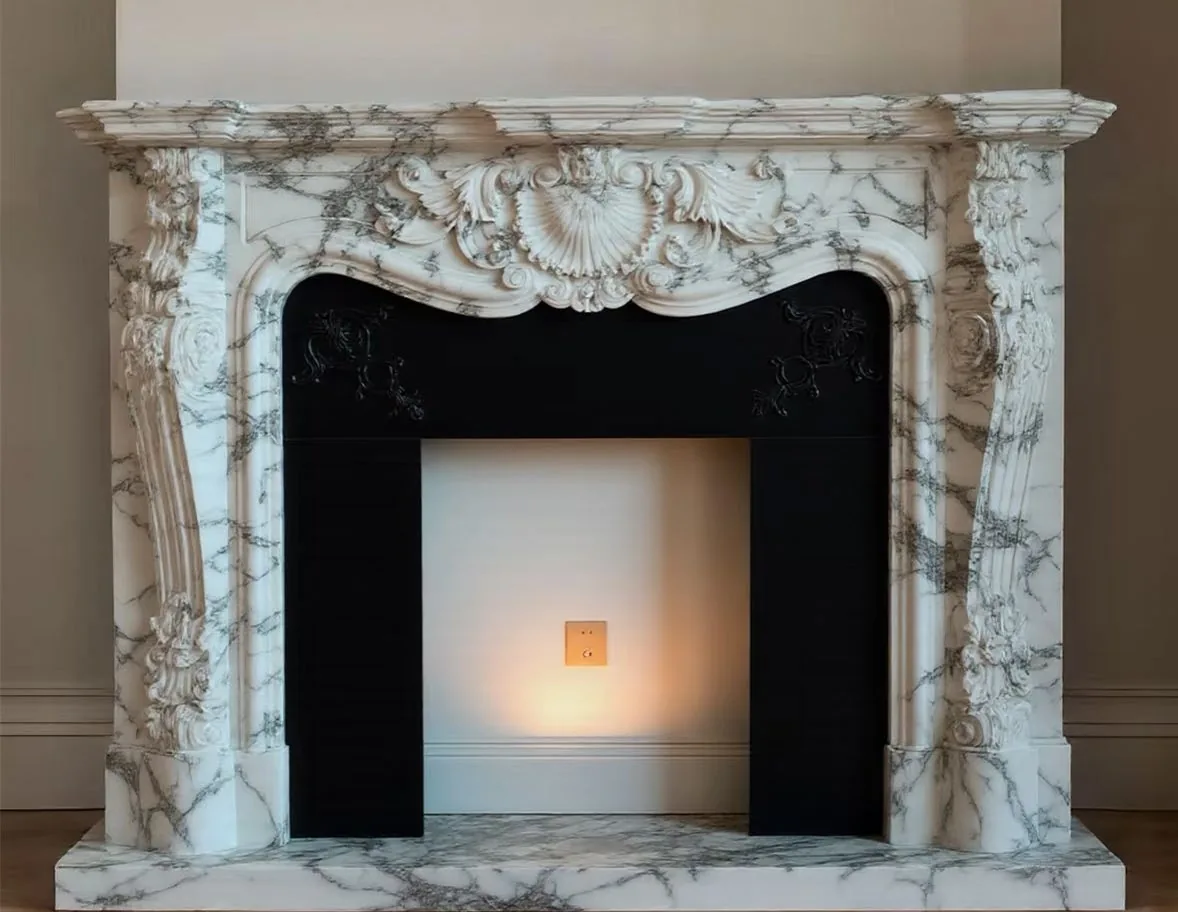
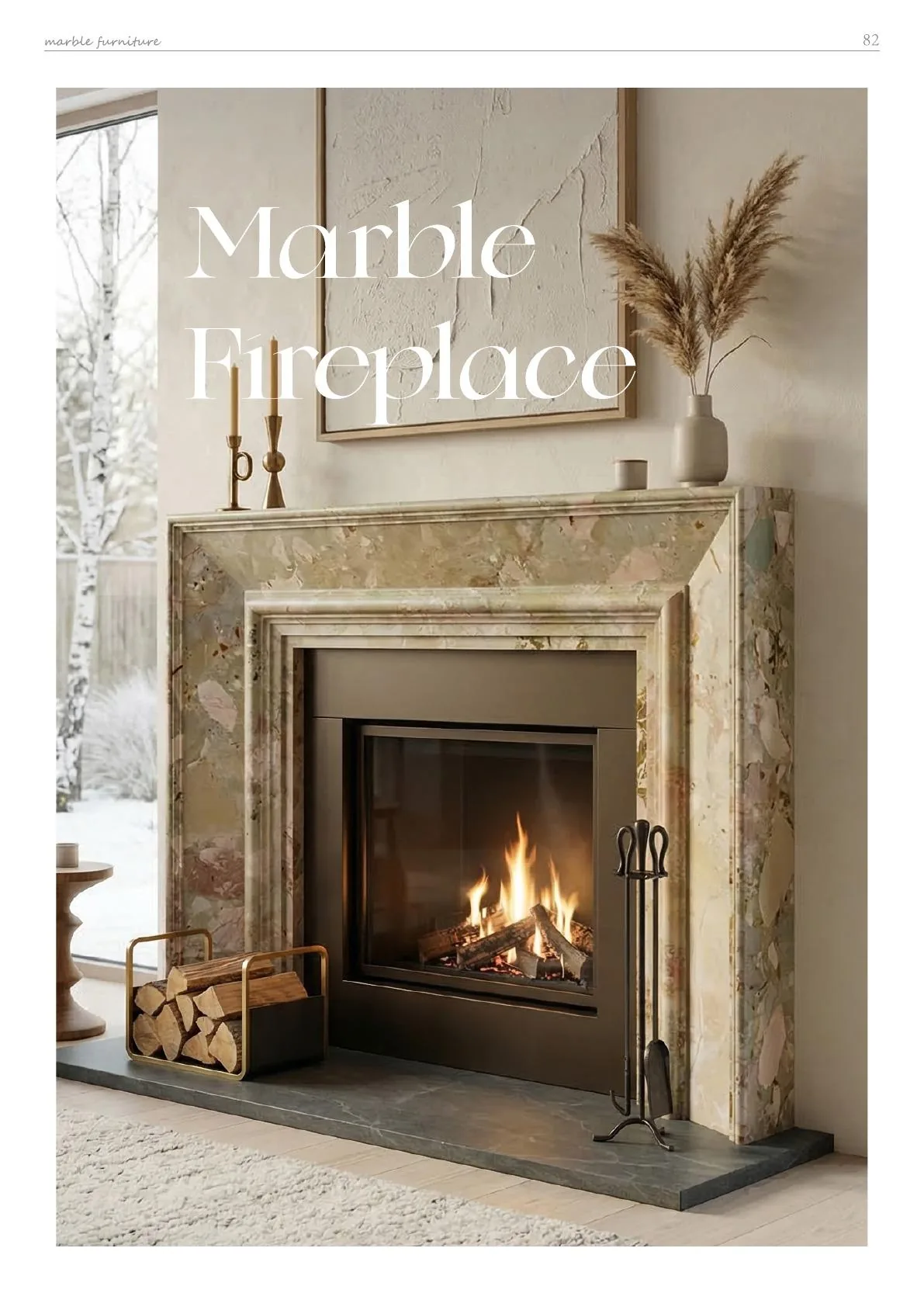
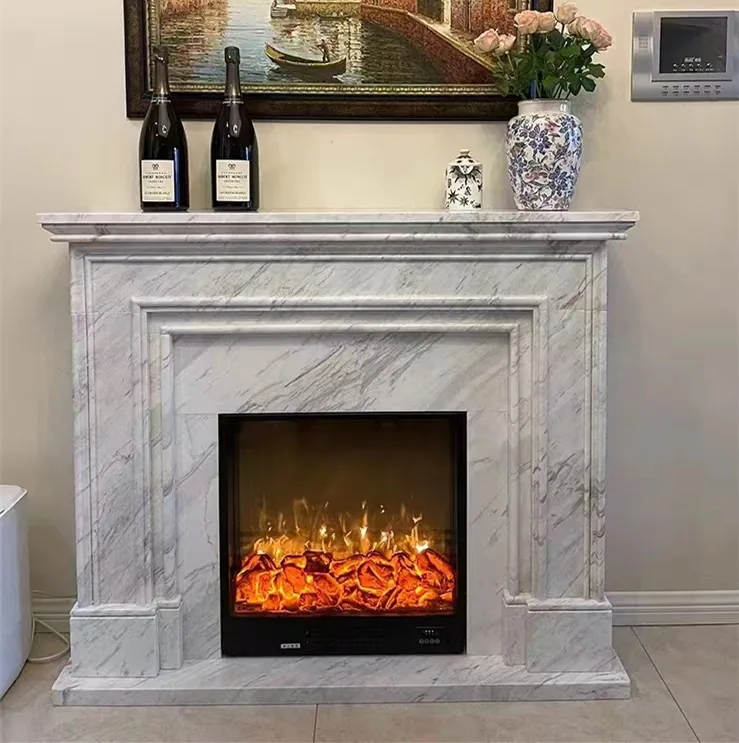
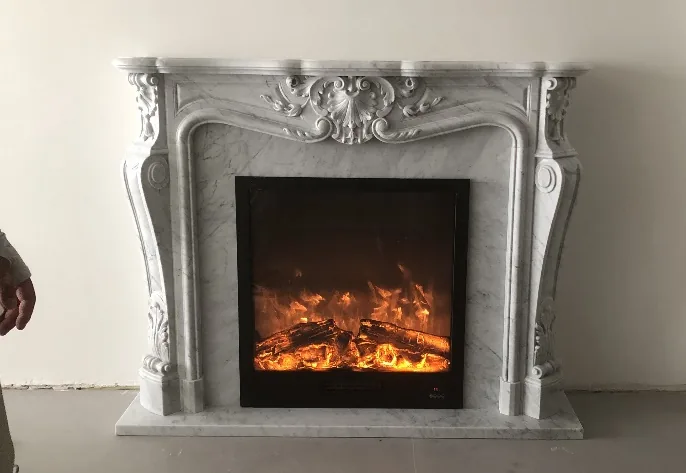
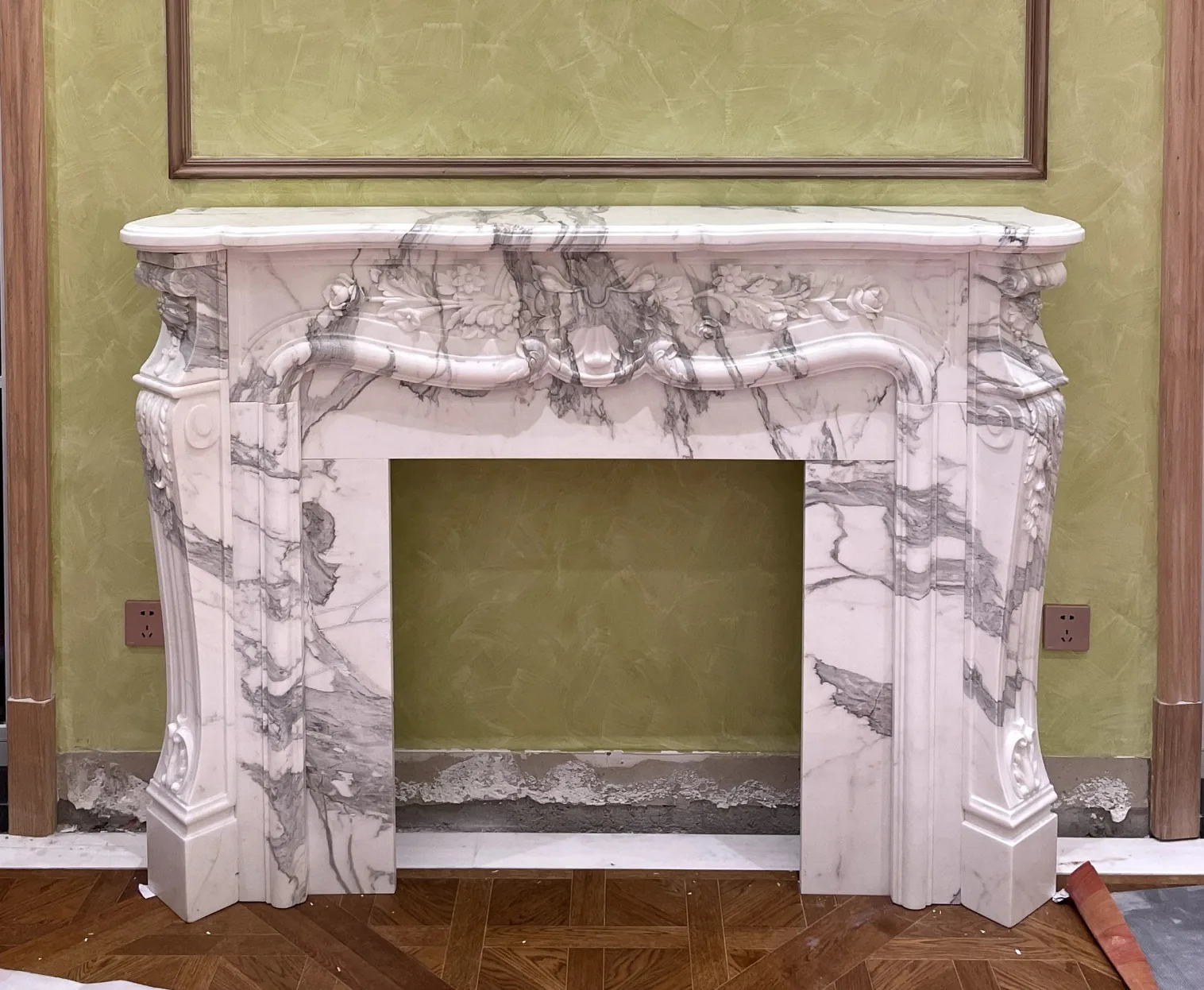
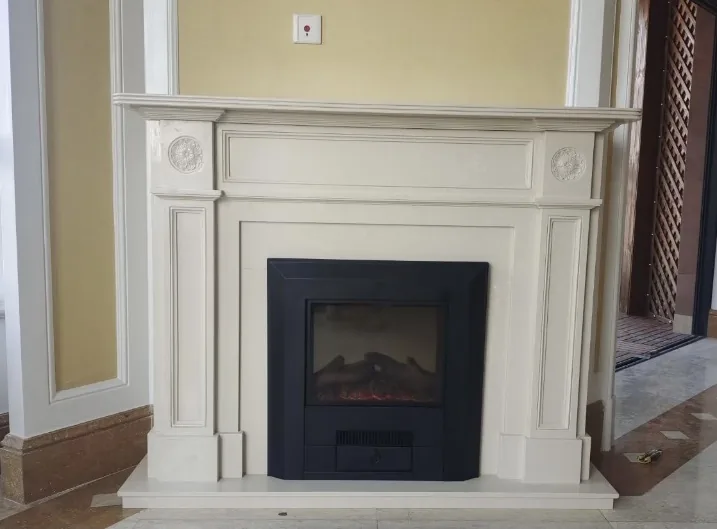
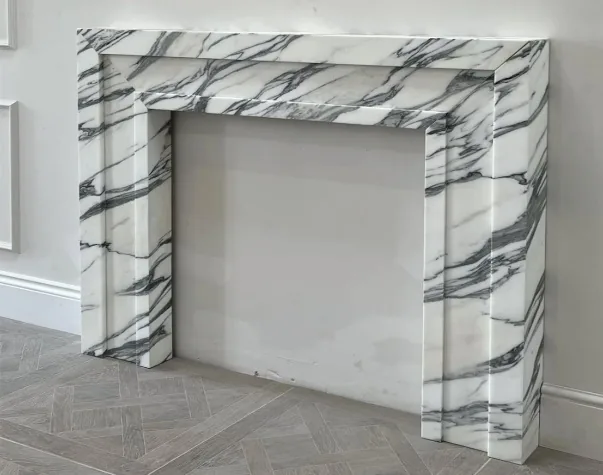
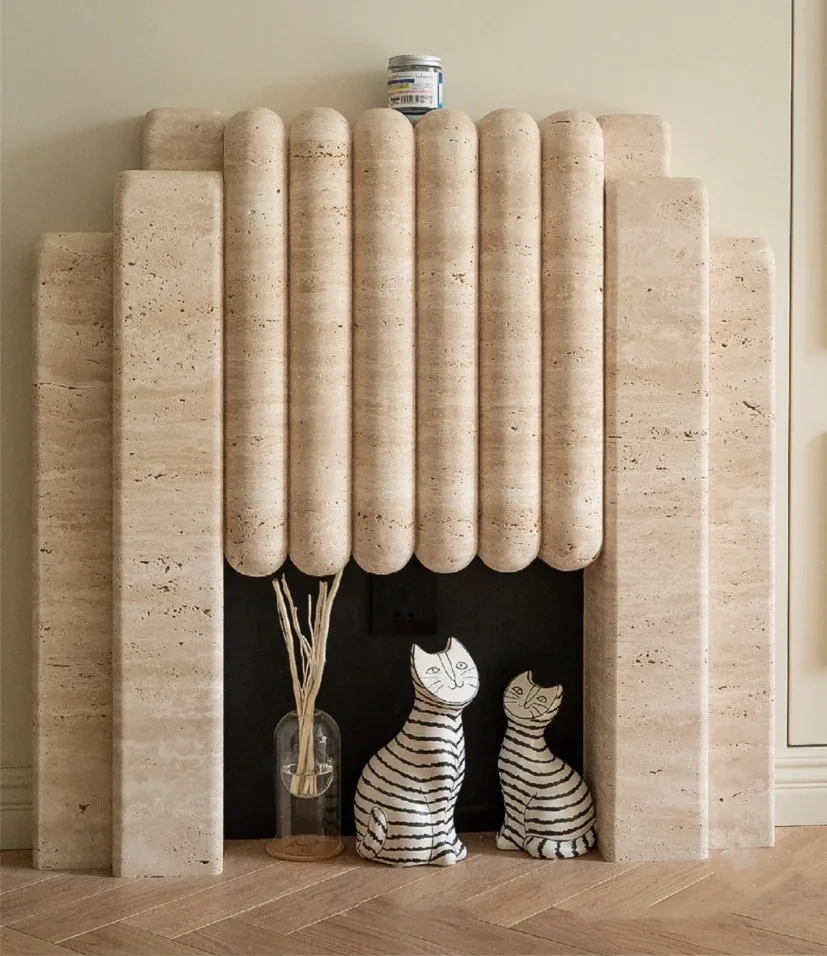
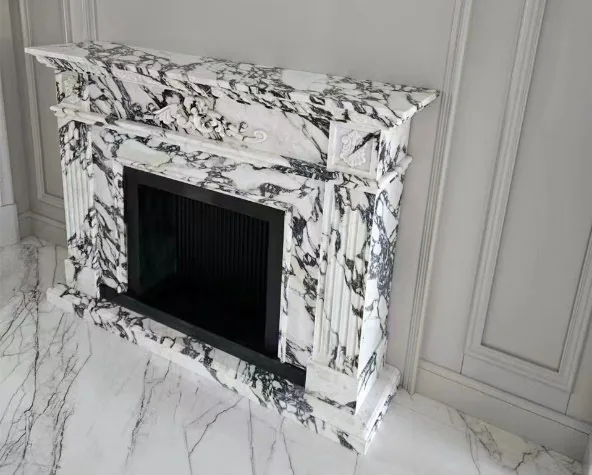
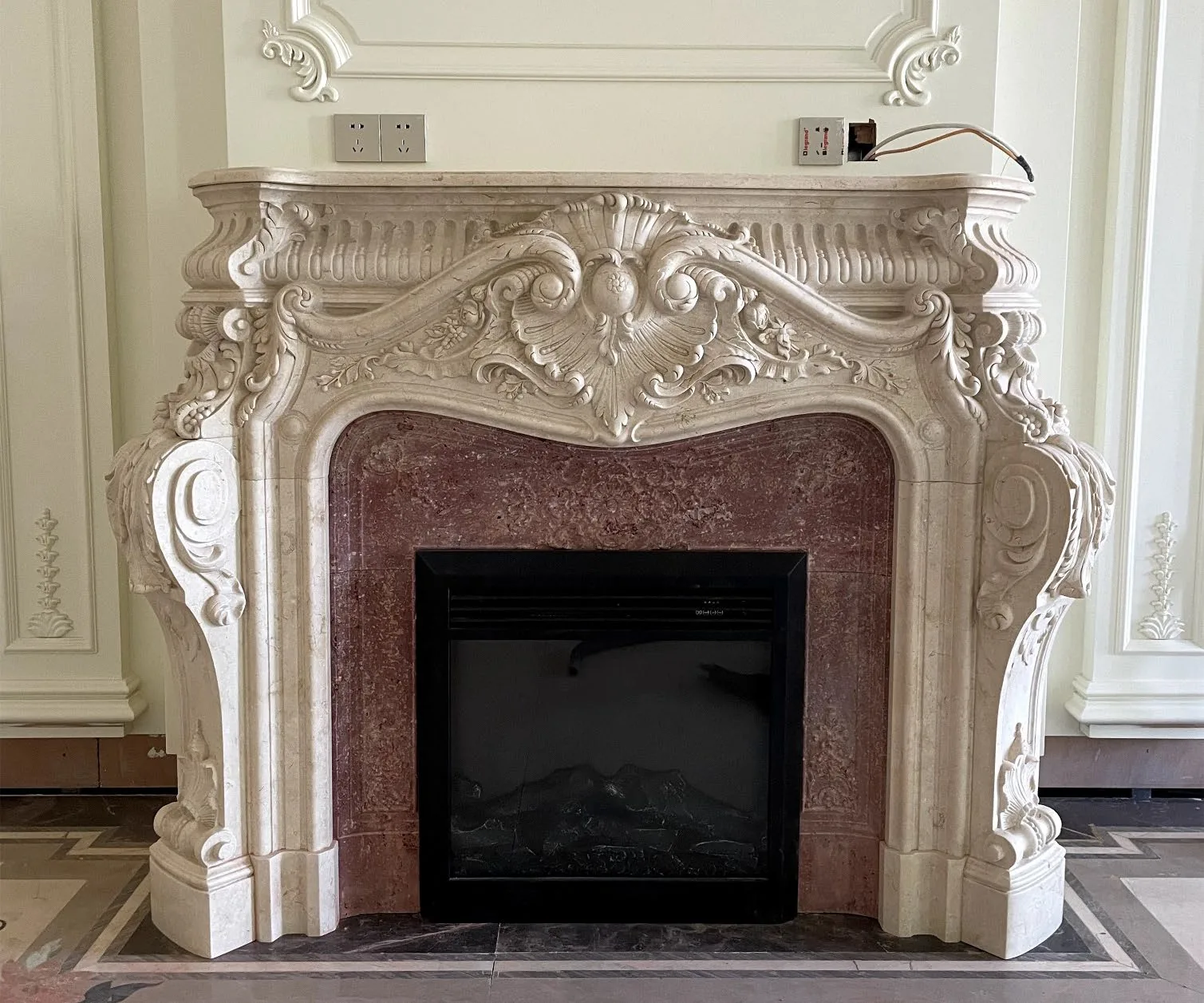
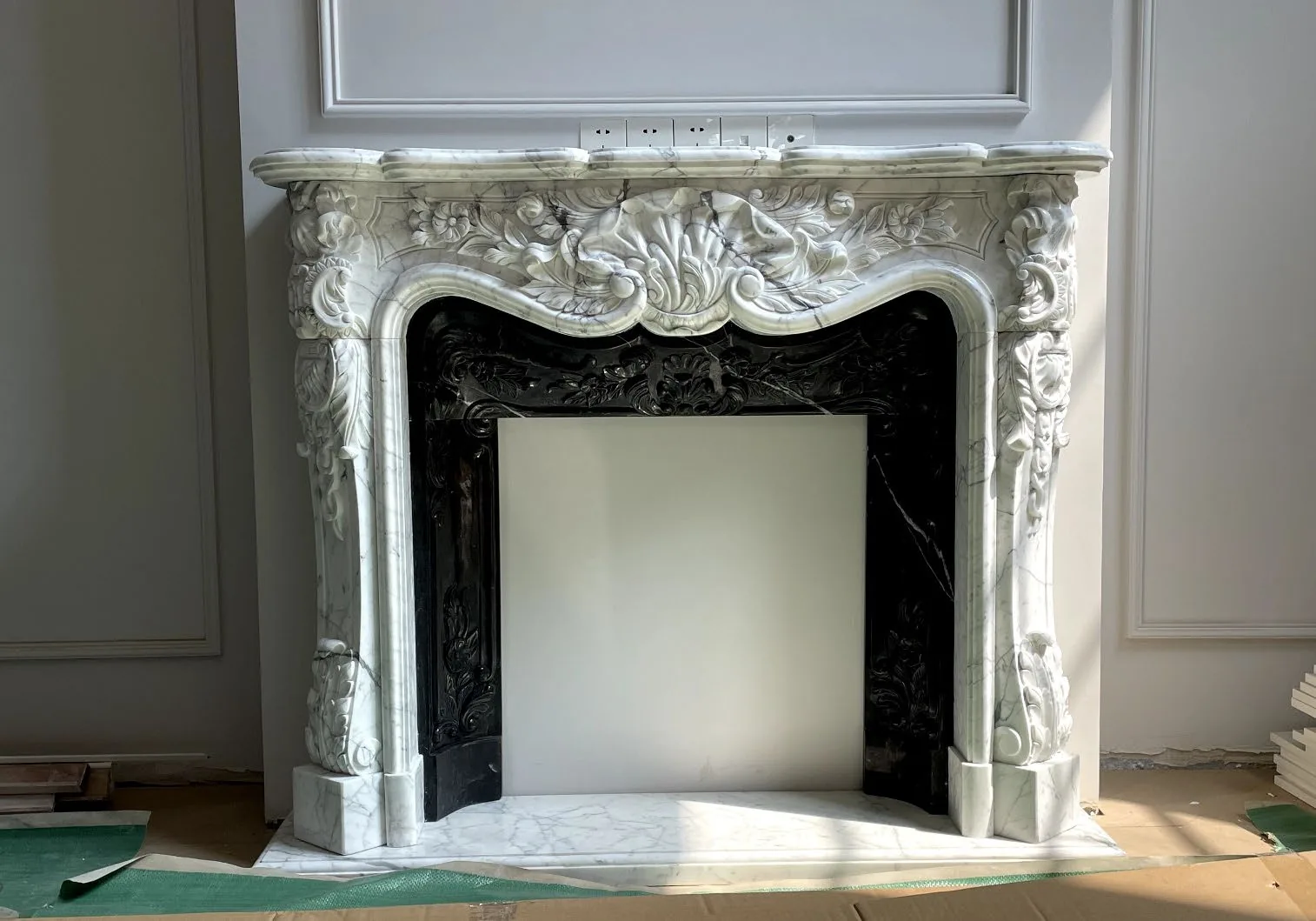
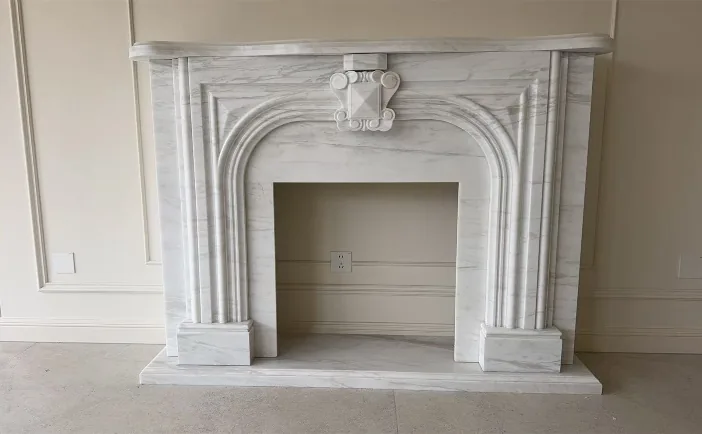
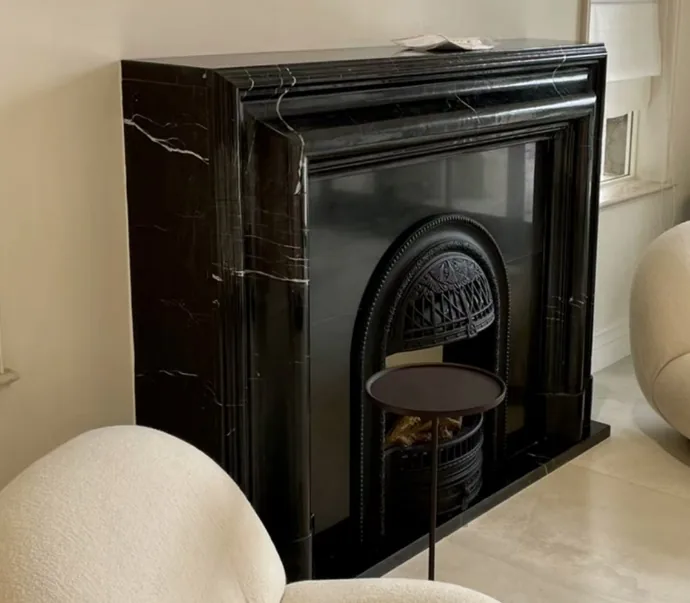
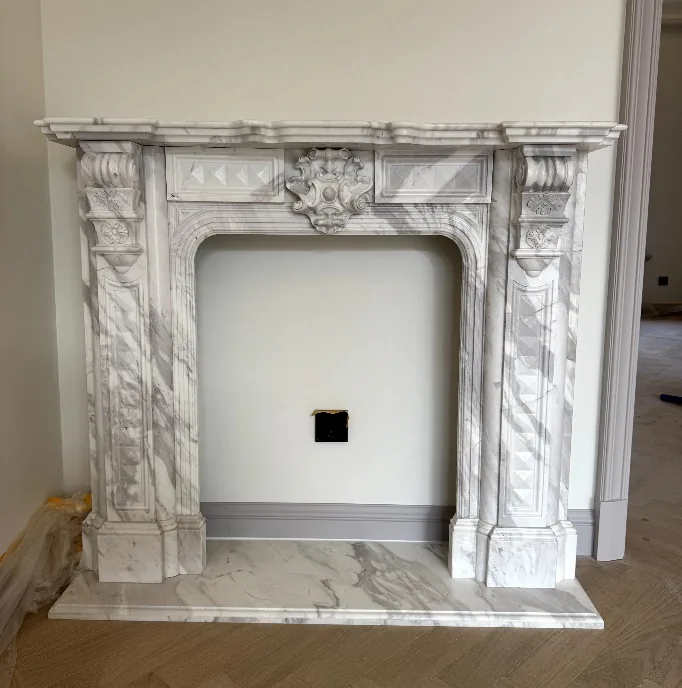
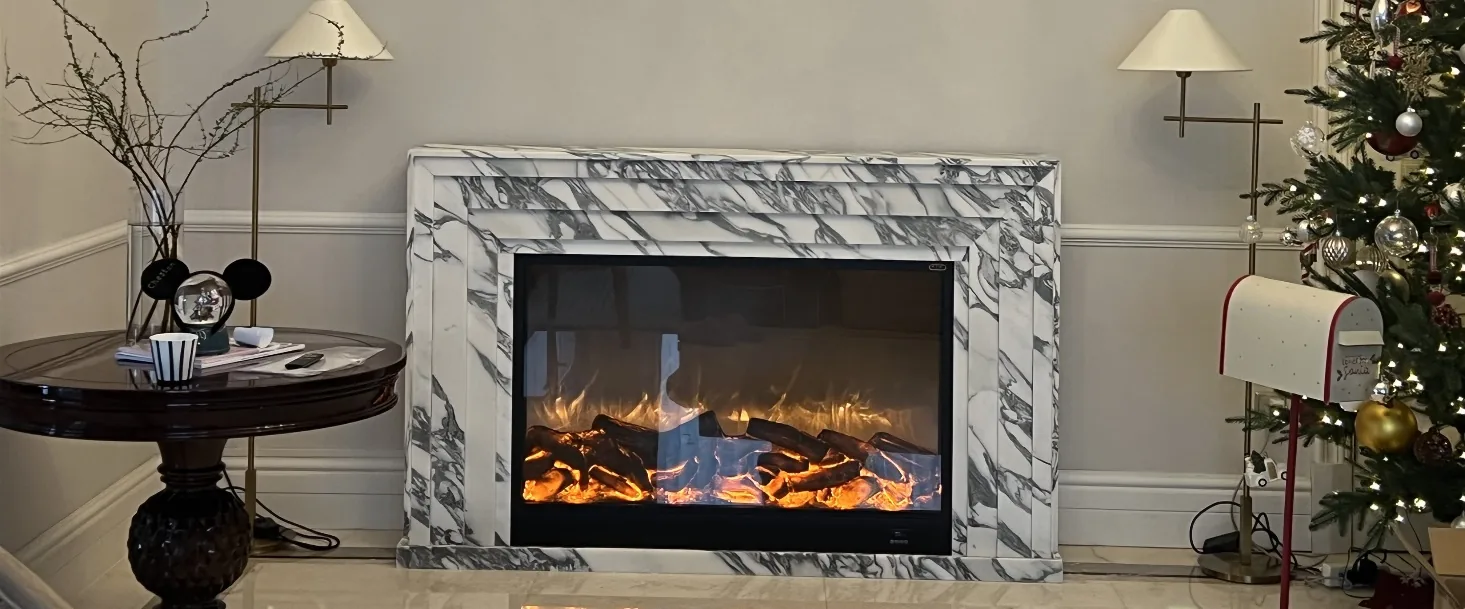
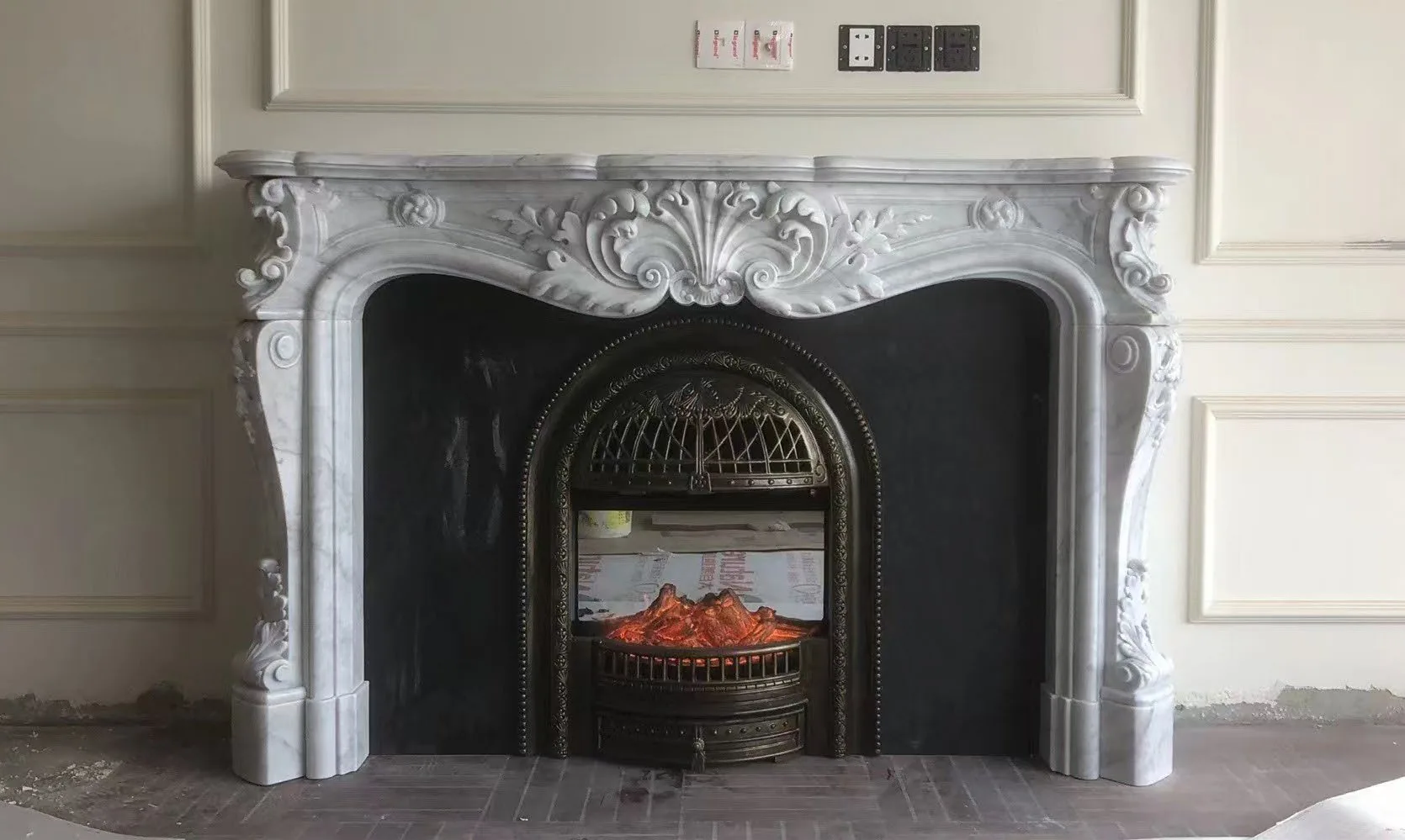
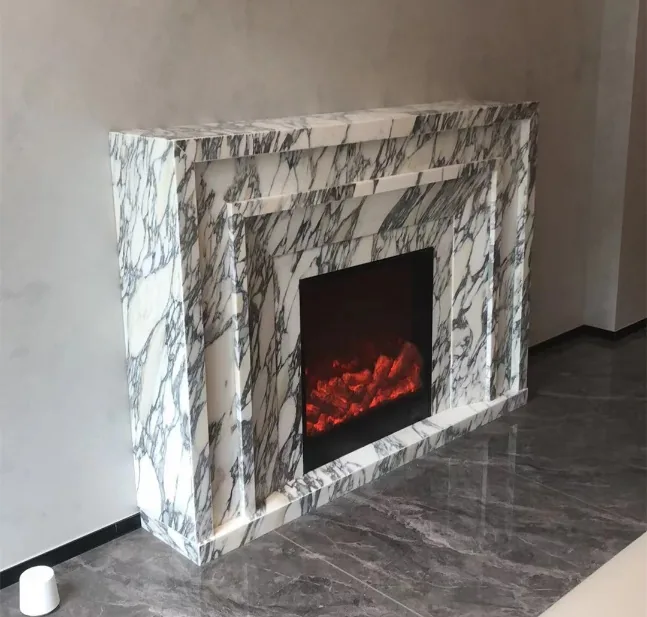
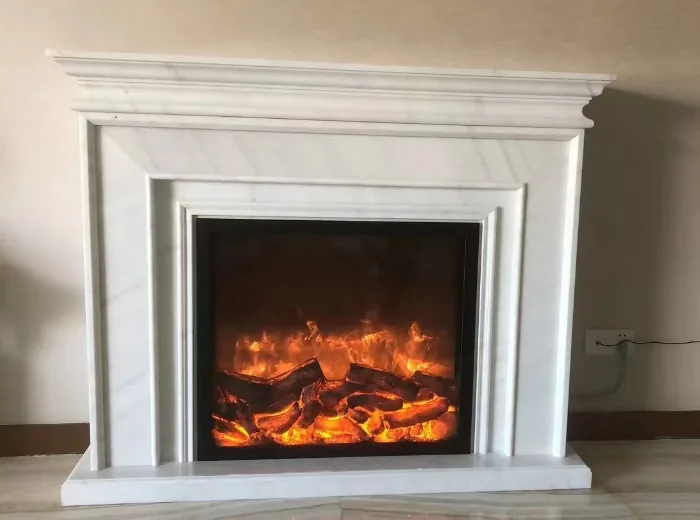
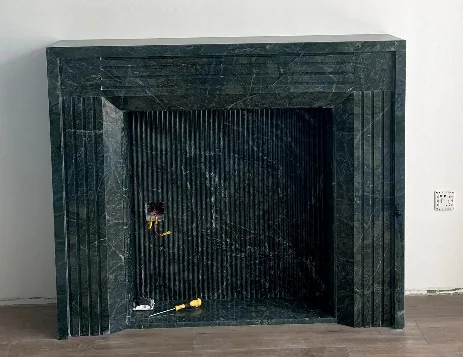
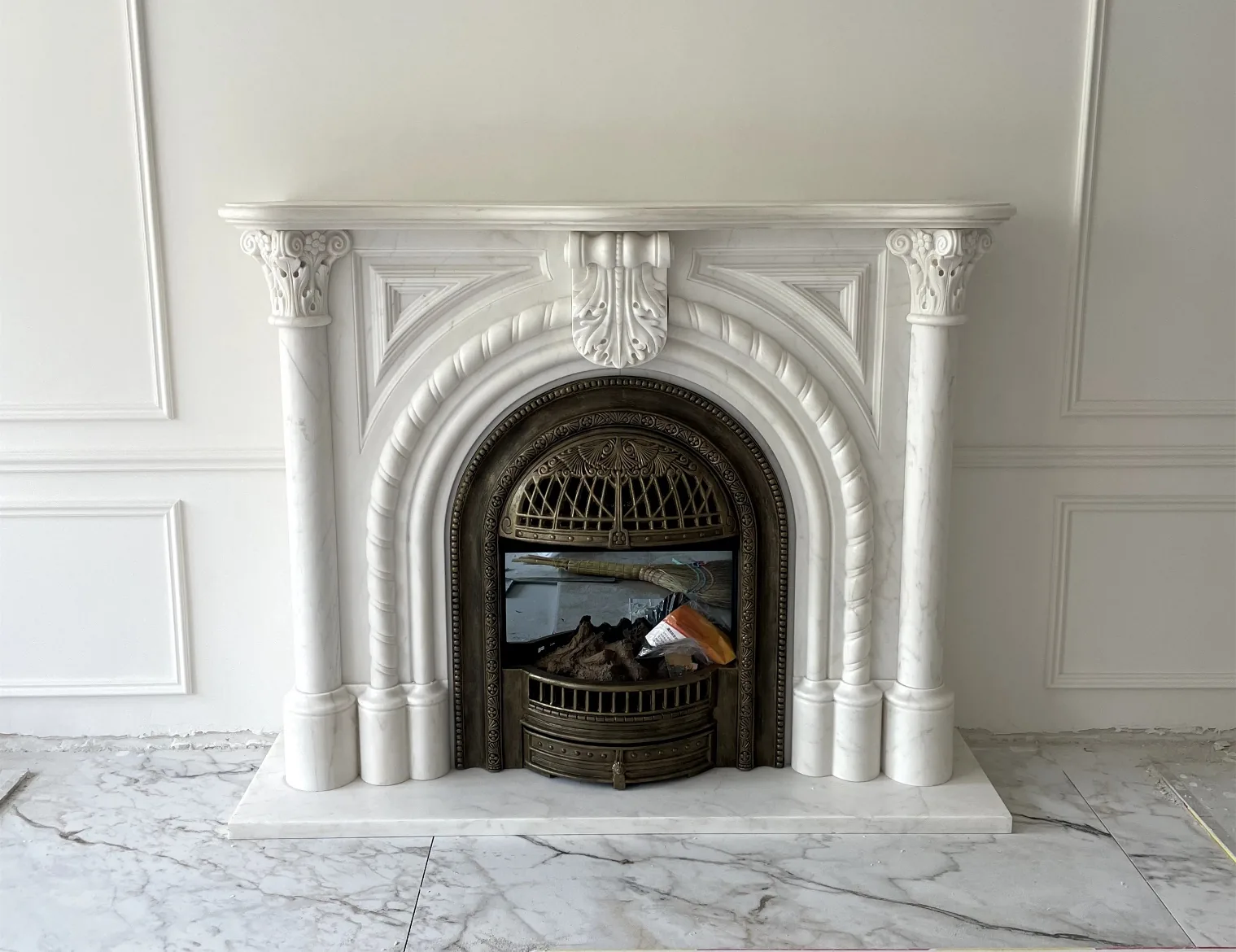
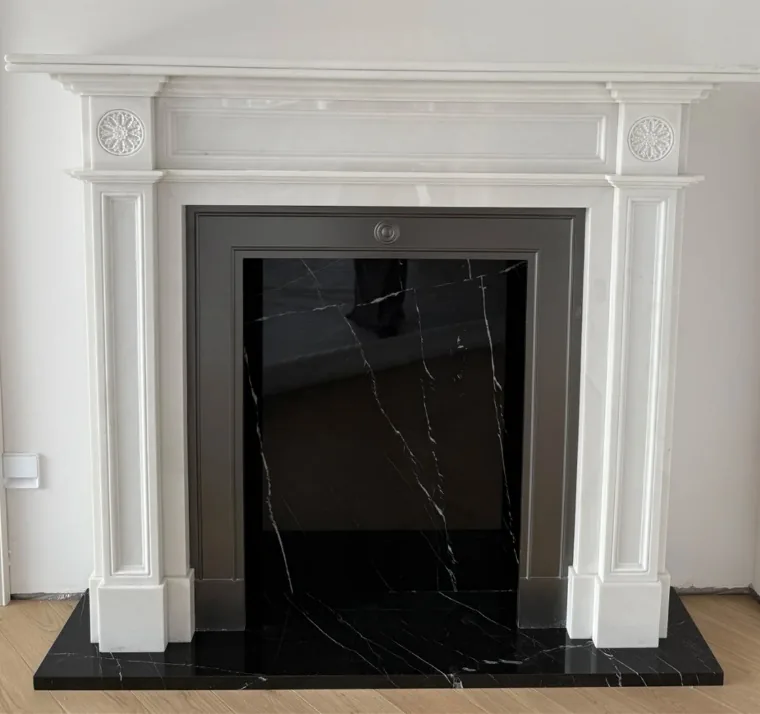
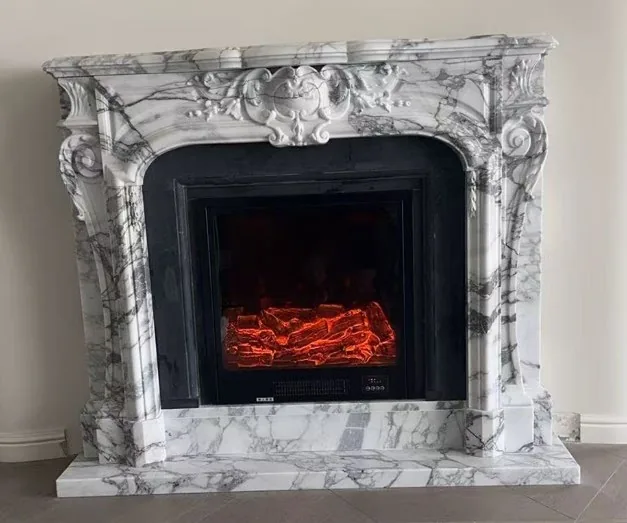
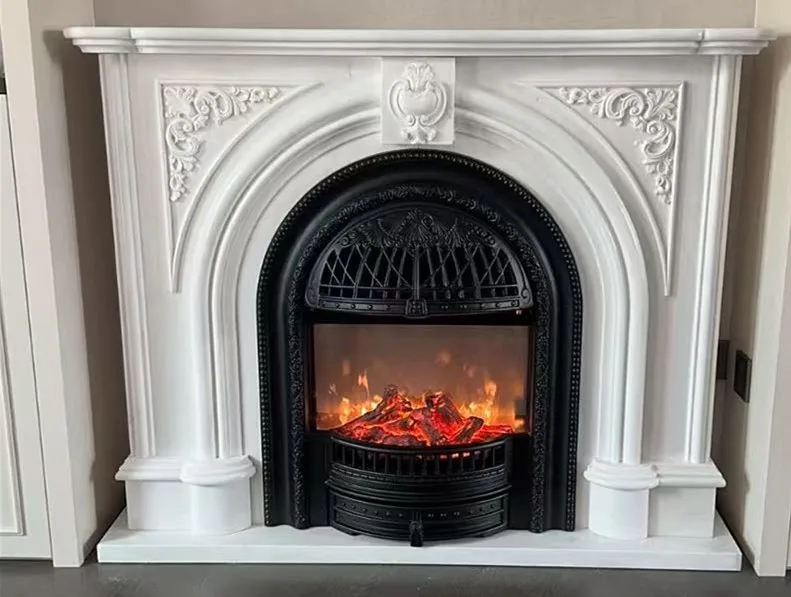
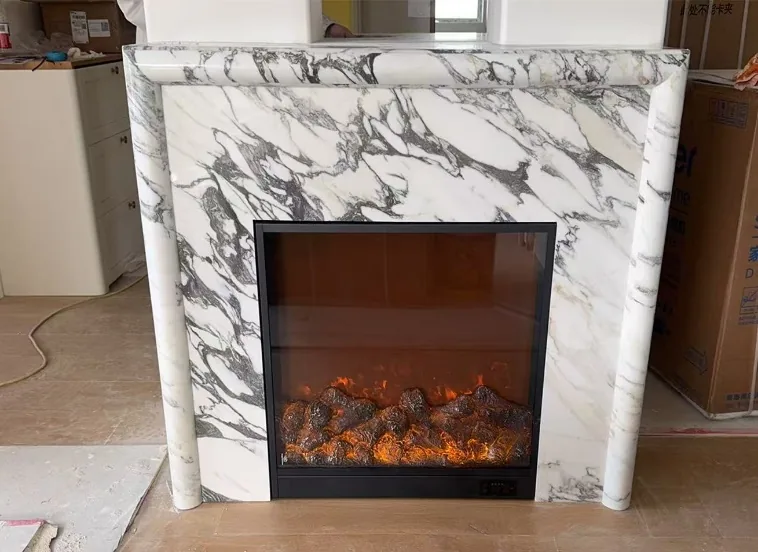
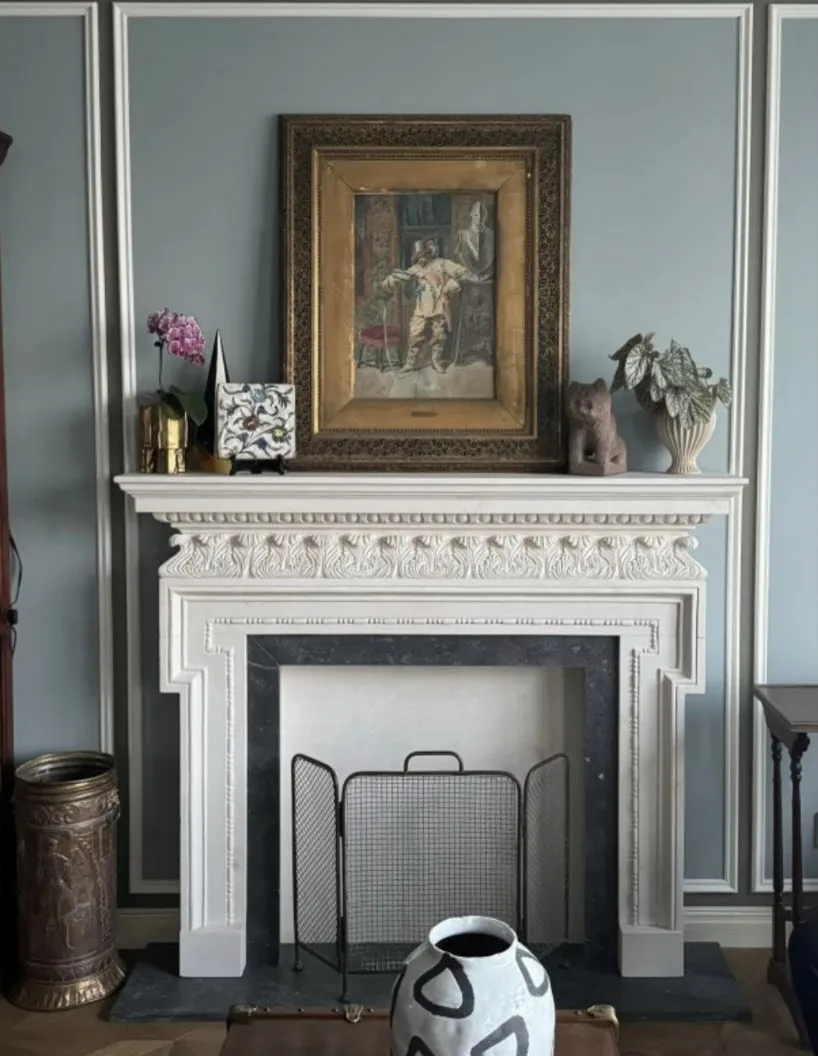
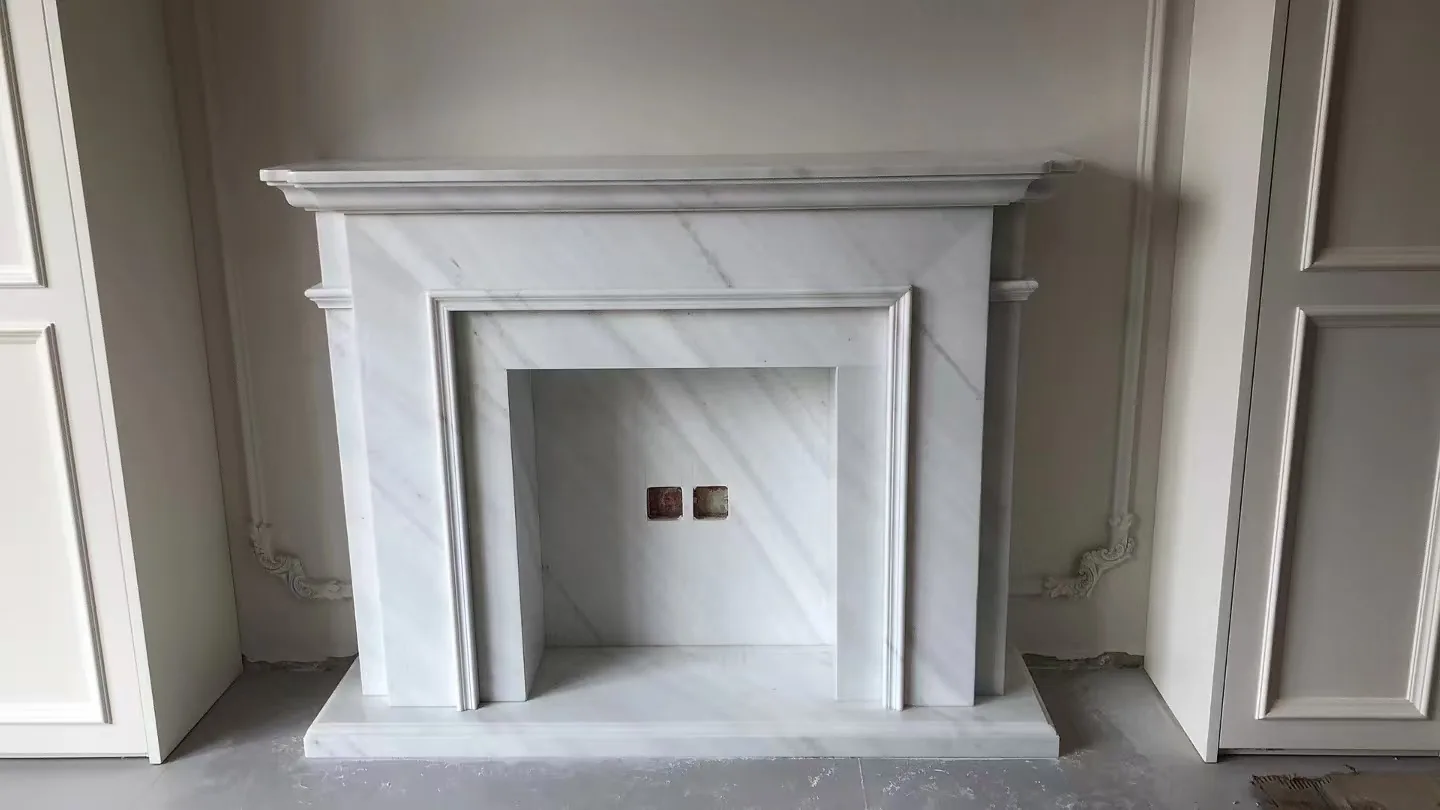
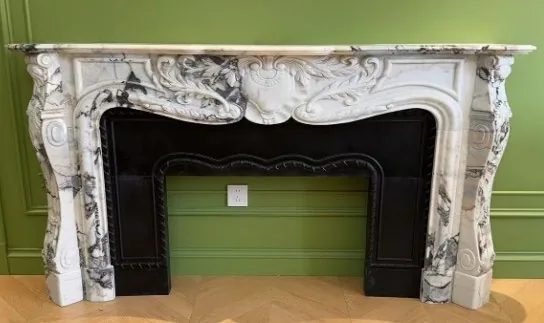
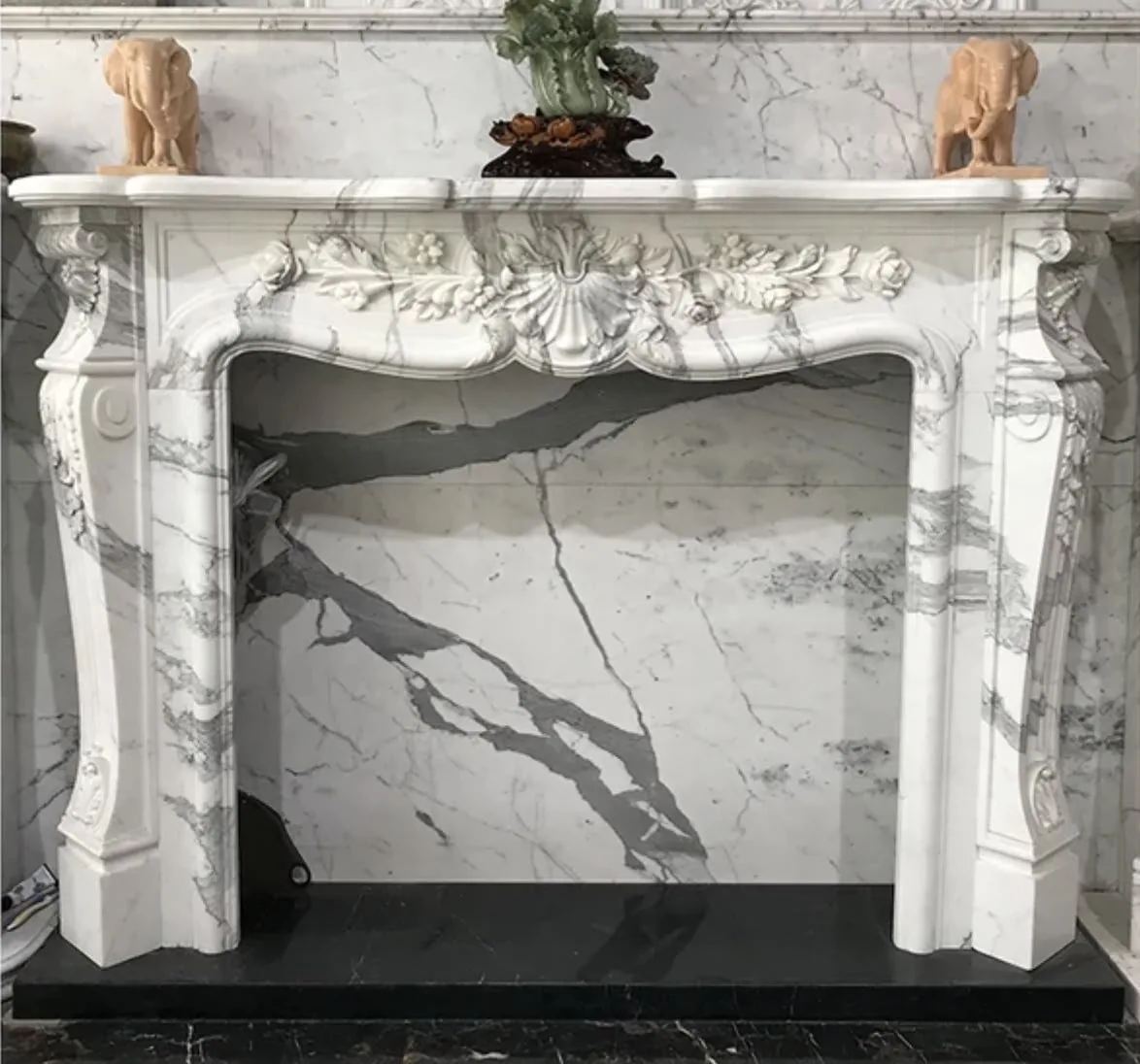
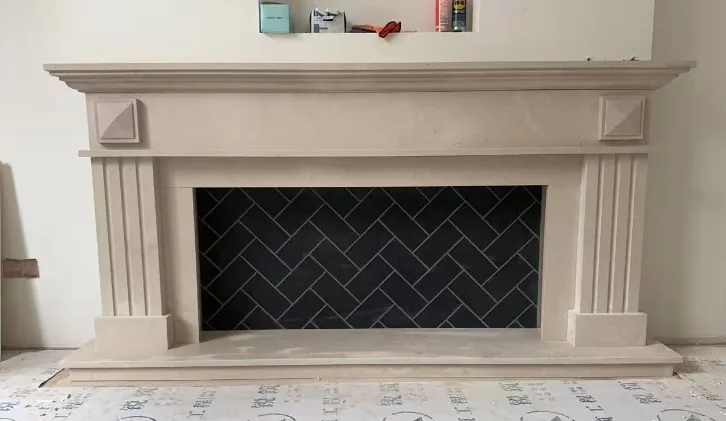
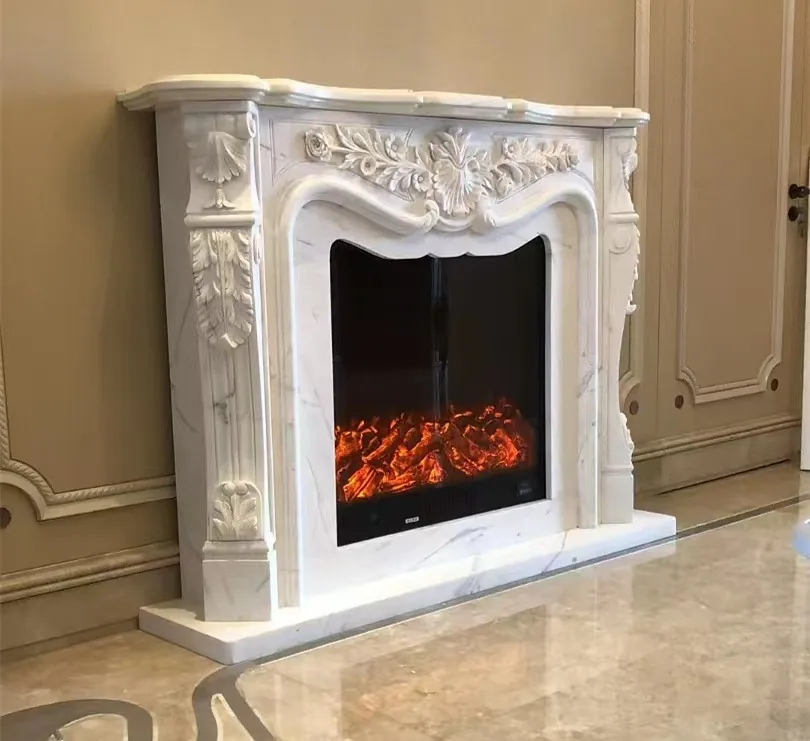
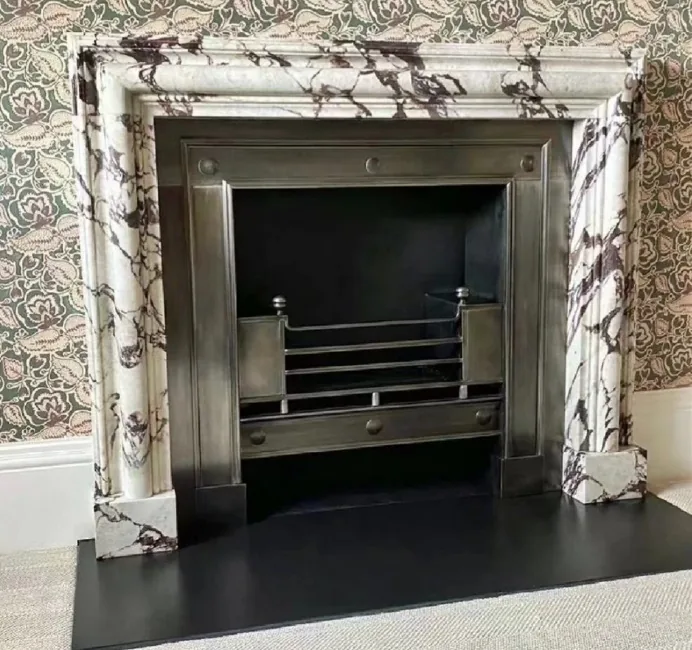
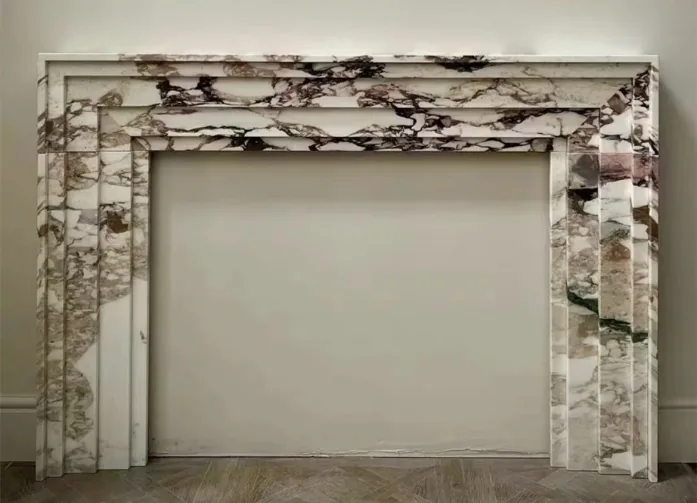
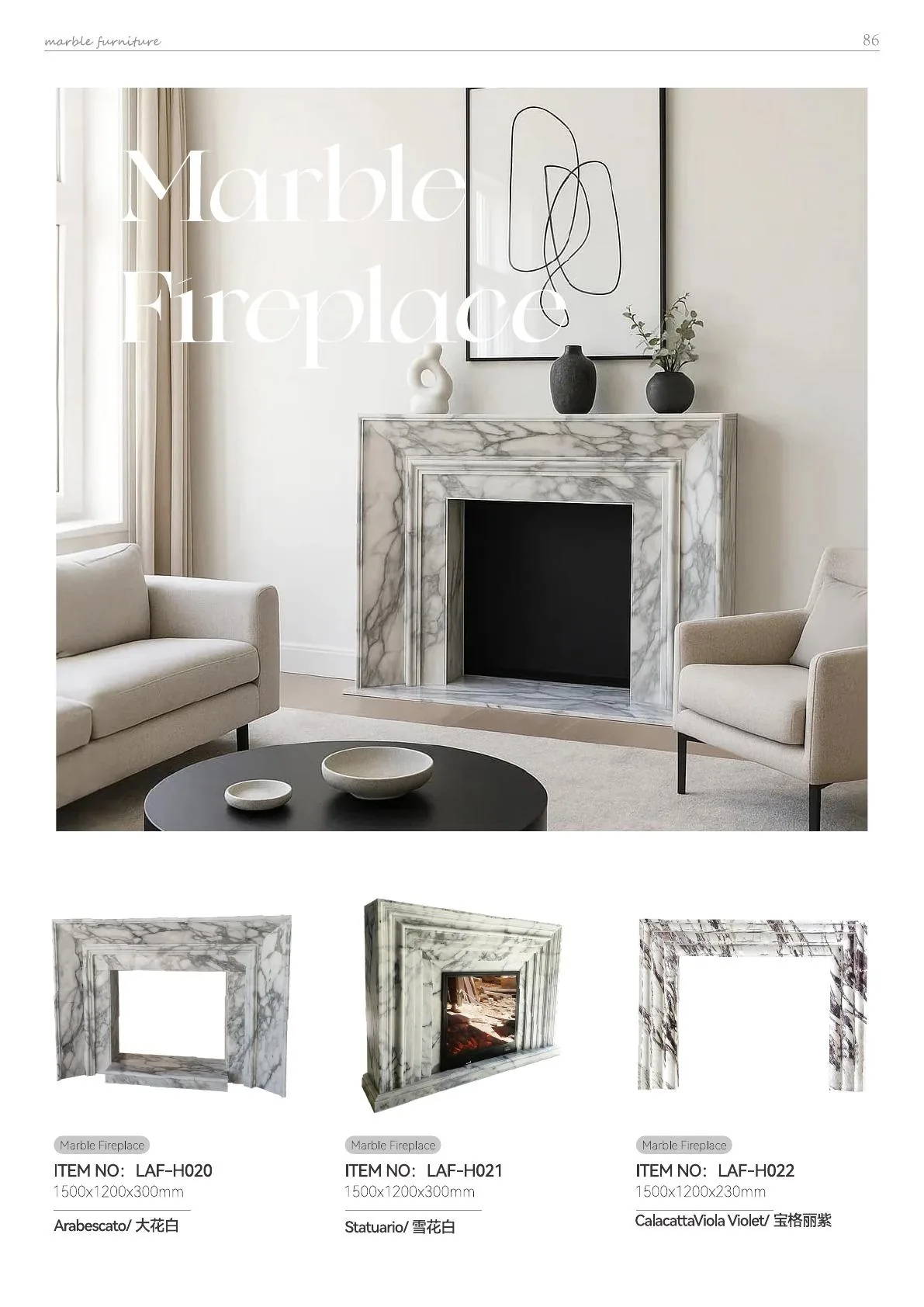
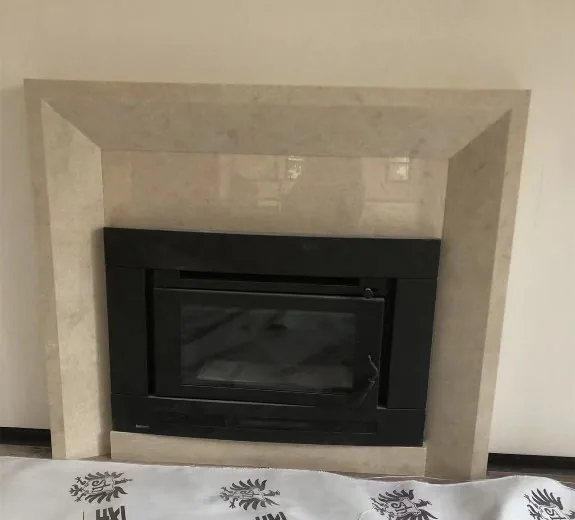
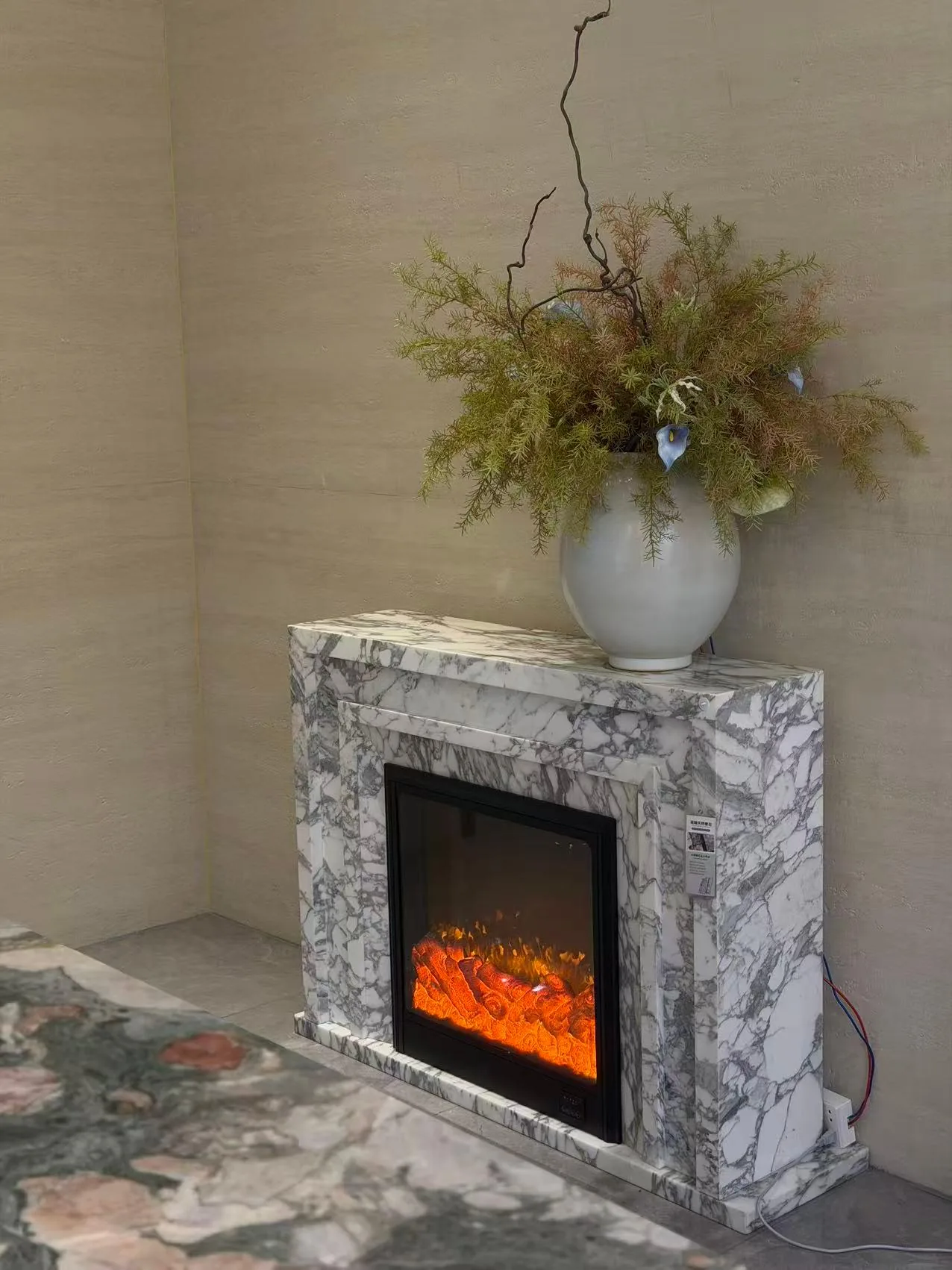
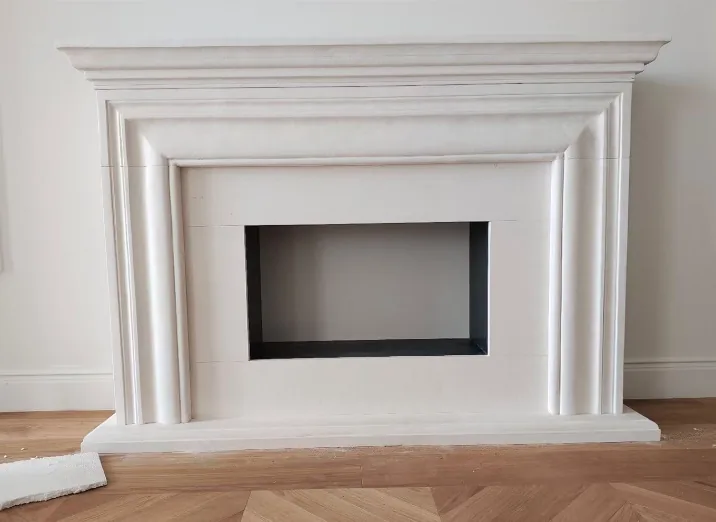
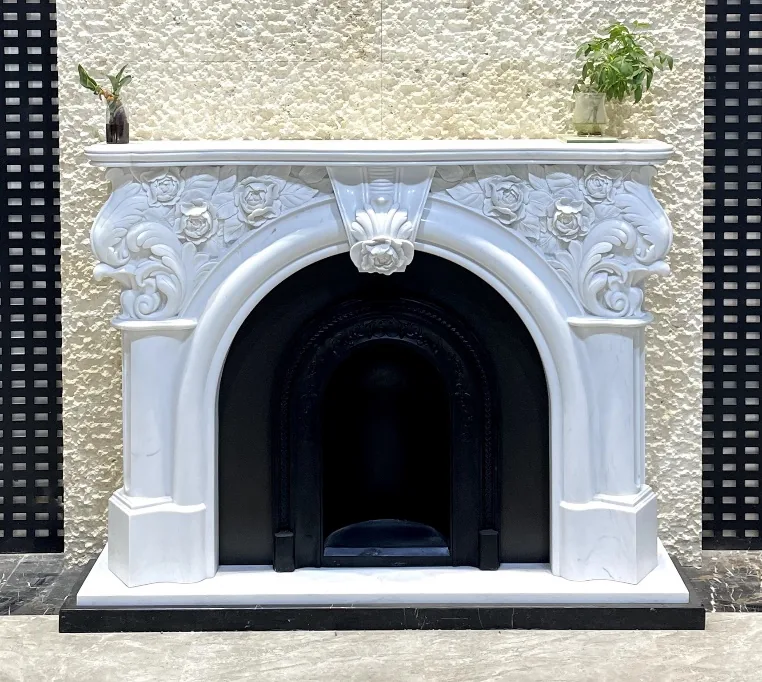
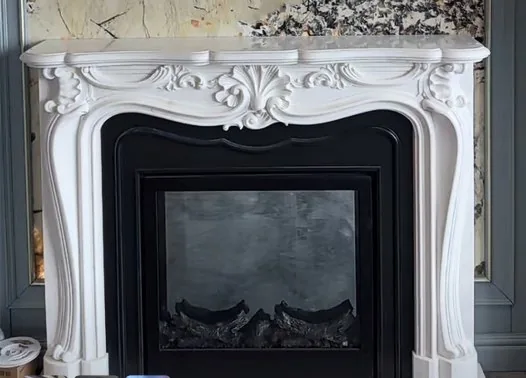
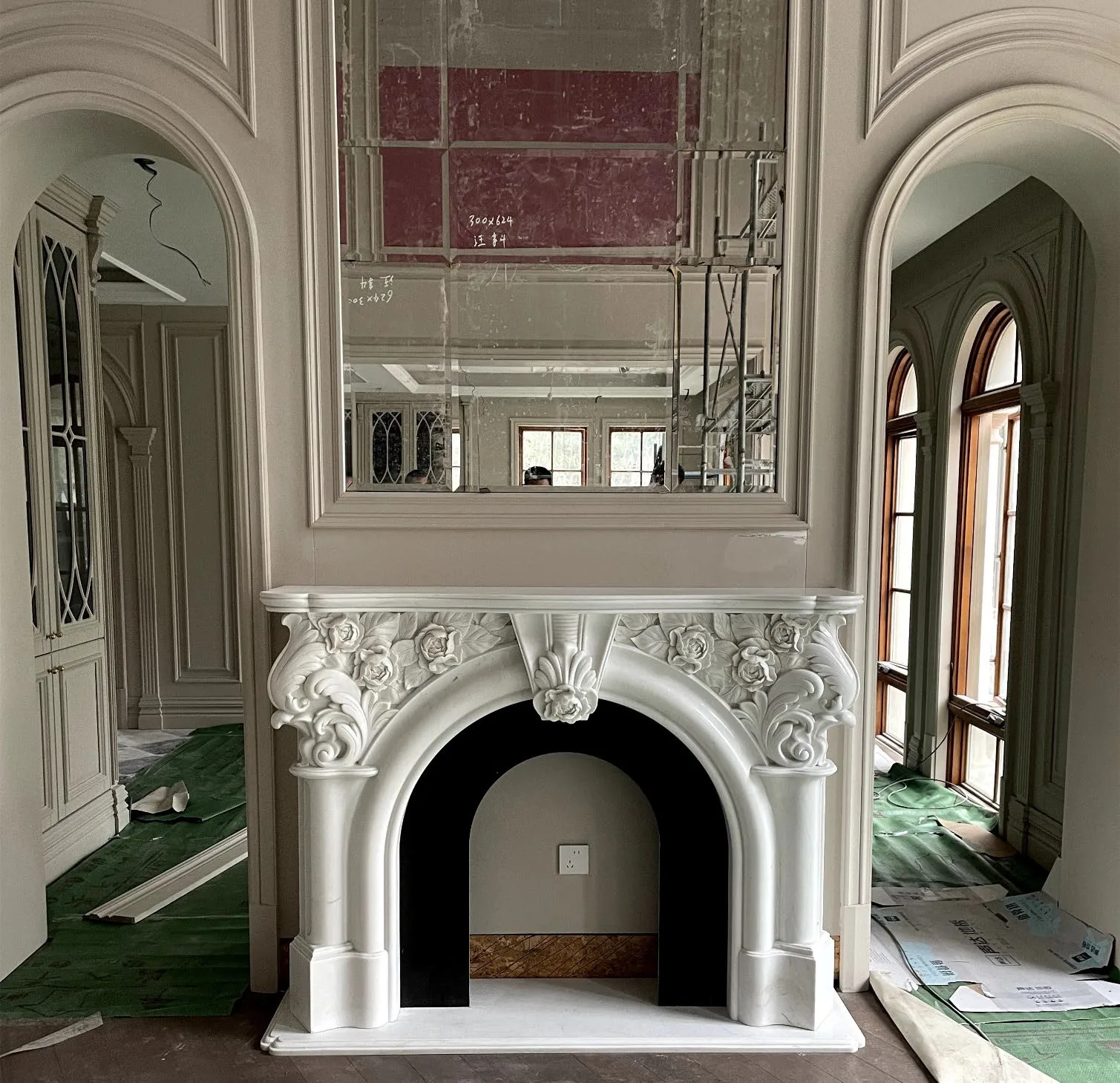
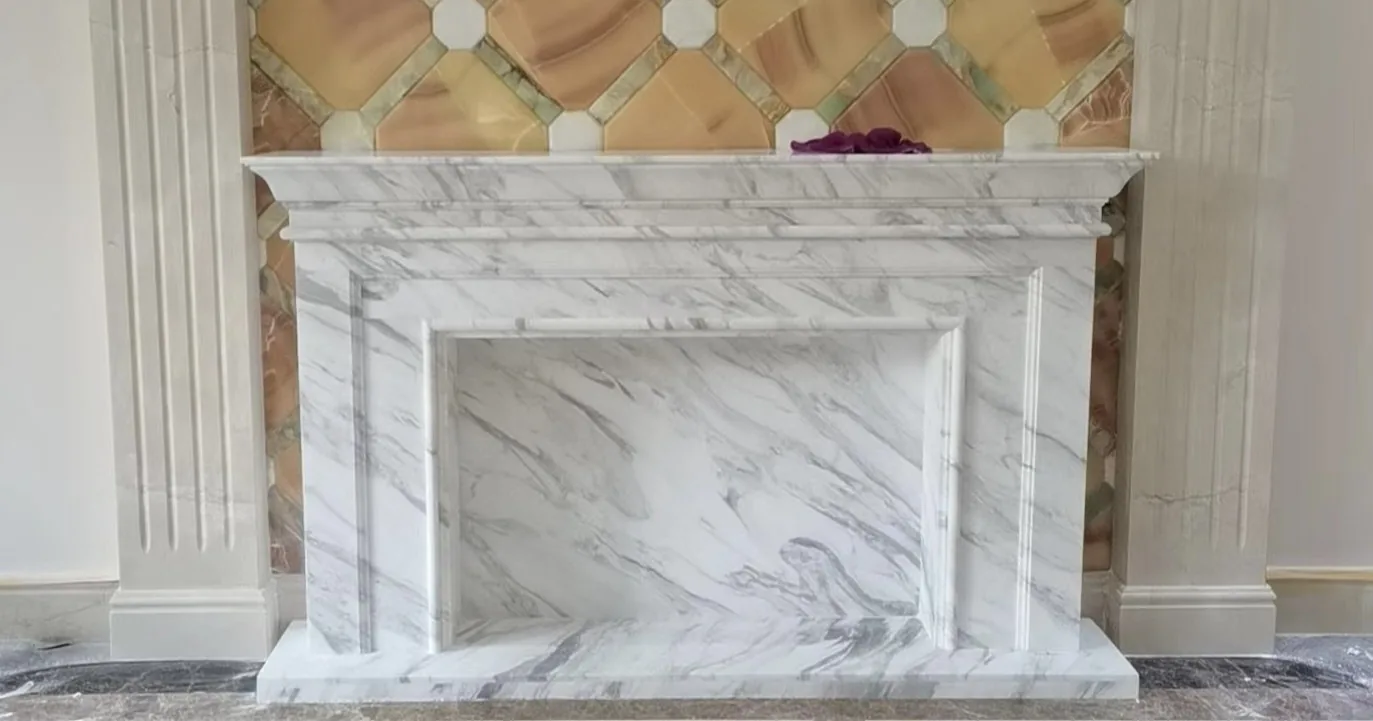
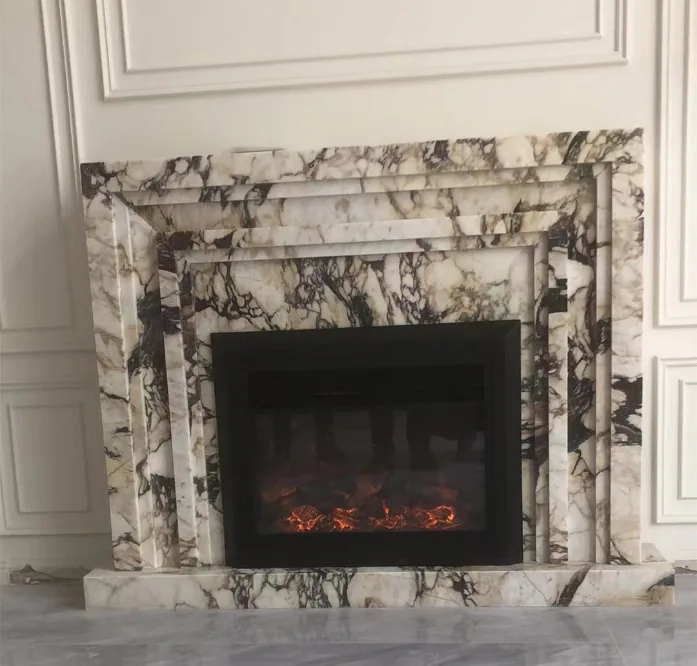
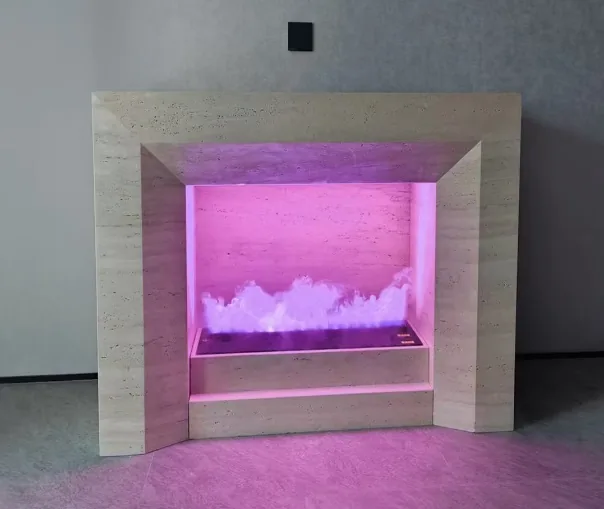
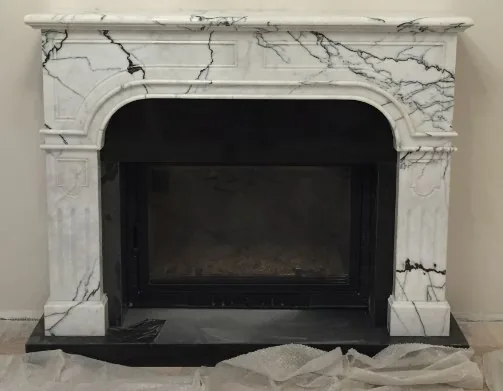
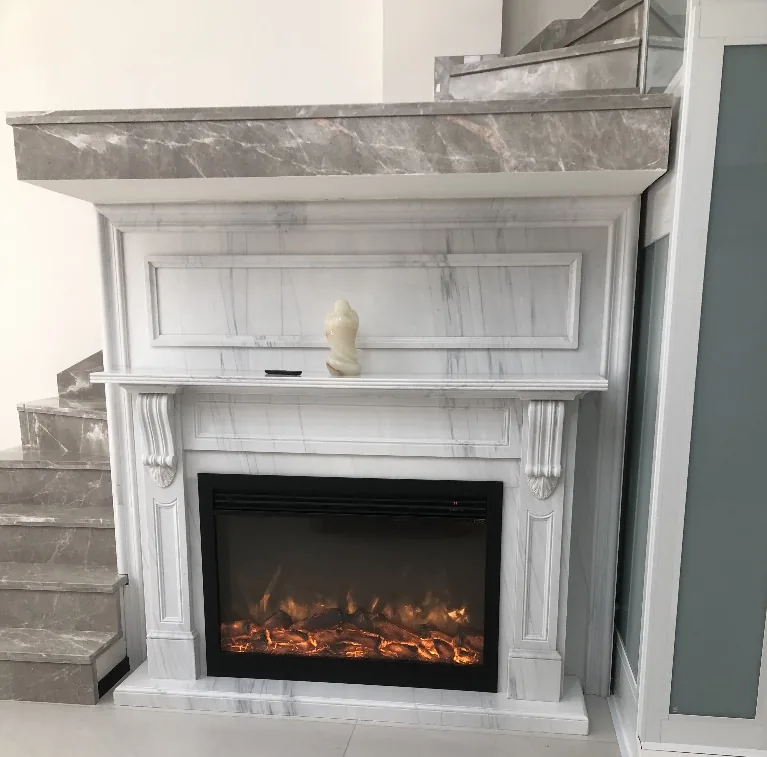
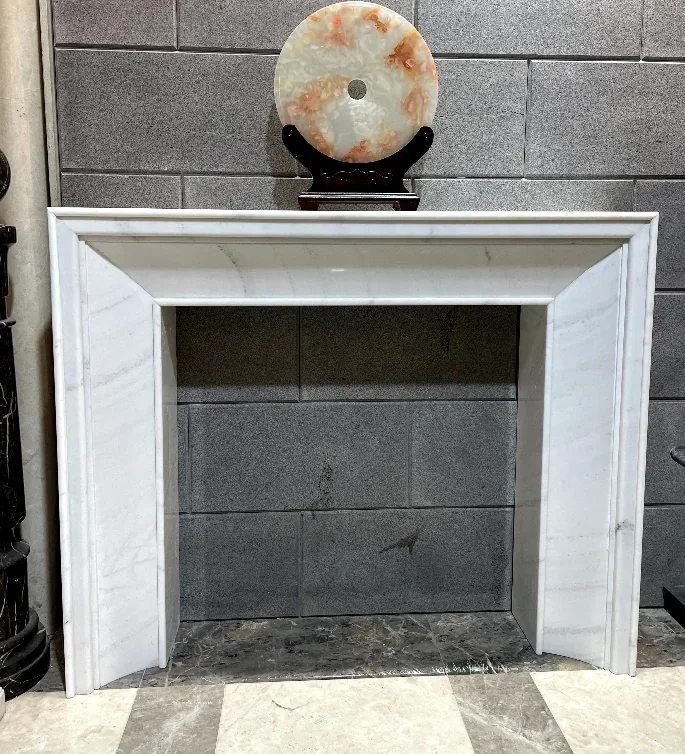
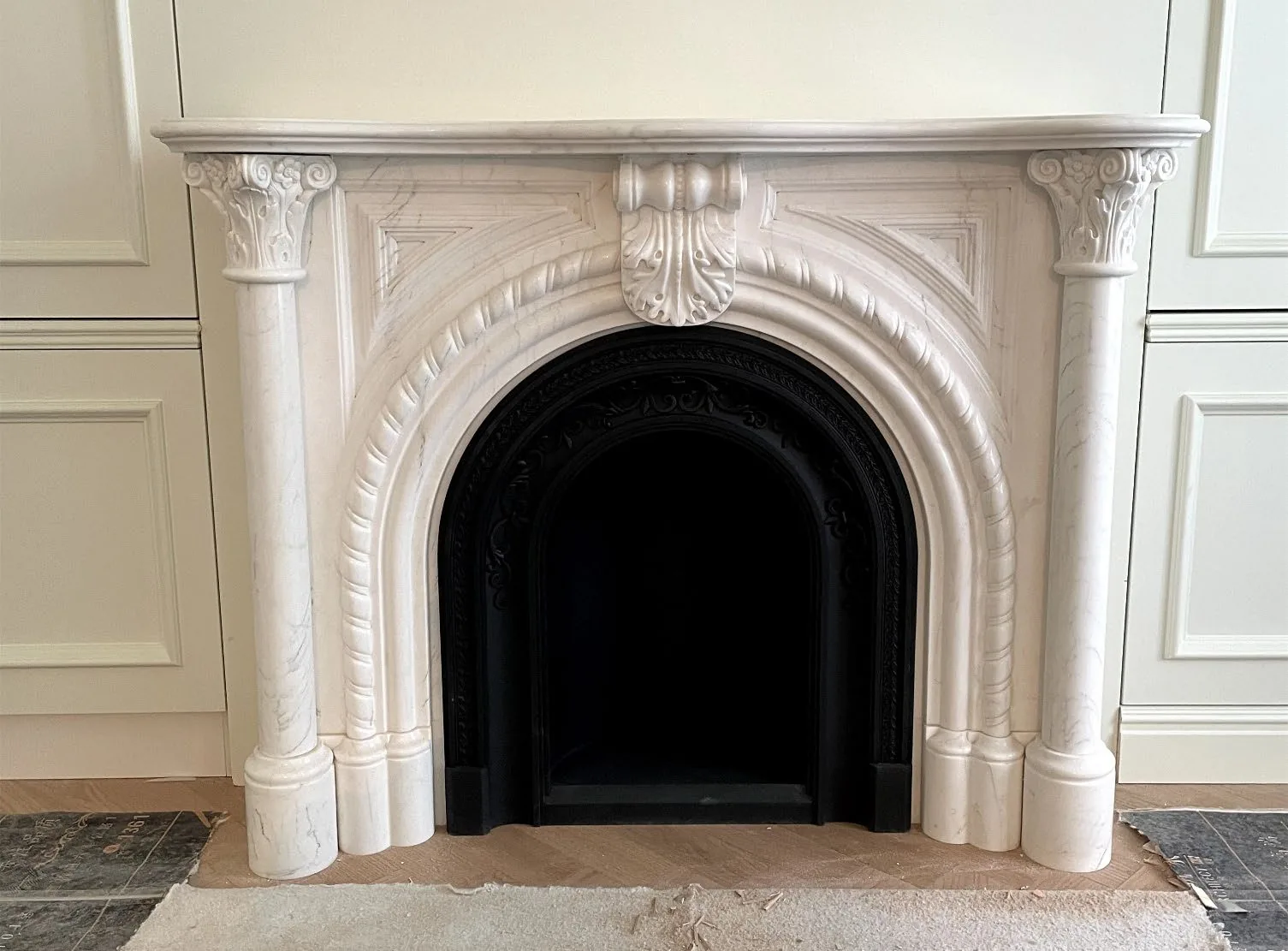
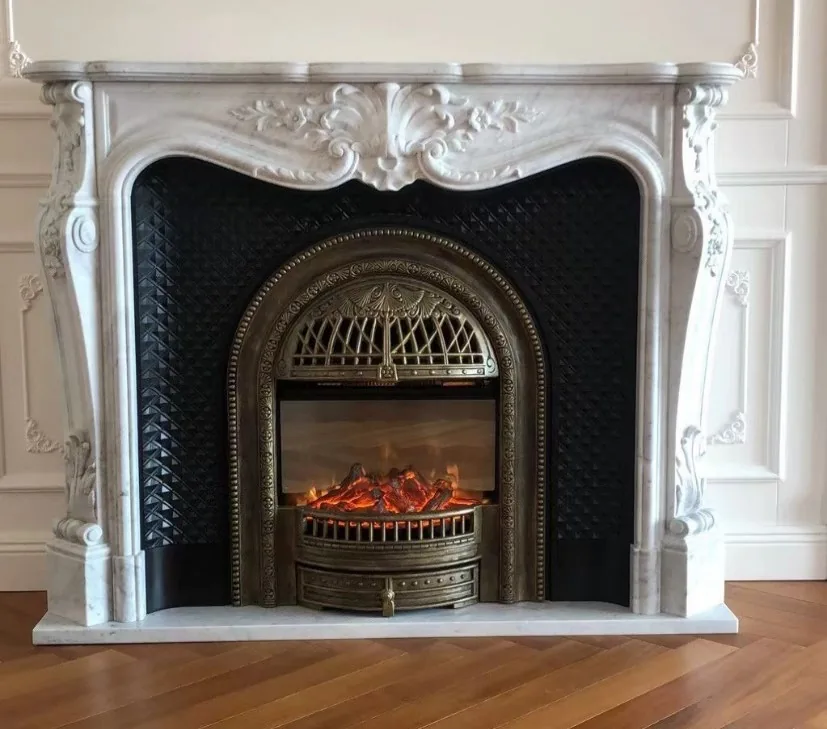
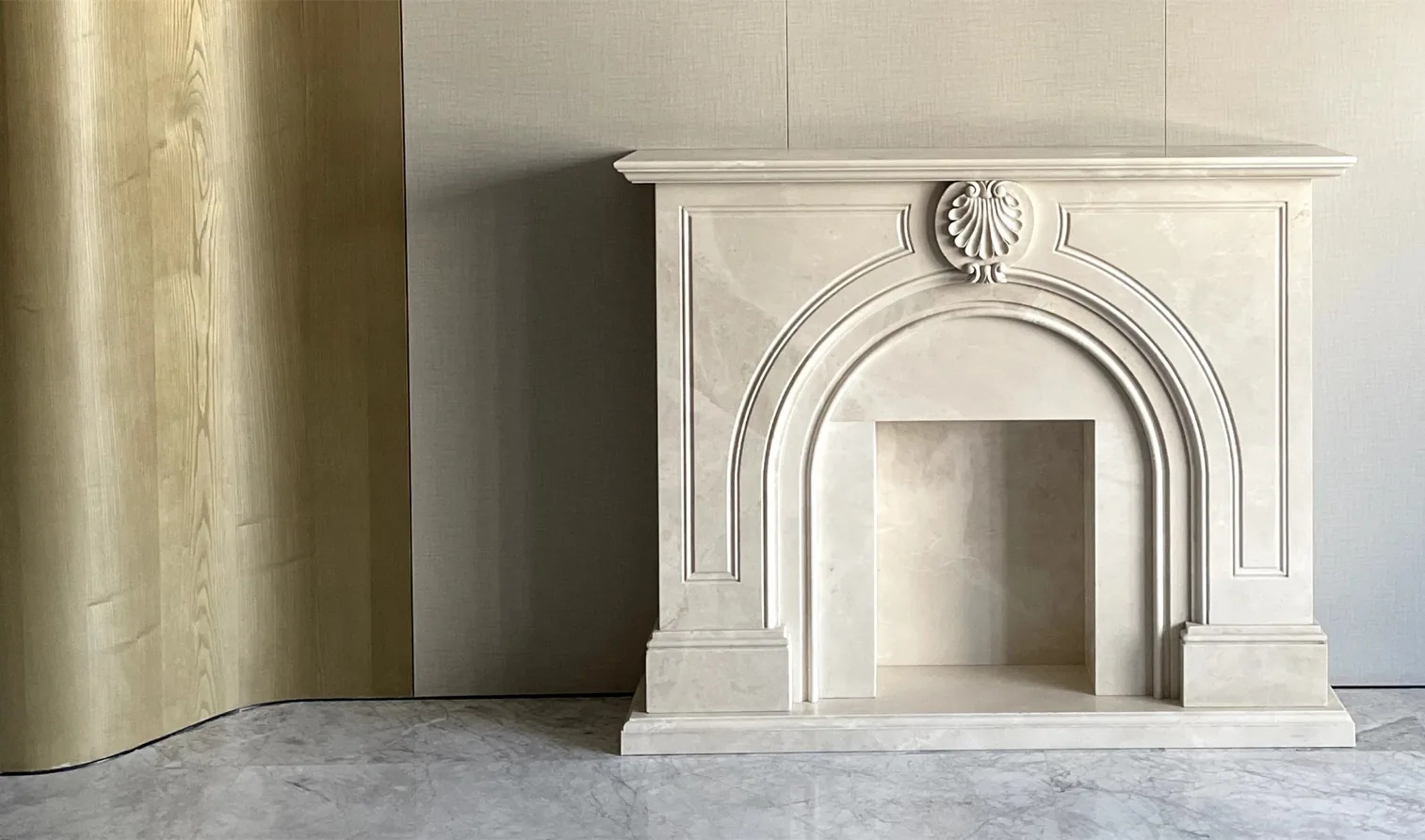
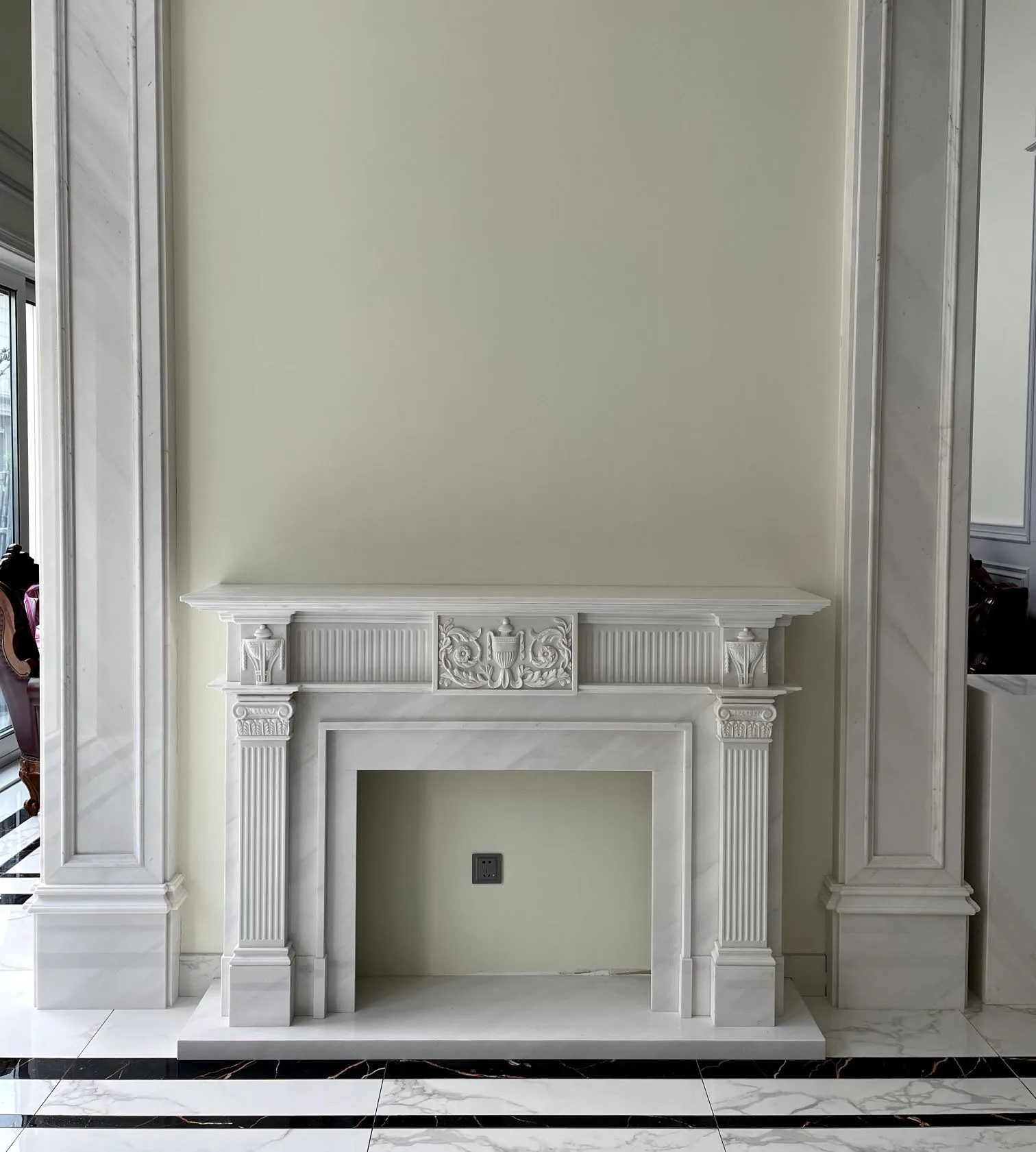
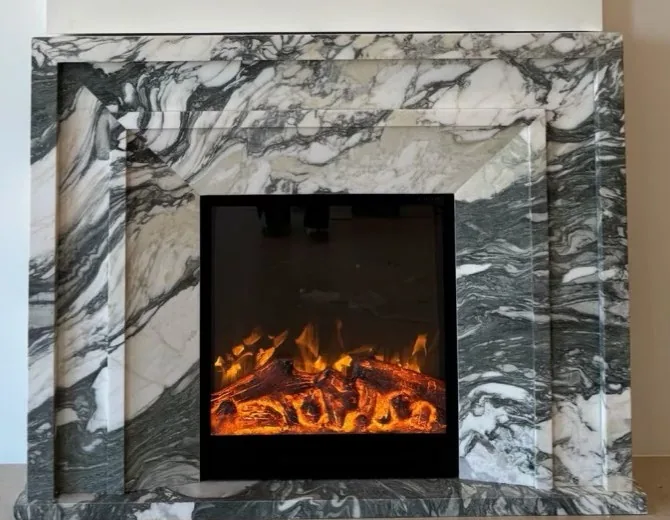
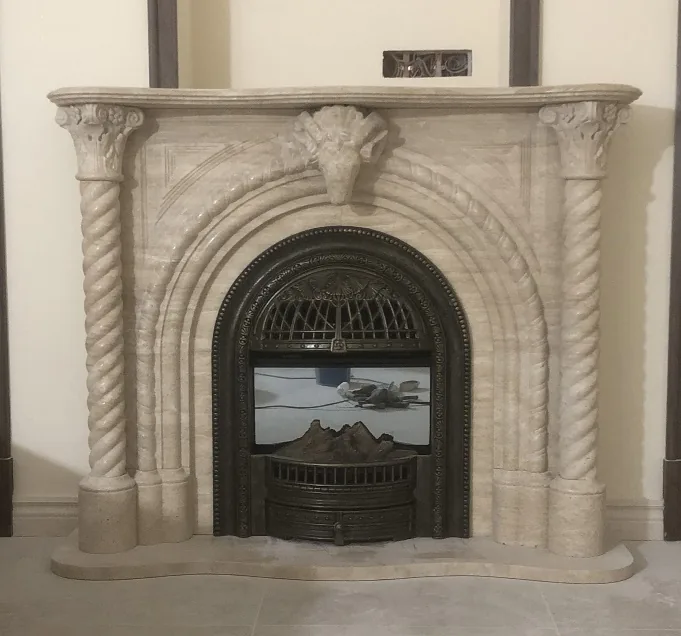
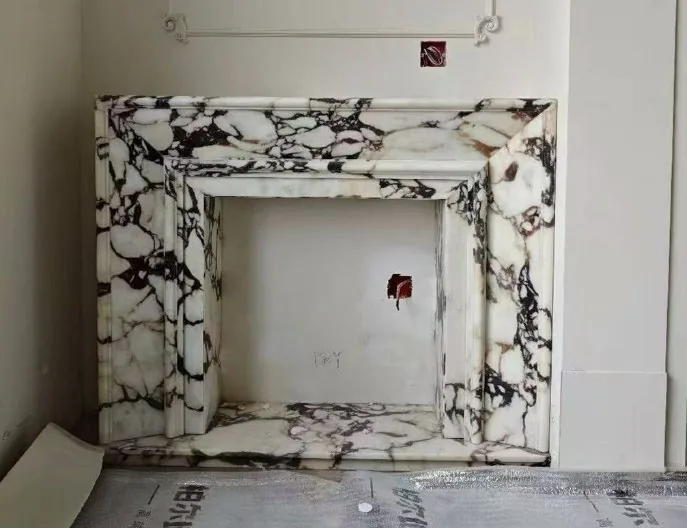
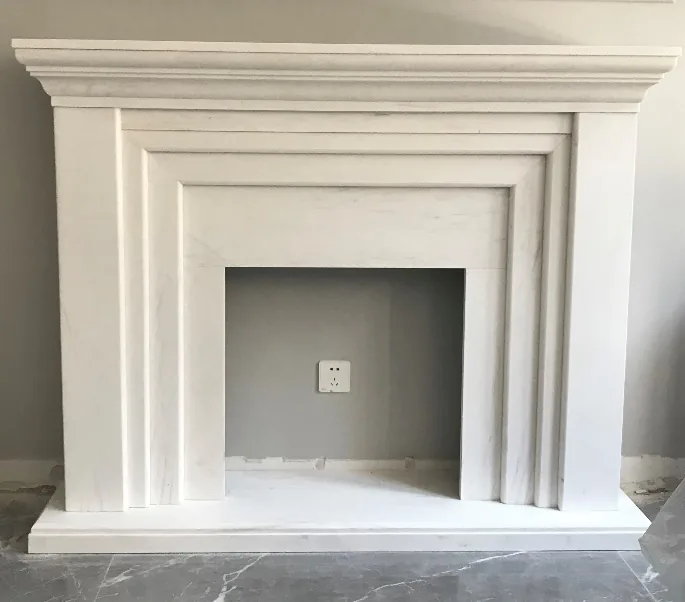
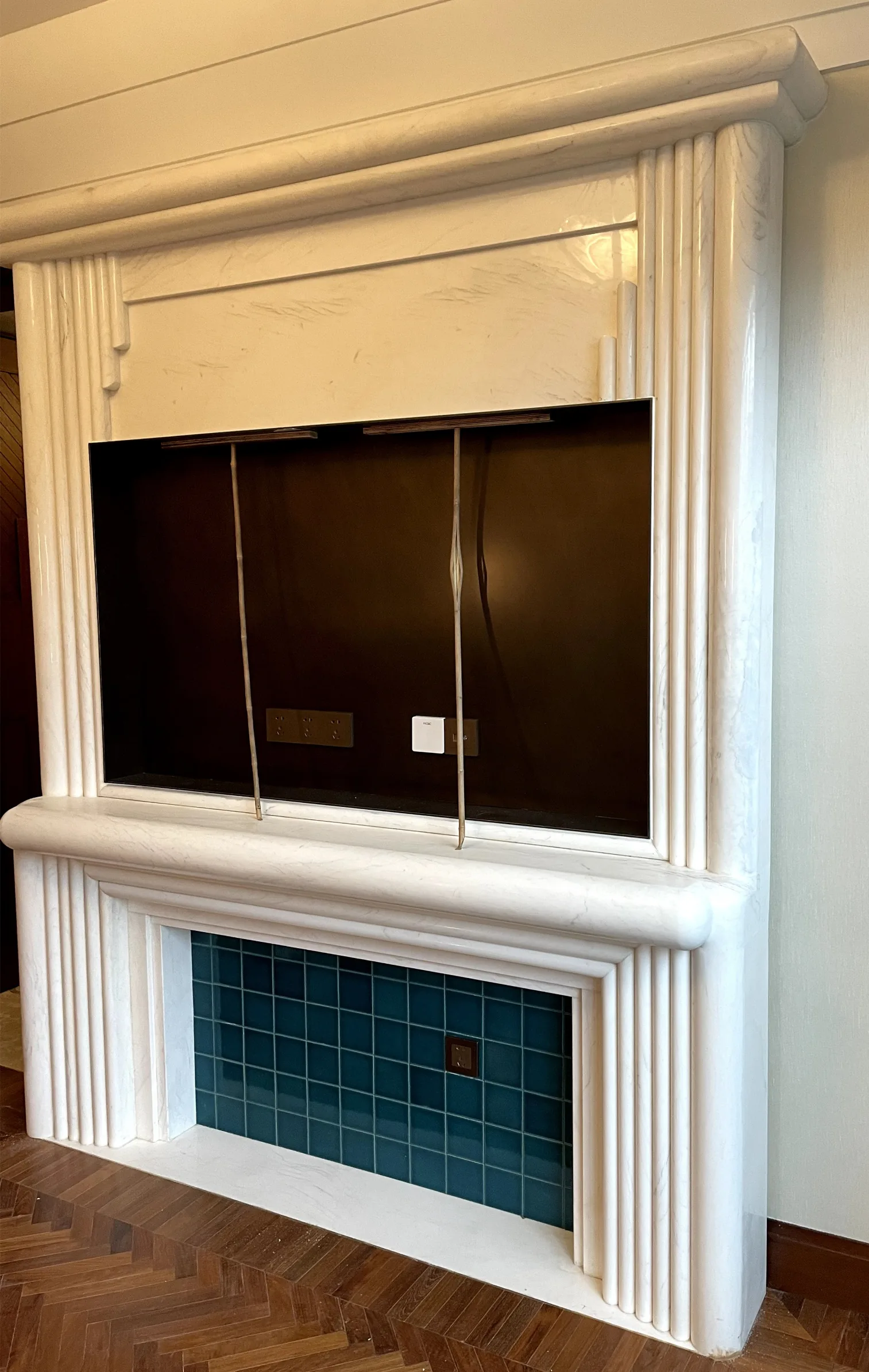
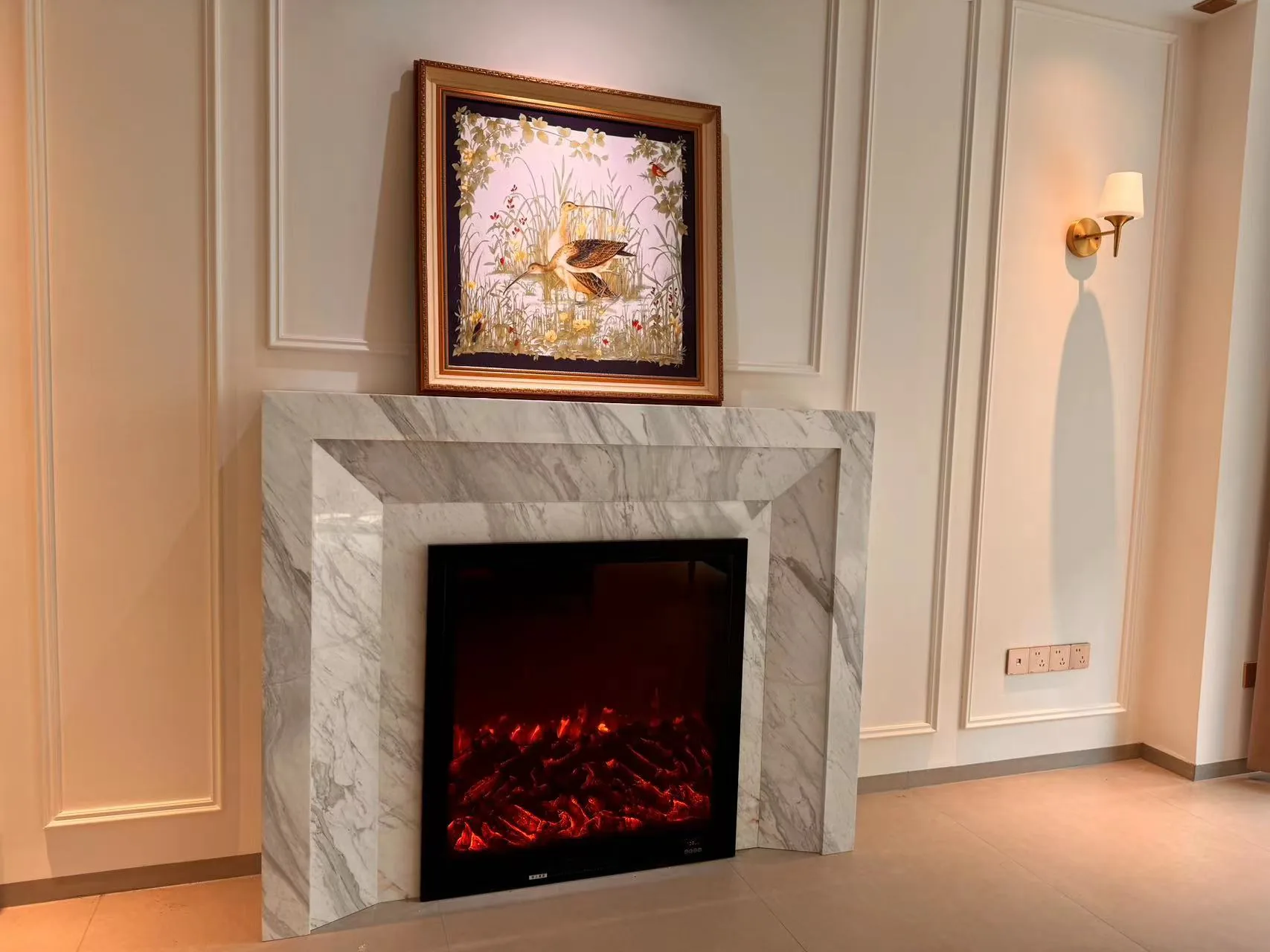
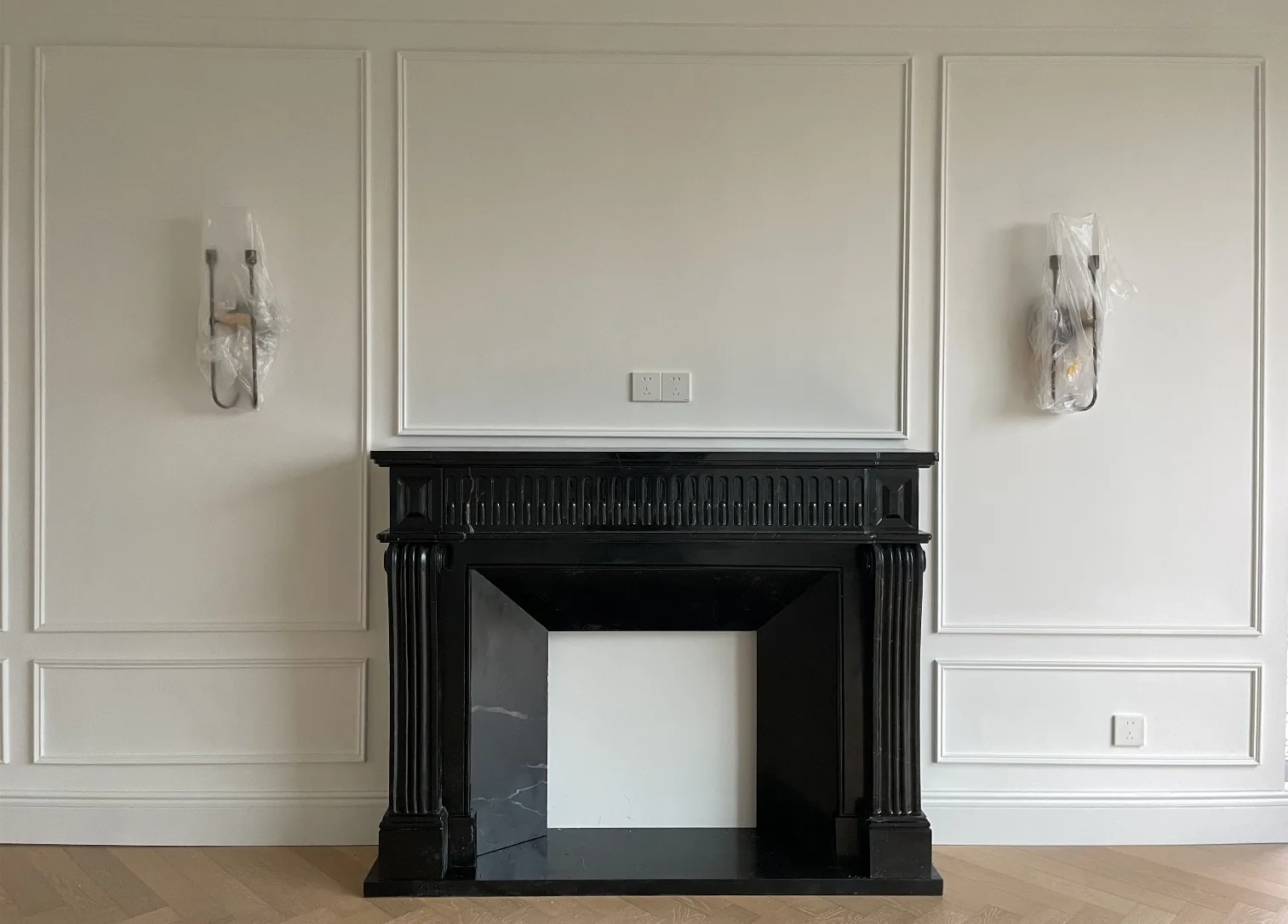
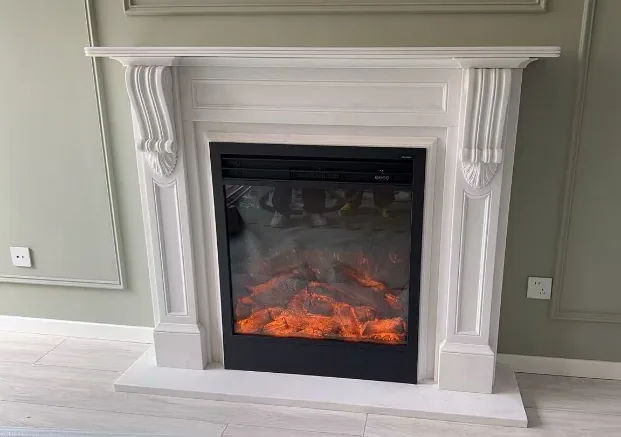
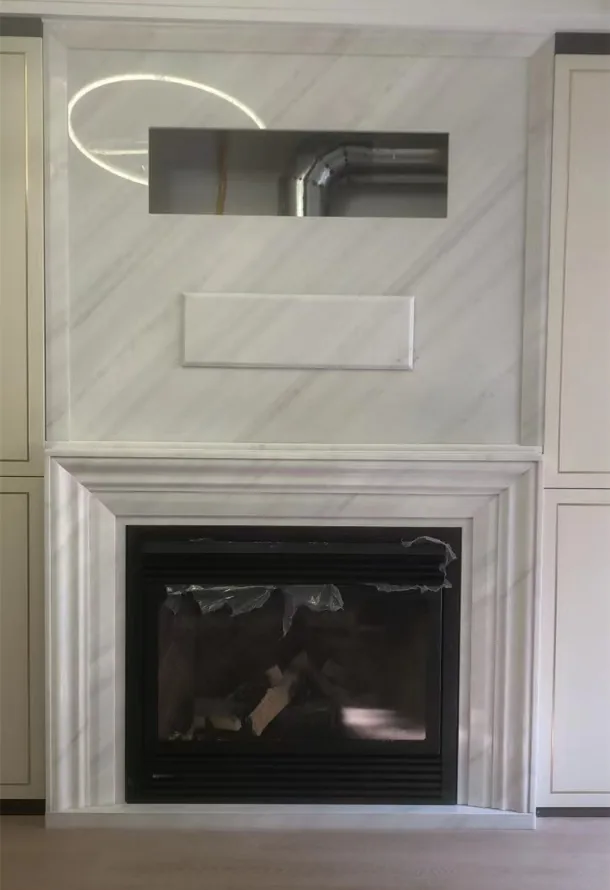
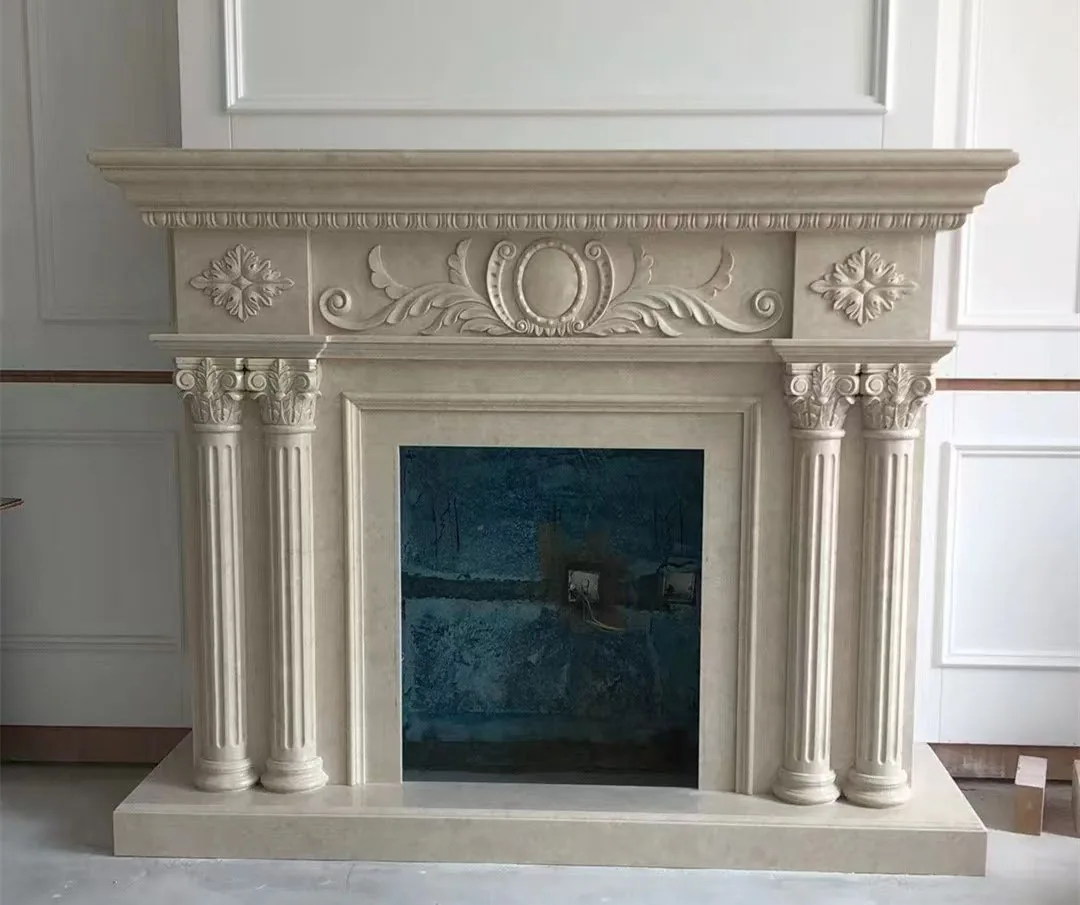
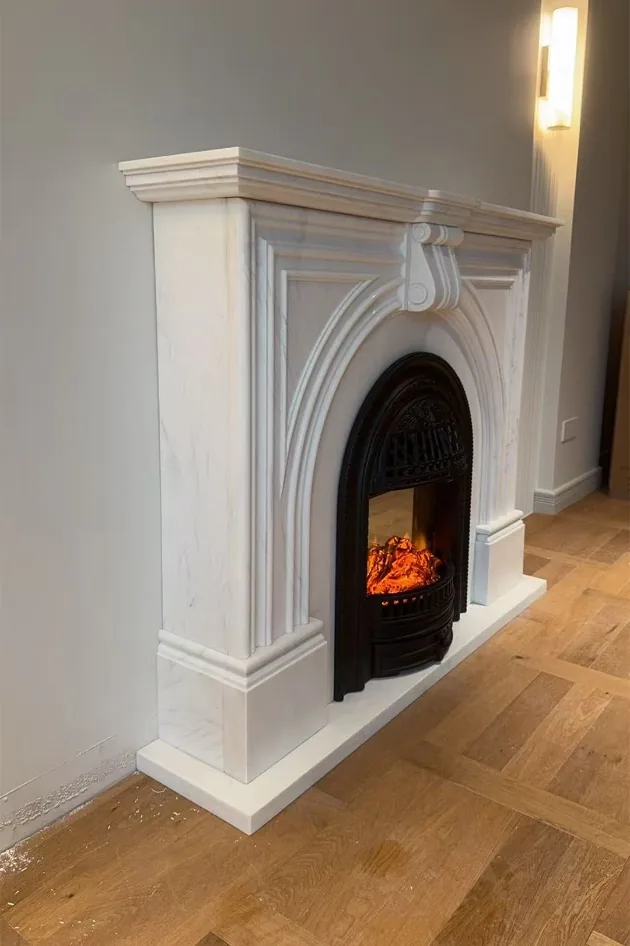
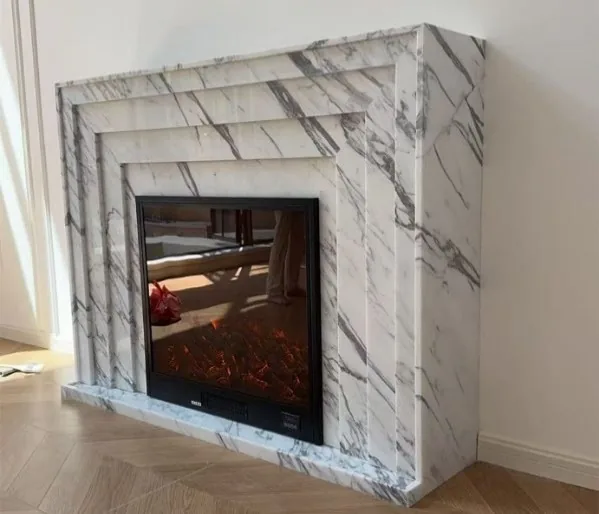
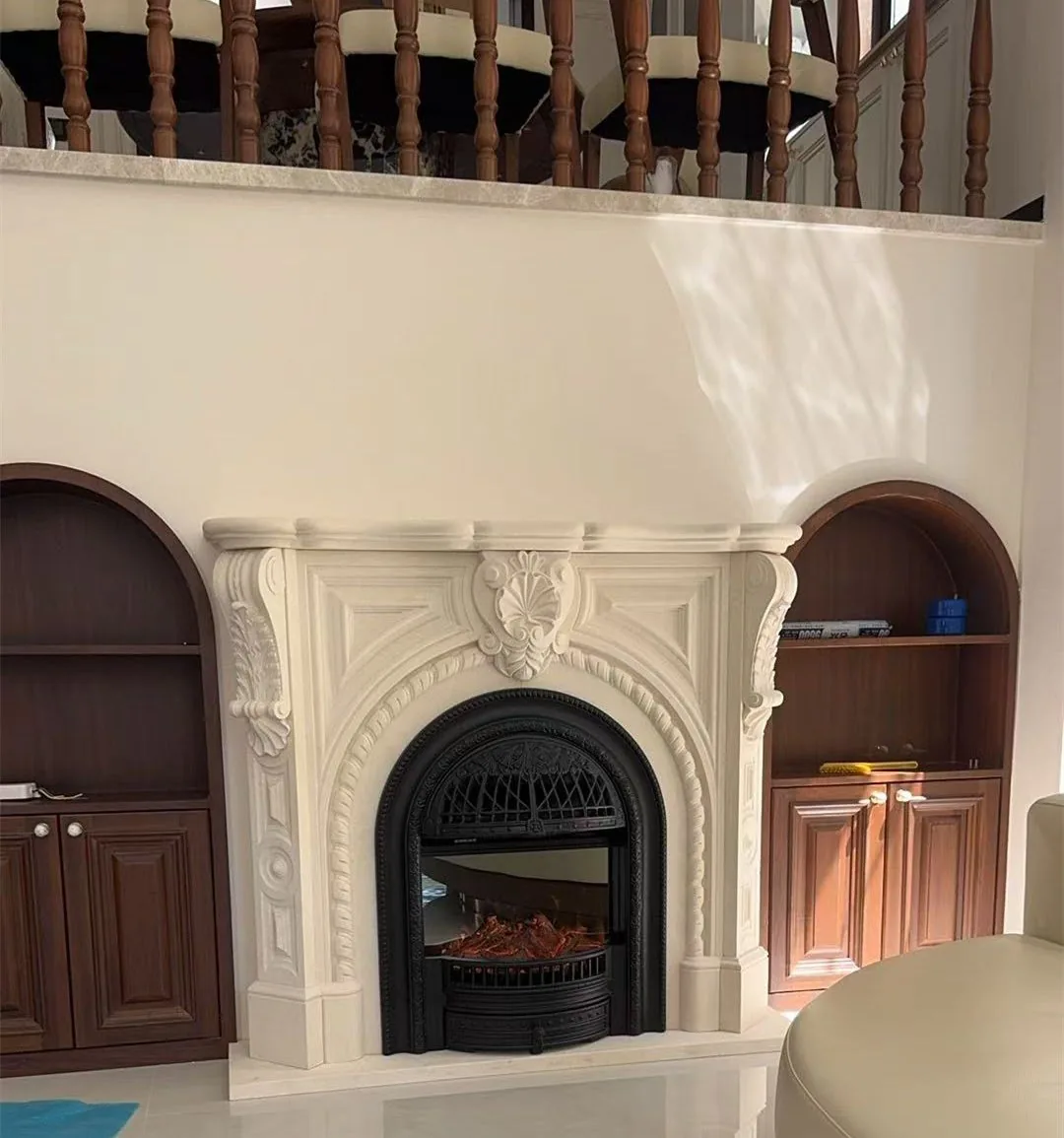
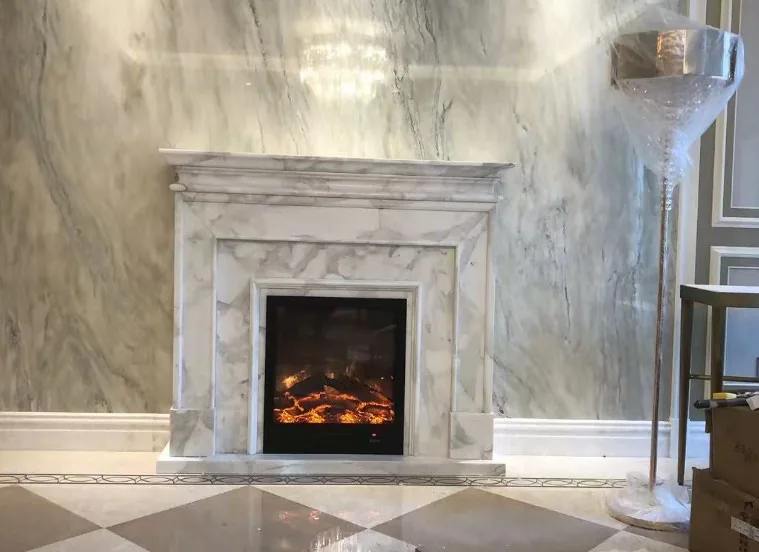
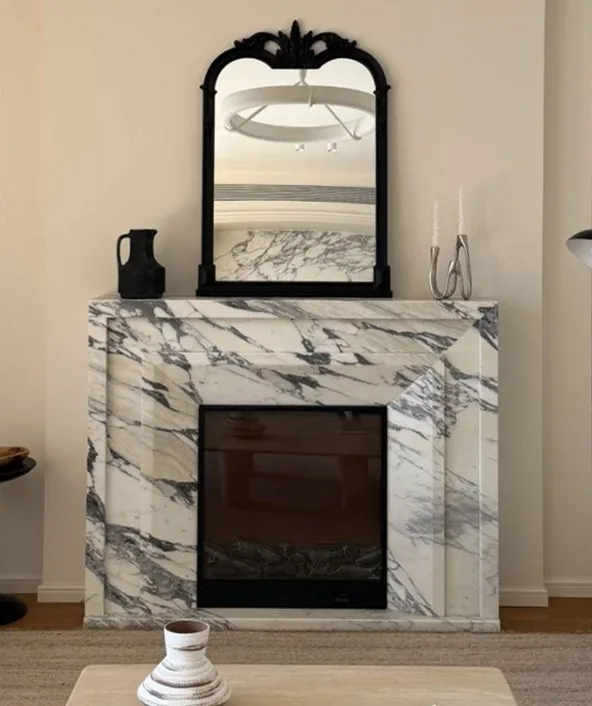
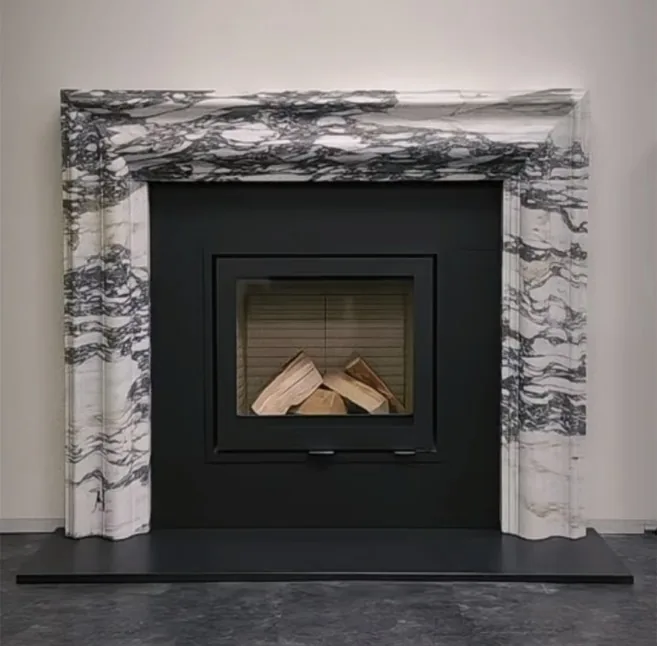
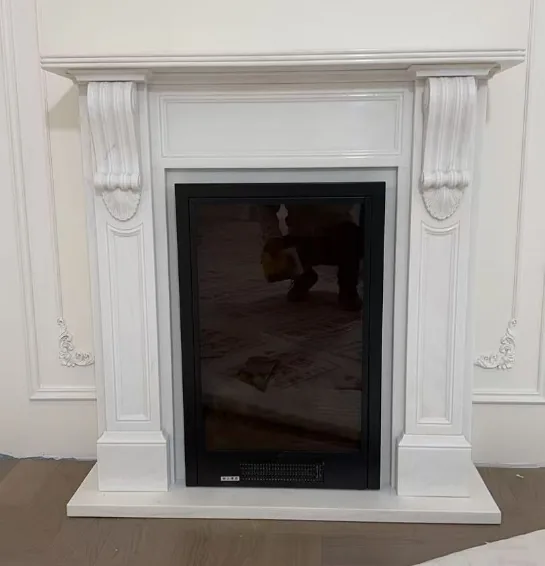
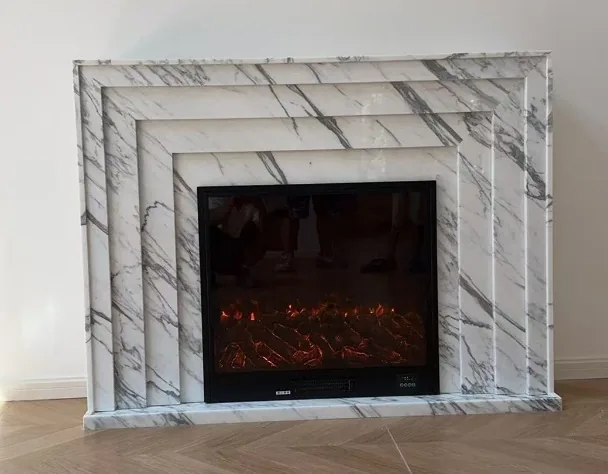
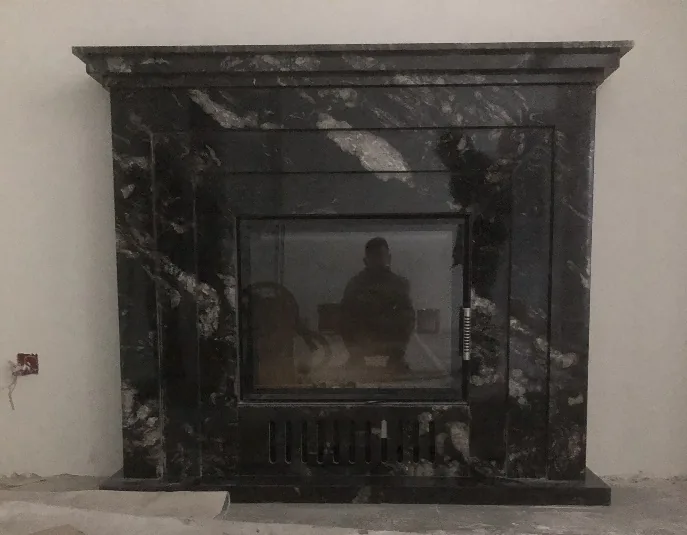
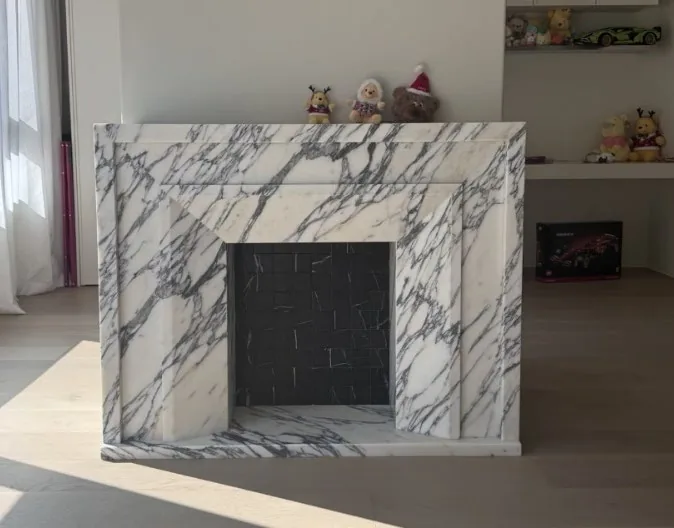
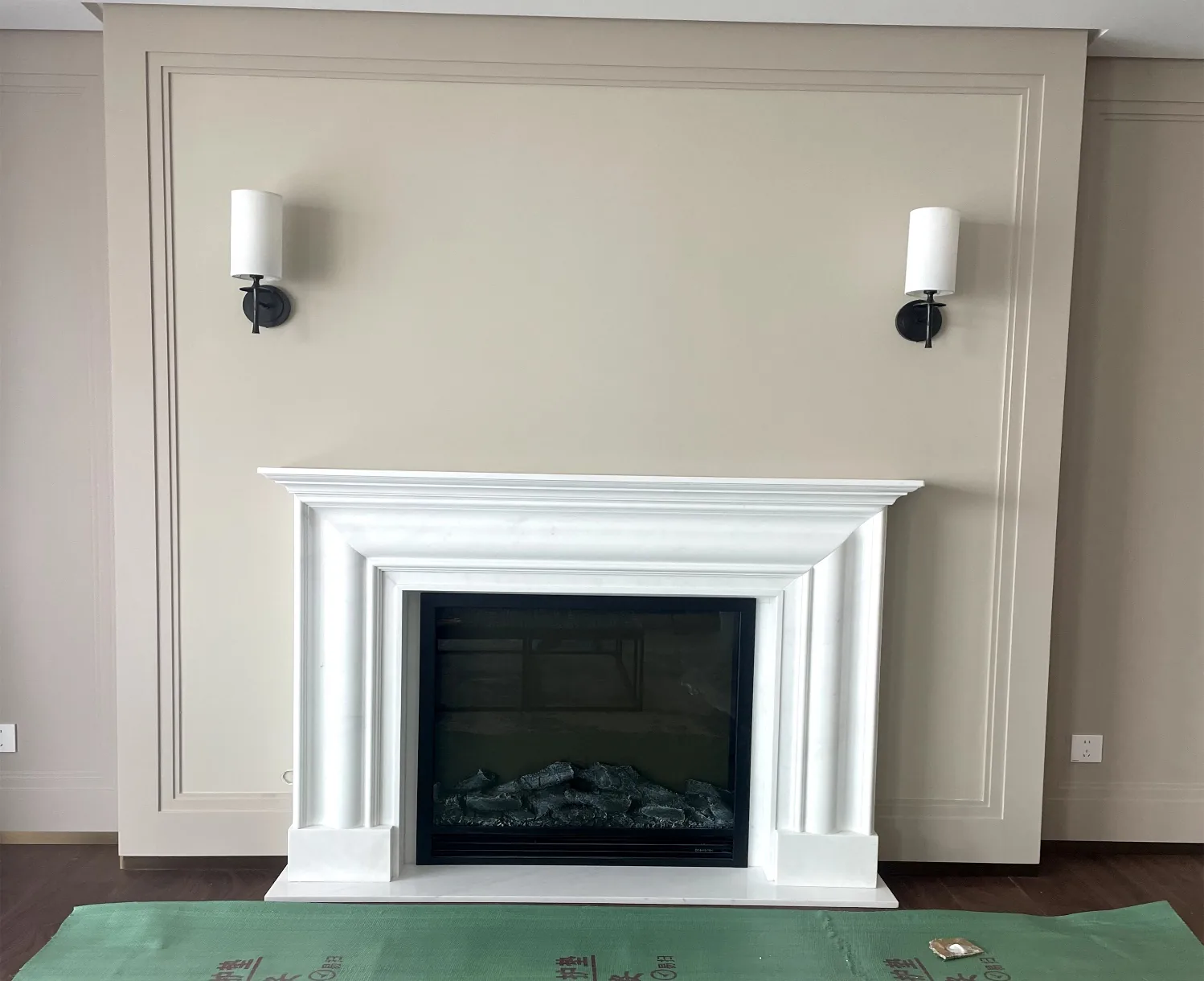
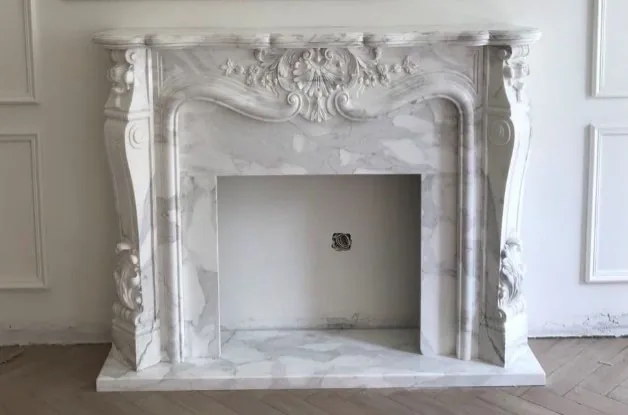
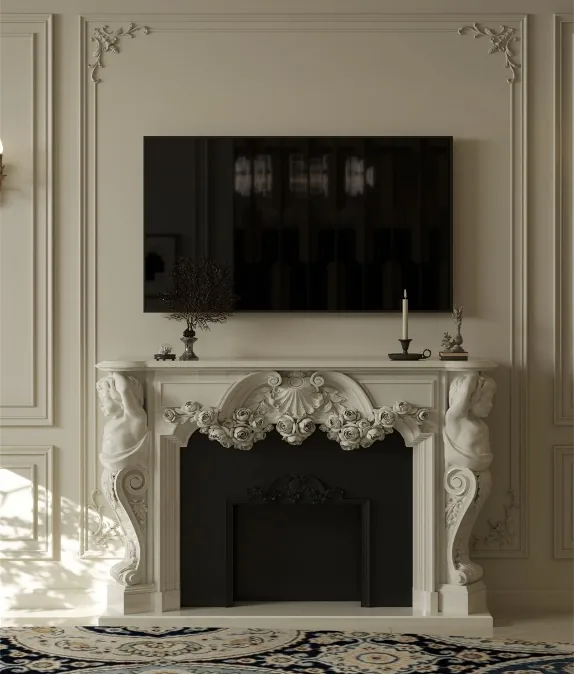
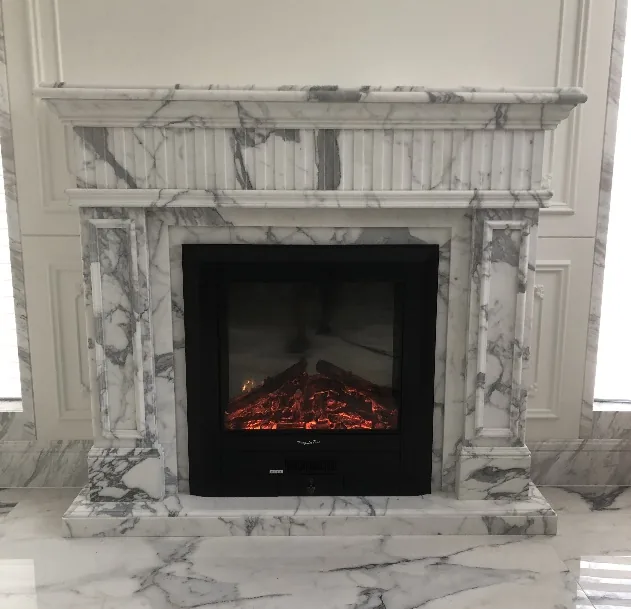
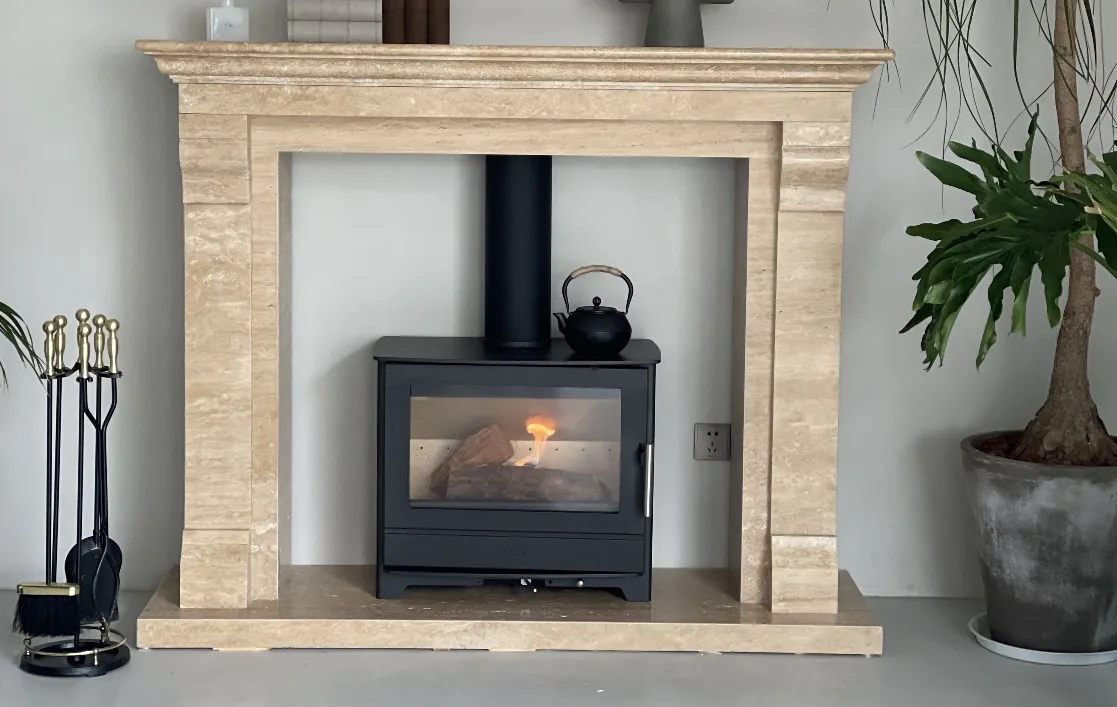
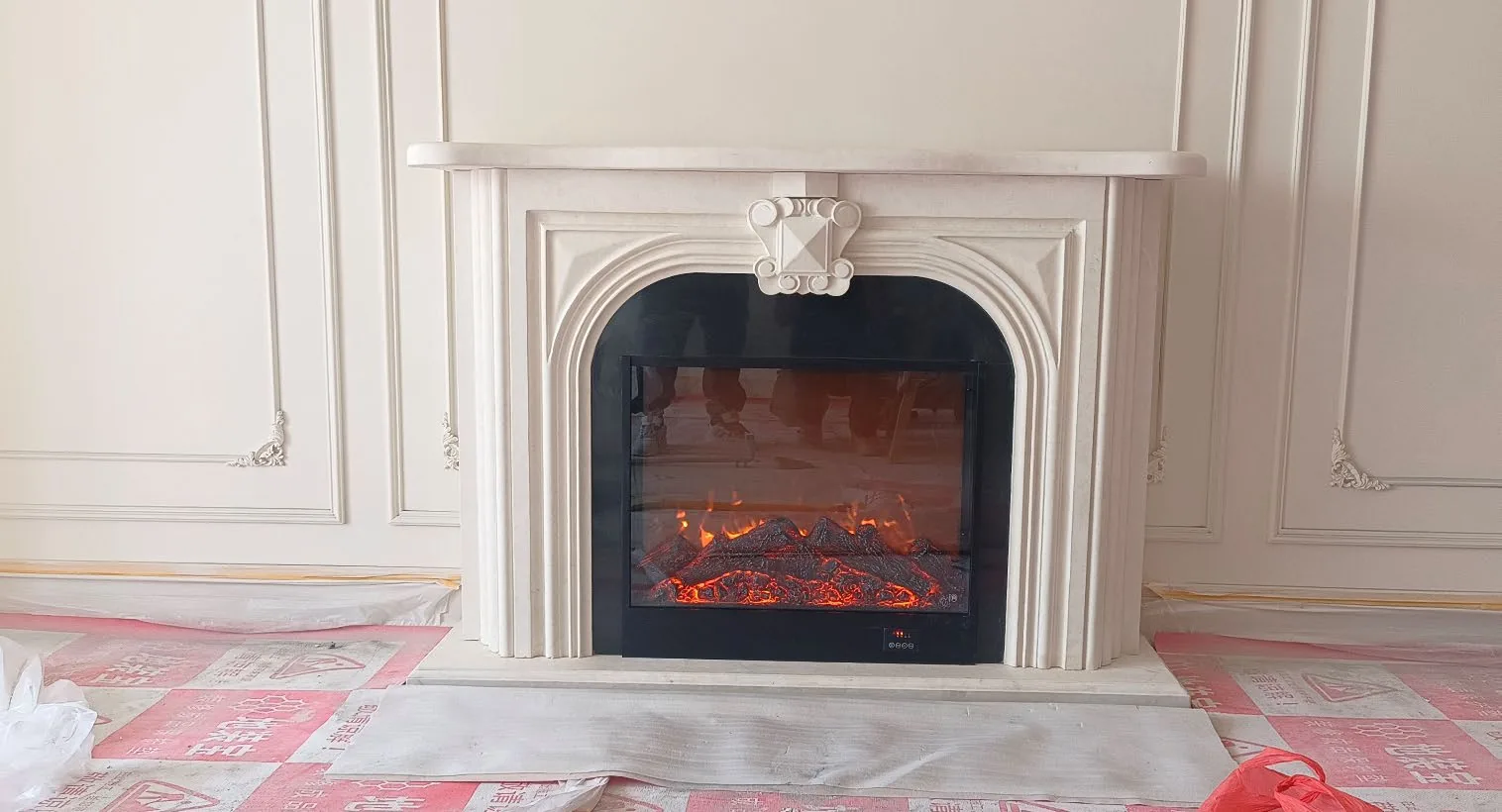
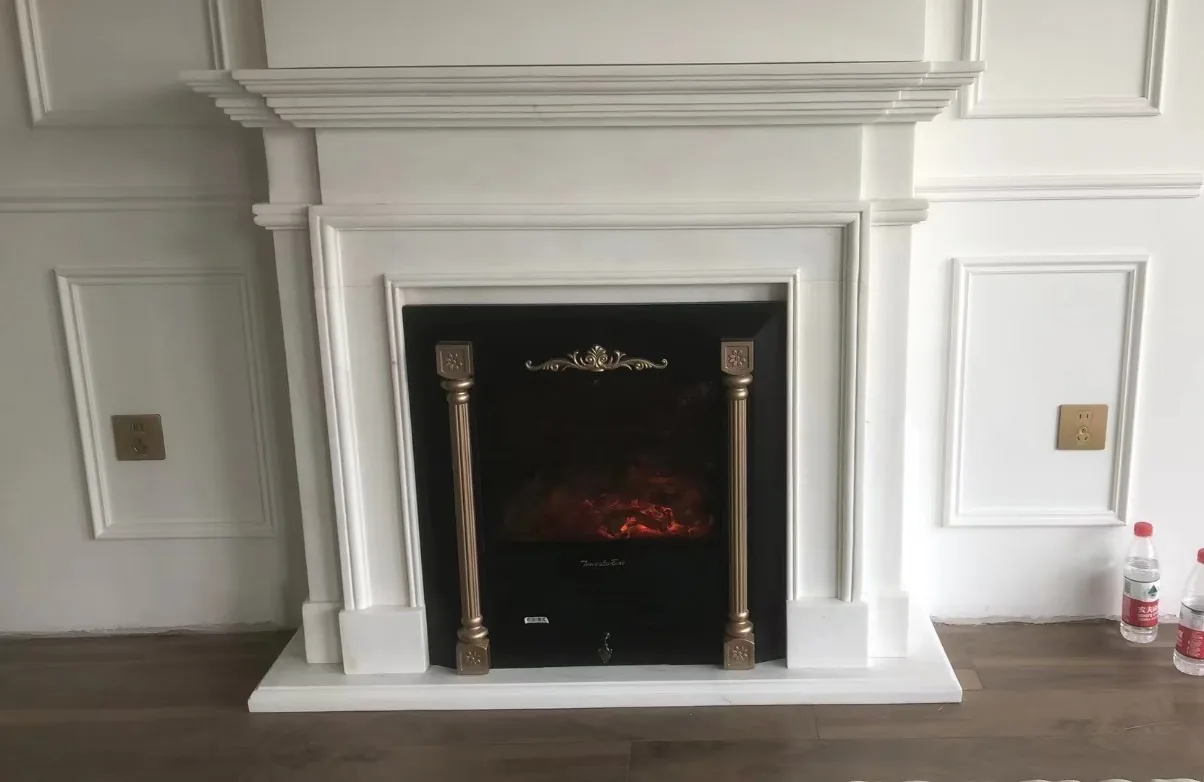
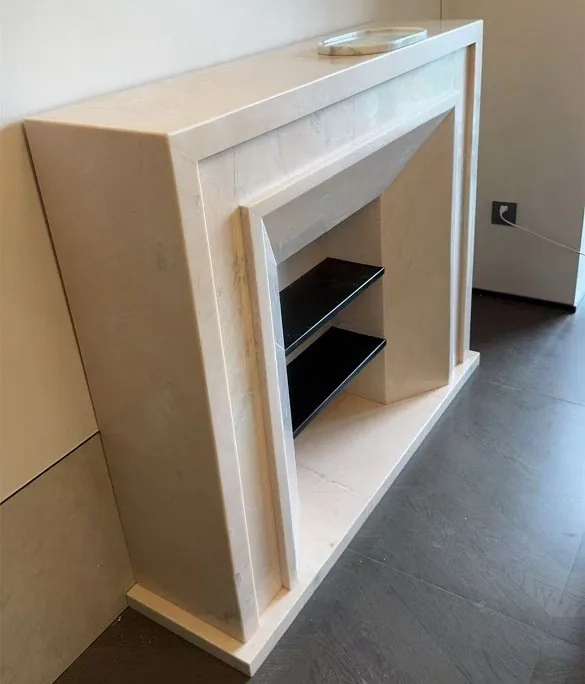
This page presents 174 fireplace installation and room references, from minimal stone frames to heavily carved surrounds. Open any image and choose “I want this” to send it to our team as a customization reference. We reply within 24 hours.
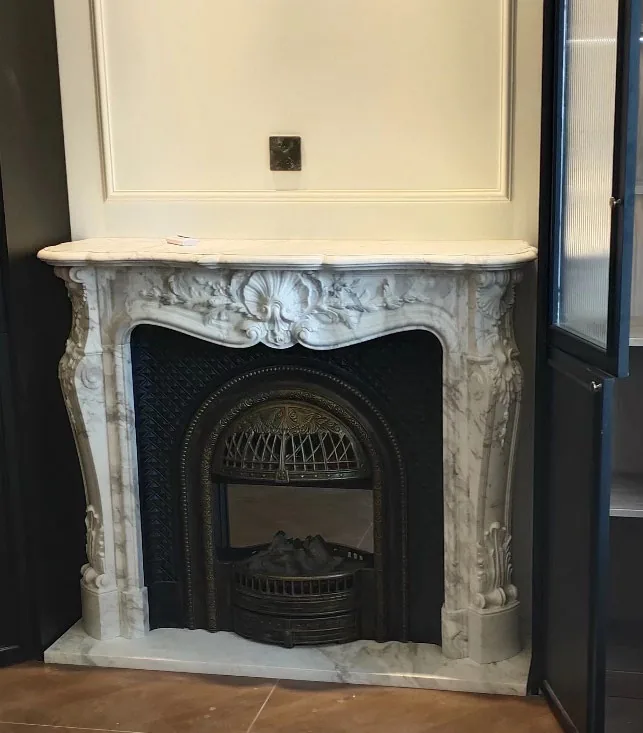
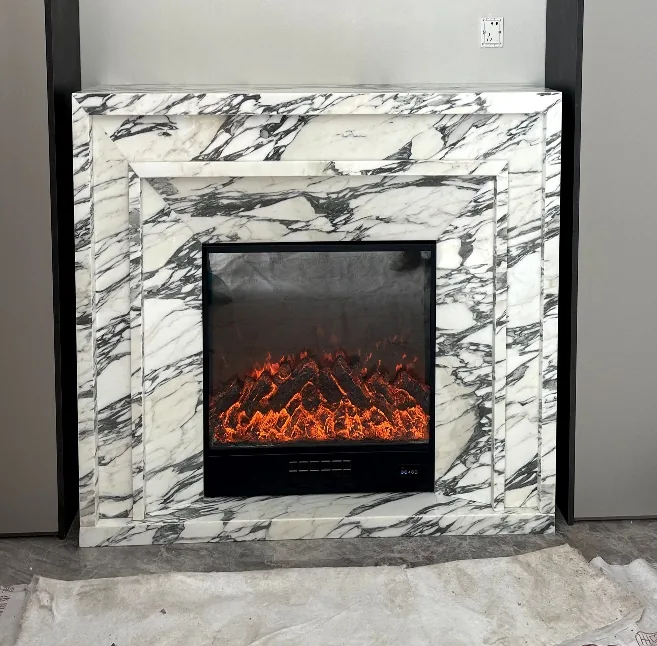
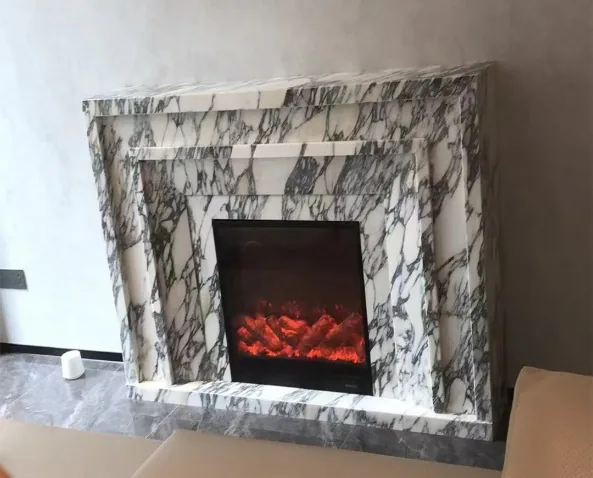
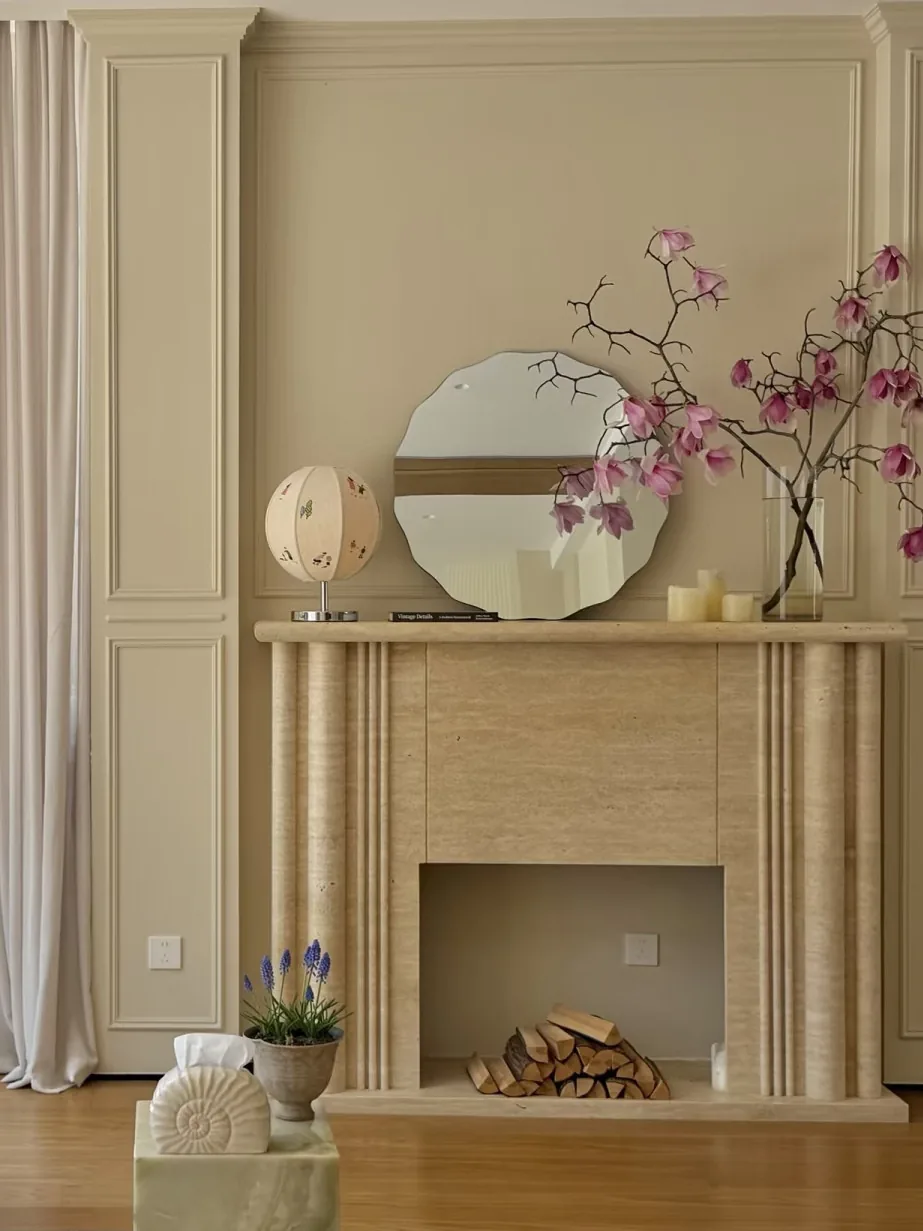
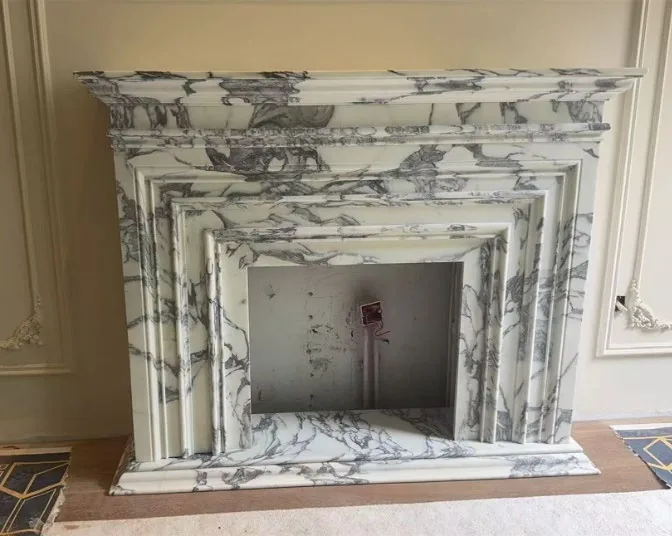
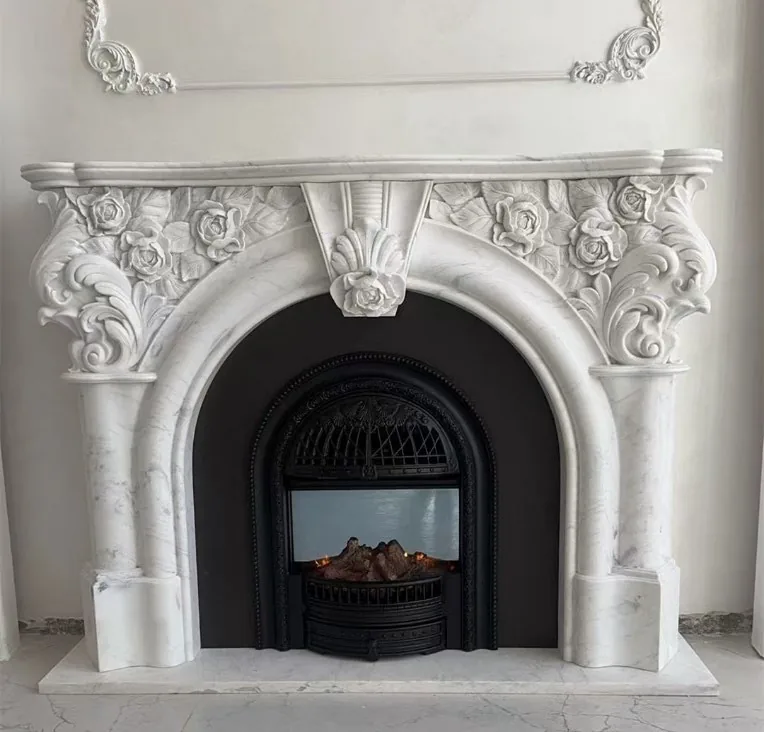
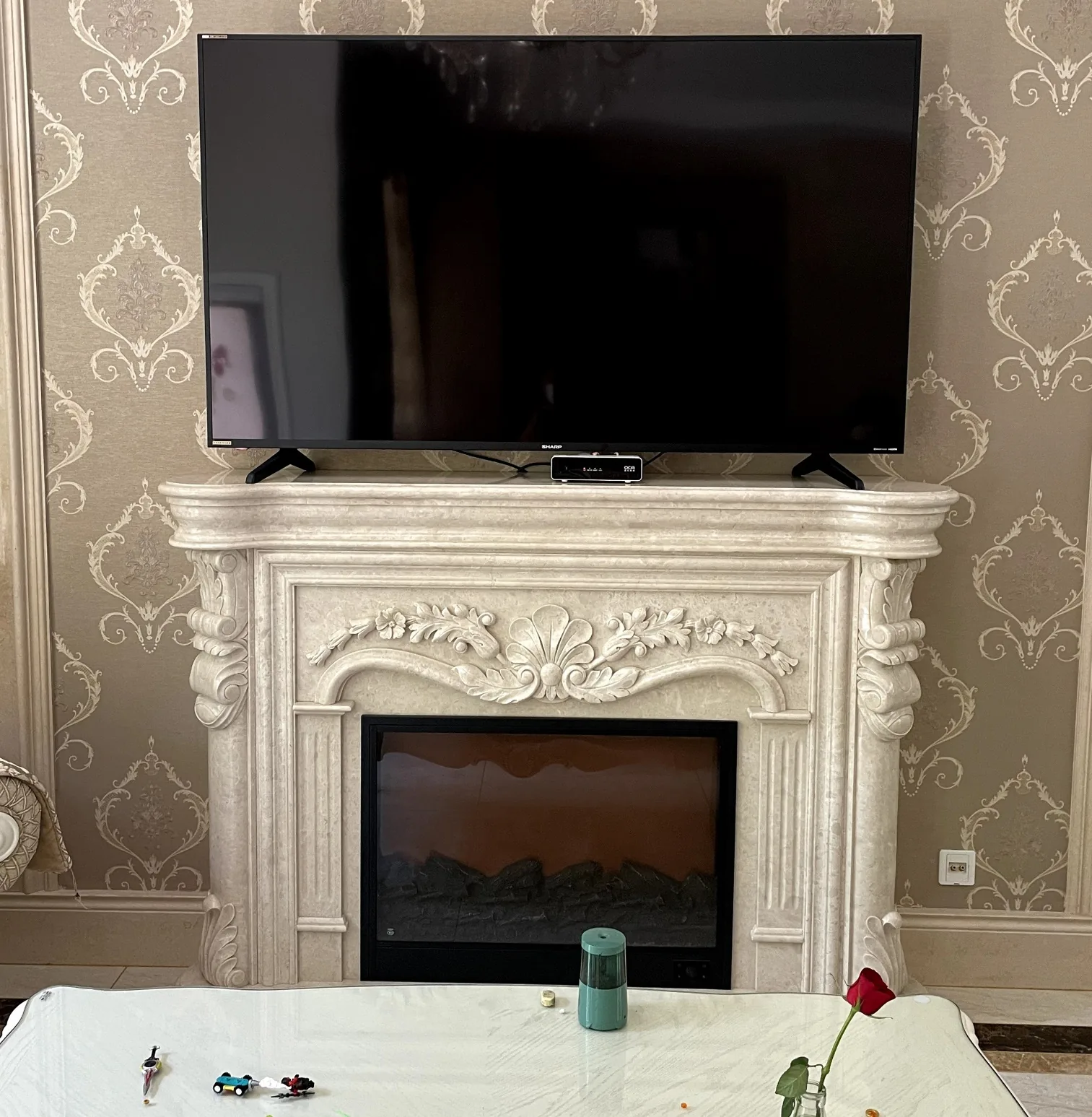
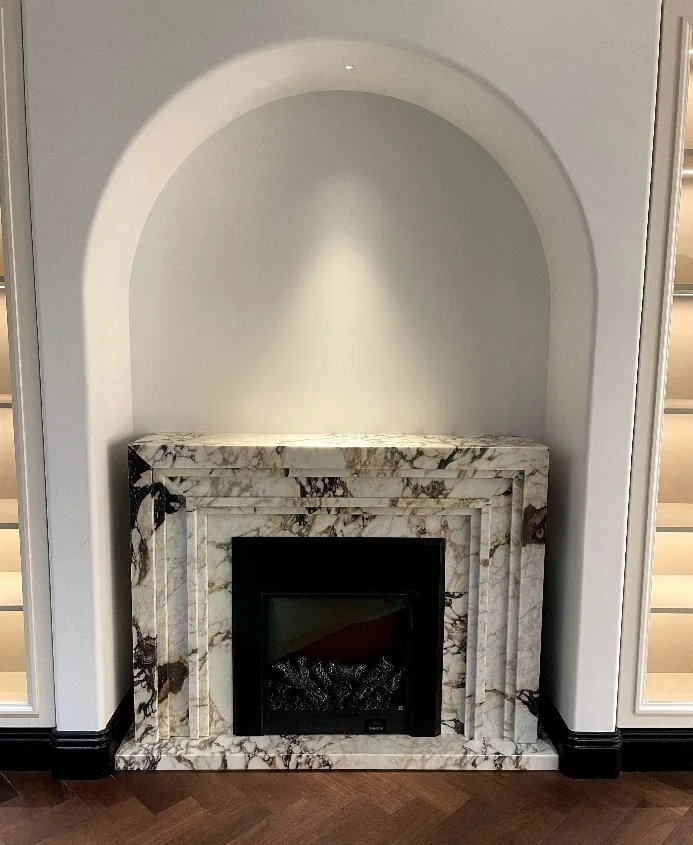
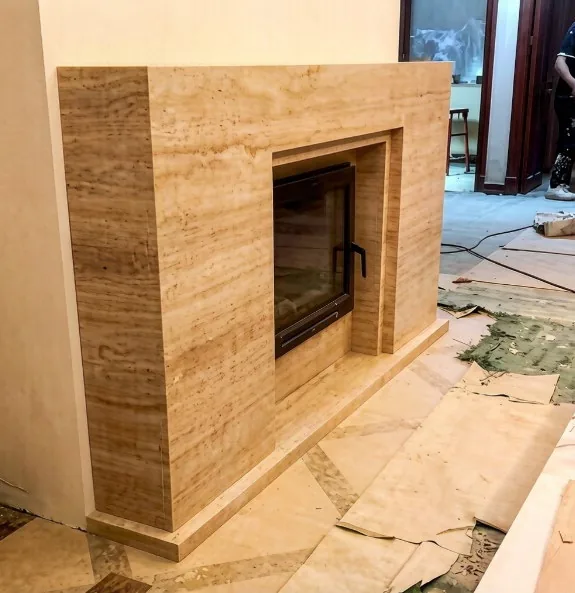
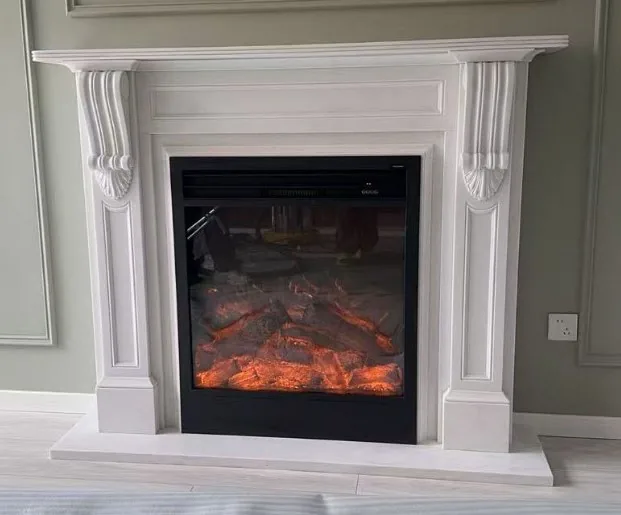
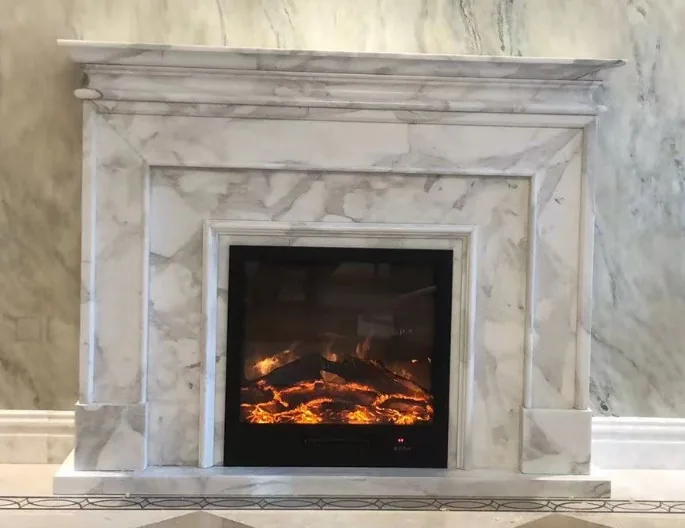
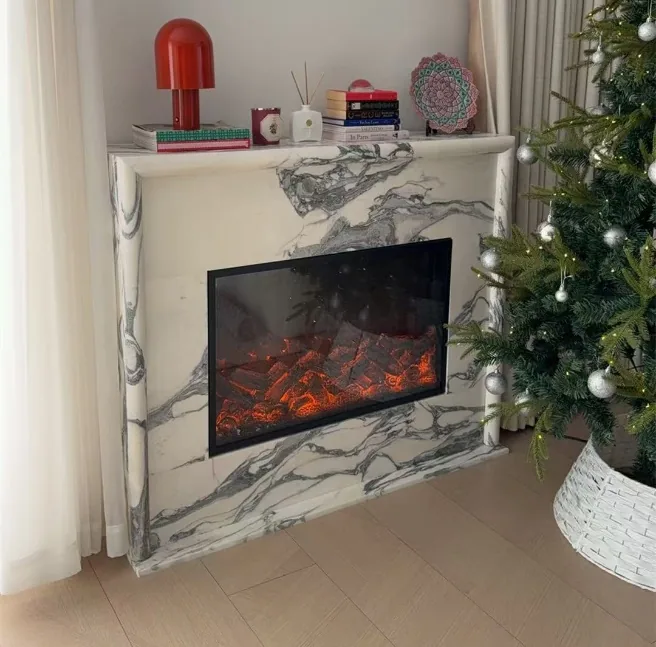
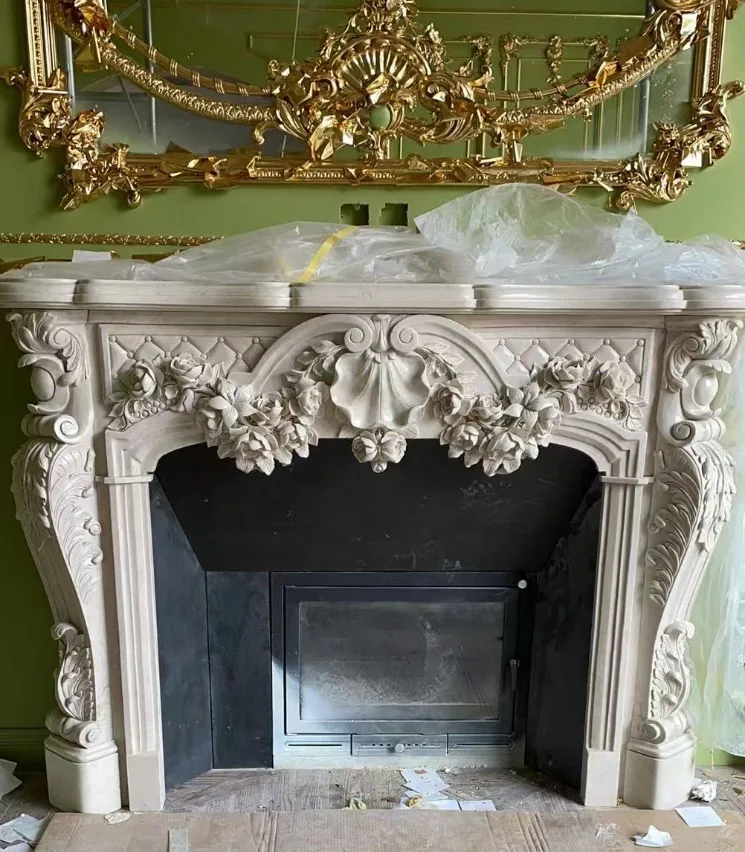
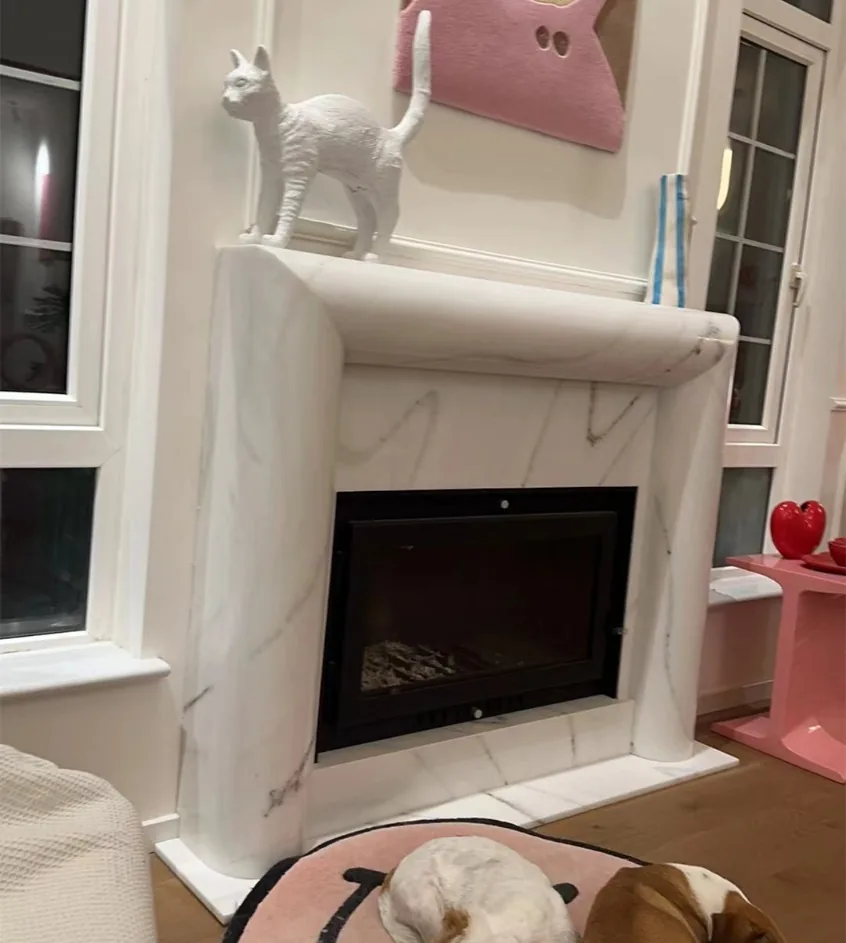
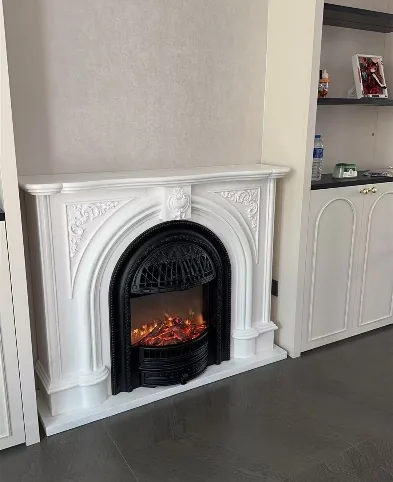
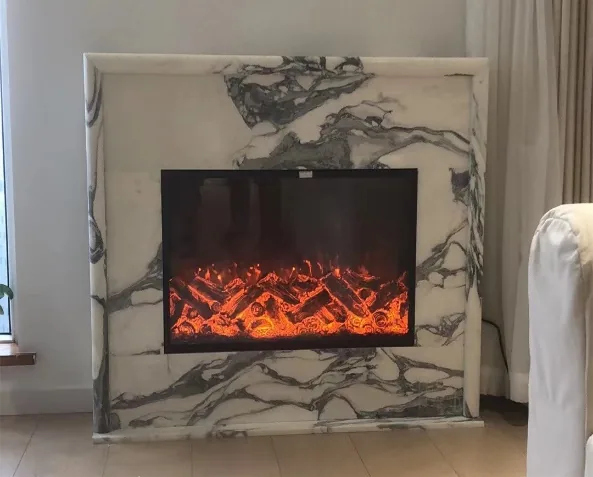
Fireplace images are useful because they show proportion, mantel silhouette, stone color and the relationship between the surround and the room in one view. This group includes installation scenes, furnished living rooms and showroom presentations. Use them to identify the design language you prefer, then supply measurements and site conditions for a new made-to-order surround. The references help narrow choices; they do not establish the clearances or construction method for your fireplace.
What does the fireplace project gallery show?
| Visual group | Distribution in this gallery |
|---|---|
| Total fireplace references | 174 images |
| Setting | 57 site views, 62 living-room views, 43 showroom views and 13 without a setting label |
| Dominant stone | 119 White Volakas, 30 Arabescato Corchia and 16 travertine, with smaller green and cream groups |
| Carving | 59 heavy, 78 light and 26 without carving; 12 are not classified |
| Mantel form | 64 curved, 48 stepped, 47 straight and 4 carved |
| Finish | 106 polished, 55 honed and 14 without a finish label |
| Overmantel | 34 with a visible overmantel and 129 without |
| Quote response | Within 24 hours once the request is clear |
| Order quantity | One surround minimum |
| Timing | About 20 days for production and about 30 days for shipping |
Counts describe what is visible in the gallery. The 12 unclassified carving examples and other missing labels are not treated as claims about the physical fireplace.
Which fireplace styles can I compare here?
The largest visual family is French and Louis, represented by curved or carved frames and heavier ornament. English and Regency designs offer straighter mantels and stepped or lighter carved profiles. Modern minimal references reduce carving and use a direct opening; Art Deco examples concentrate on stepped geometry. The style collection pages explain each direction and link to the relevant single-design pages.
Use white marble fireplaces for the broadest pale-stone set, travertine fireplaces for warmer texture, and the English and Regency collection when a straighter architectural frame is the priority. For less ornament, compare the modern minimal collection and the Art Deco collection.
What should I check before choosing a fireplace reference?
- Match the frame to the firebox. Confirm the opening and required separation with the fireplace manufacturer and installer before accepting the proportions in a photo.
- Separate design from construction. Check wall support, fixing method, hearth treatment and access with the installer and local authority.
- Name the visual priority. Choose whether stone color, carving, mantel shape or the clean relationship with the room matters most, so competing details can be set aside.
These three checks prevent a strong image from becoming an unworkable brief. The final drawing should respond to measured site conditions, not to an assumed standard size.
Which stone direction fits my fireplace project?
White Volakas produces a bright, restrained frame and dominates this gallery. Arabescato Corchia adds more visible movement and suits buyers who want the stone pattern to become part of the composition. A bold white vein can strengthen contrast but needs careful review on the actual face.
Travertine introduces warmth and surface texture. Its natural voids should be discussed with the finish and sealing plan. Green, black and cream-beige references show that darker or warmer stones can change the visual weight significantly even when the mantel outline stays similar. Compare the selected stone against the room palette and the firebox surround rather than against the screen alone.
How do I quote a fireplace based on a project image?
Use “I want this” on the image and explain which features you want to keep. Include the firebox opening, wall width, intended height and photographs of the installation area. State whether the design should be reproduced closely or adapted, and name the preferred stone direction if one is already known.
The minimum order is one fireplace surround. Production takes about 20 days from the deposit and approved drawings; shipping takes about 30 days. We reply within 24 hours and quote after the dimensions, stone, finish and packing scope are clear. Batch production and available stock can be discussed for larger requirements.
How do installation, living-room and showroom views differ?
| View | What it helps you judge | What still needs confirmation |
|---|---|---|
| Installation scene | How the surround meets the room shell and adjacent finishes | Concealed support, clearances and exact site dimensions |
| Living-room scene | Scale against furnishings and the surrounding color palette | Whether the visible room is a final installed setting |
| Showroom view | Stone detail, carving and mantel profile without room clutter | Lighting, wall conditions and fit in your space |
An installed view shows context, while a showroom view isolates the design. Both are useful, but neither can replace a measured drawing or a material sample.
What should I know about caring for a stone fireplace surround?
Clean the stone with a soft cloth and a pH-neutral product intended for the material. Acidic cleaners can damage marble and other calcium-based surfaces. Address spills promptly, particularly on pale or honed stone, and follow the fireplace manufacturer’s instructions around the active fire area.
Ask the installer which sealer was used and how it should be maintained. For travertine, include filled voids in routine inspection; for polished marble, monitor dull marks and etching. Keep the care product and stone finish in the fireplace maintenance notes so future cleaning does not introduce an incompatible product.
Frequently asked questions about fireplace projects
How do I choose between a carved and minimal fireplace reference?
Decide how much visual weight the fireplace should carry. Heavy carving creates a strong architectural focal point, while minimal profiles keep attention on the room and the stone pattern. In this gallery, 59 references show heavy carving, 78 show light carving and 26 show none. Ask to compare one example from each direction before narrowing the design.
What measurements should I send with a fireplace project image?
Send the firebox opening width, height and depth, the available wall width, the desired surround height and the hearth or floor depth. Add room-side photos and note any fixed furniture or access limits. If a drawing exists, include it. The installer should verify the site measurements before production drawings are approved.
Can you match the stone color shown in a fireplace project image?
We can use the photo to propose a similar natural stone direction, but exact shade and vein placement vary from slab to slab. White, cream-beige, green, black and gray references all appear in this gallery. Review an actual sample in the intended lighting and approve the specific material before fabrication.
Which fireplace references and guides should I open next?
Who prepared this fireplace project guide?
Amazstone is based in Foshan, China, has worked in stone since 2012 and has grown into a global stone supply network. It supplies natural stone and engineered stone for fireplaces, furniture and interiors; engineered stone is not natural stone.
Prepared by the Amazstone Editorial Team. Last updated 2026-10-28.
- This fireplace project page presents 174 references from the planned Projects gallery.
- Fireplace clearances and installation requirements should follow the firebox manufacturer’s instructions, local code and the named NFPA 211 standard.
- The Natural Stone Institute provides care guidance for natural stone surfaces.
Photo references
Explore the stone details
Open any image, add your project details, and continue to the inquiry form.