Engineered stone is manufactured, not natural stone. It offers controlled color and pattern for furniture and interiors, while natural stone brings slab-to-slab variation. Amazstone supplies both categories and can discuss a custom piece from one item; production takes about 20 days after deposit and approved drawings.
The references on this page cover engineered stone surfaces in gray, cream-beige, white, black and brown. They are useful for choosing a visual direction, but the surface is only one part of the specification. Edge shape, support, joints and care all need to be agreed for the intended table, counter, vanity or interior feature.
What should I know before choosing engineered stone?
The first distinction is material category. Engineered stone is made in a production process; natural stone is quarried. That difference matters for appearance, repeatability and the care instructions that should accompany the finished piece.
| Buyer question | Engineered stone | Natural stone |
|---|---|---|
| What is it? | A manufactured surface, not natural stone | Stone extracted from a natural deposit |
| How consistent is the look? | Pattern can be selected or controlled in production | Color and movement vary between slabs |
| What should be approved? | The offered pattern, batch and finished edge | The selected slabs and planned layout |
| How is it specified? | Name the material as engineered stone | Name the natural stone and selection |
| How is it quoted? | By material, shape, quantity and delivery details | By selected stone, fabrication and delivery details |
This page does not assume a particular formulation, finish or performance rating. Those details belong to the material offered for a specific quotation and should be checked before approval.
What do the engineered stone images show?
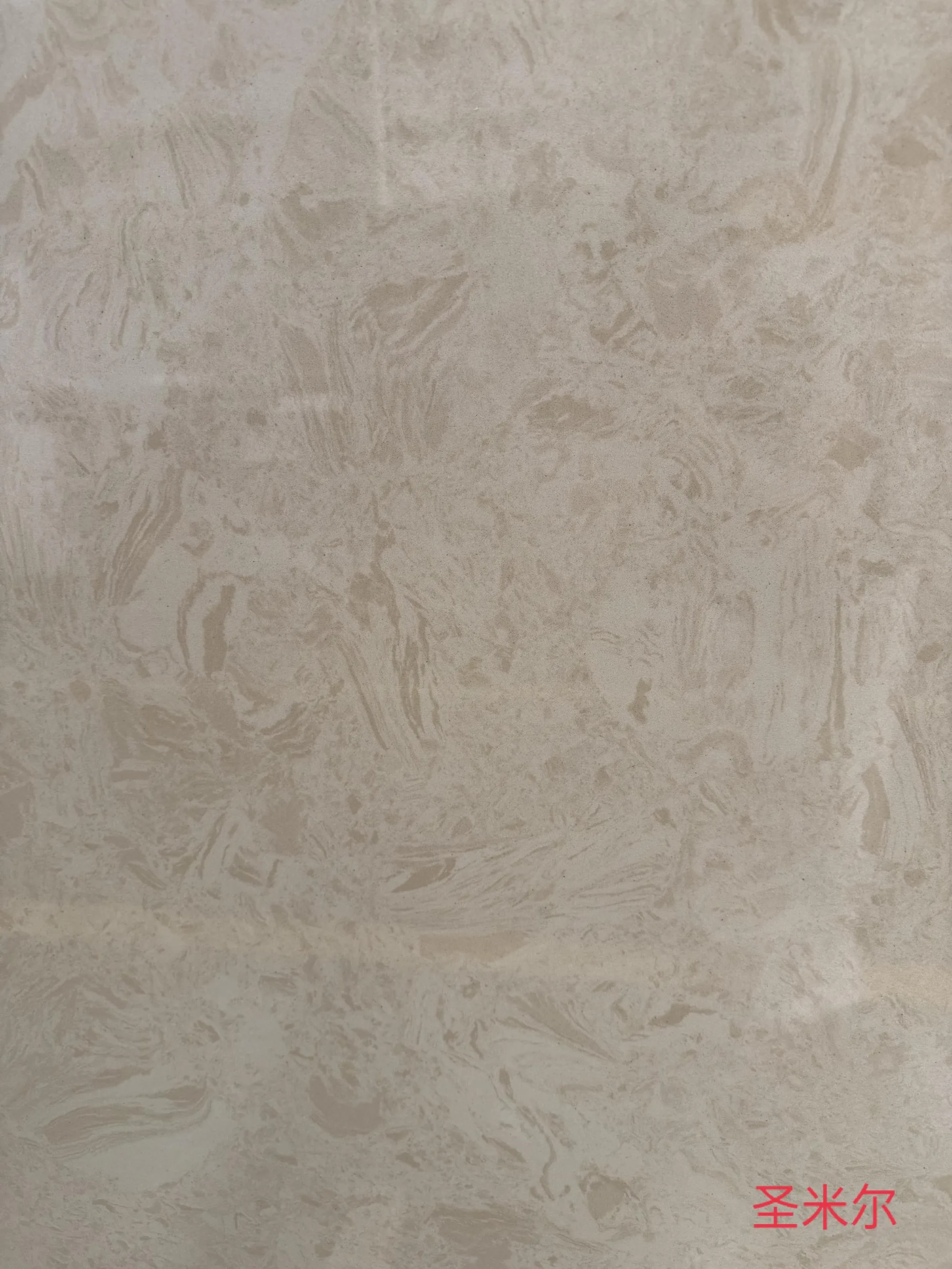
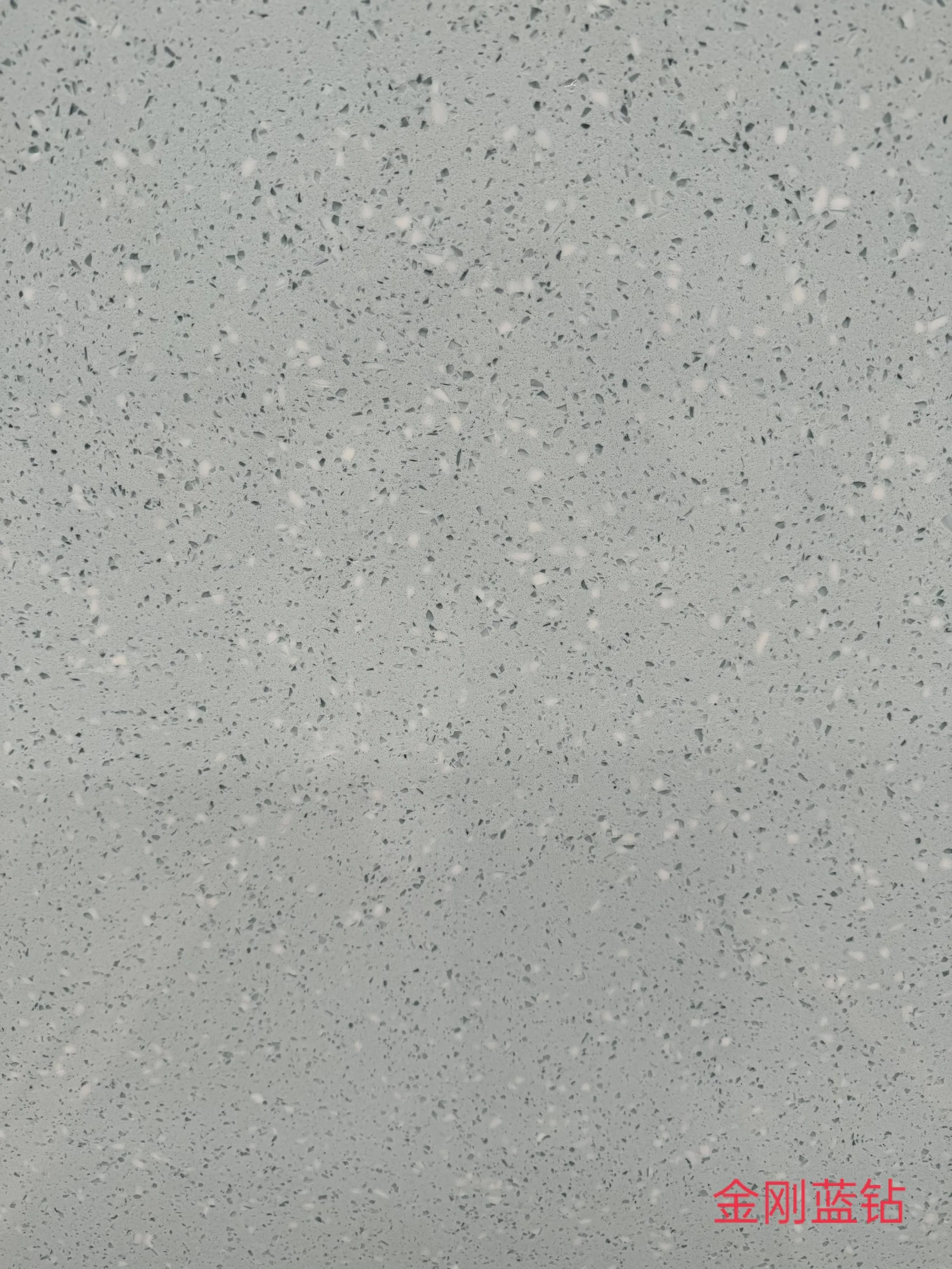
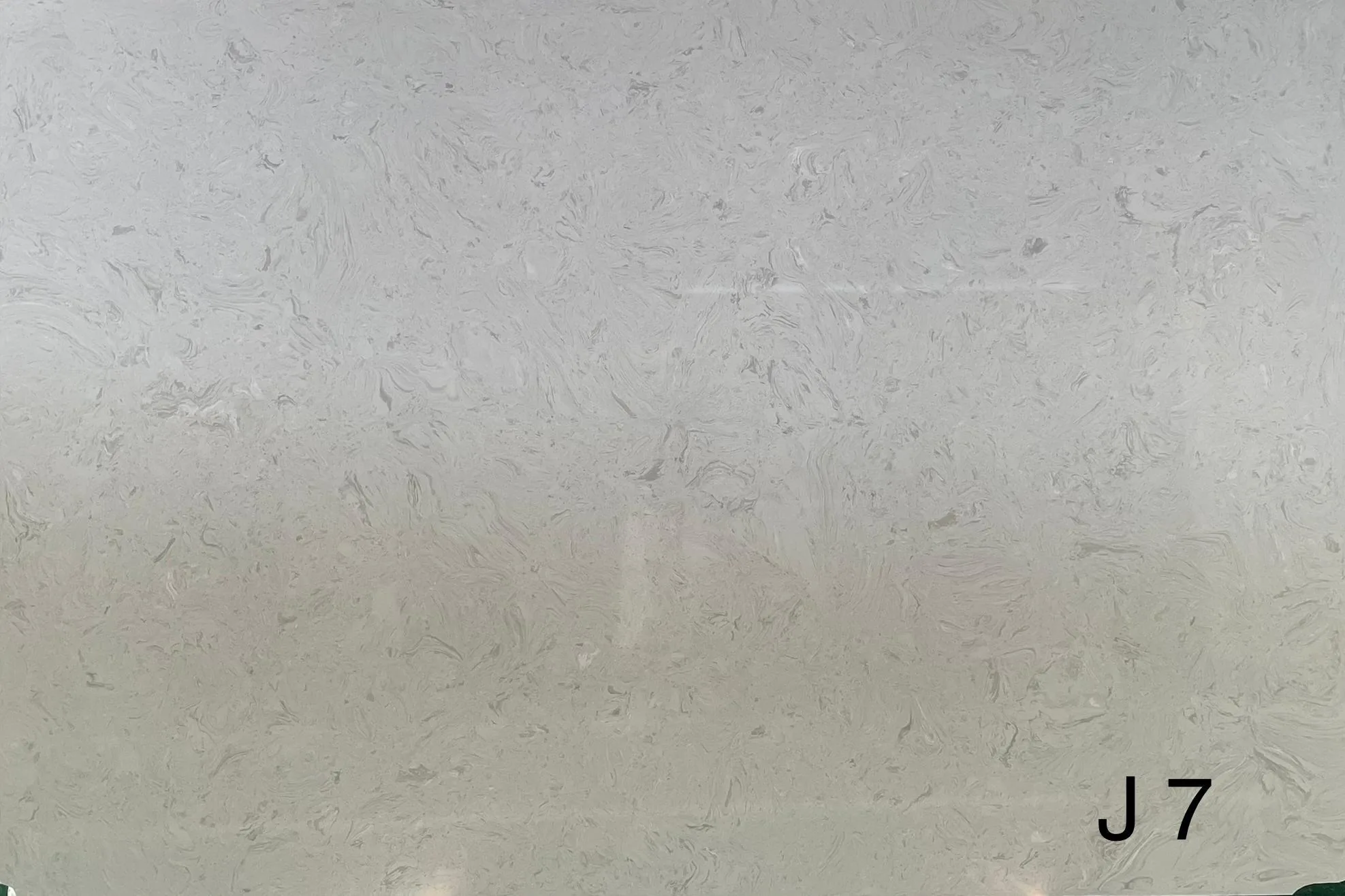
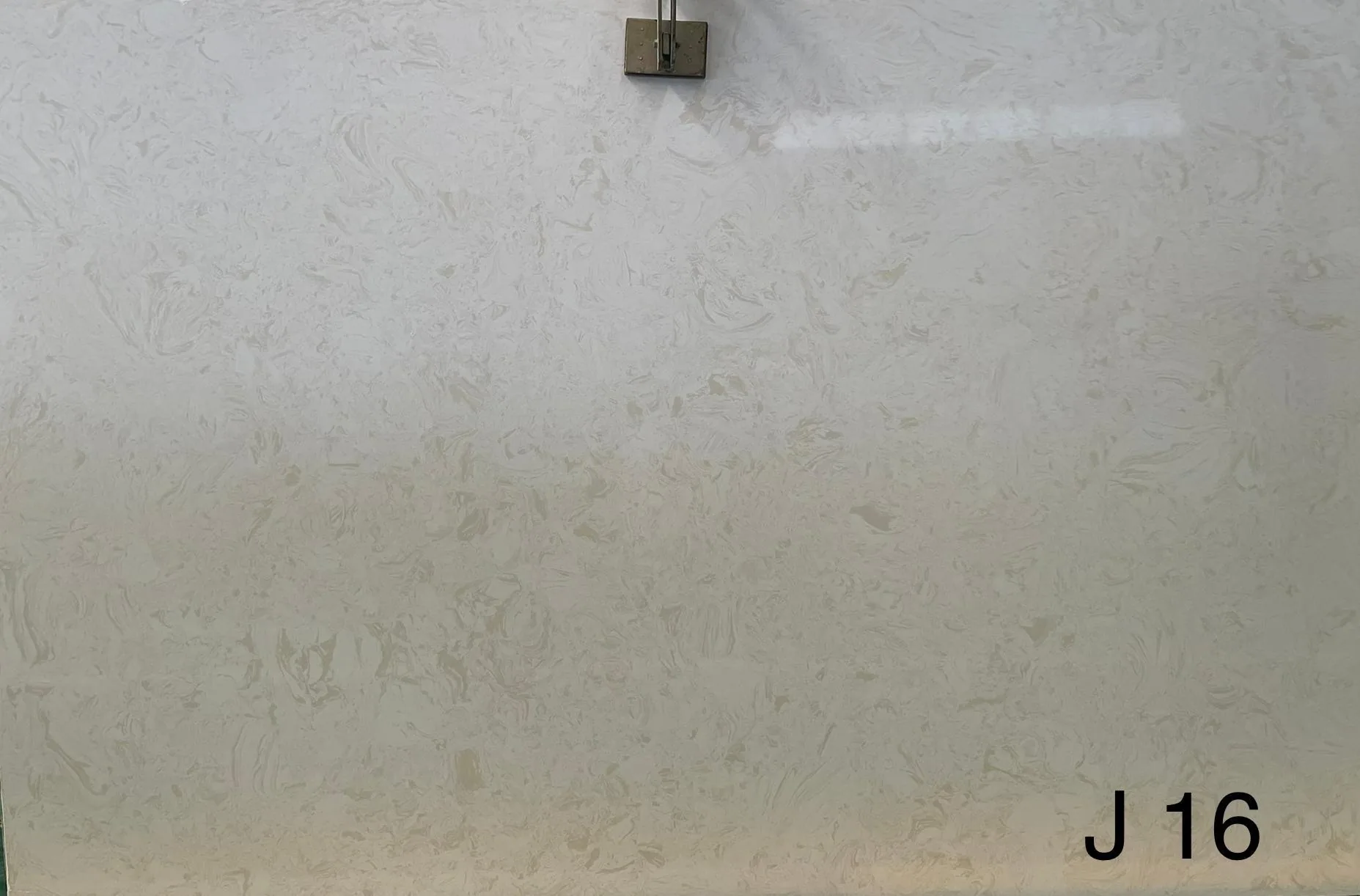
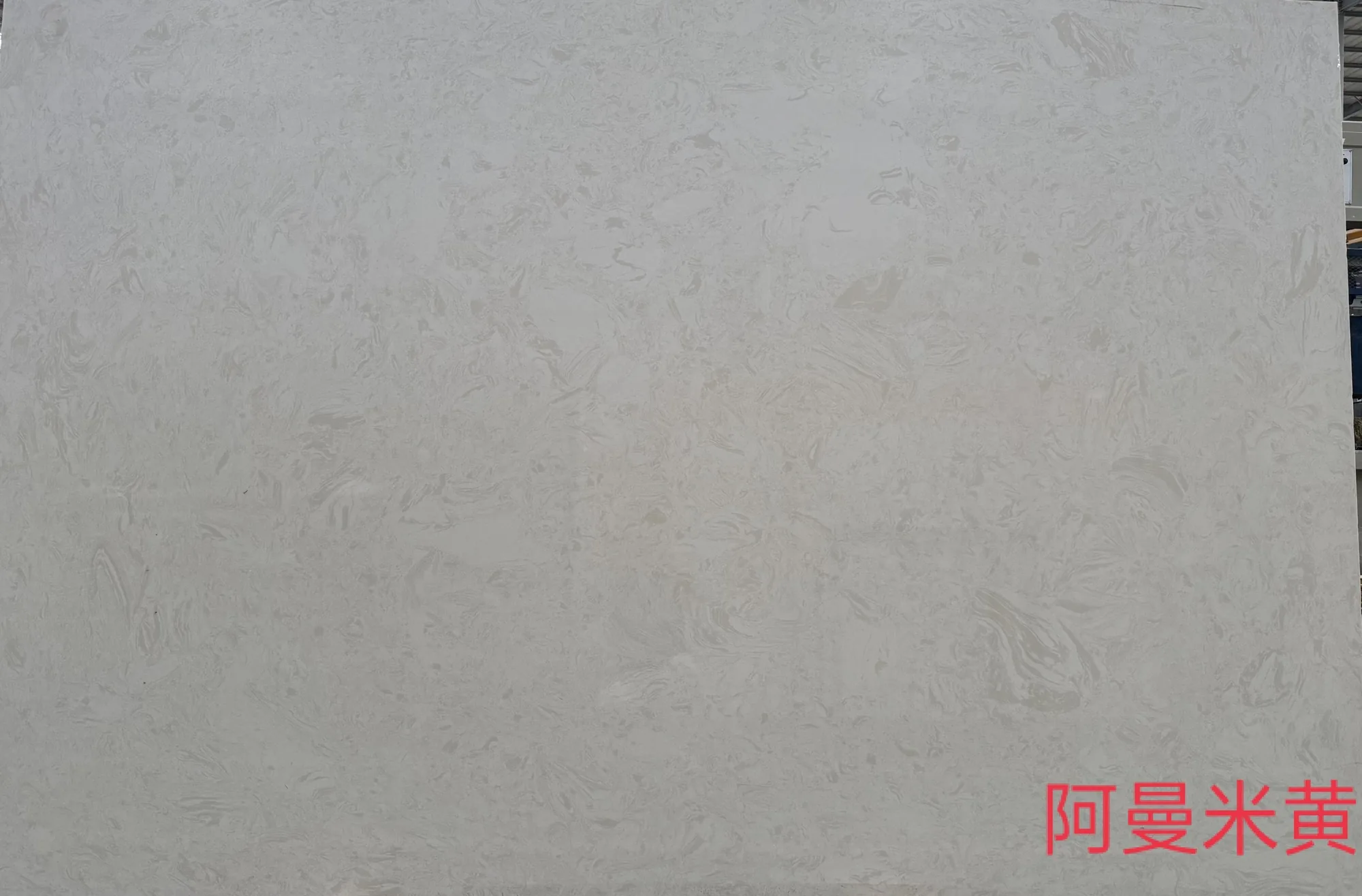
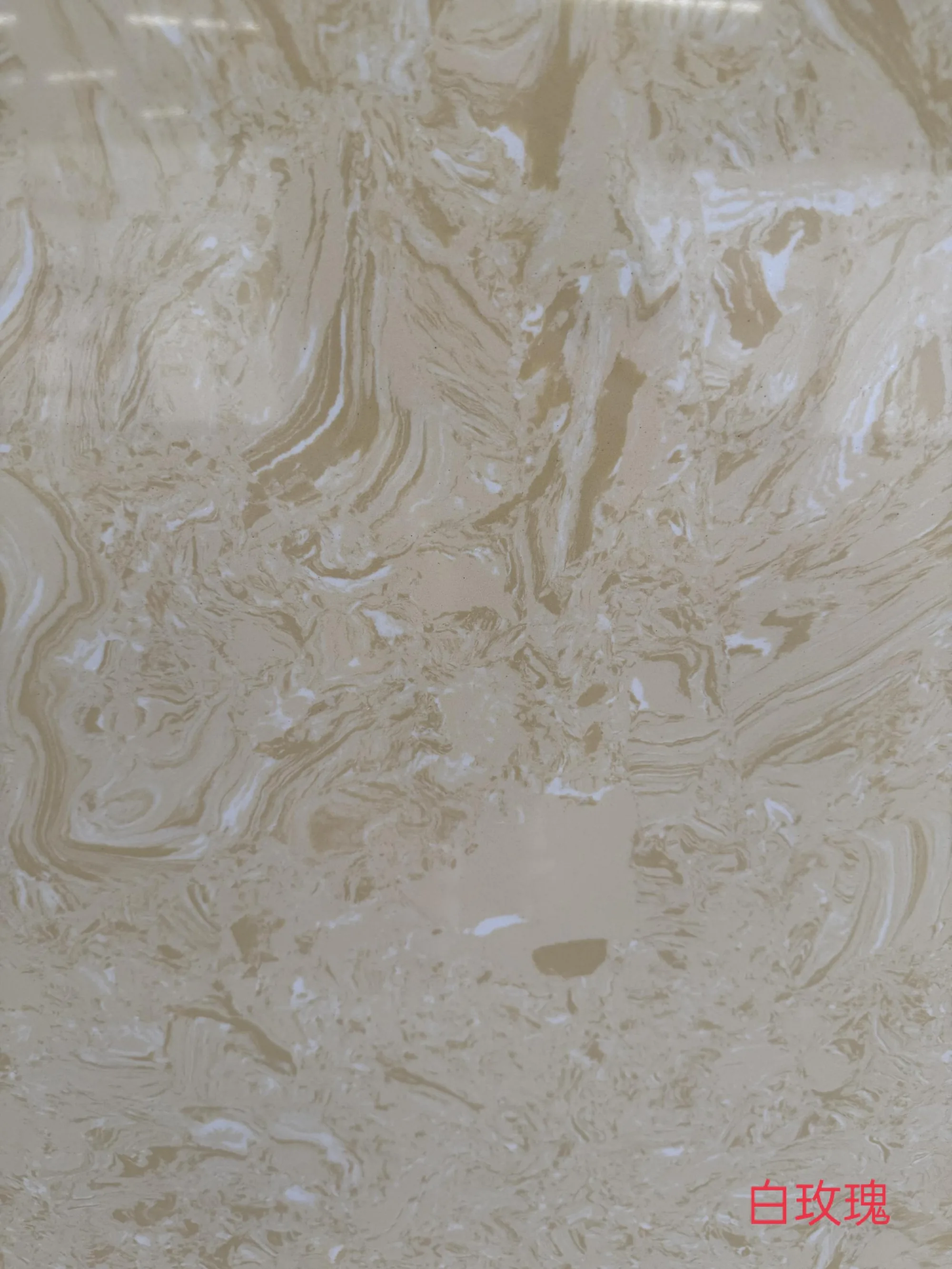
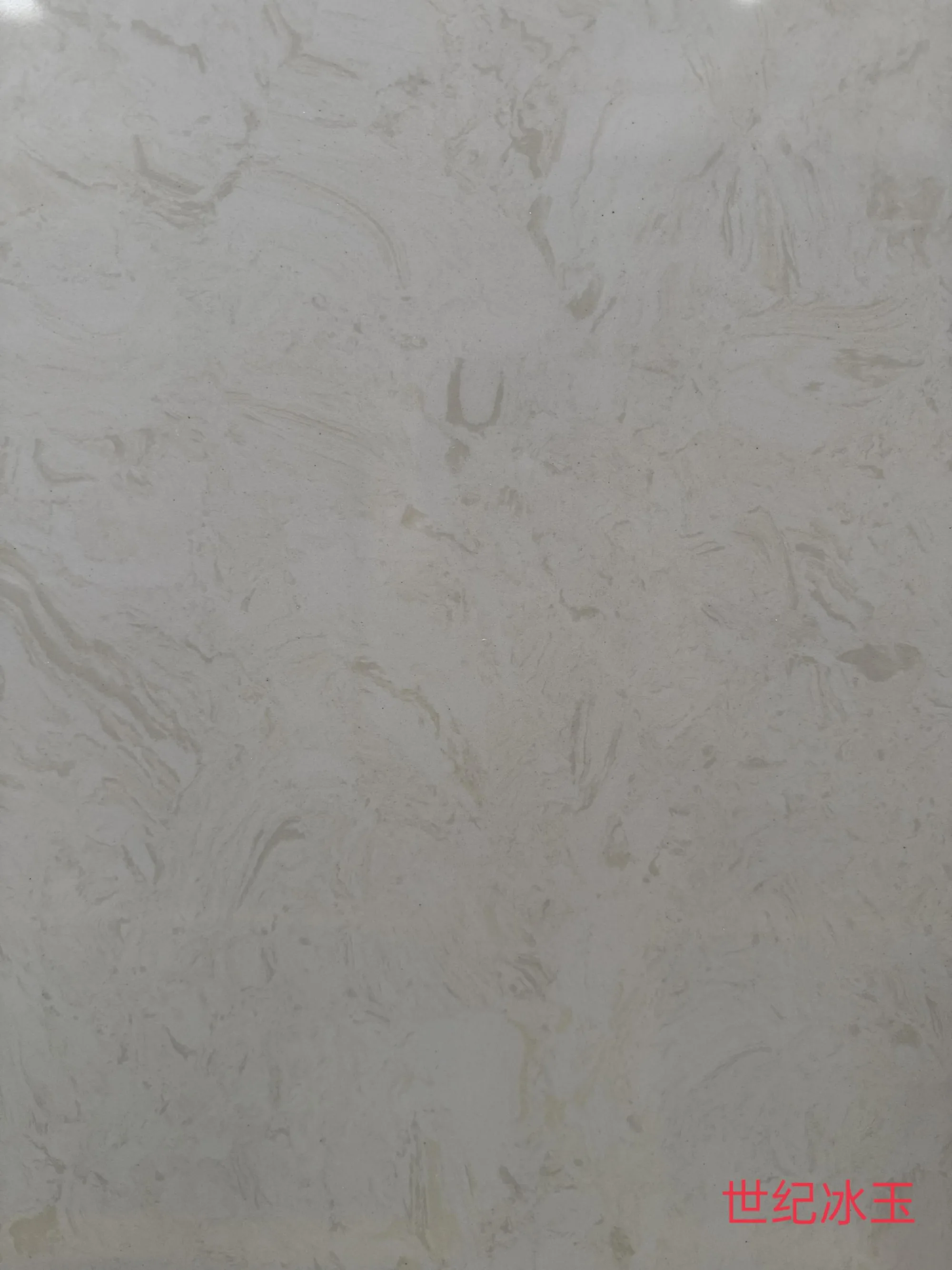
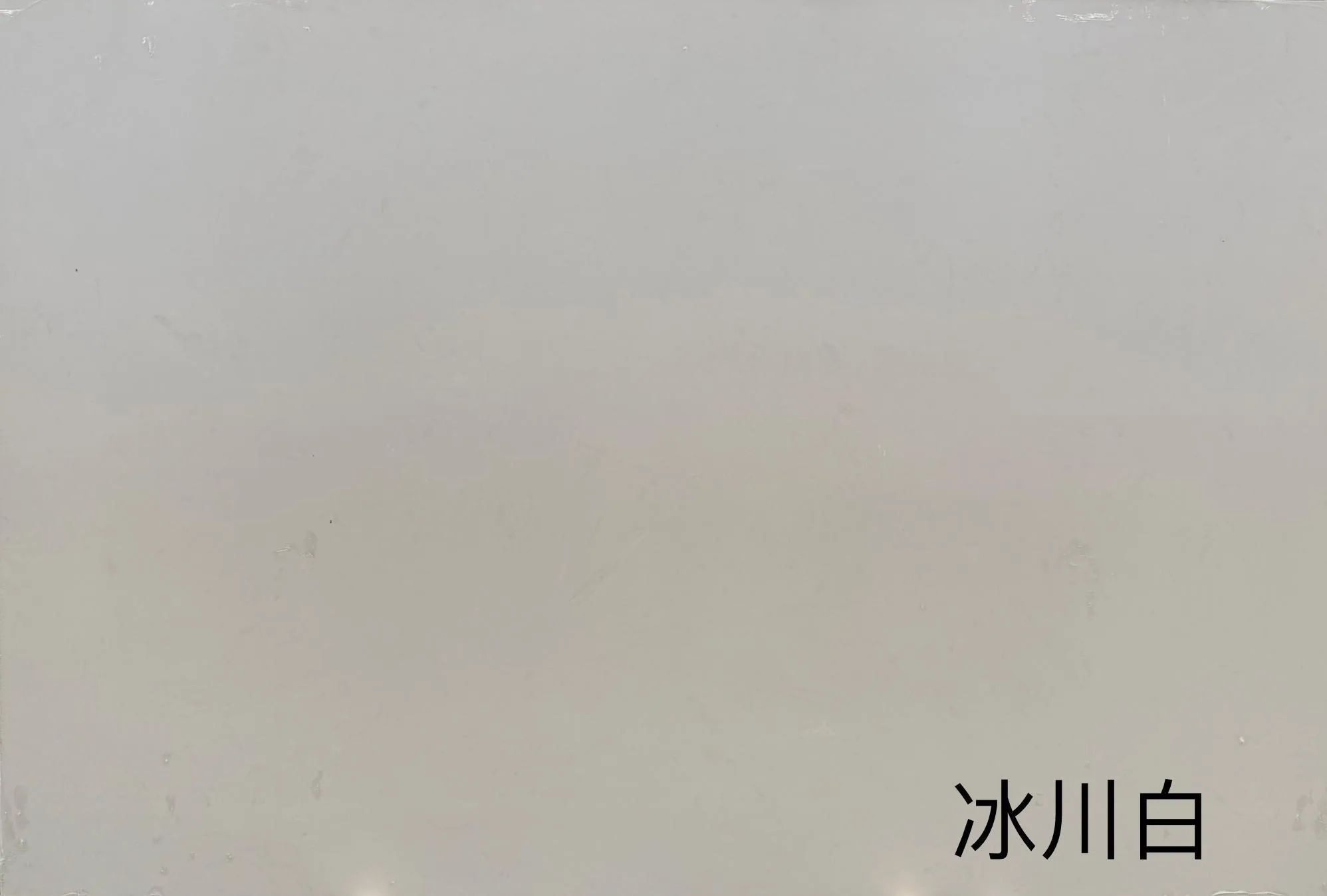
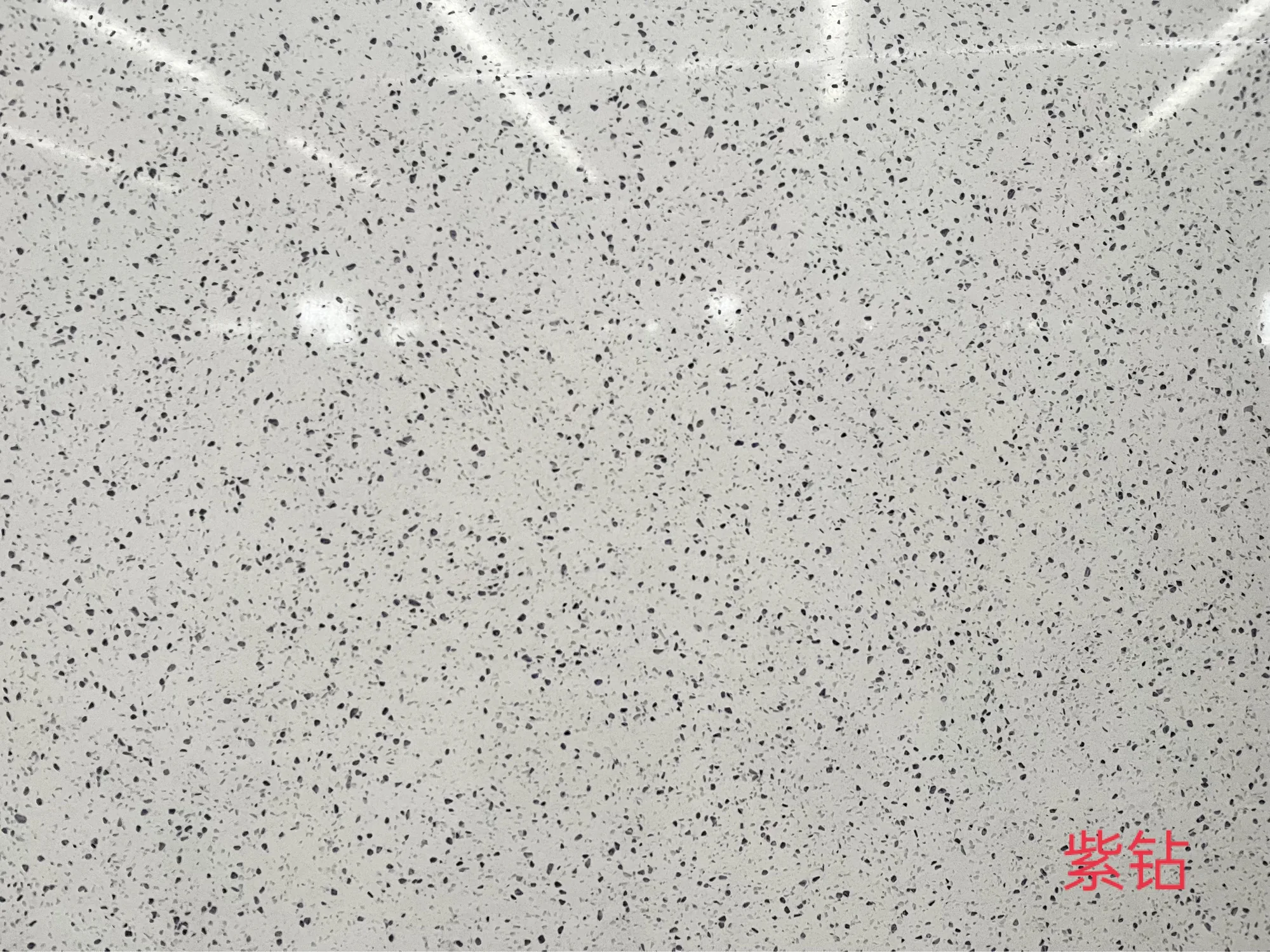
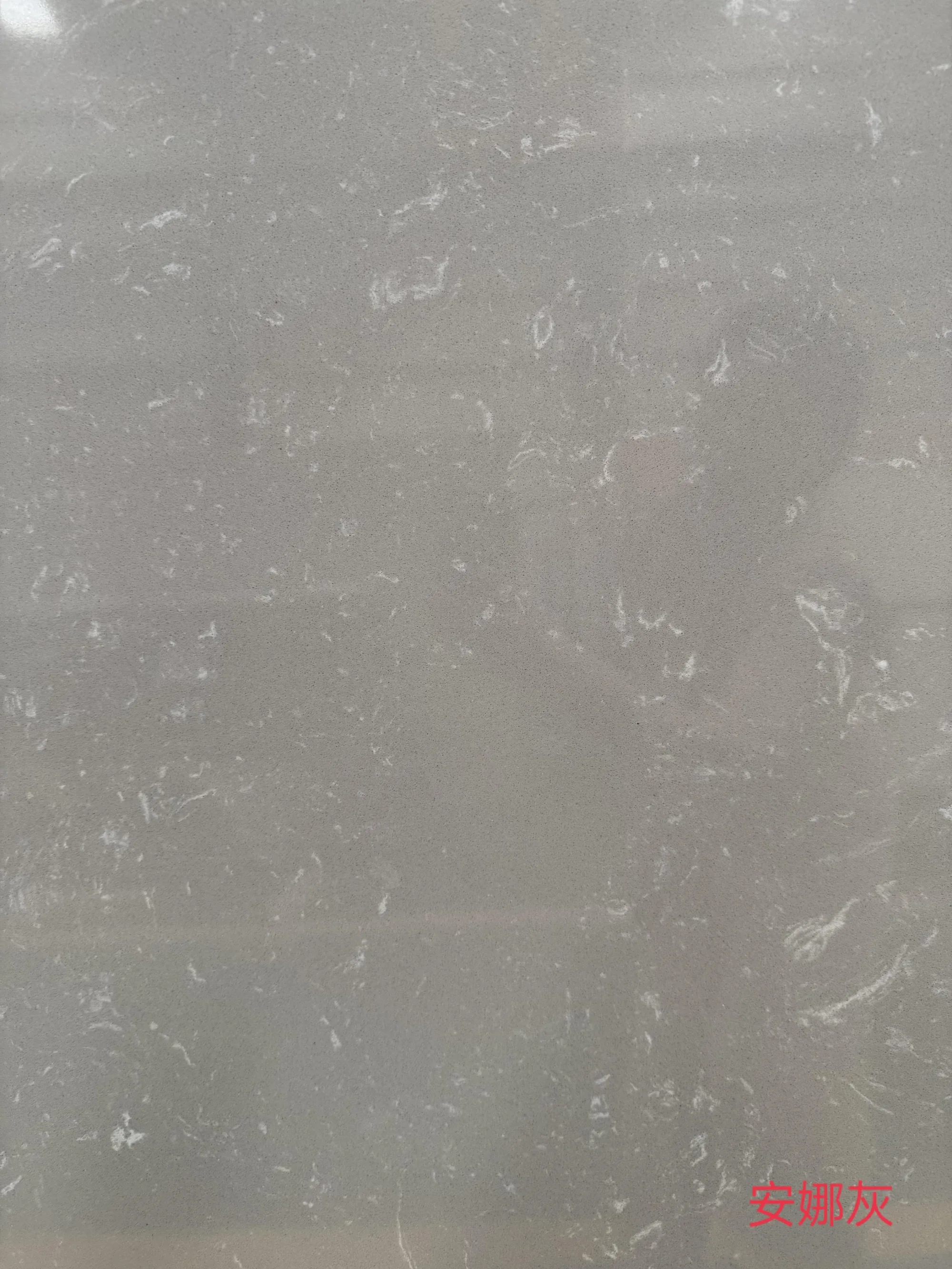
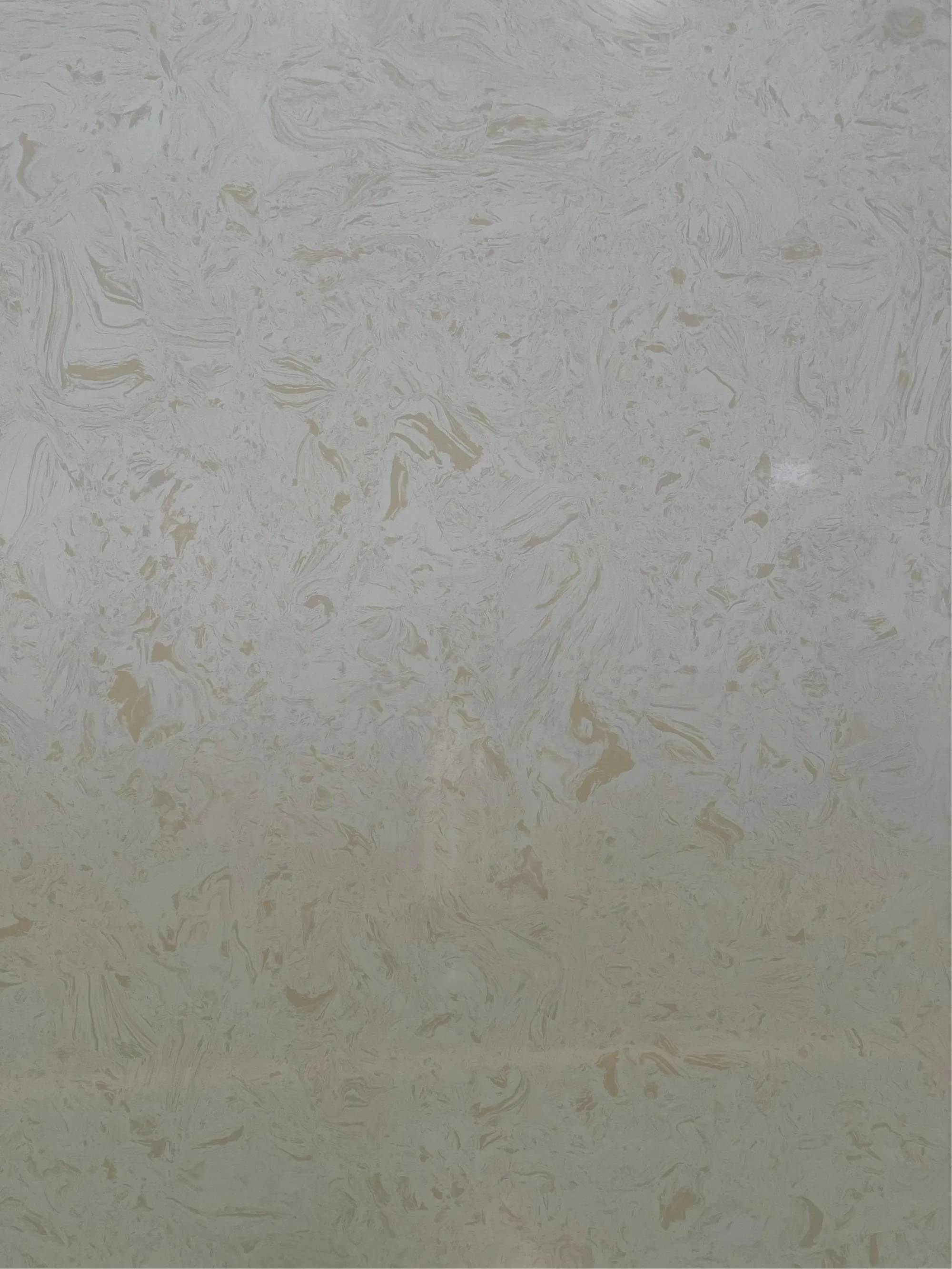
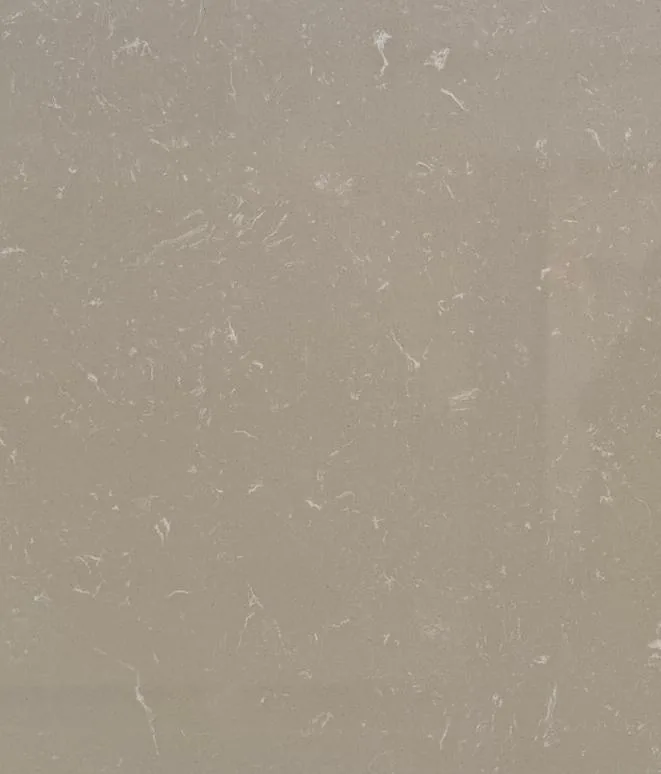
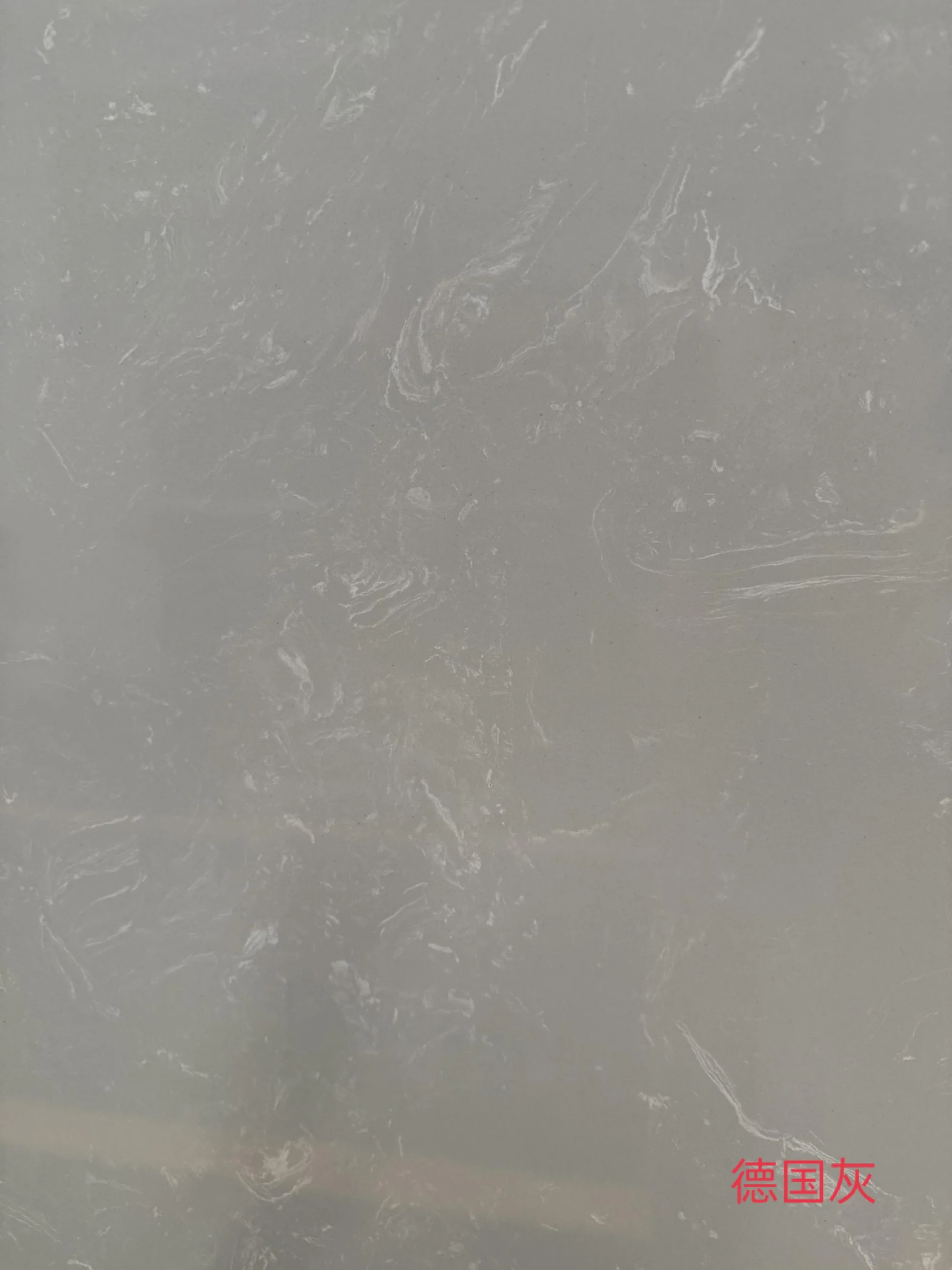
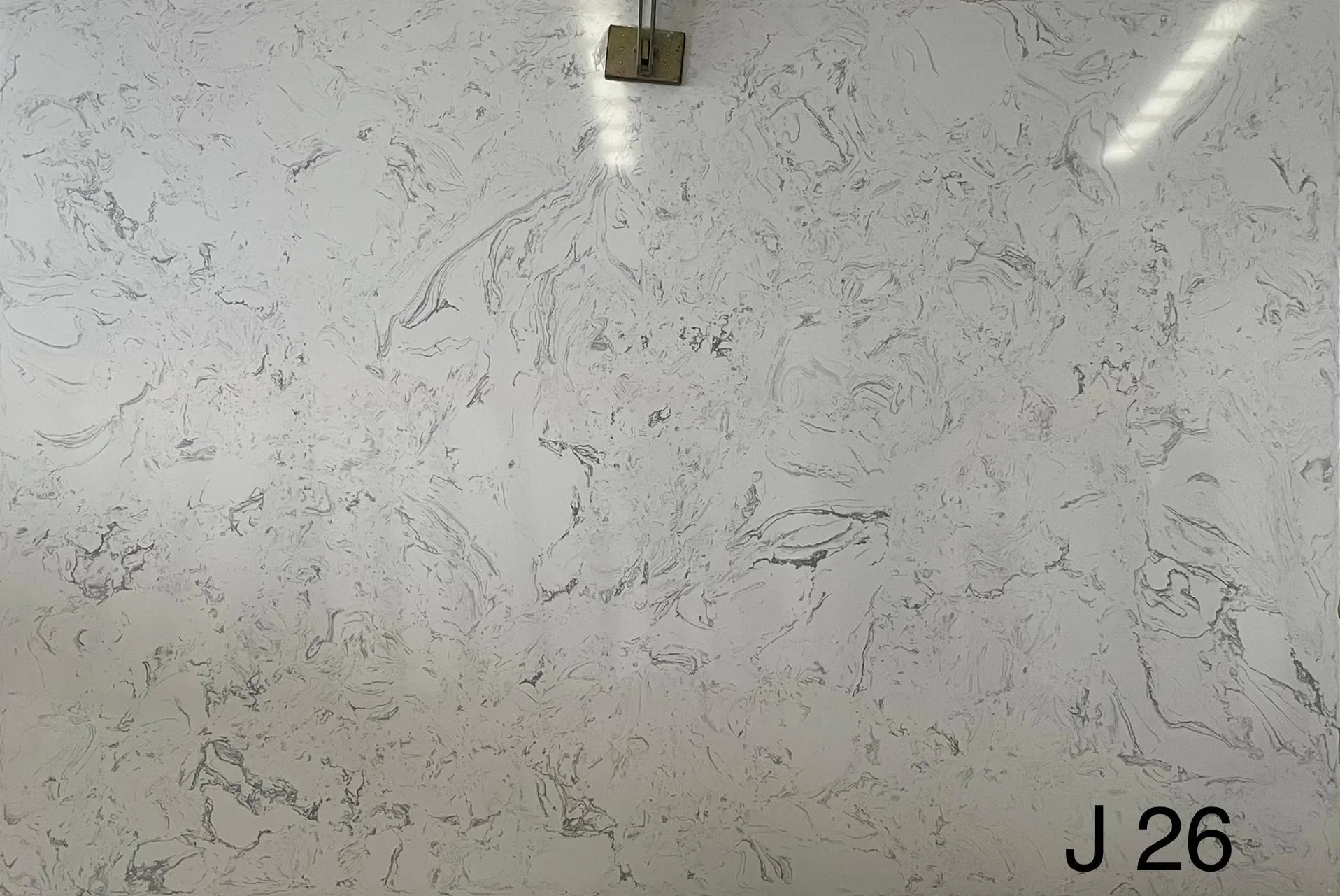
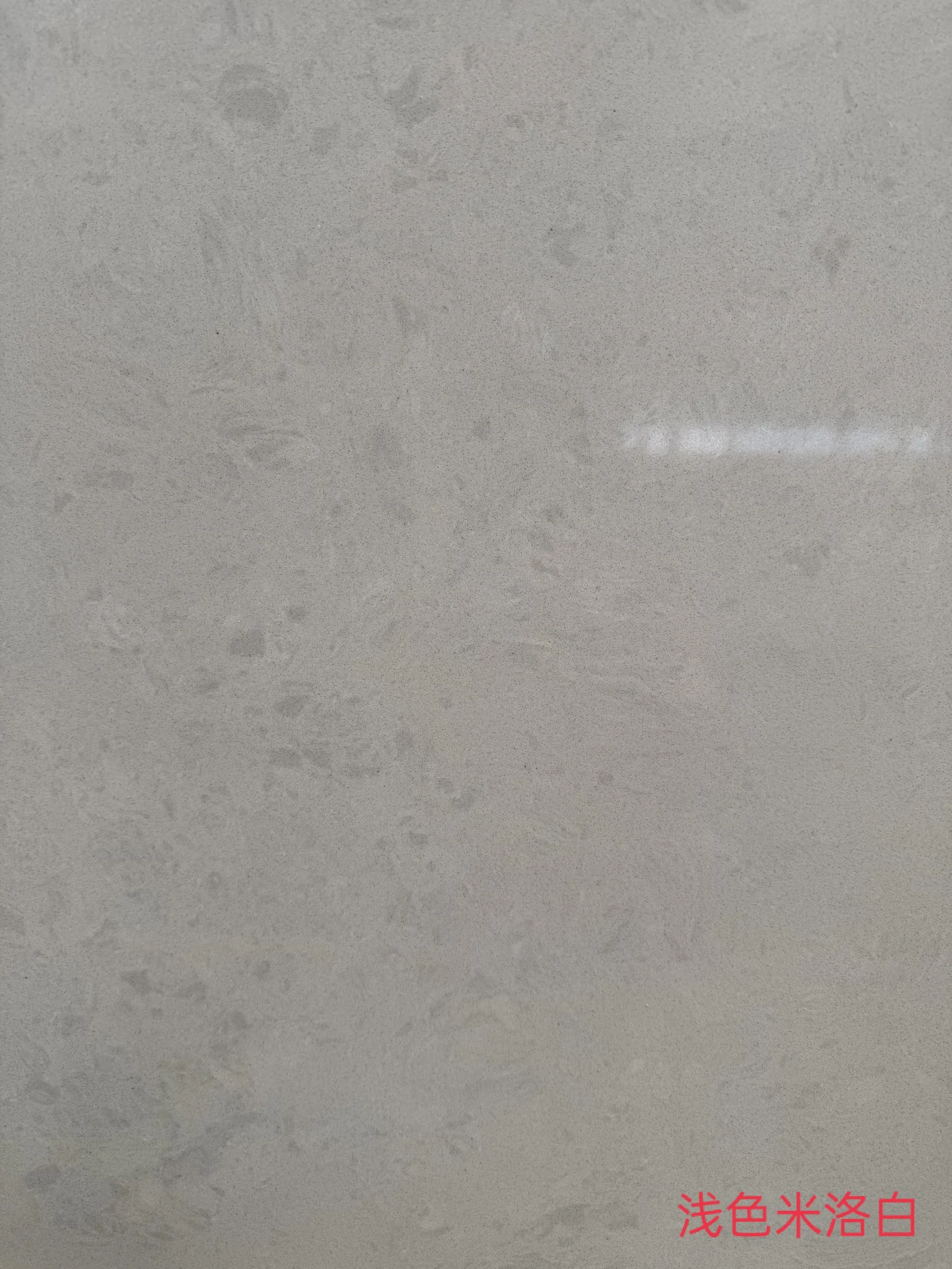
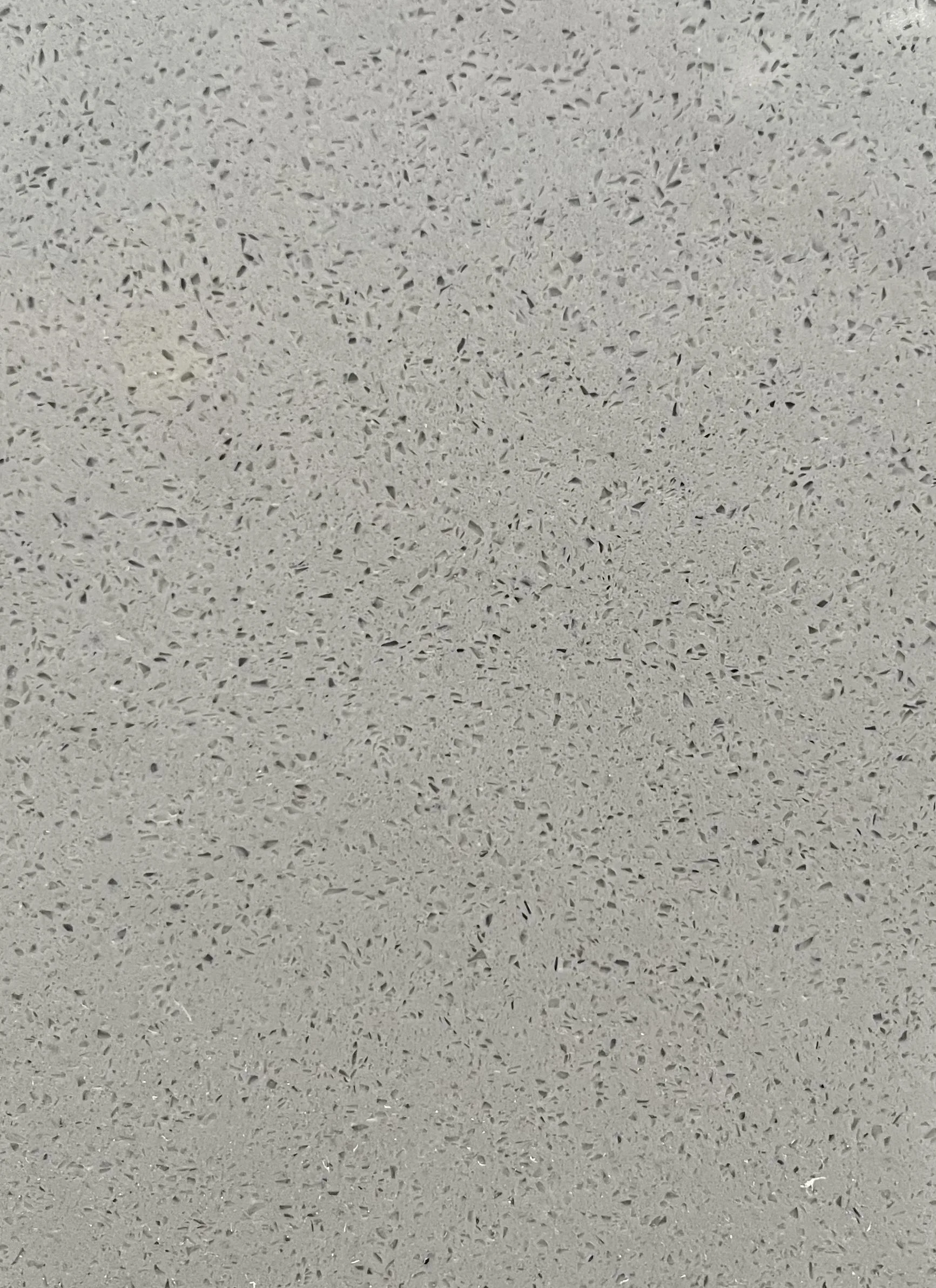
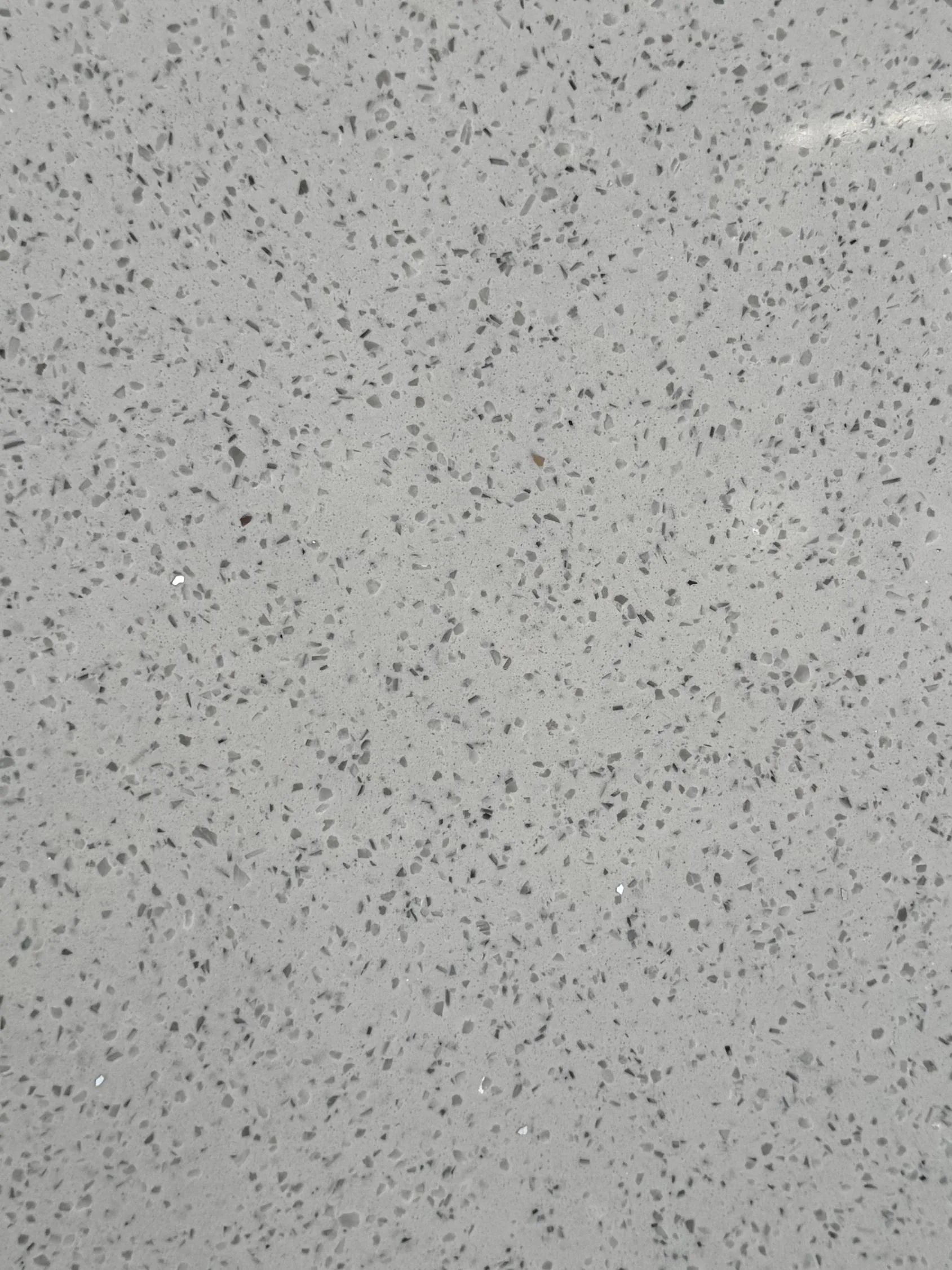
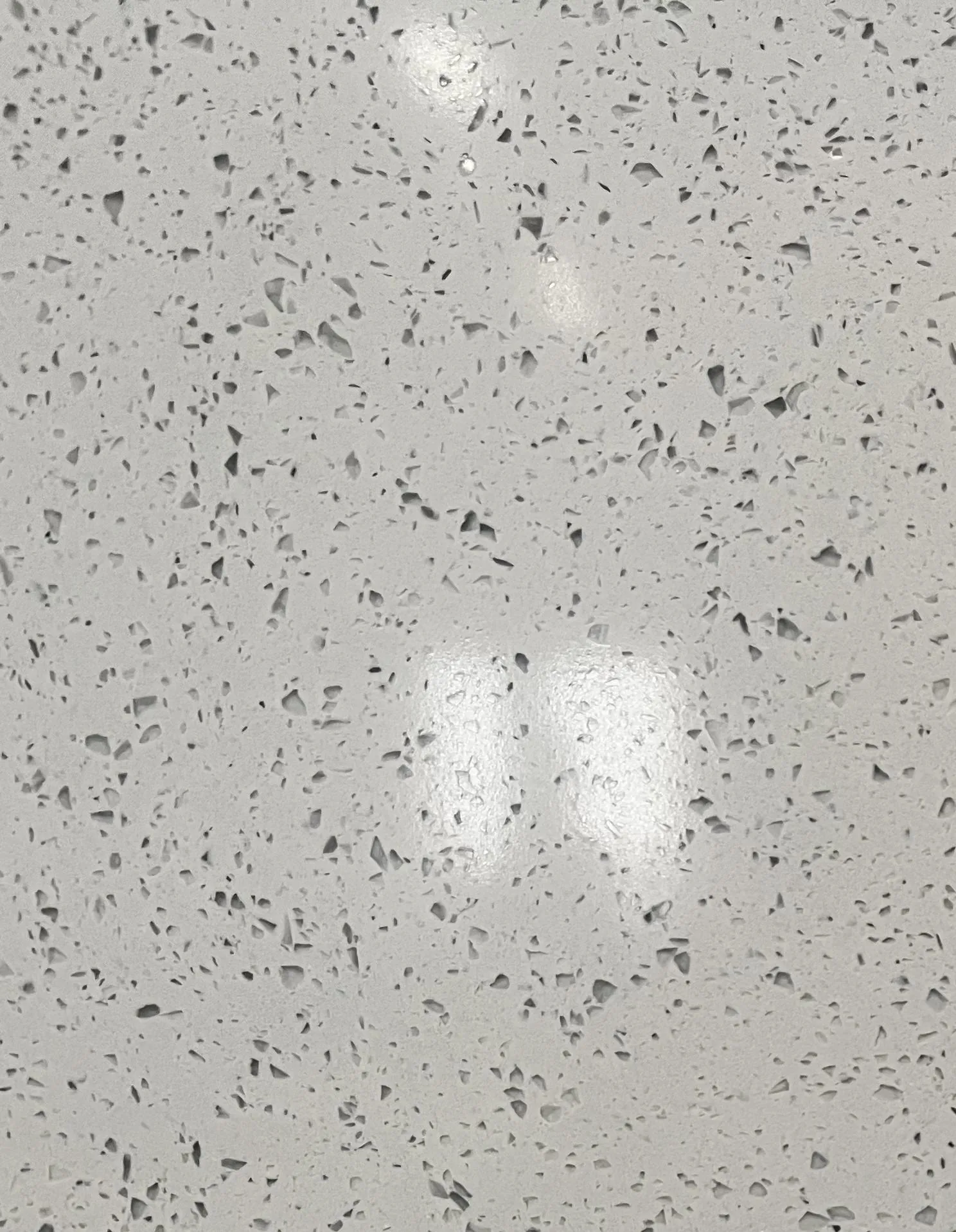
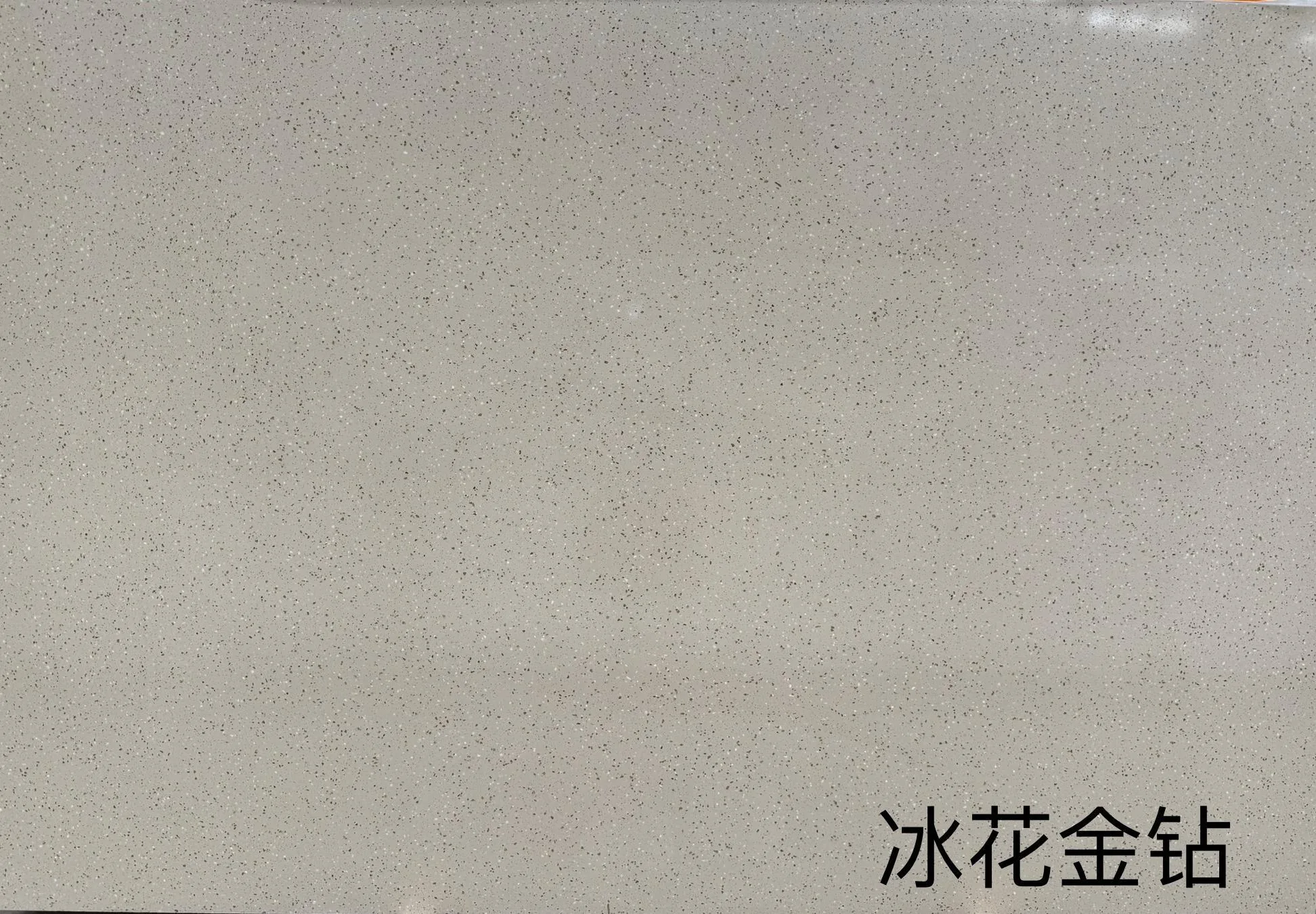
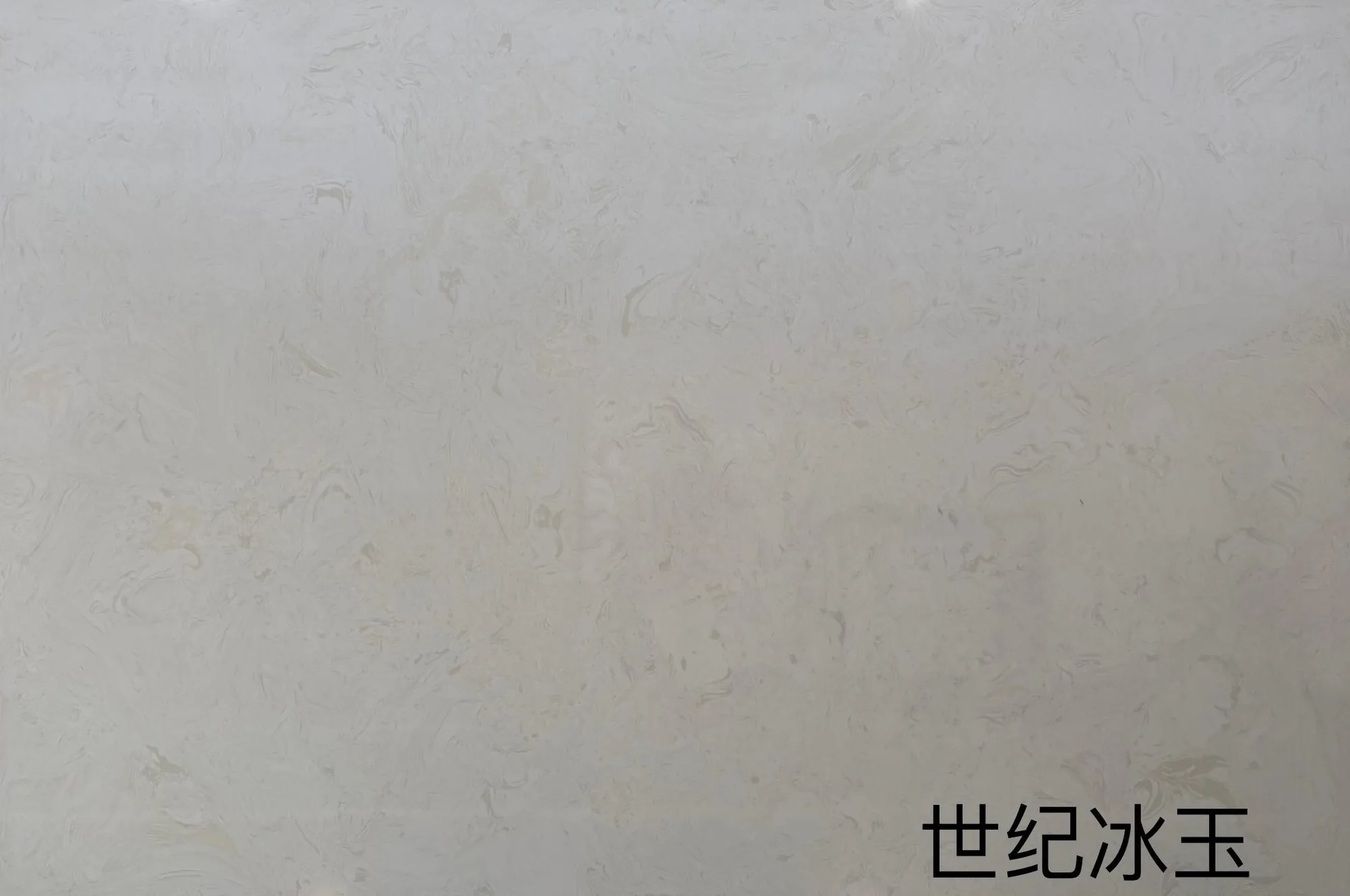
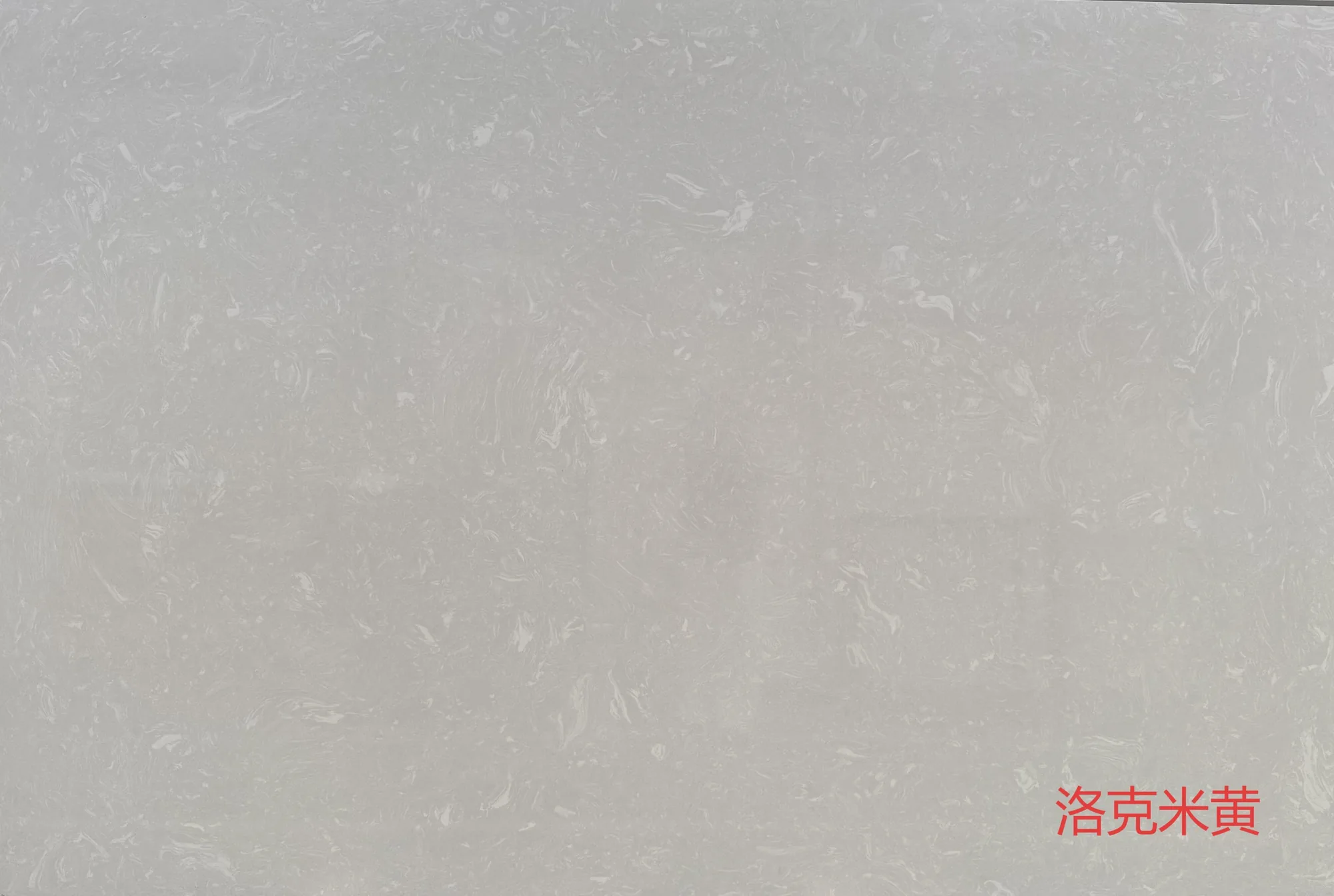
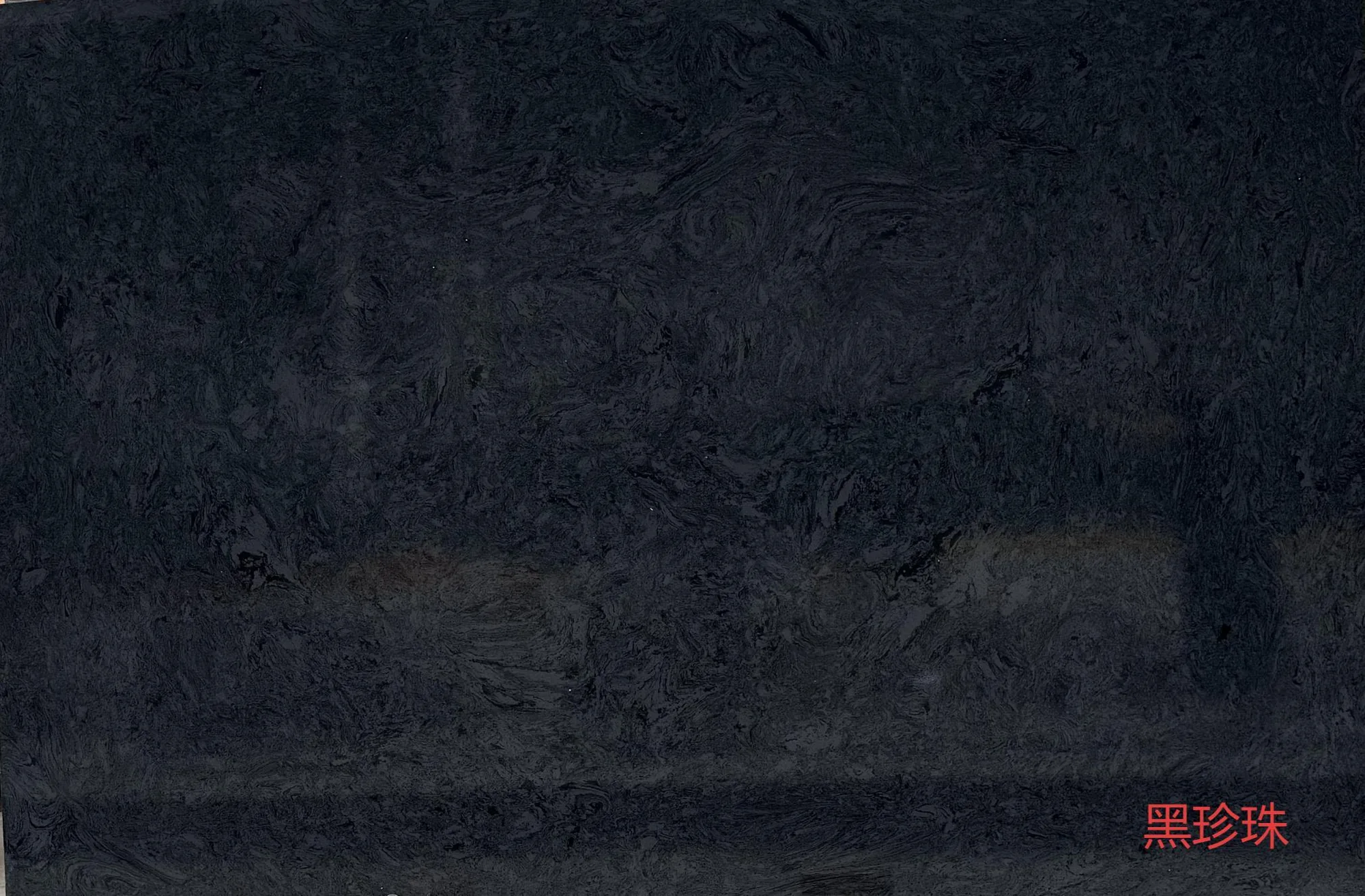
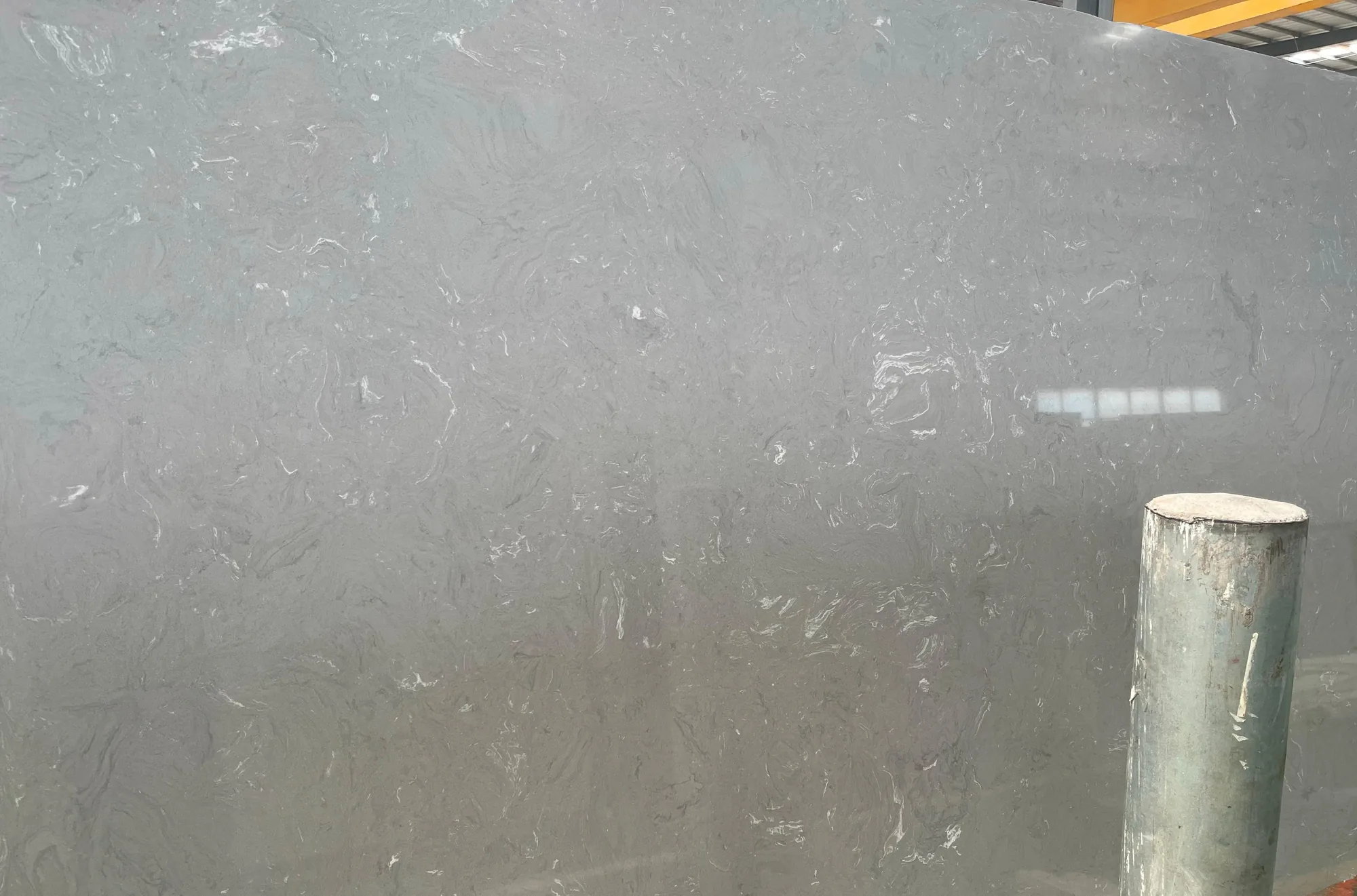
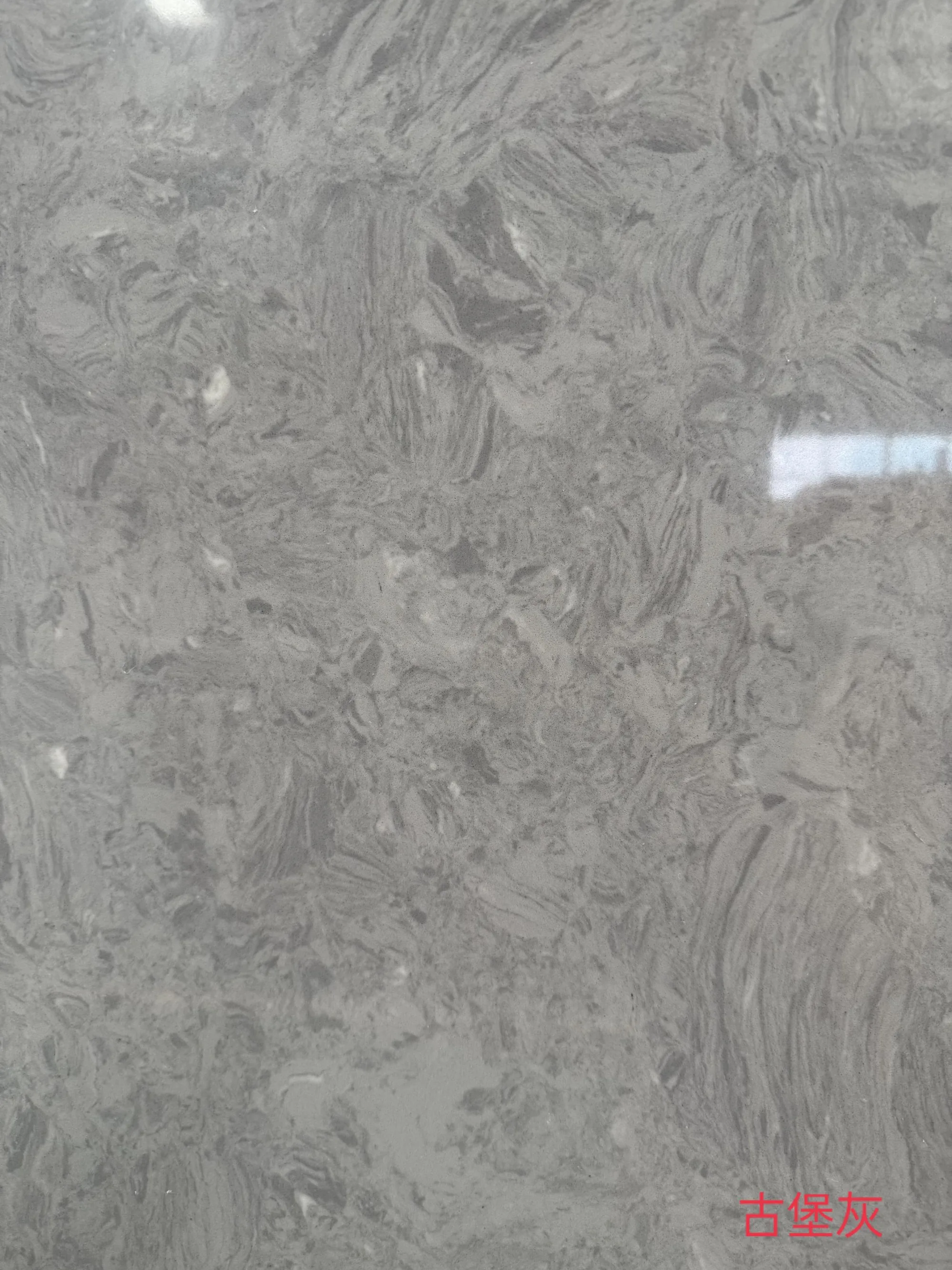
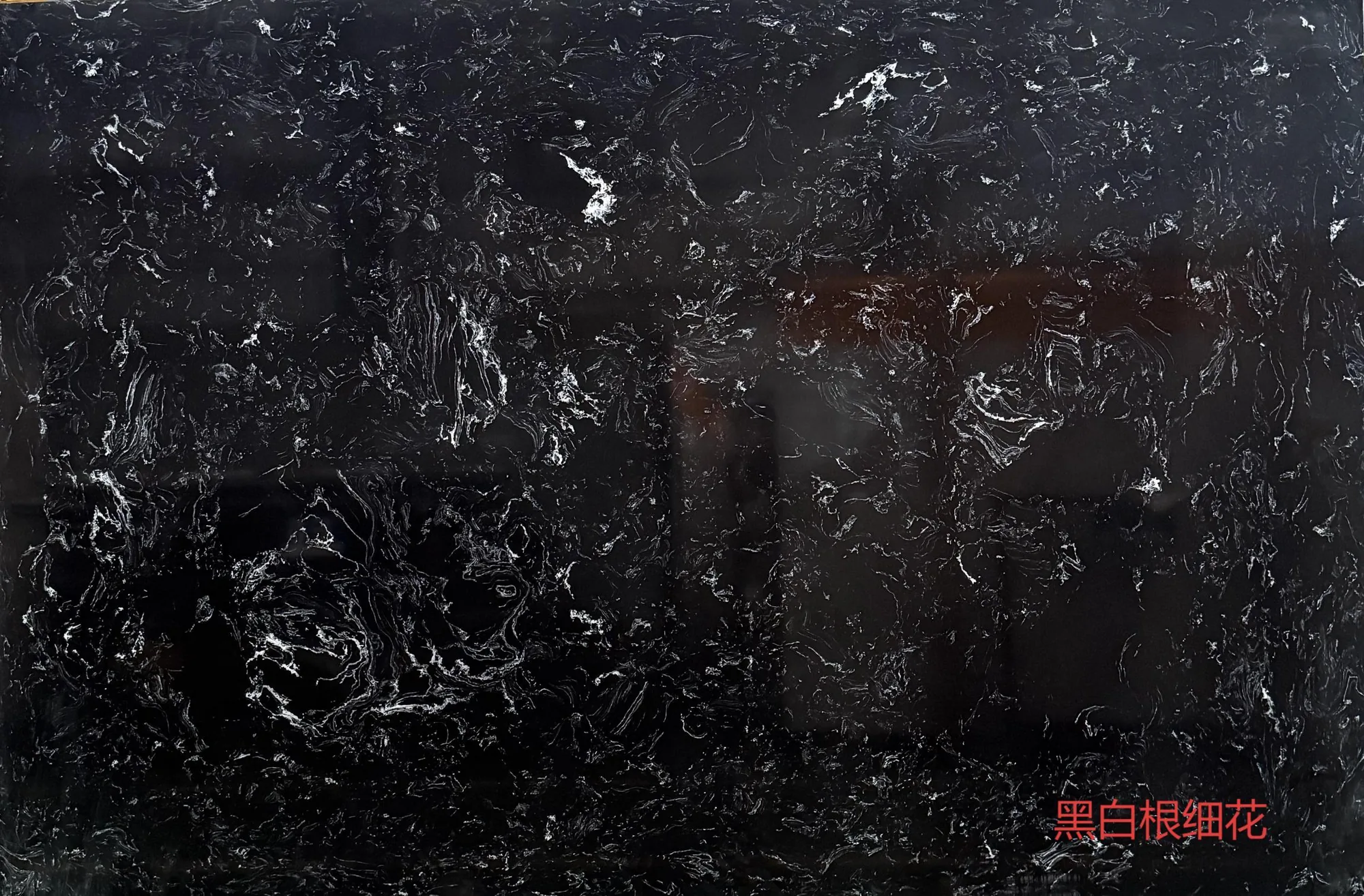
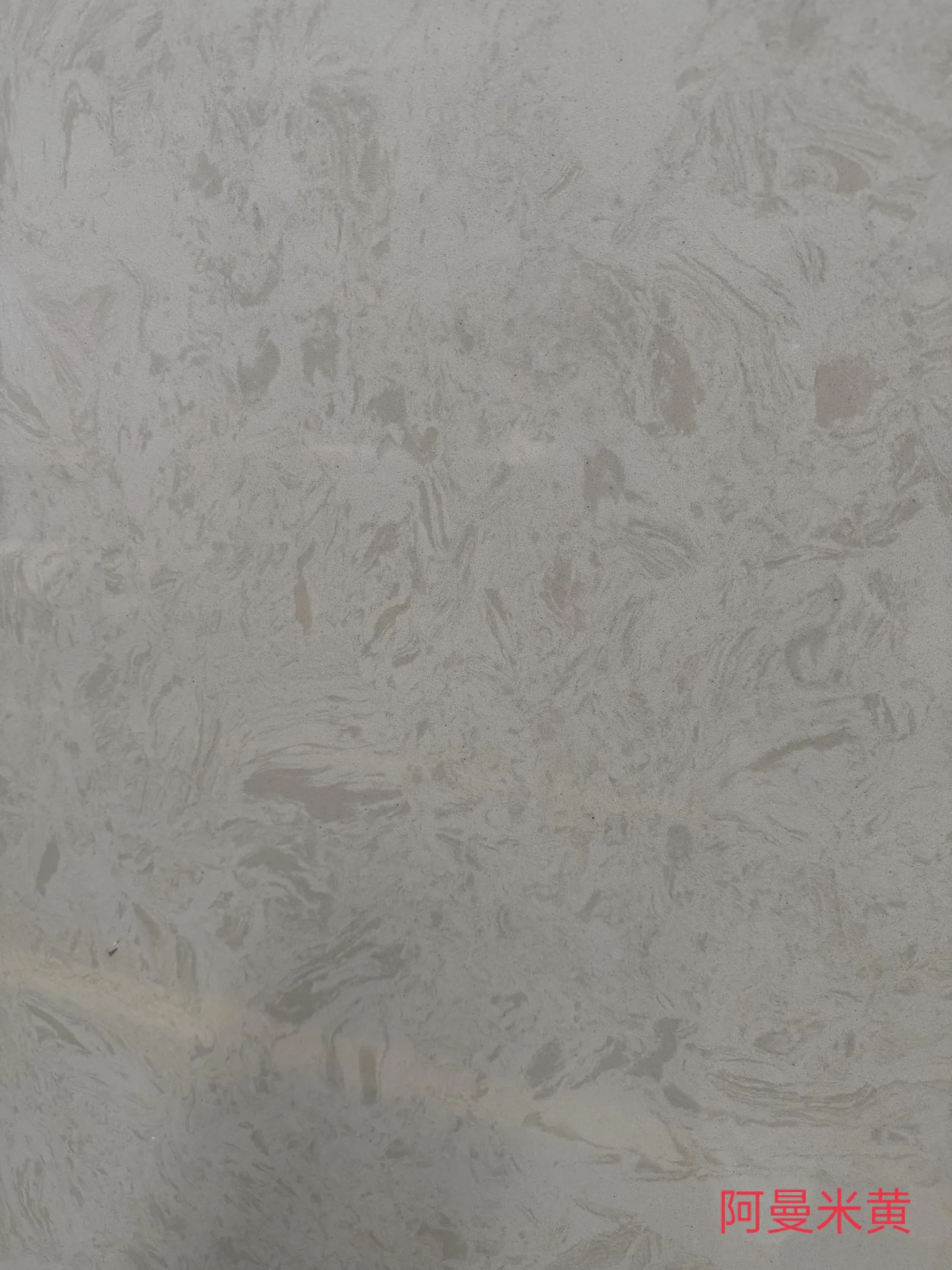
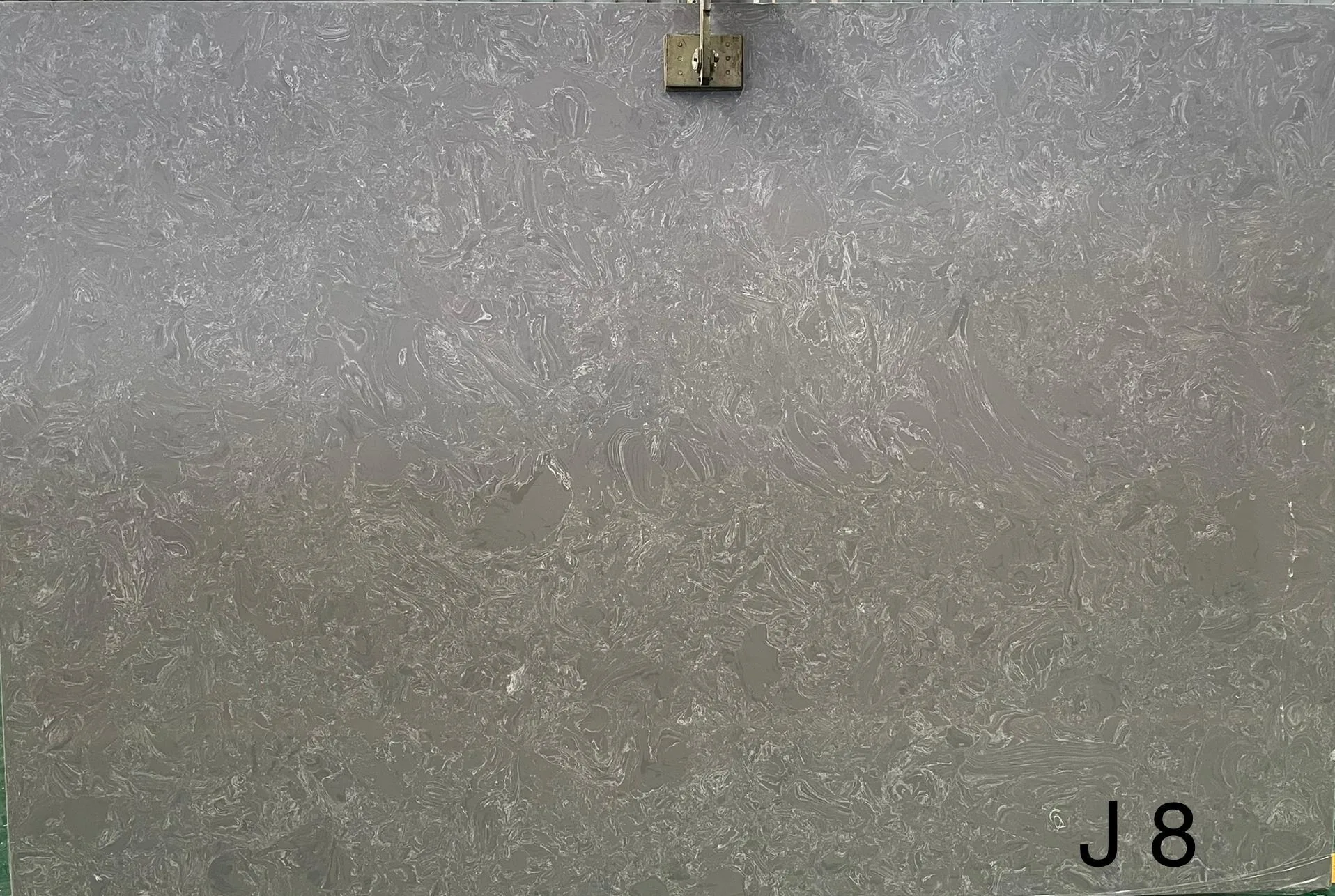
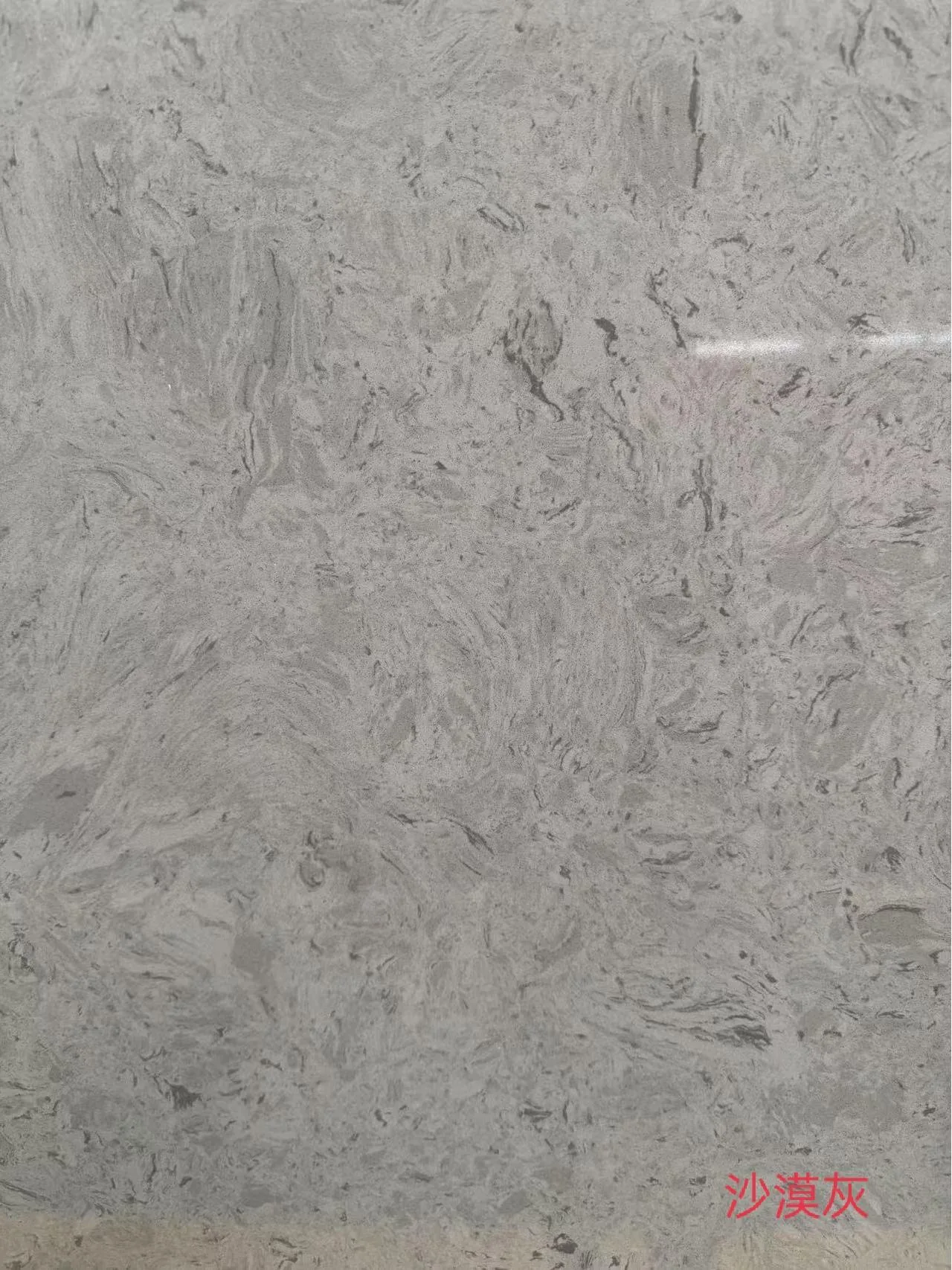
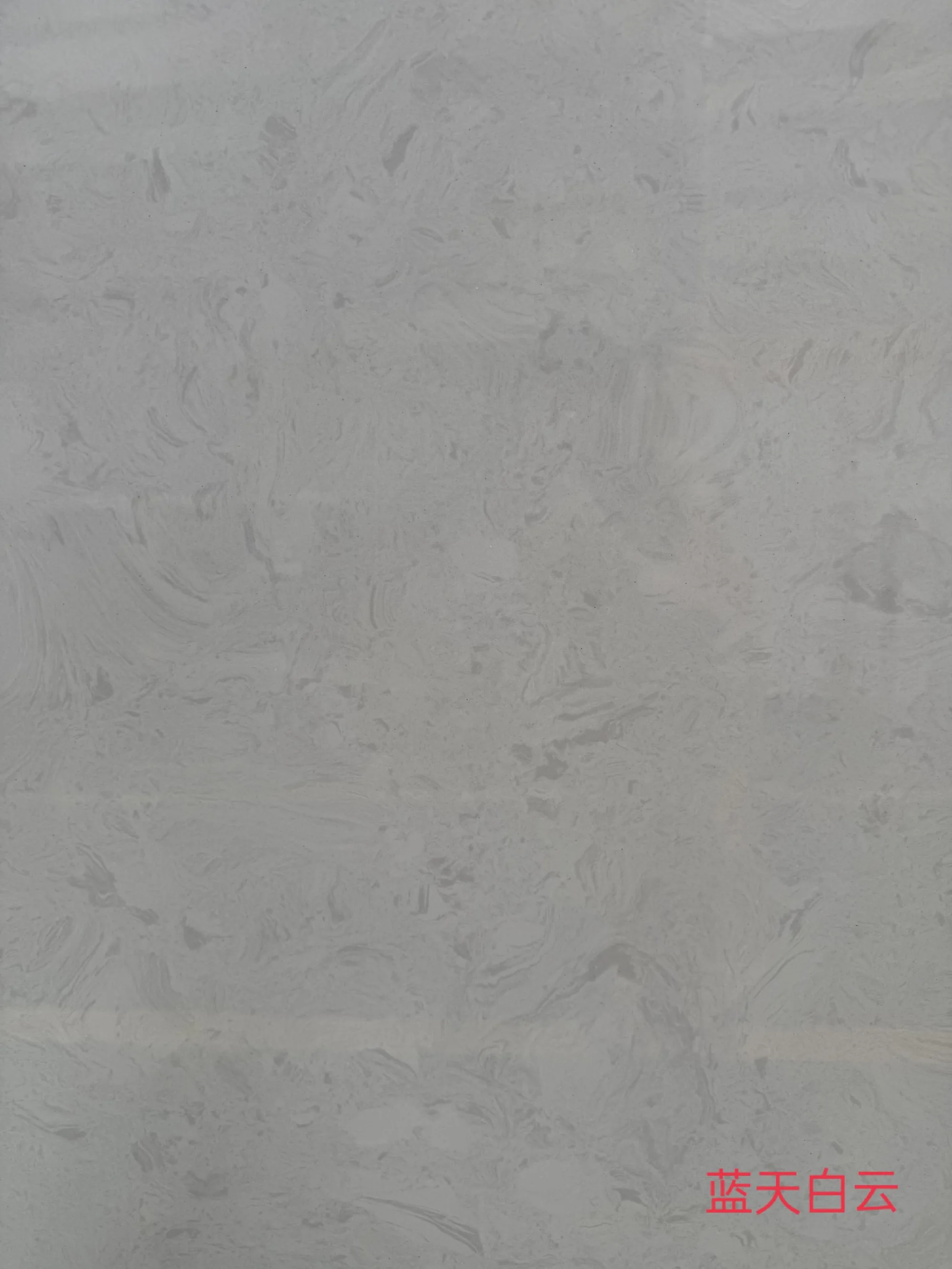
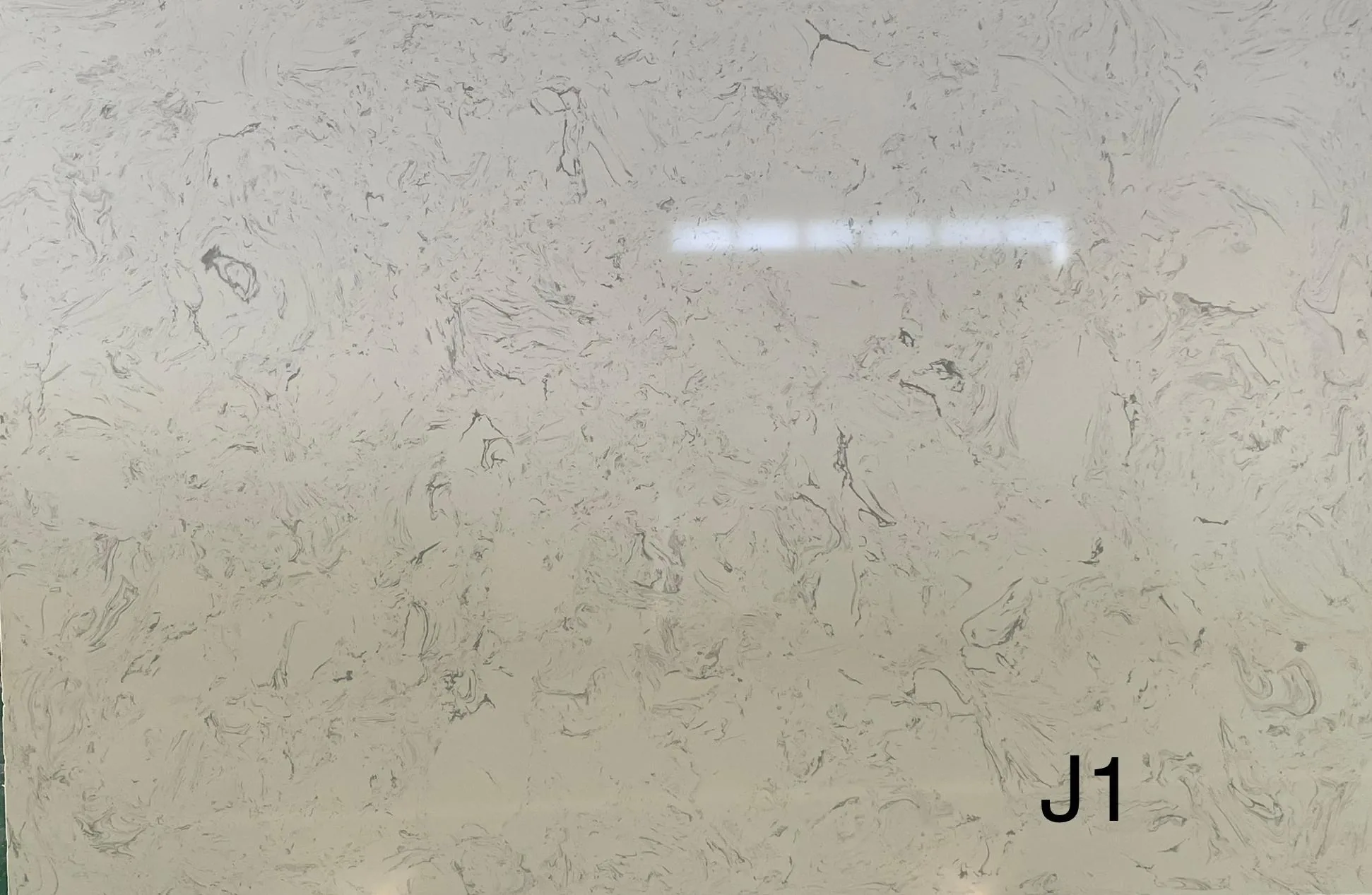
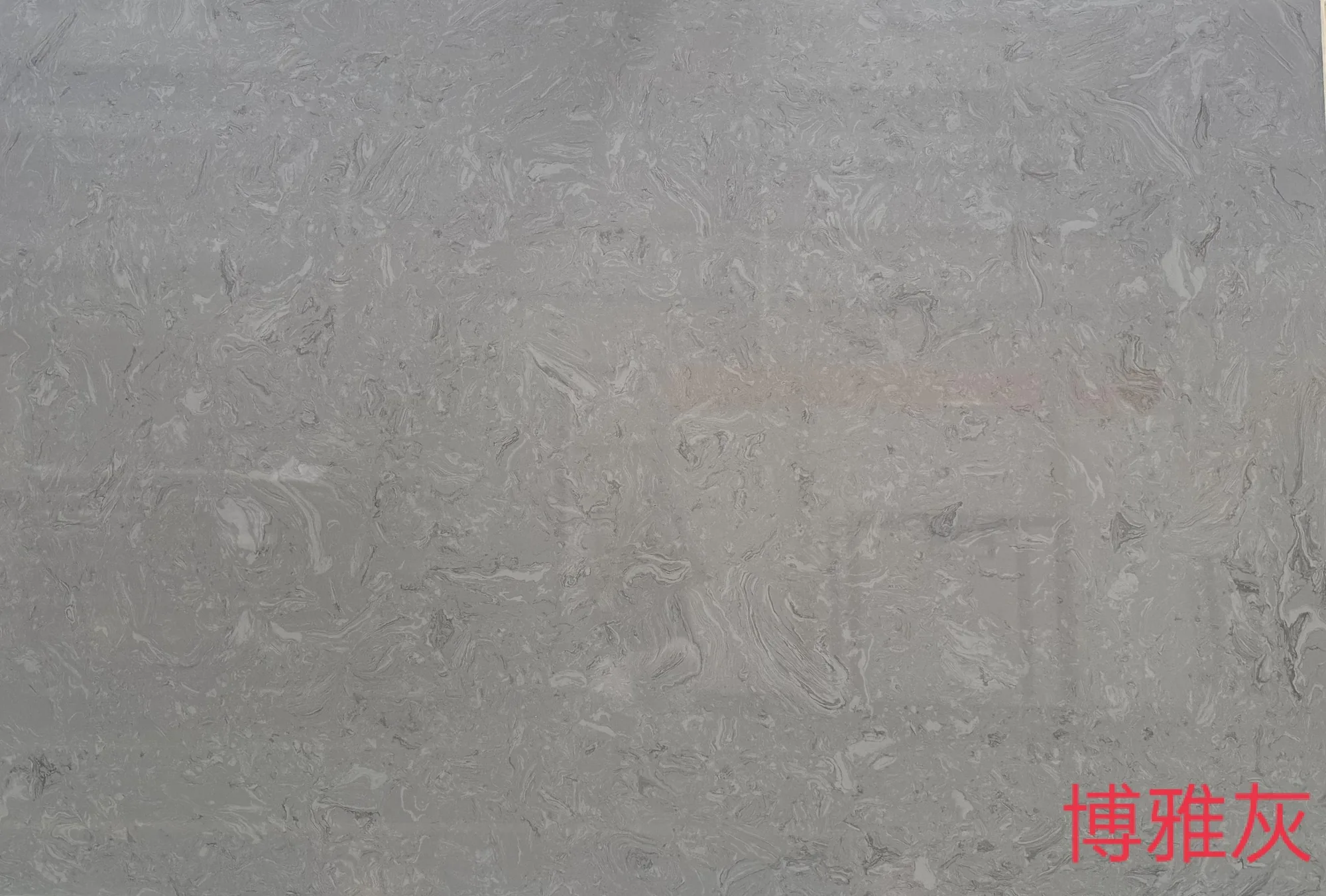
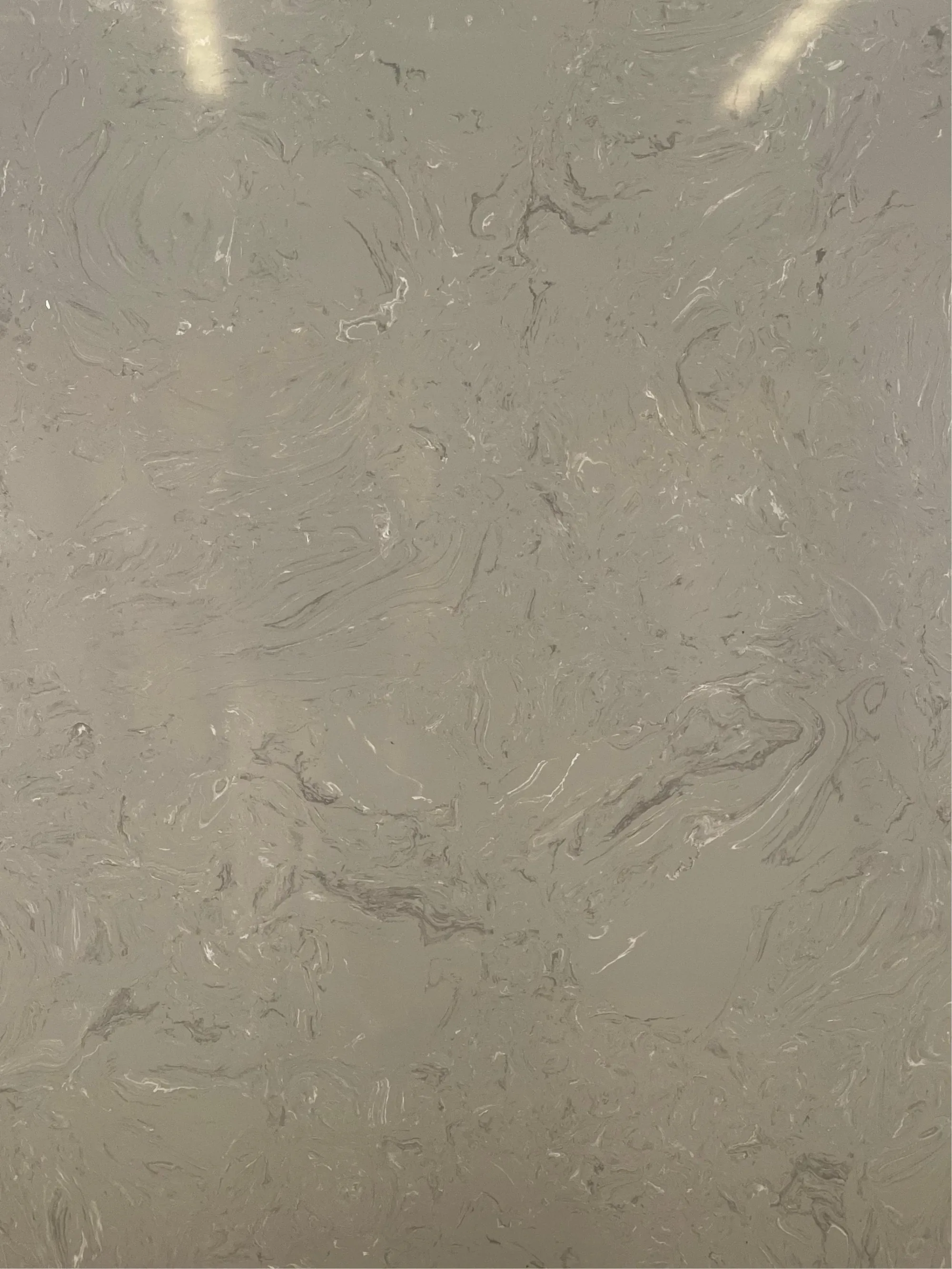
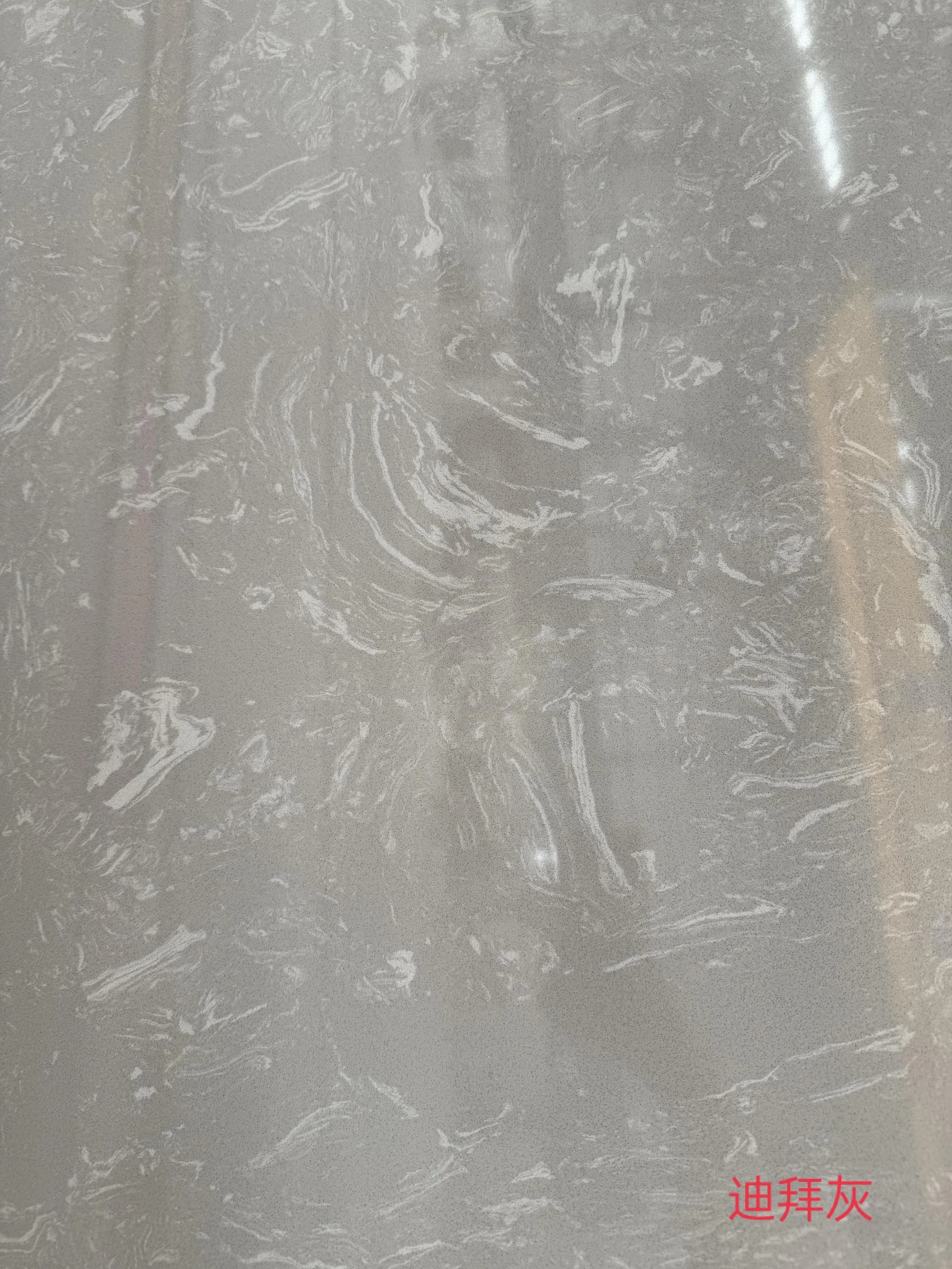
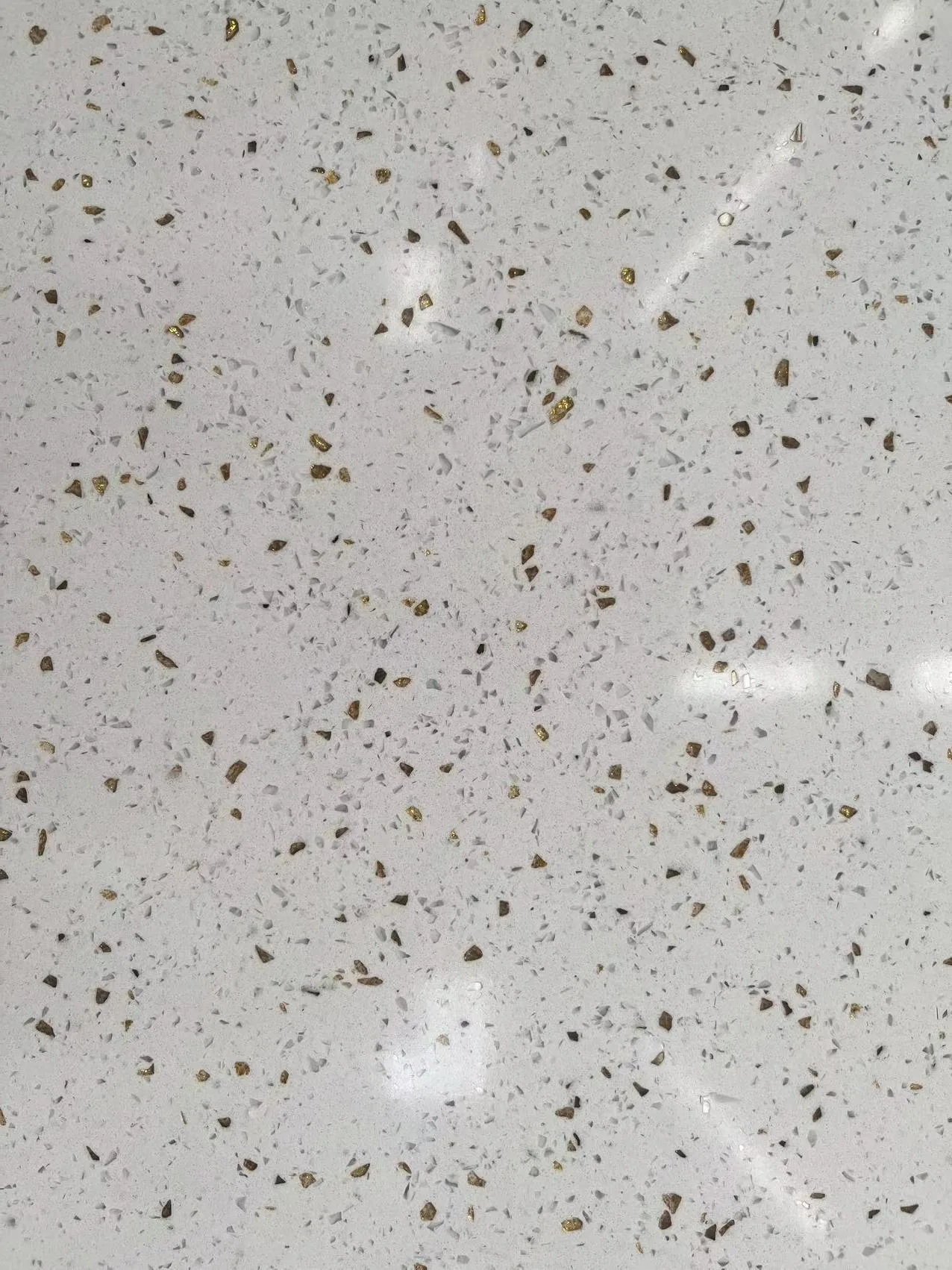
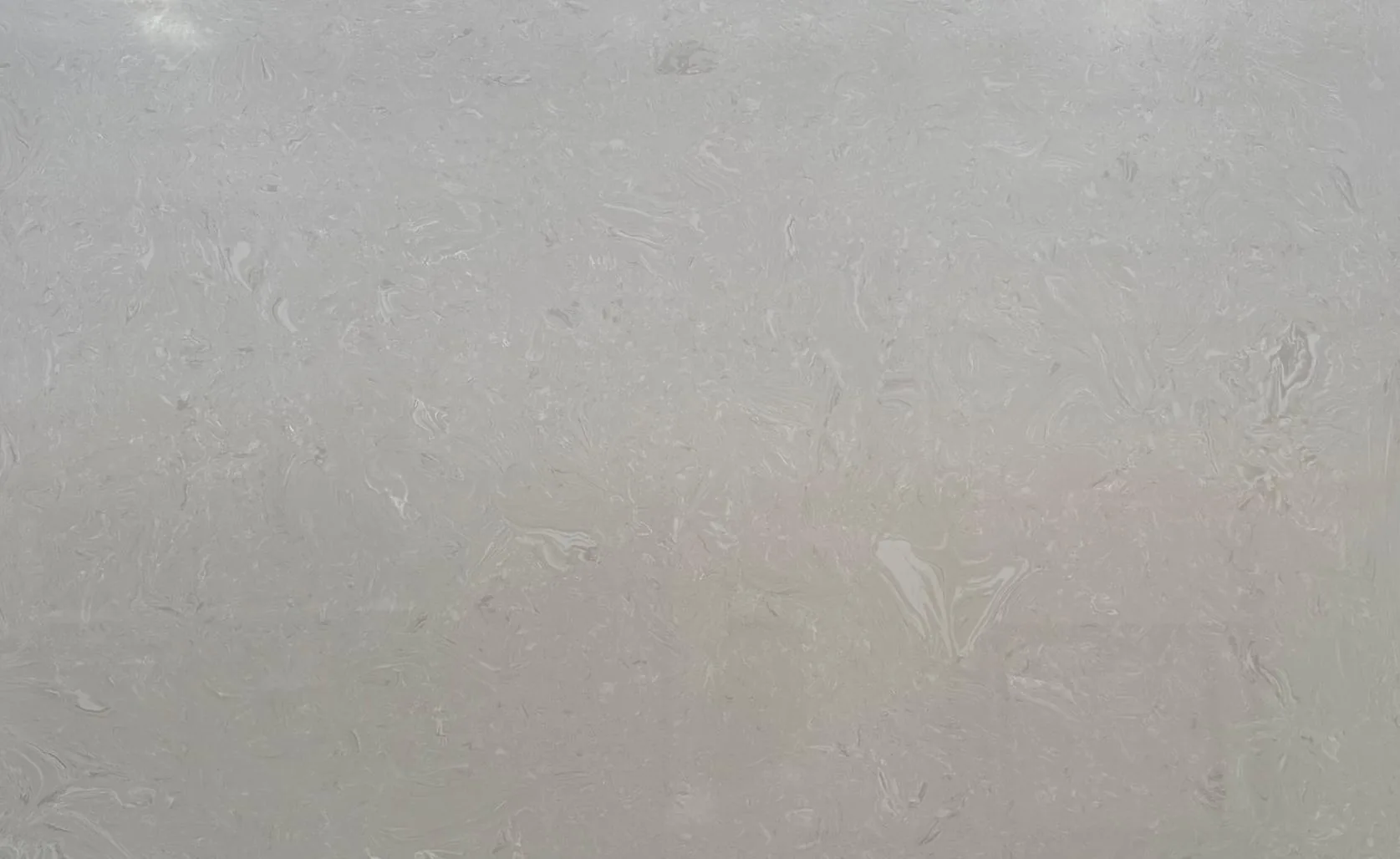
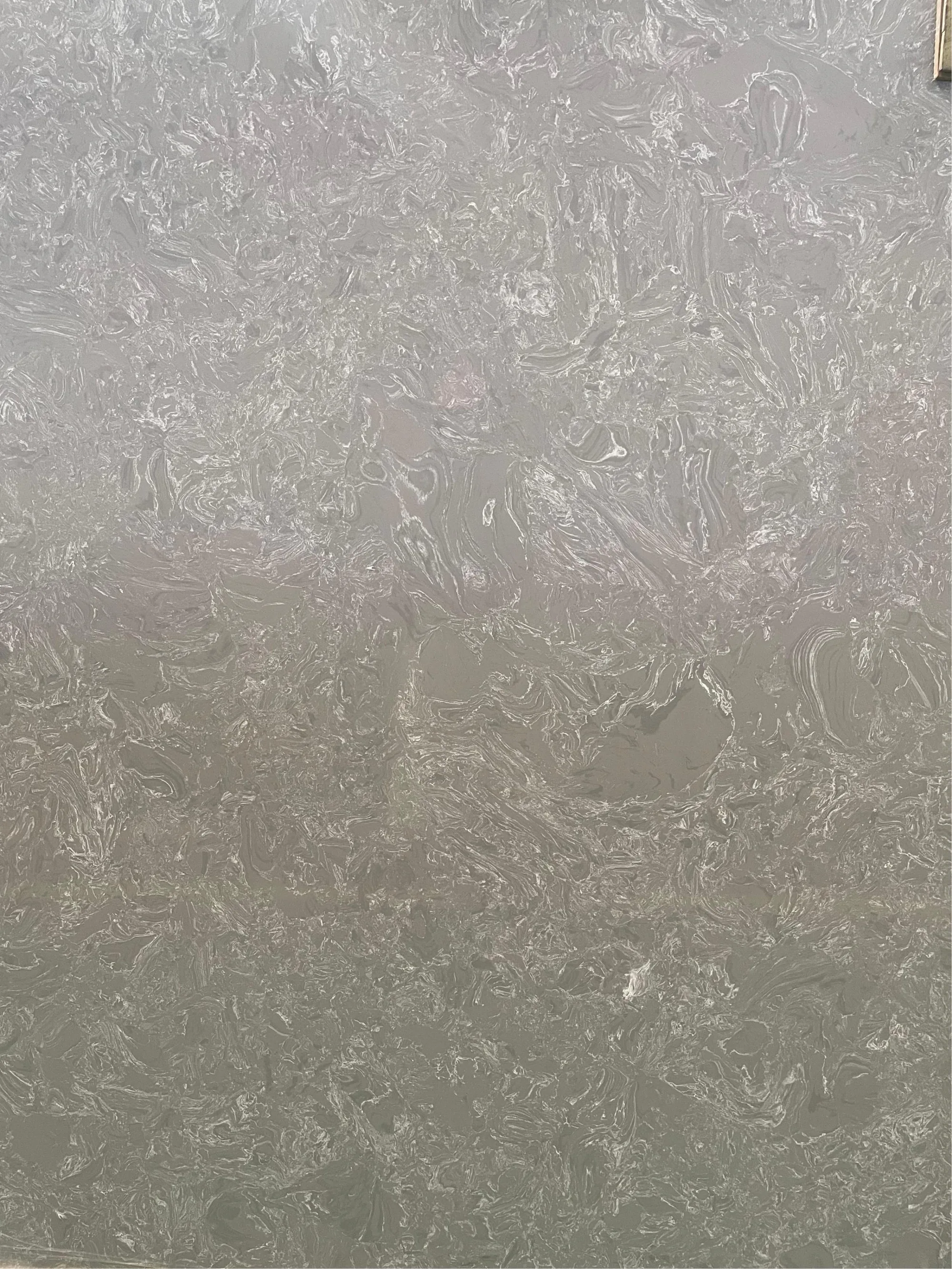
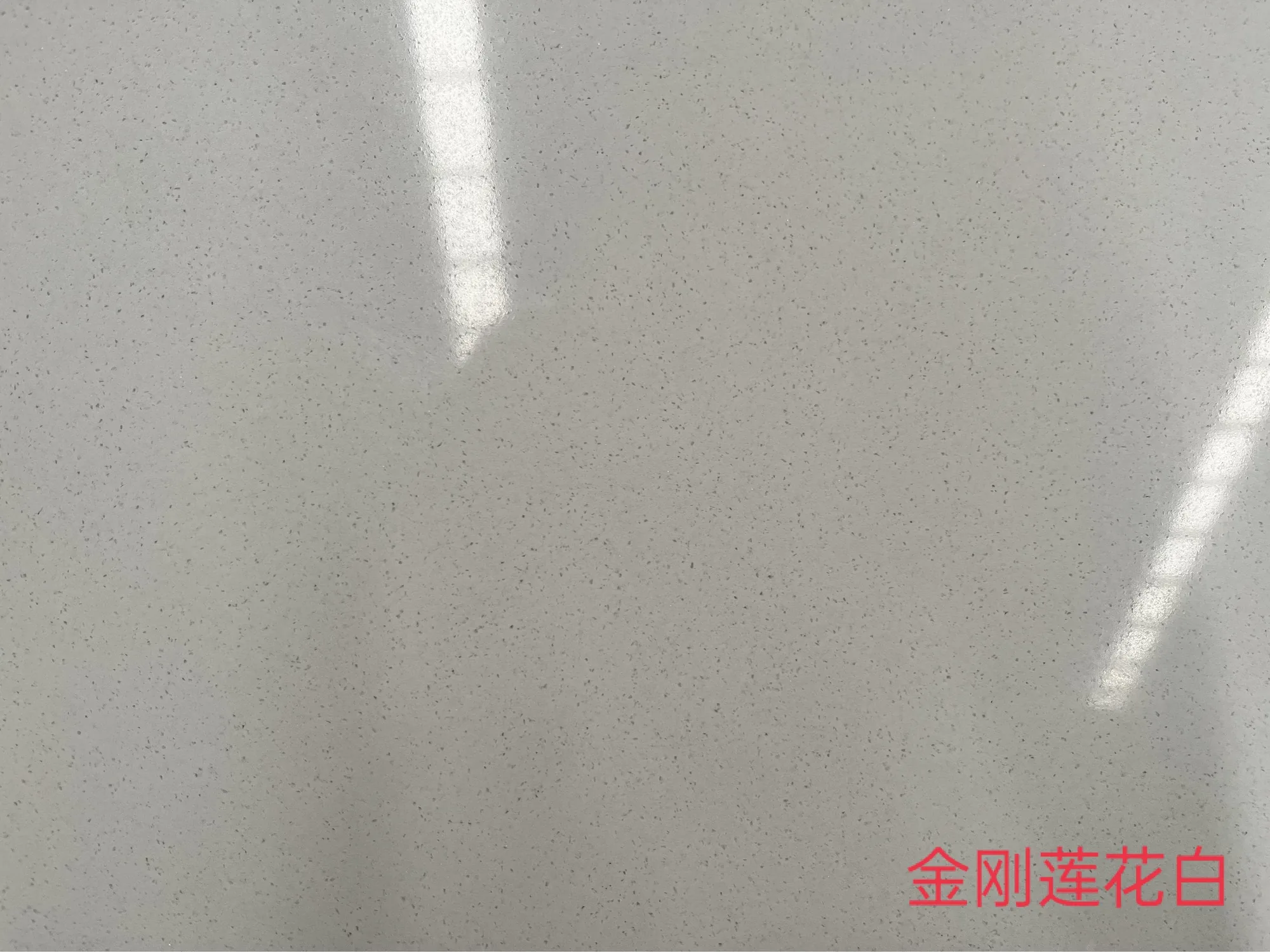
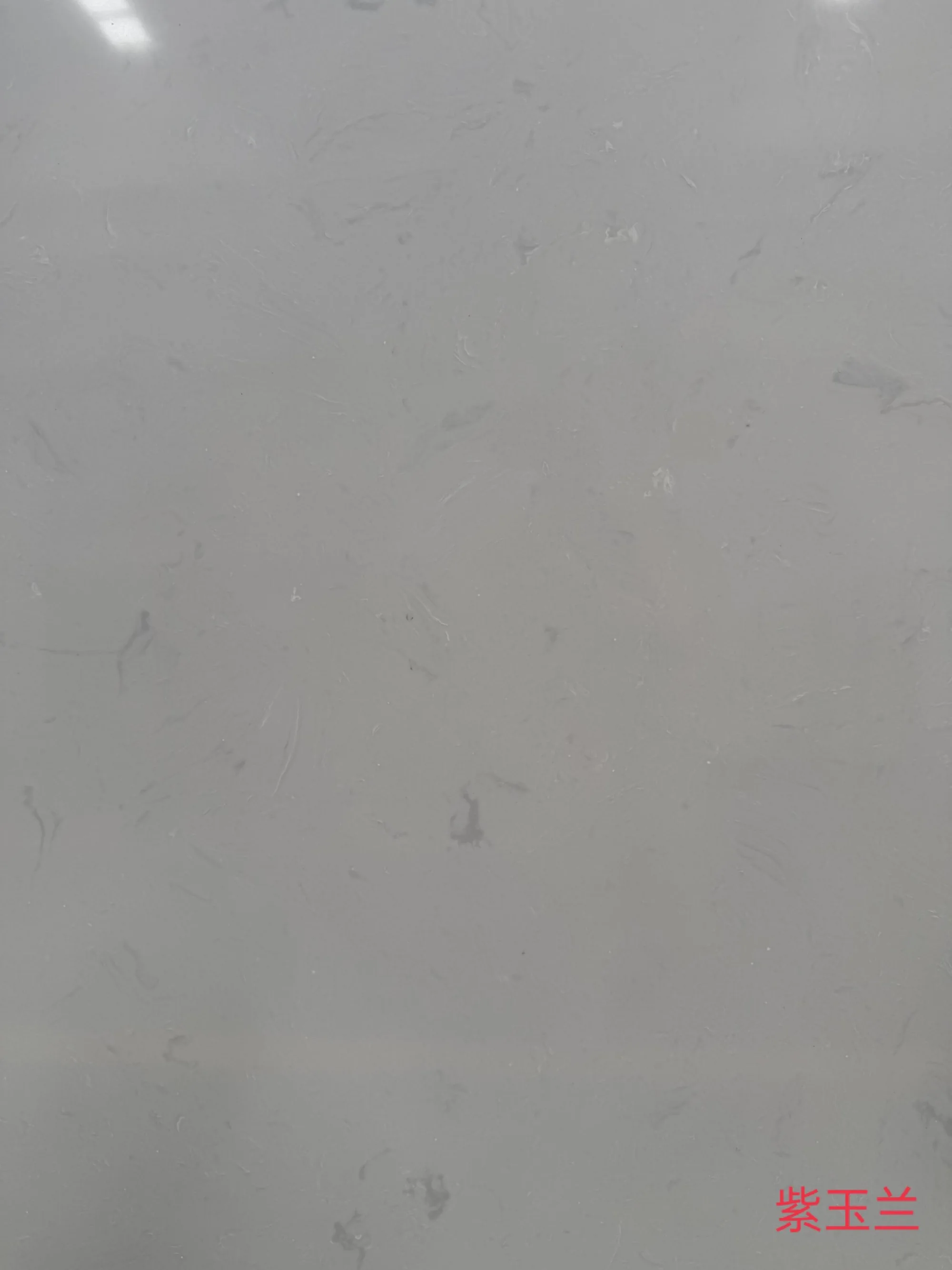
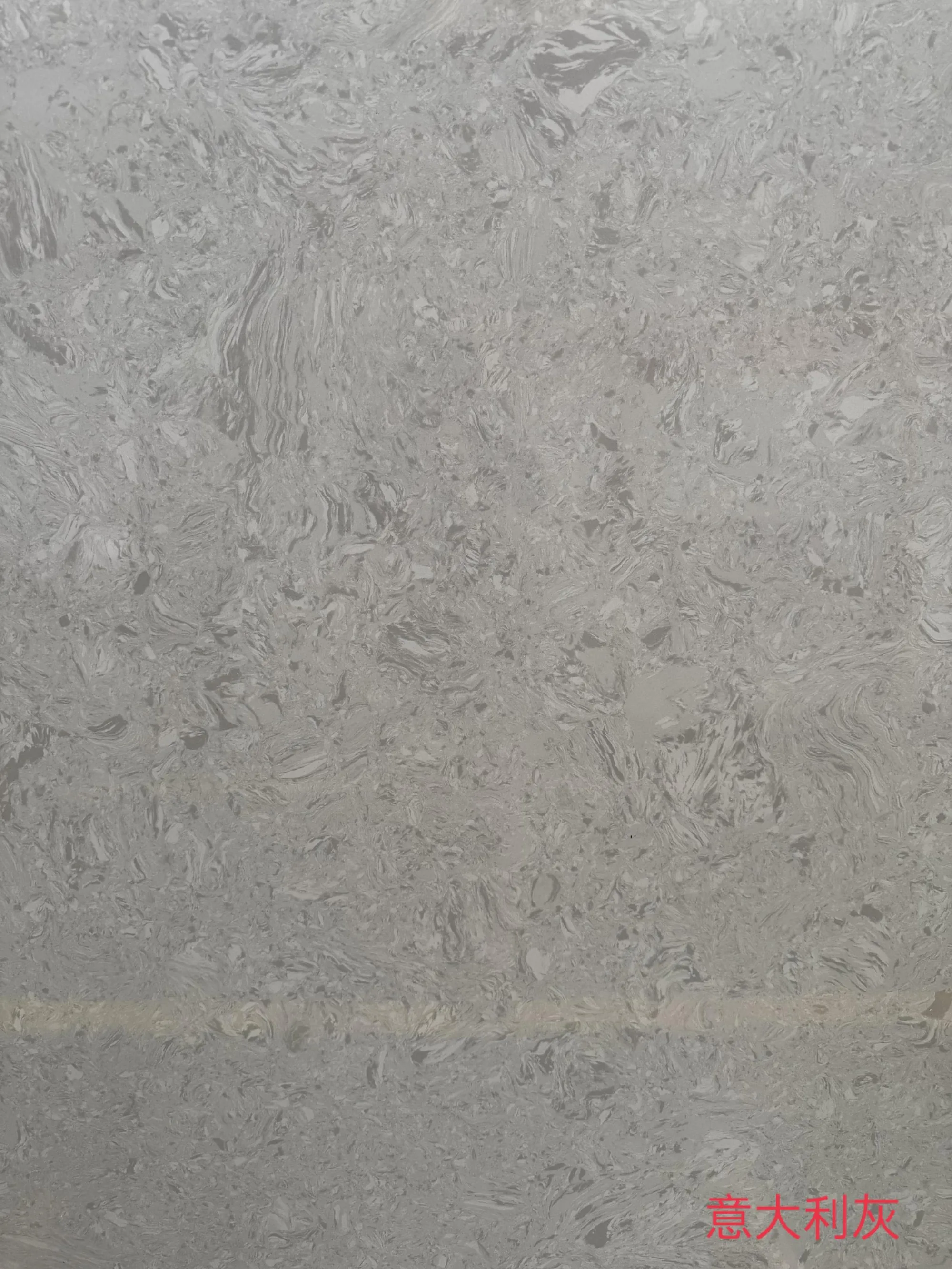
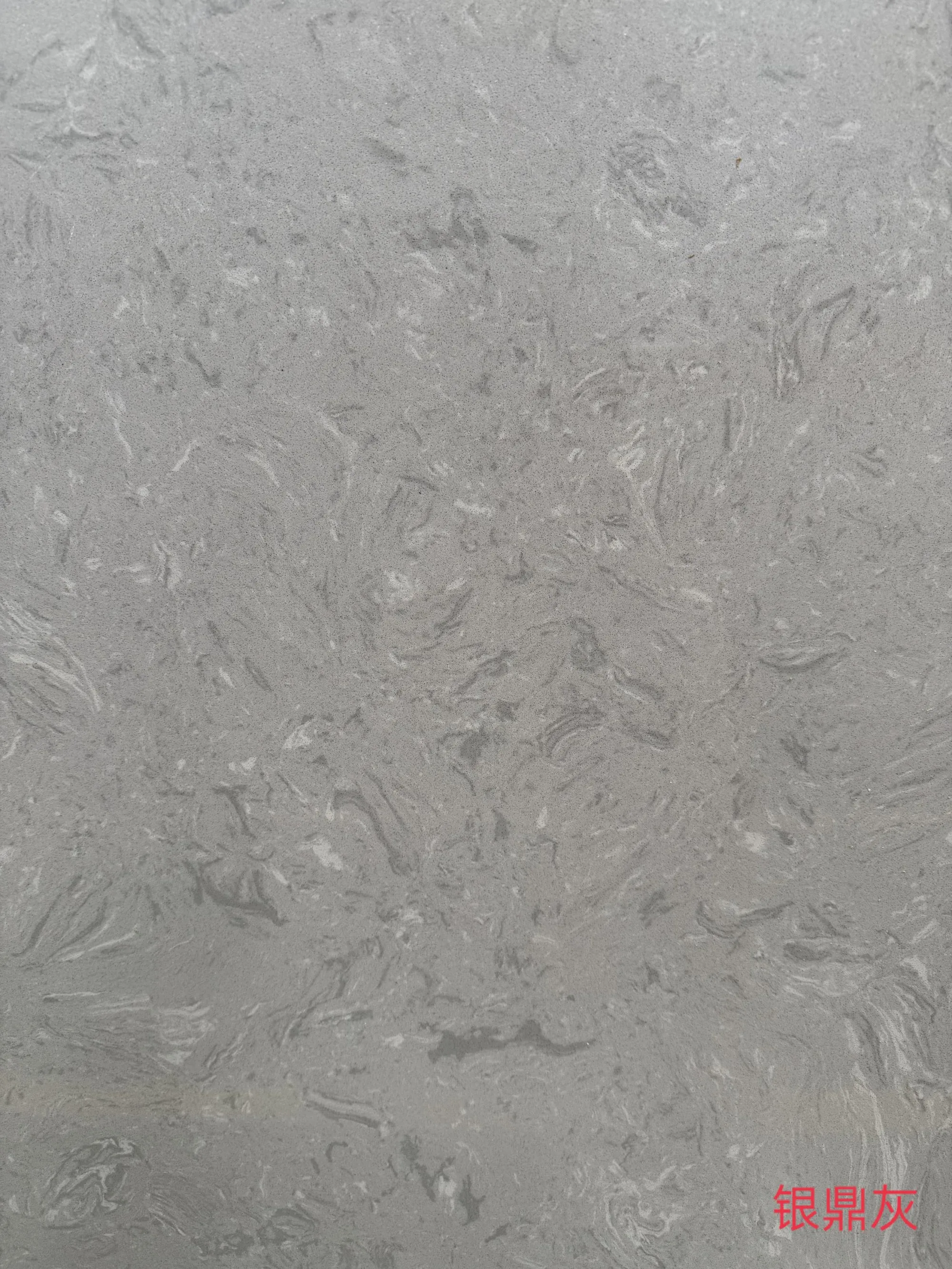
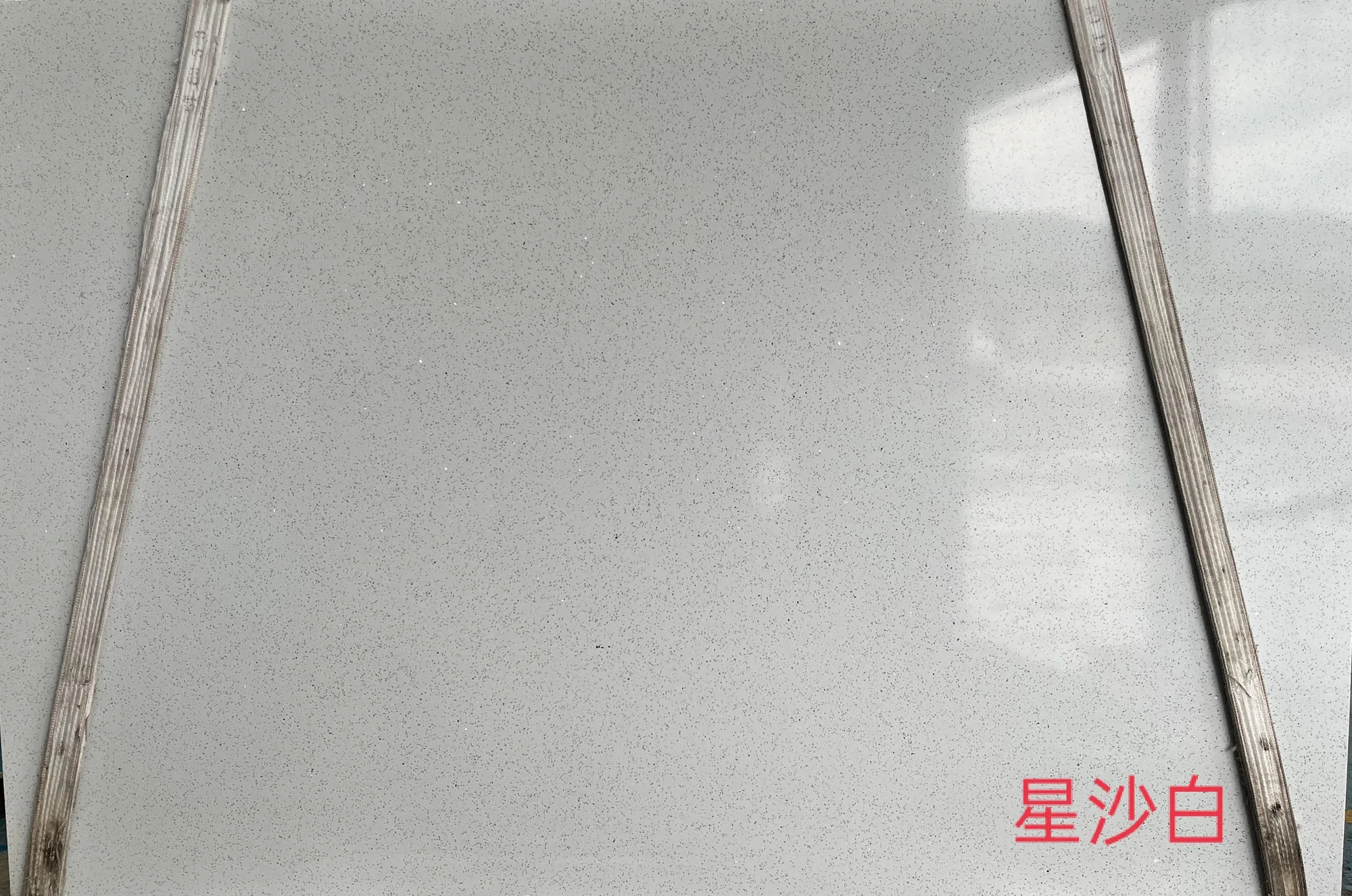
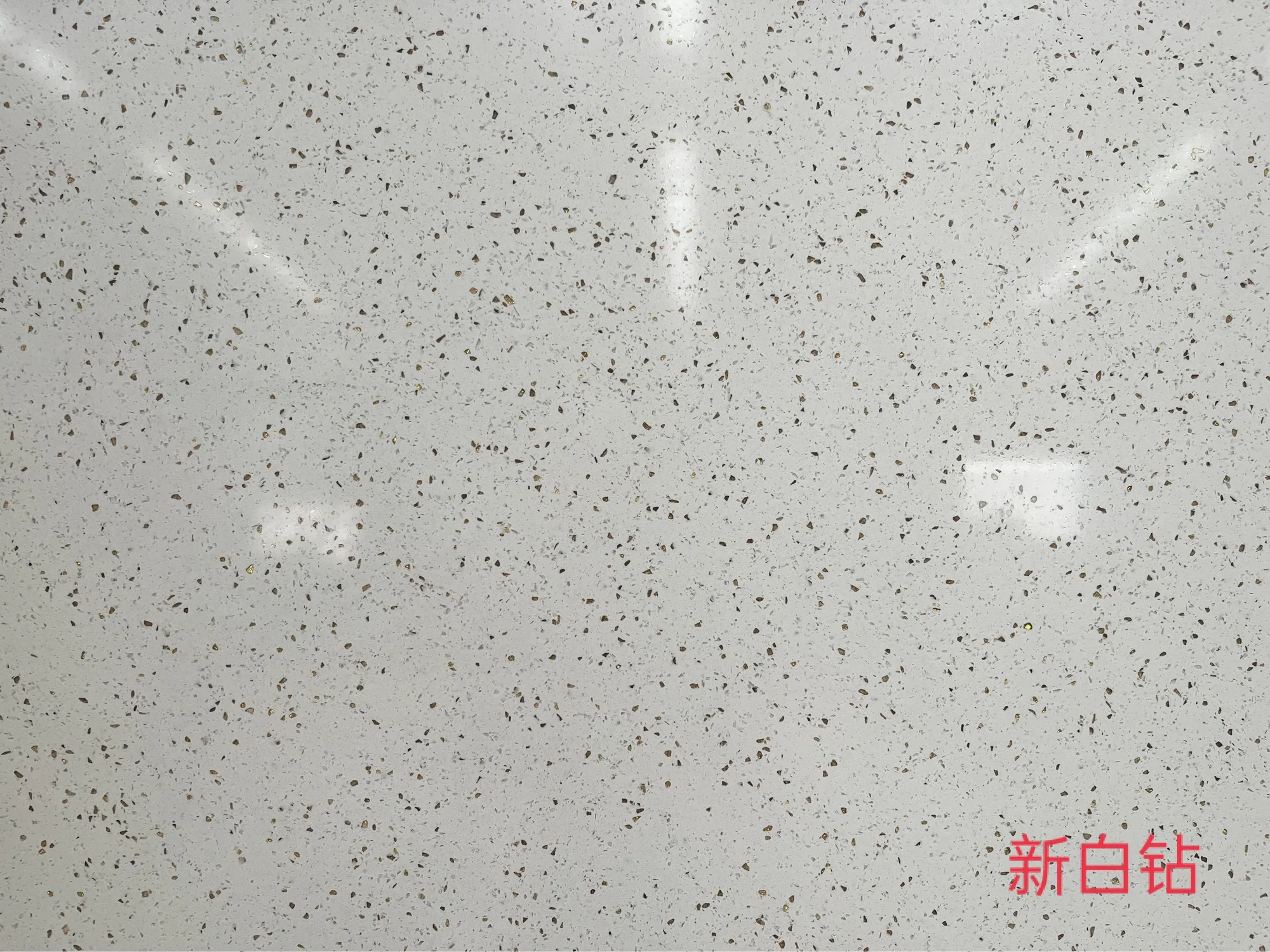
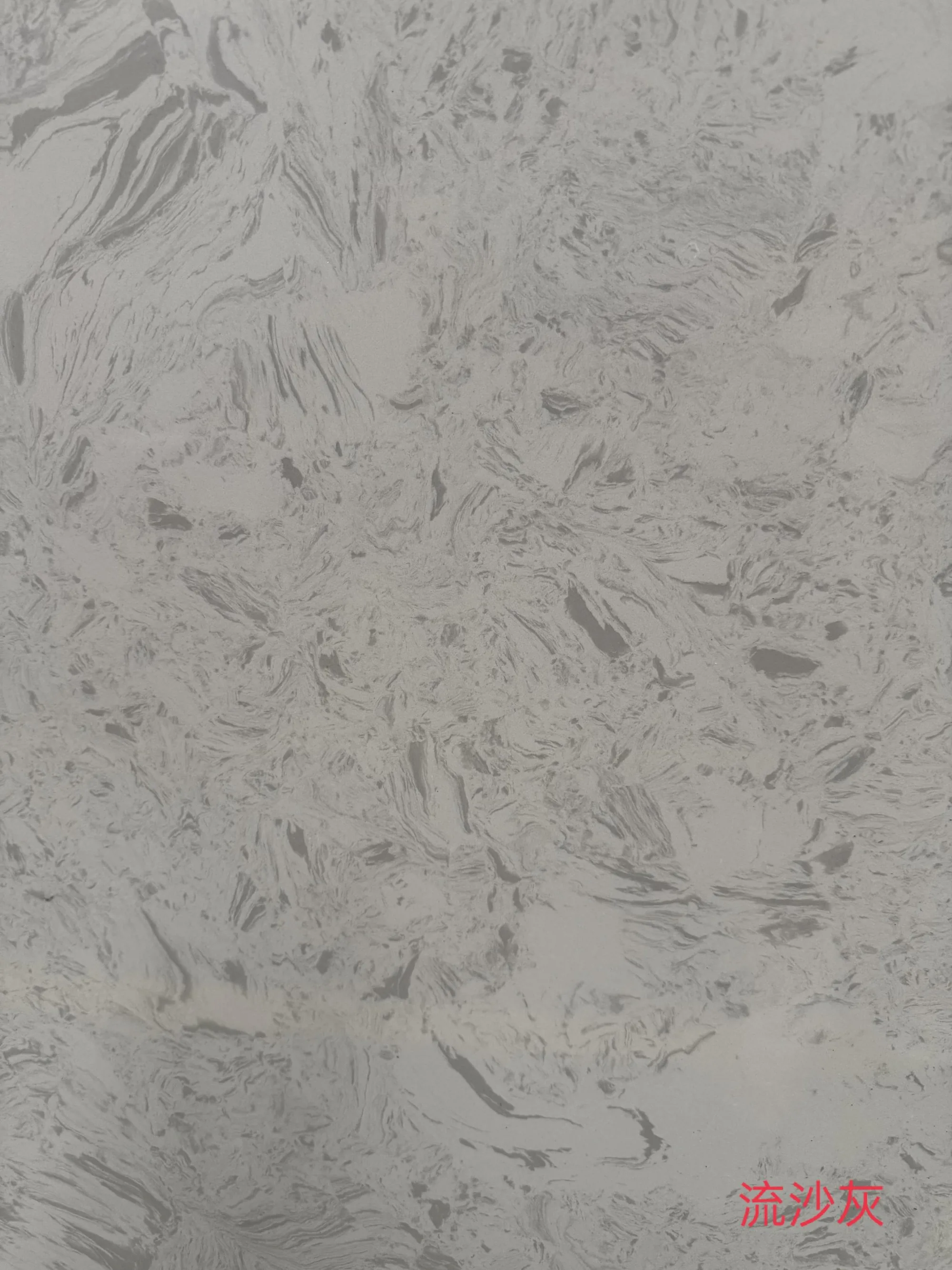
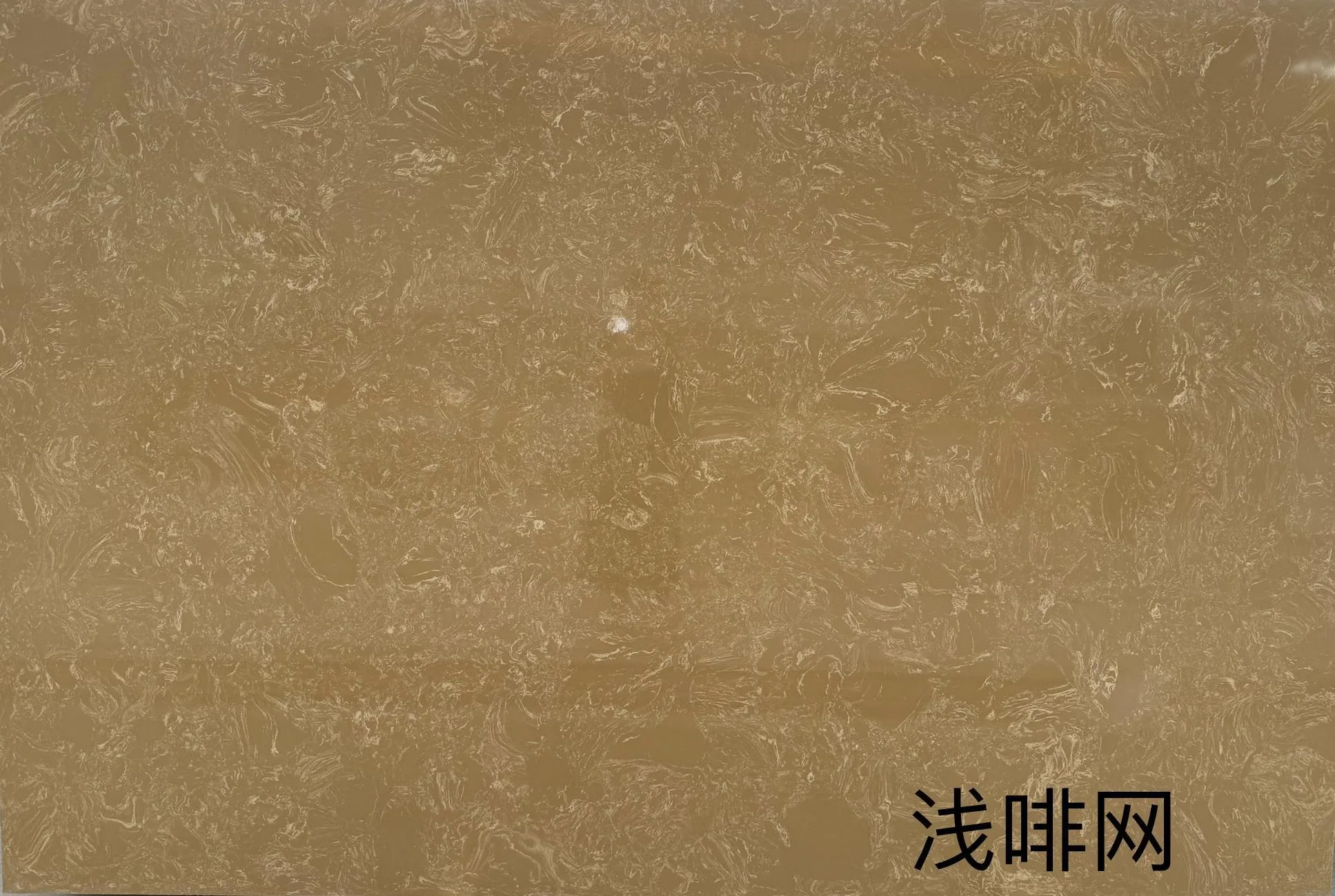
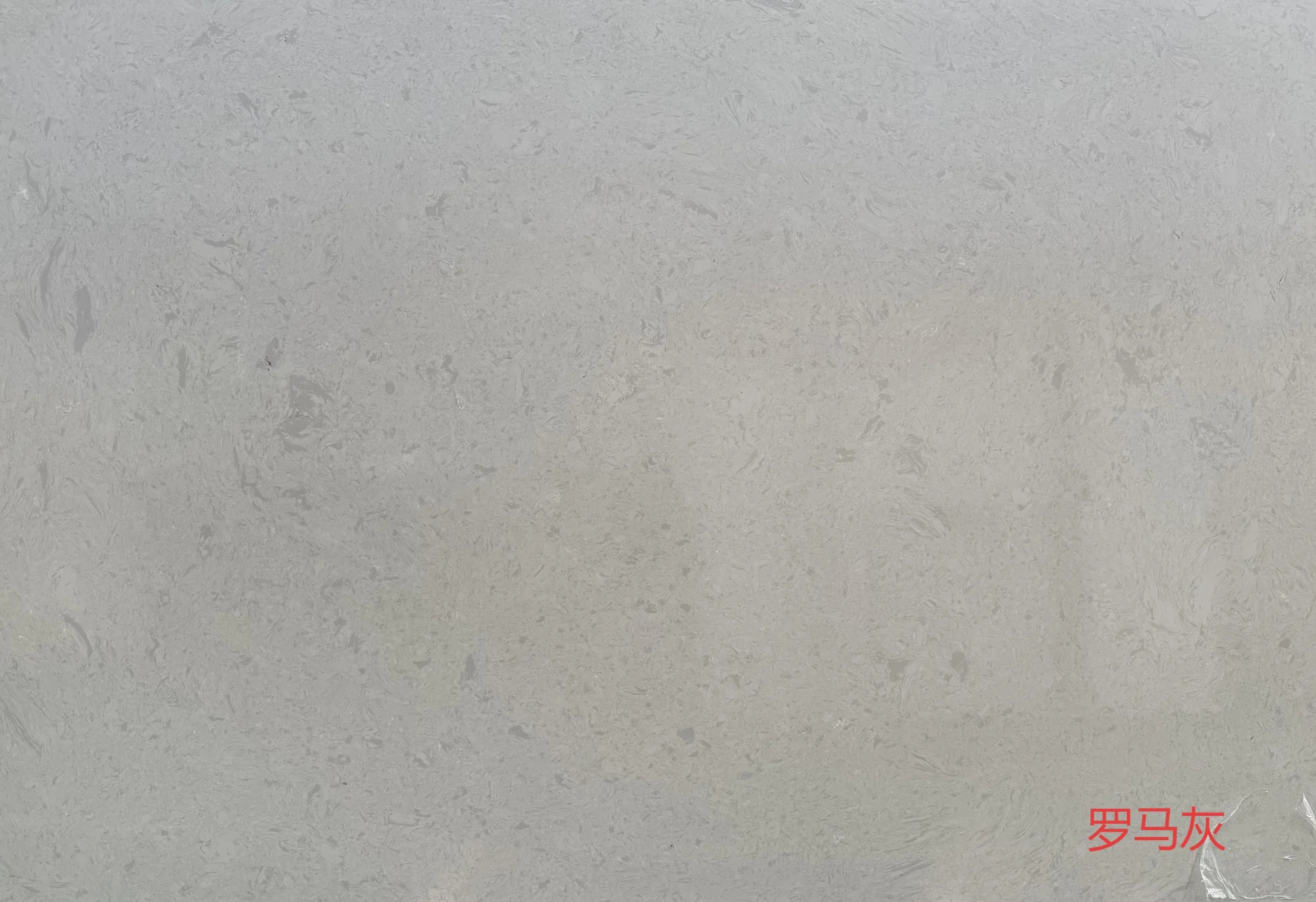
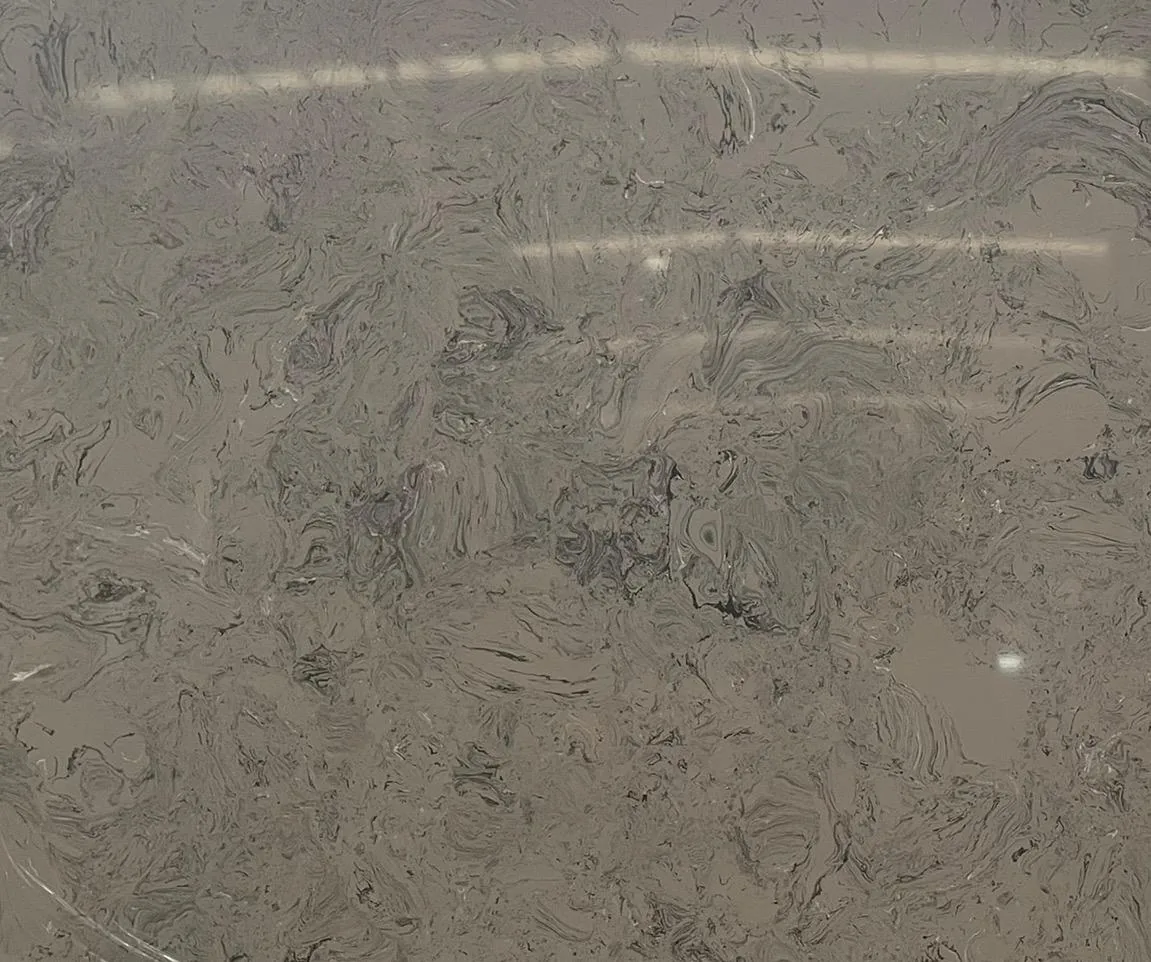
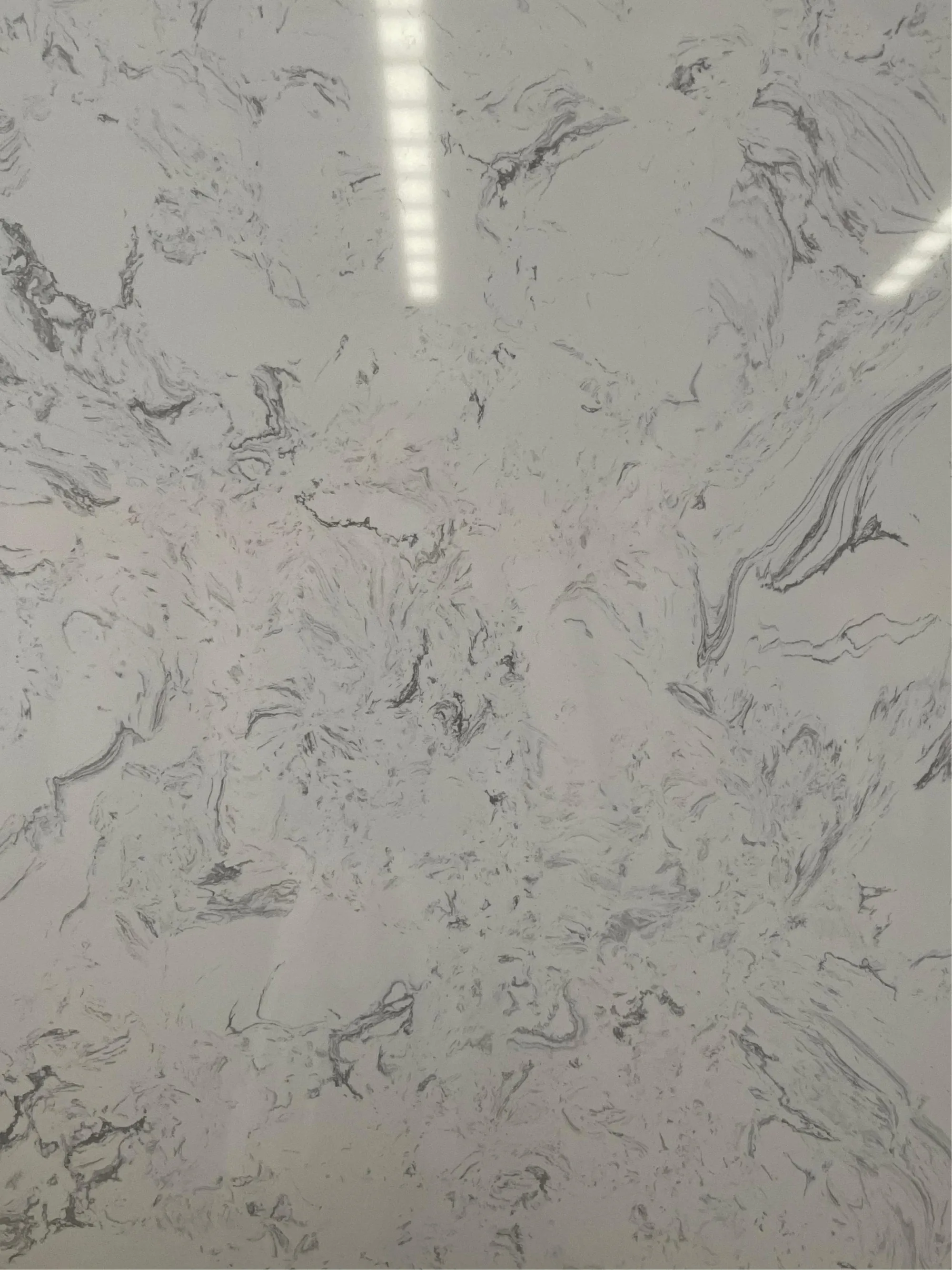
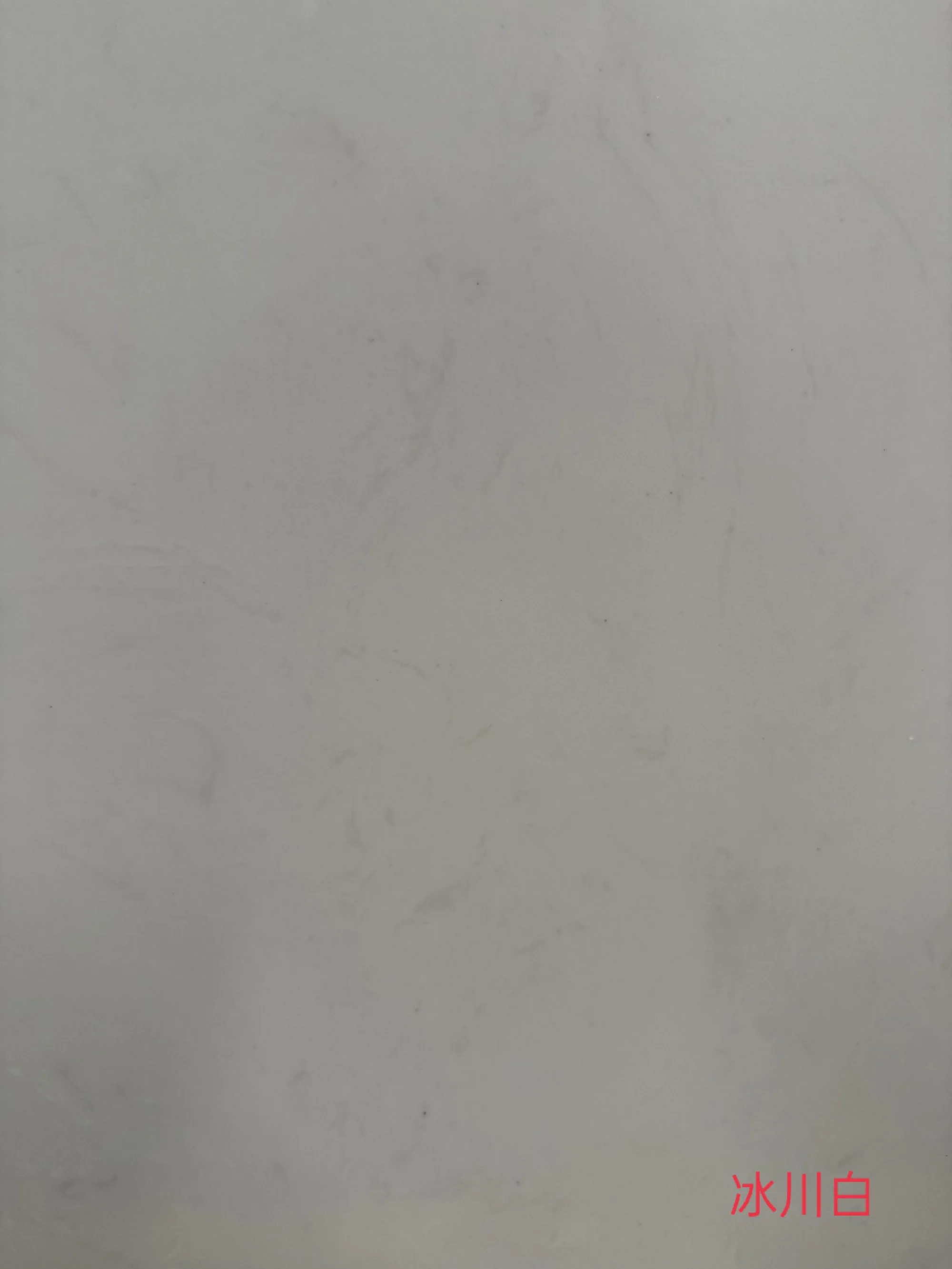
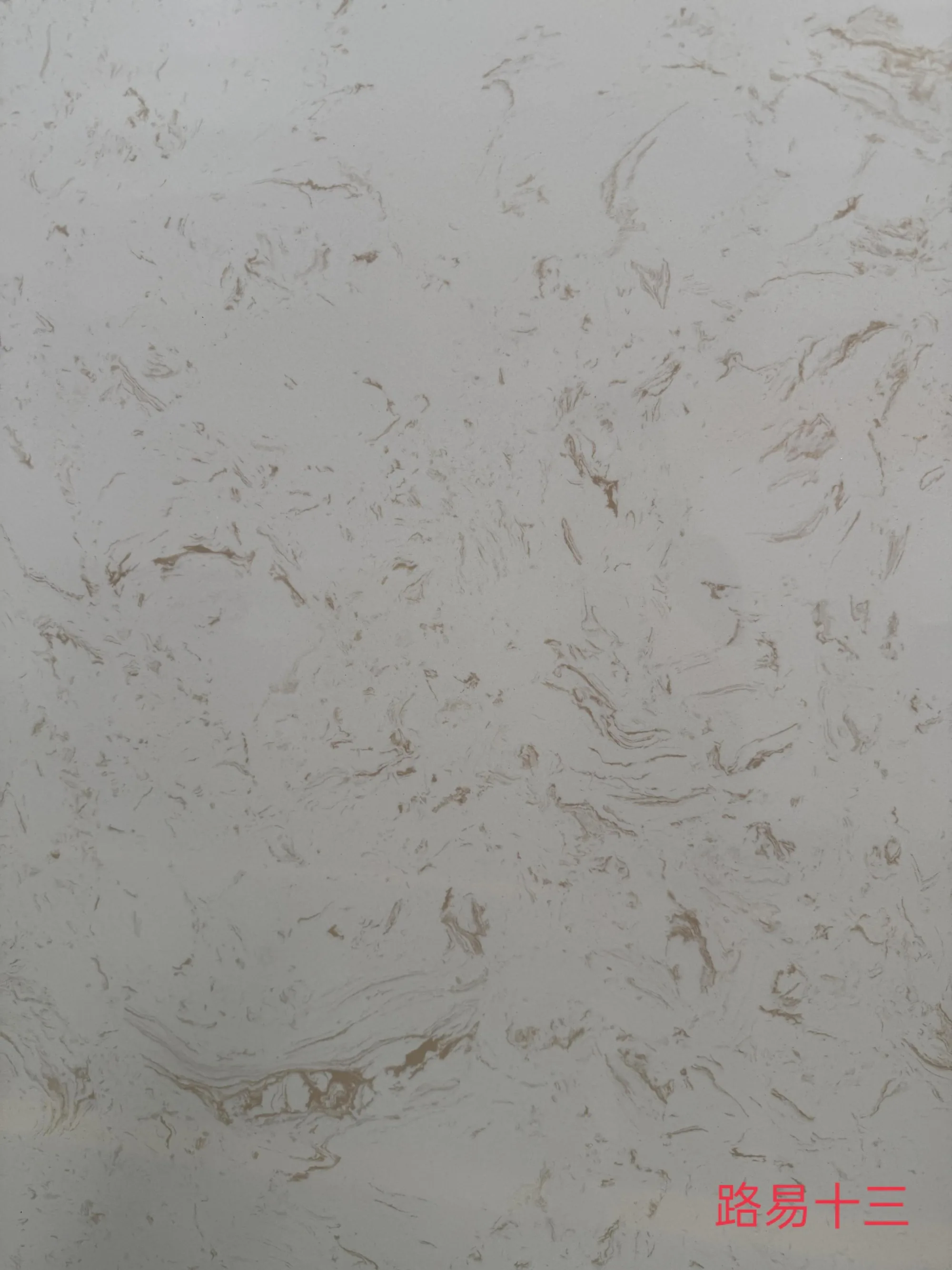
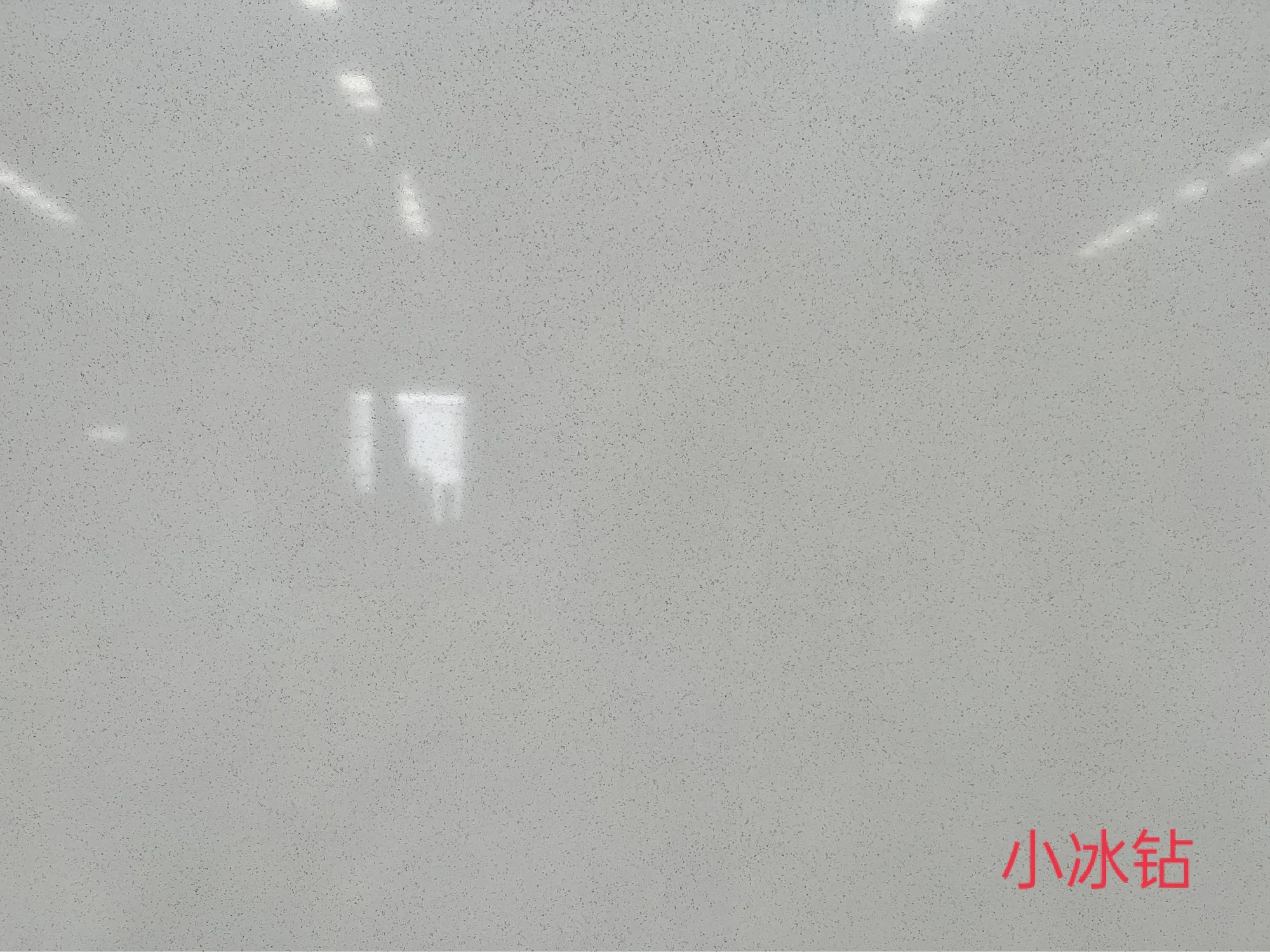
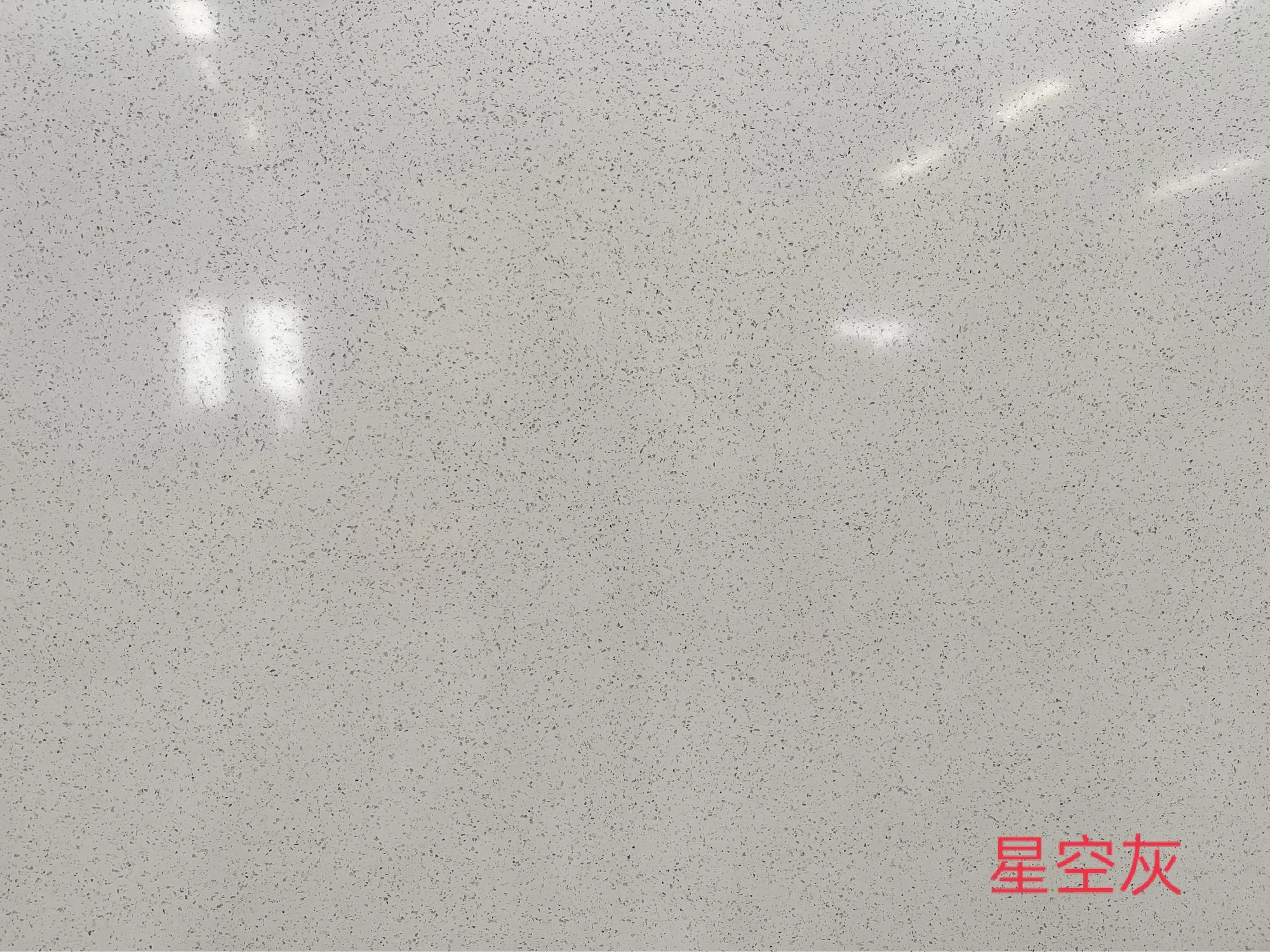
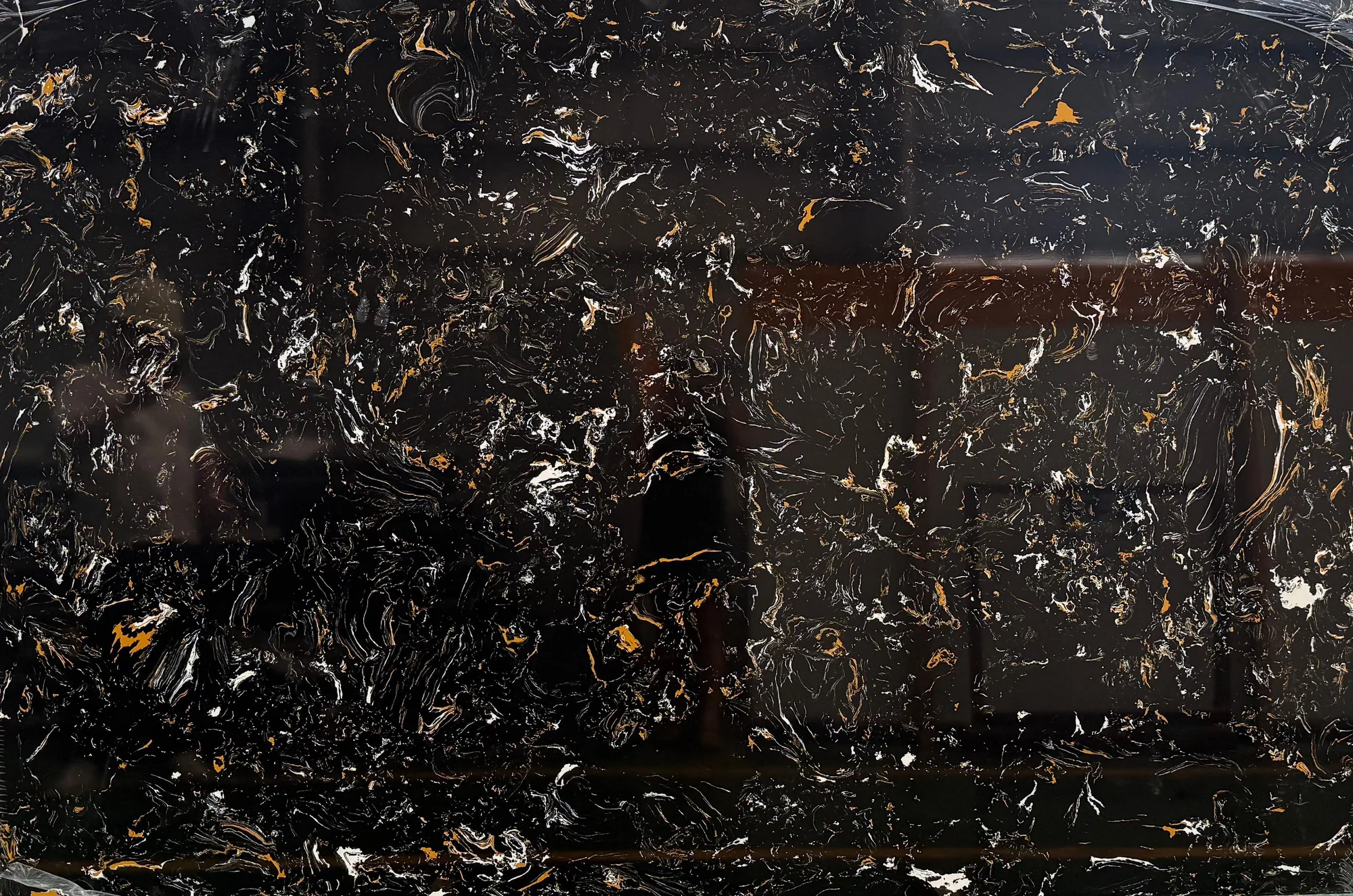
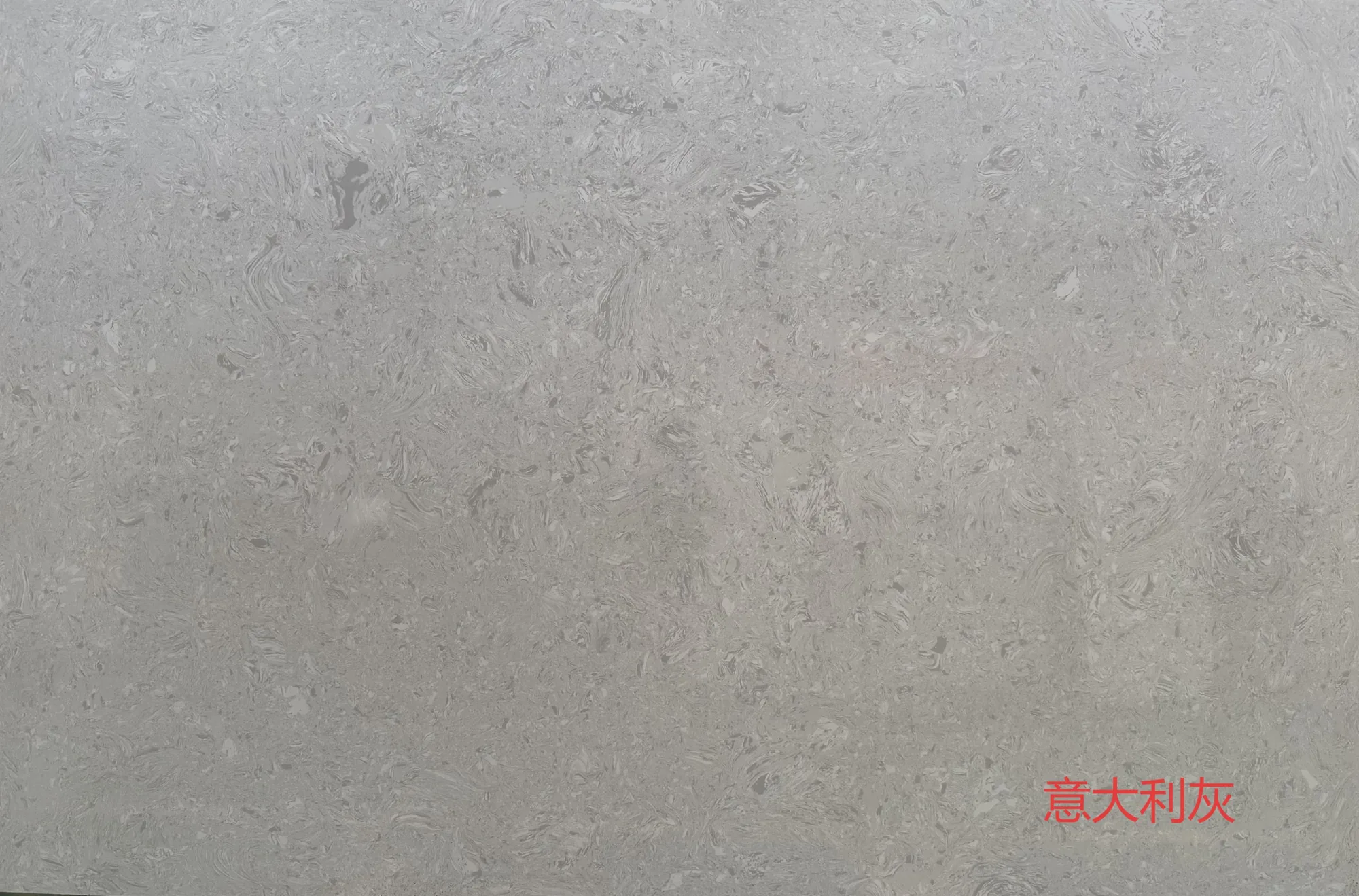
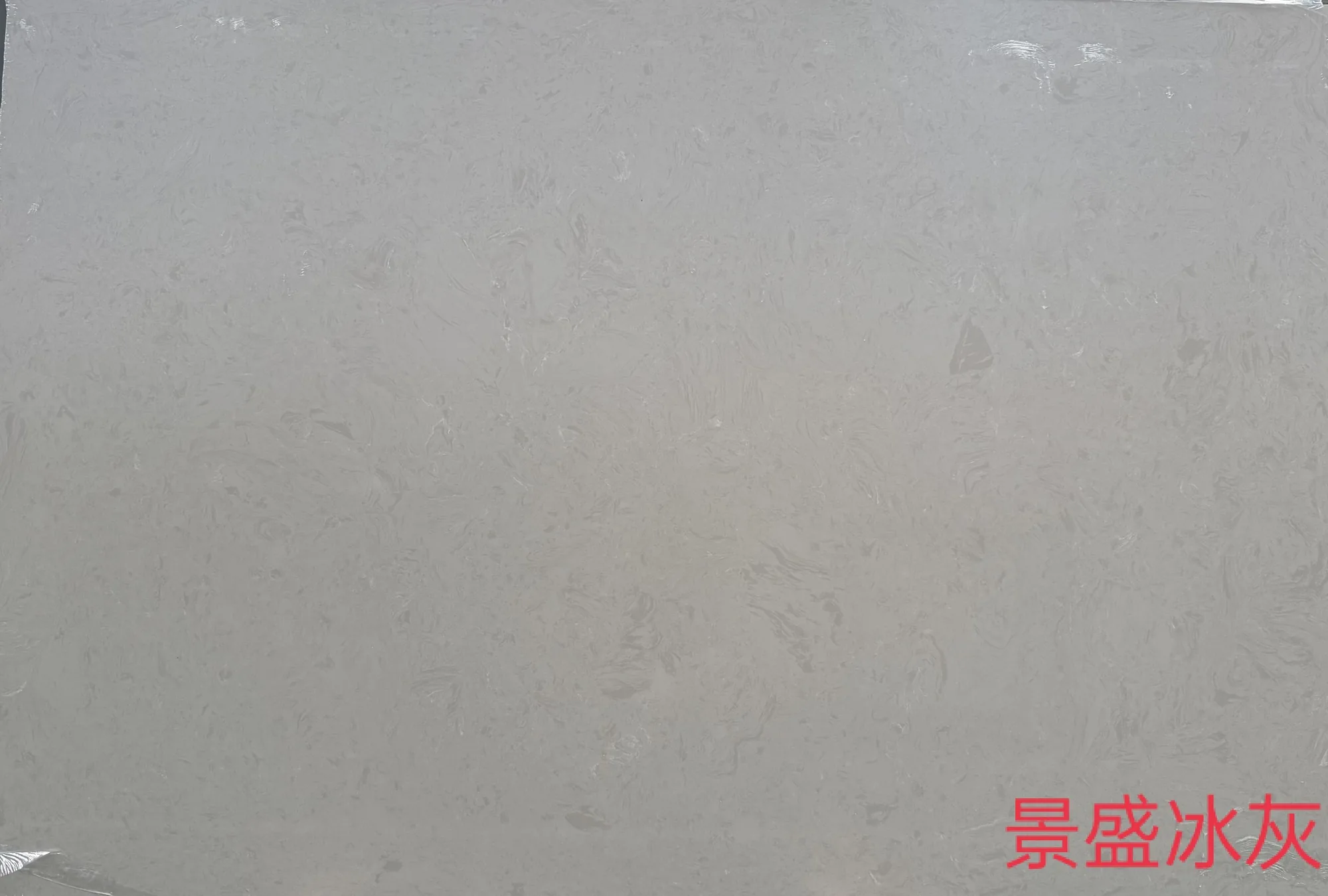
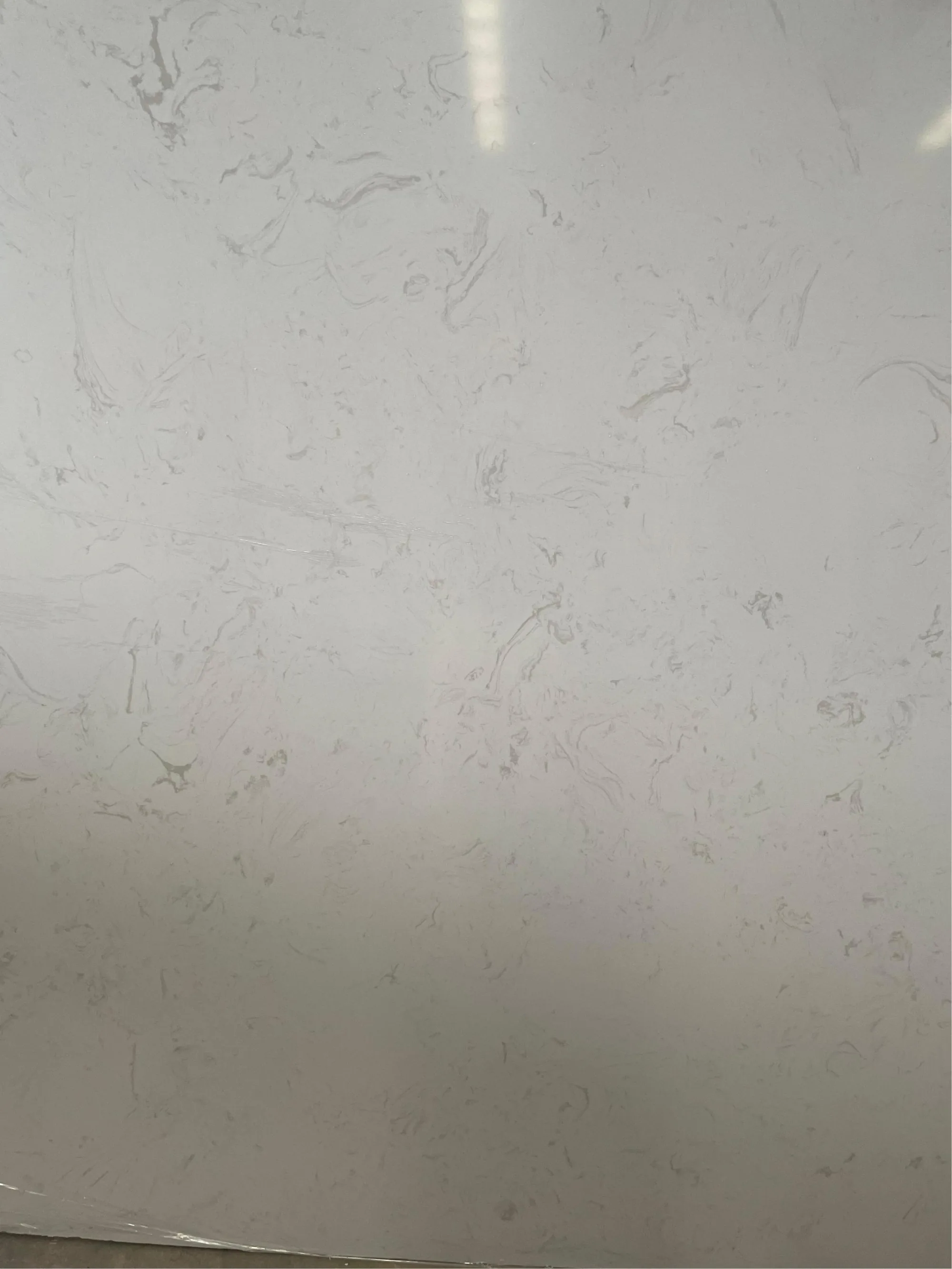
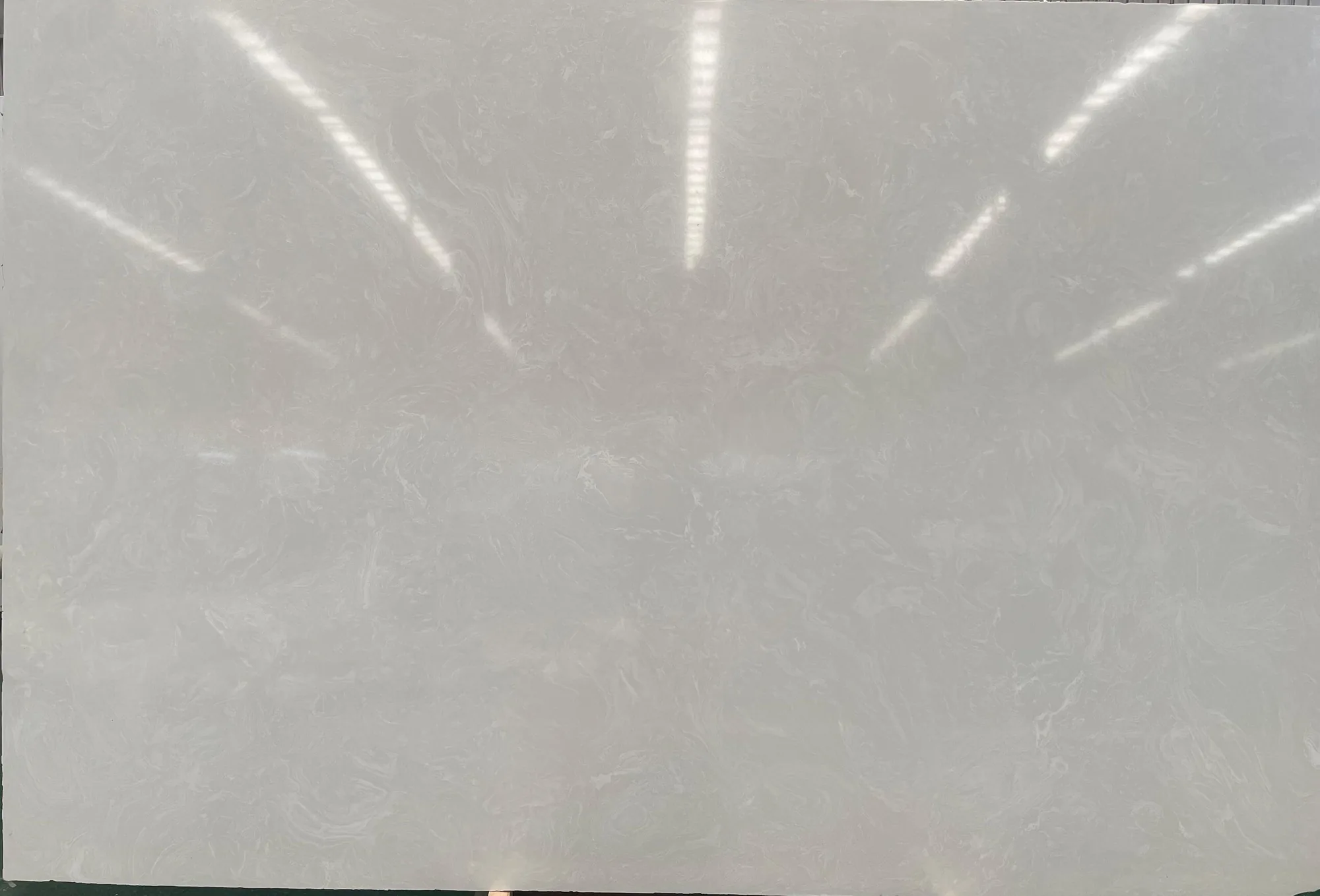
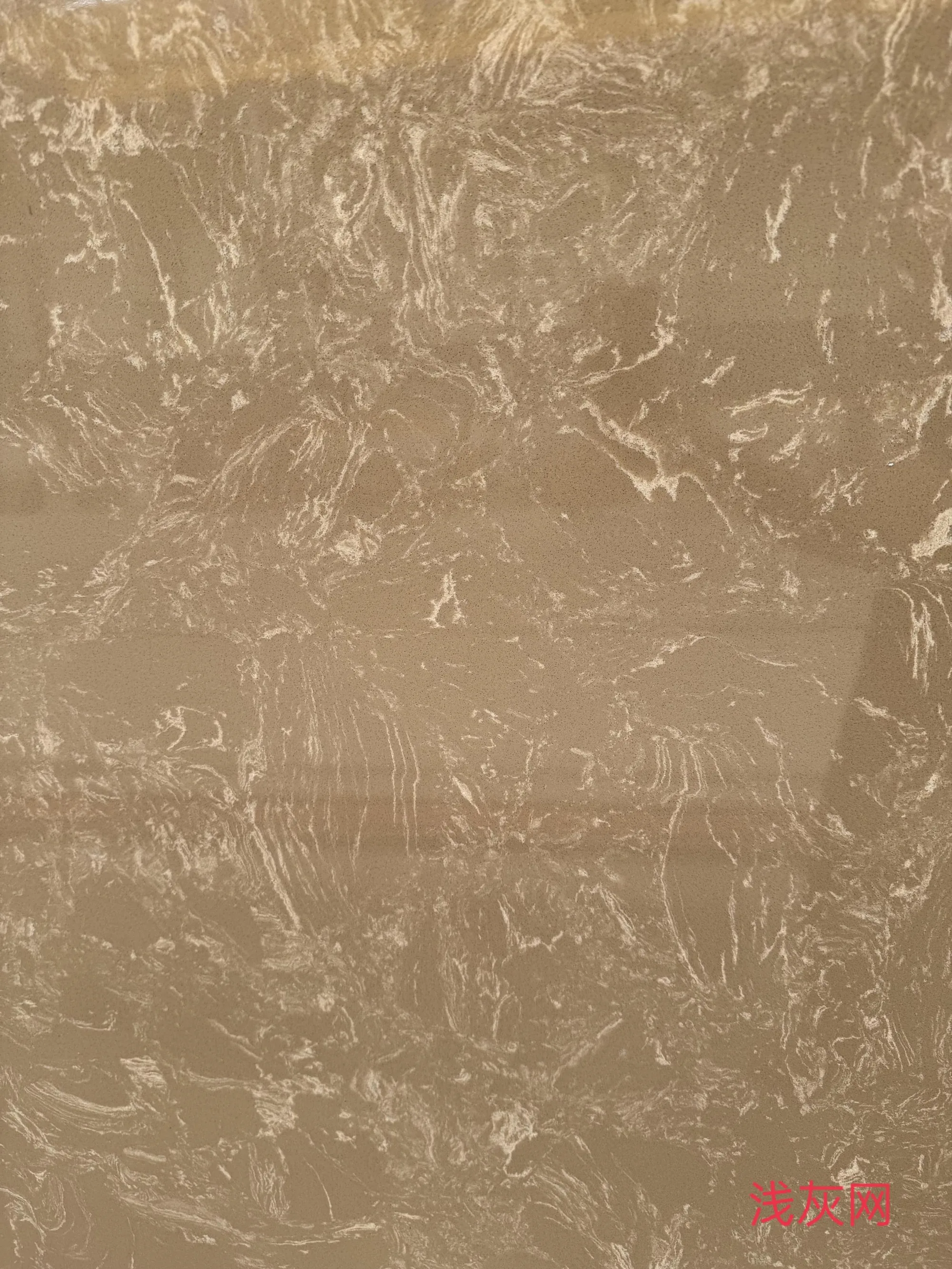
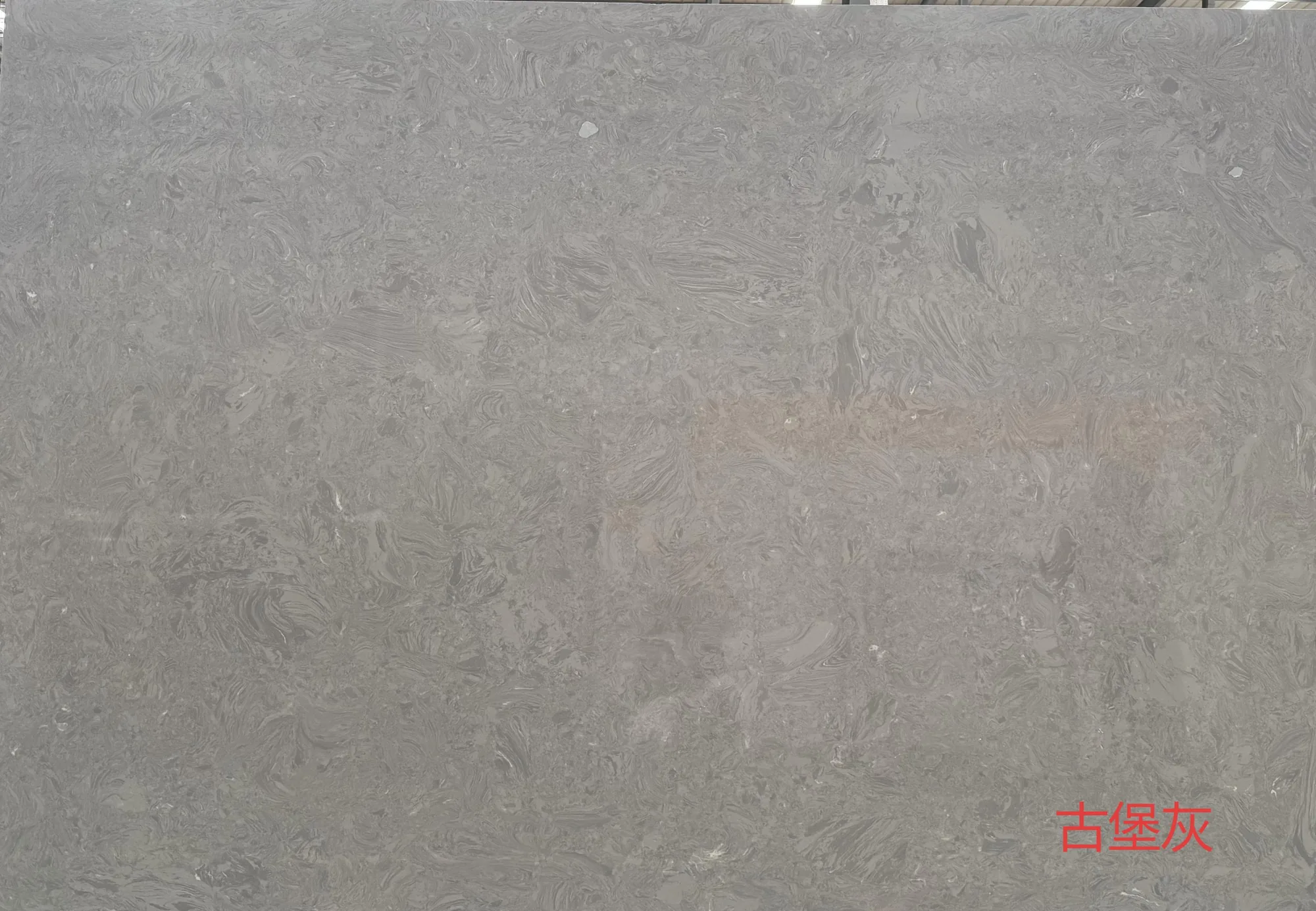
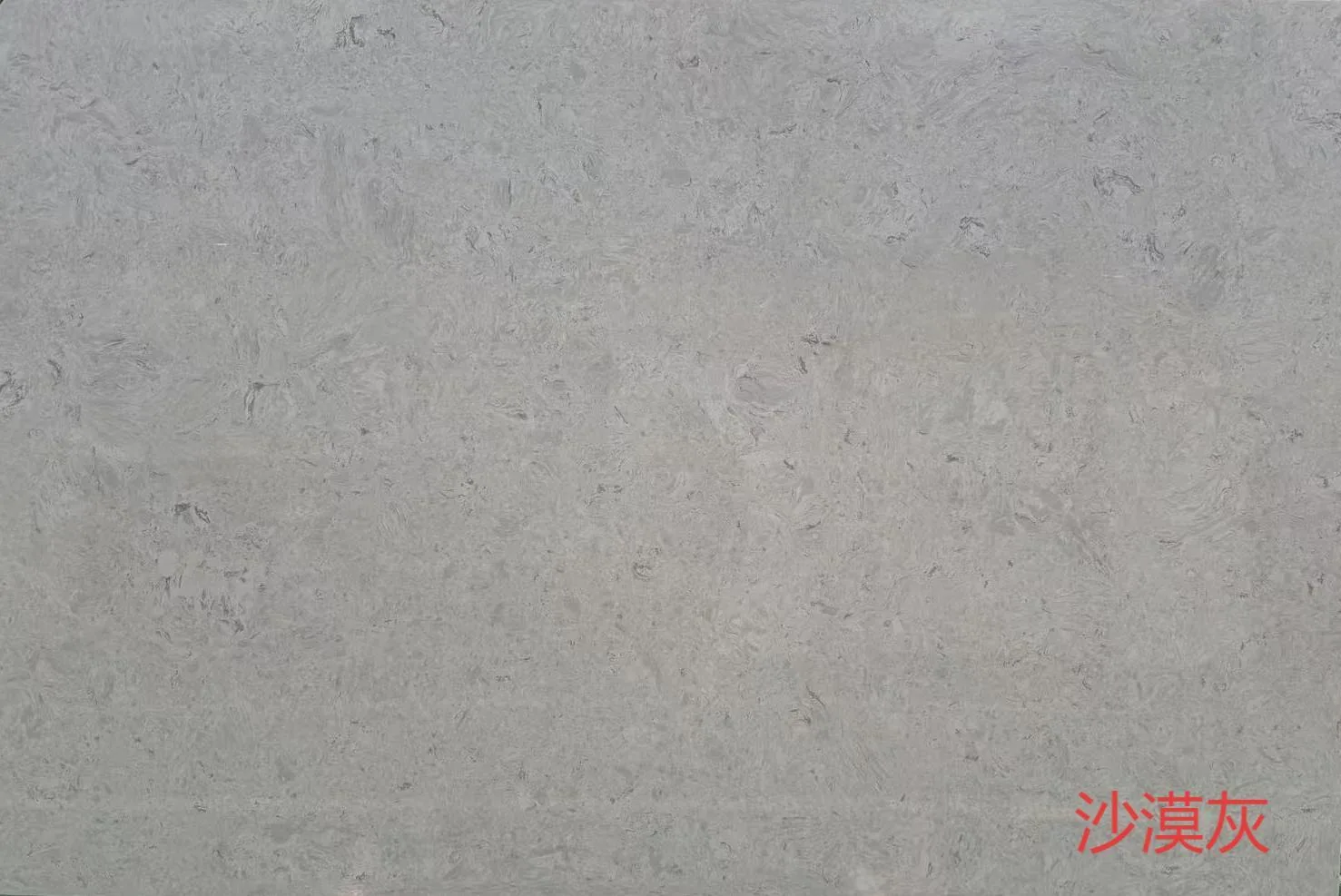
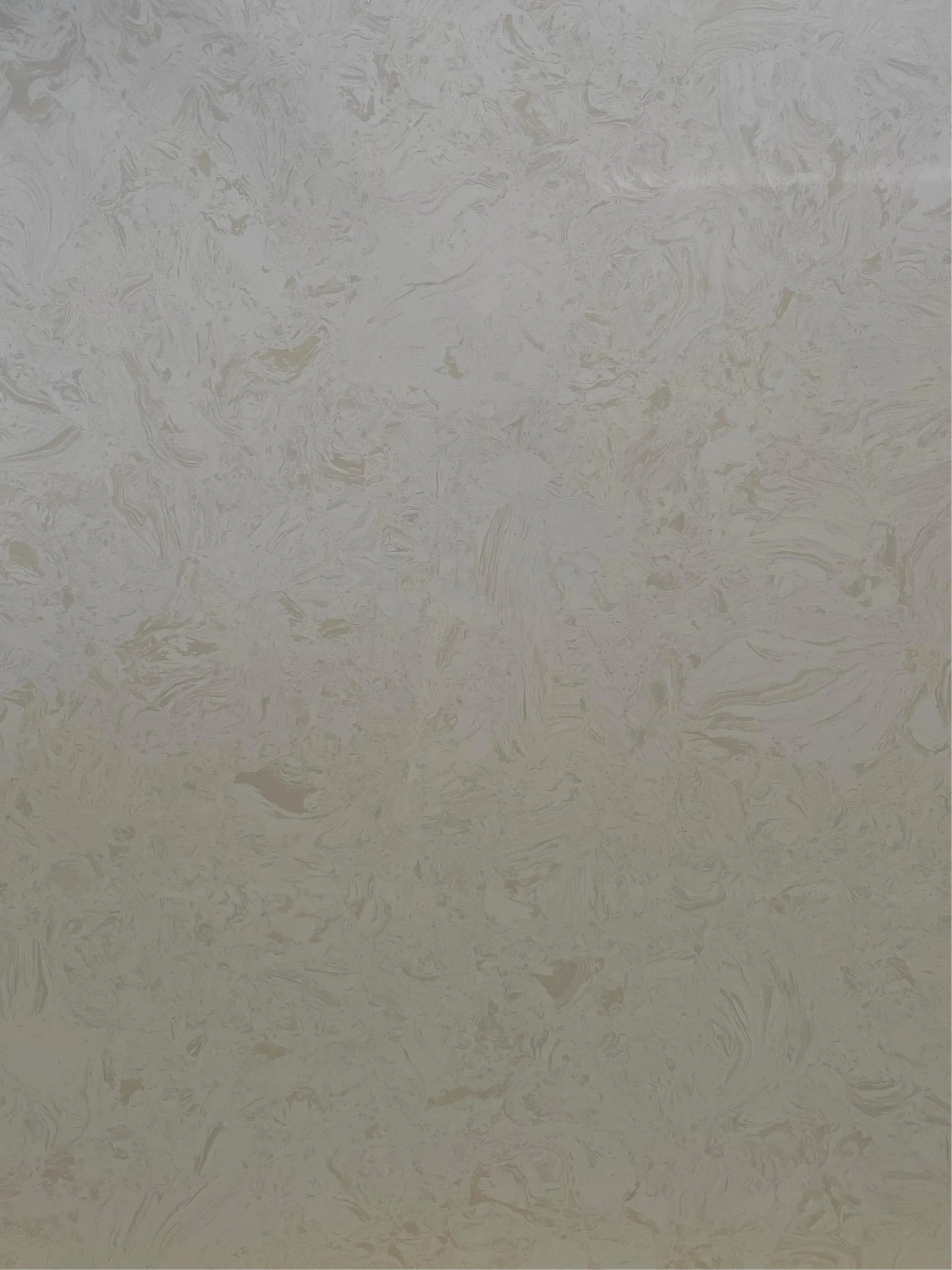
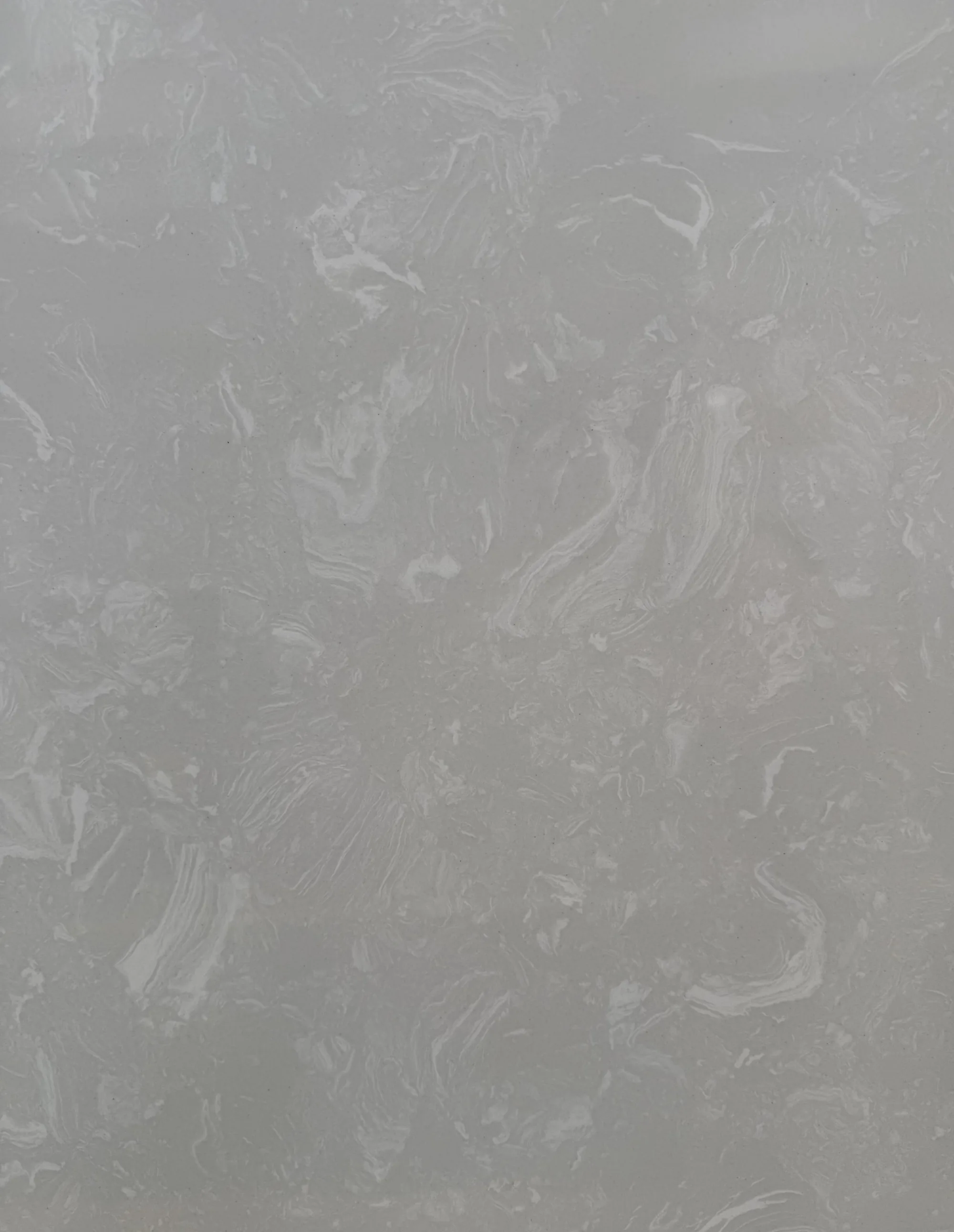
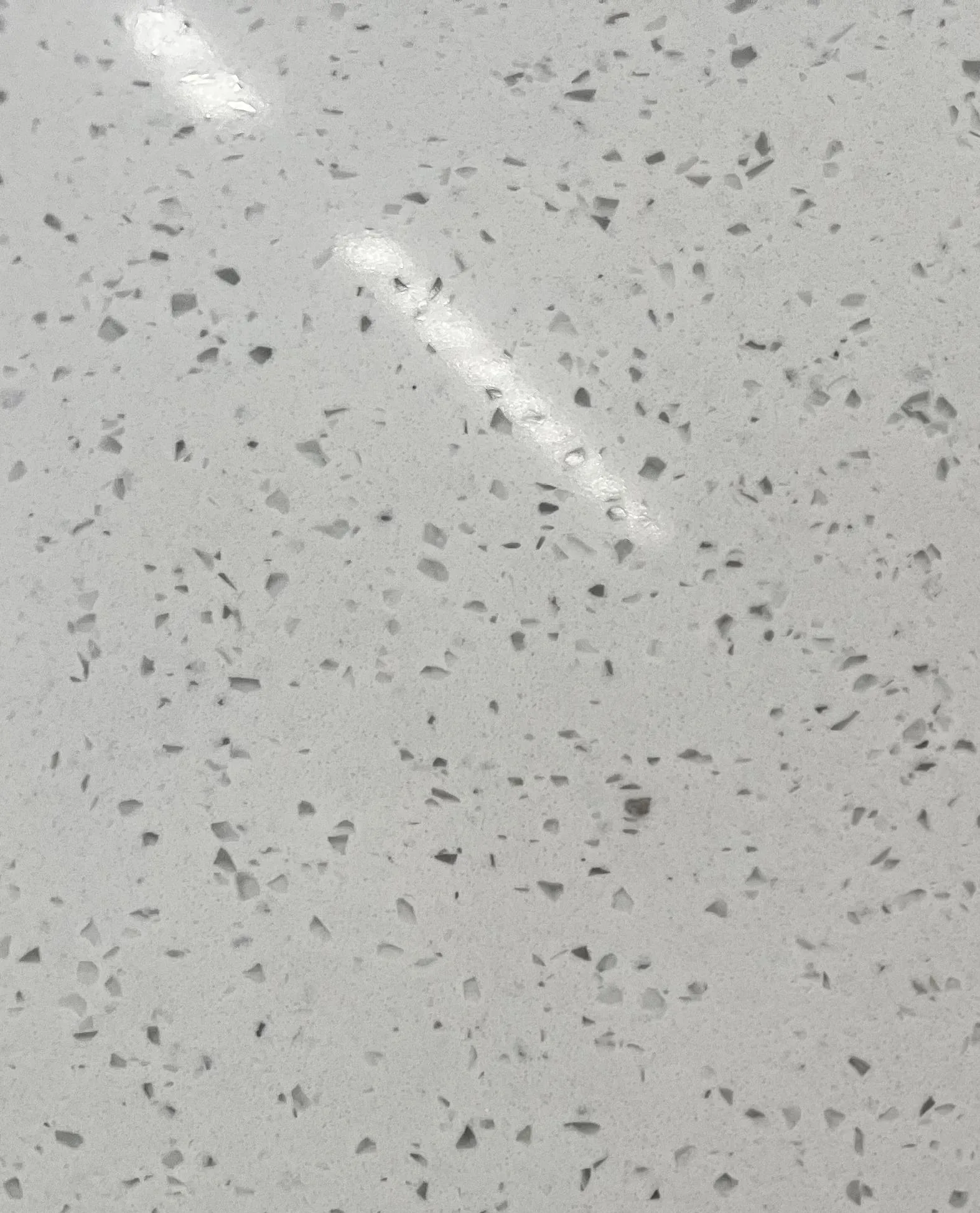
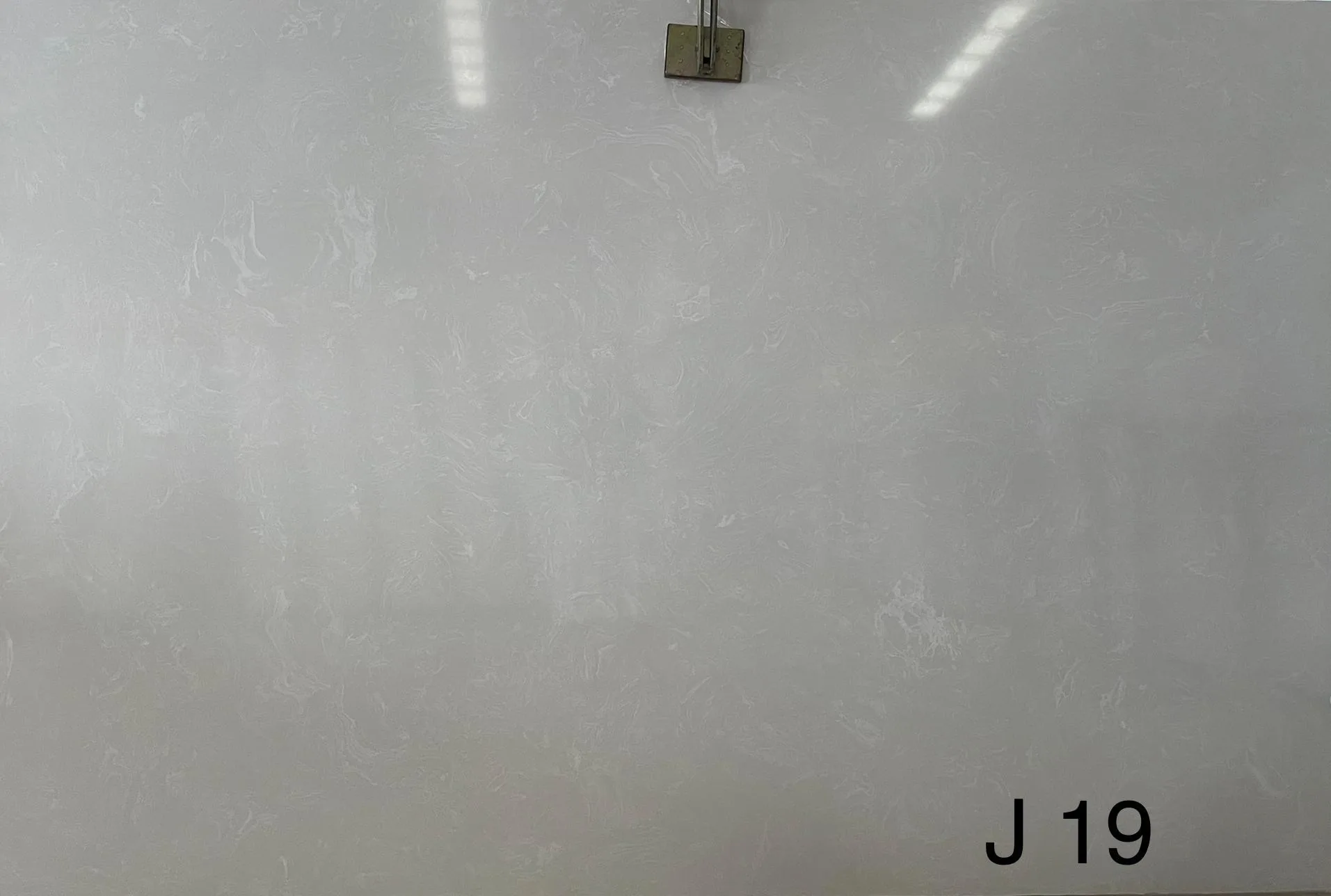
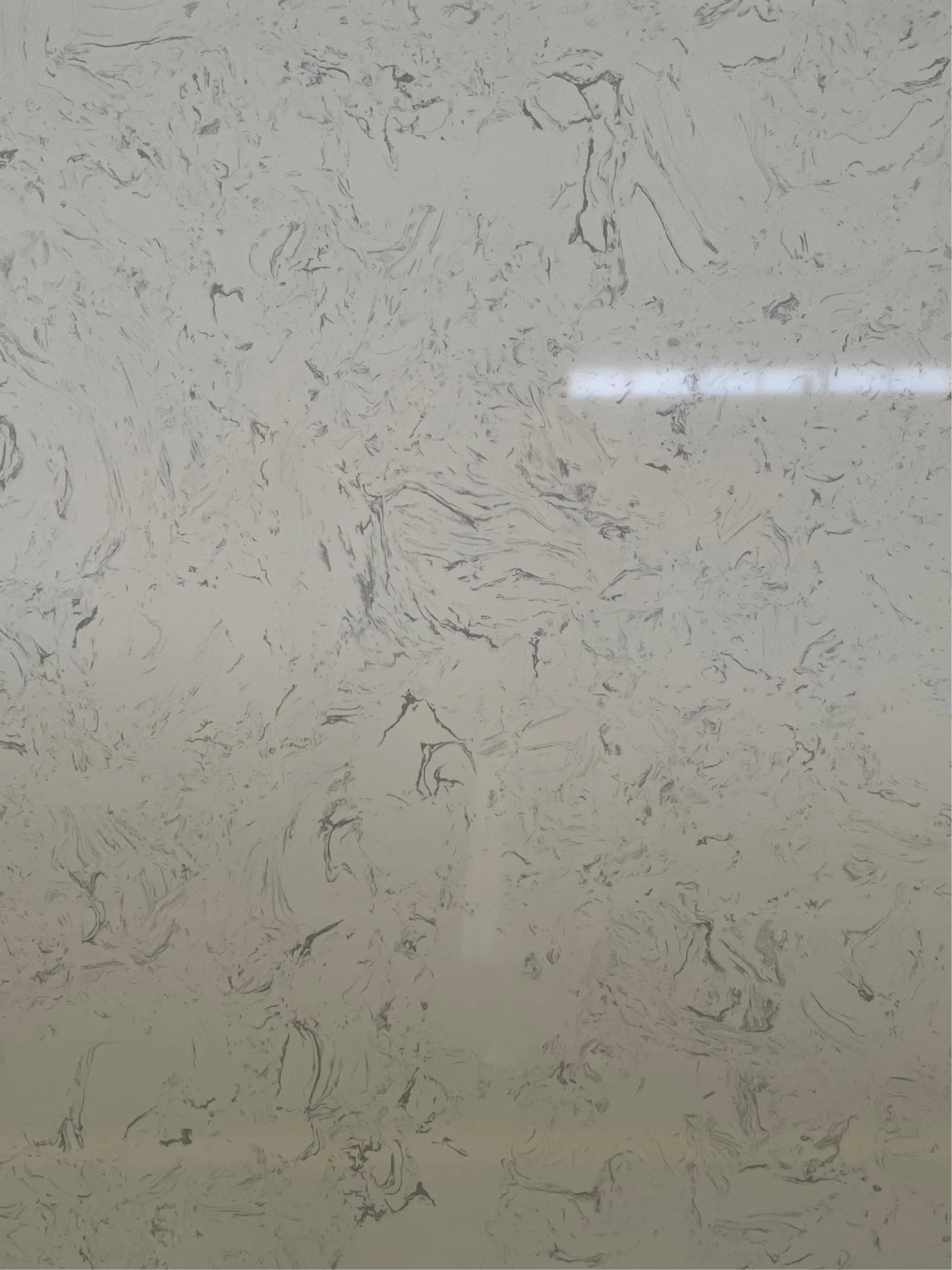
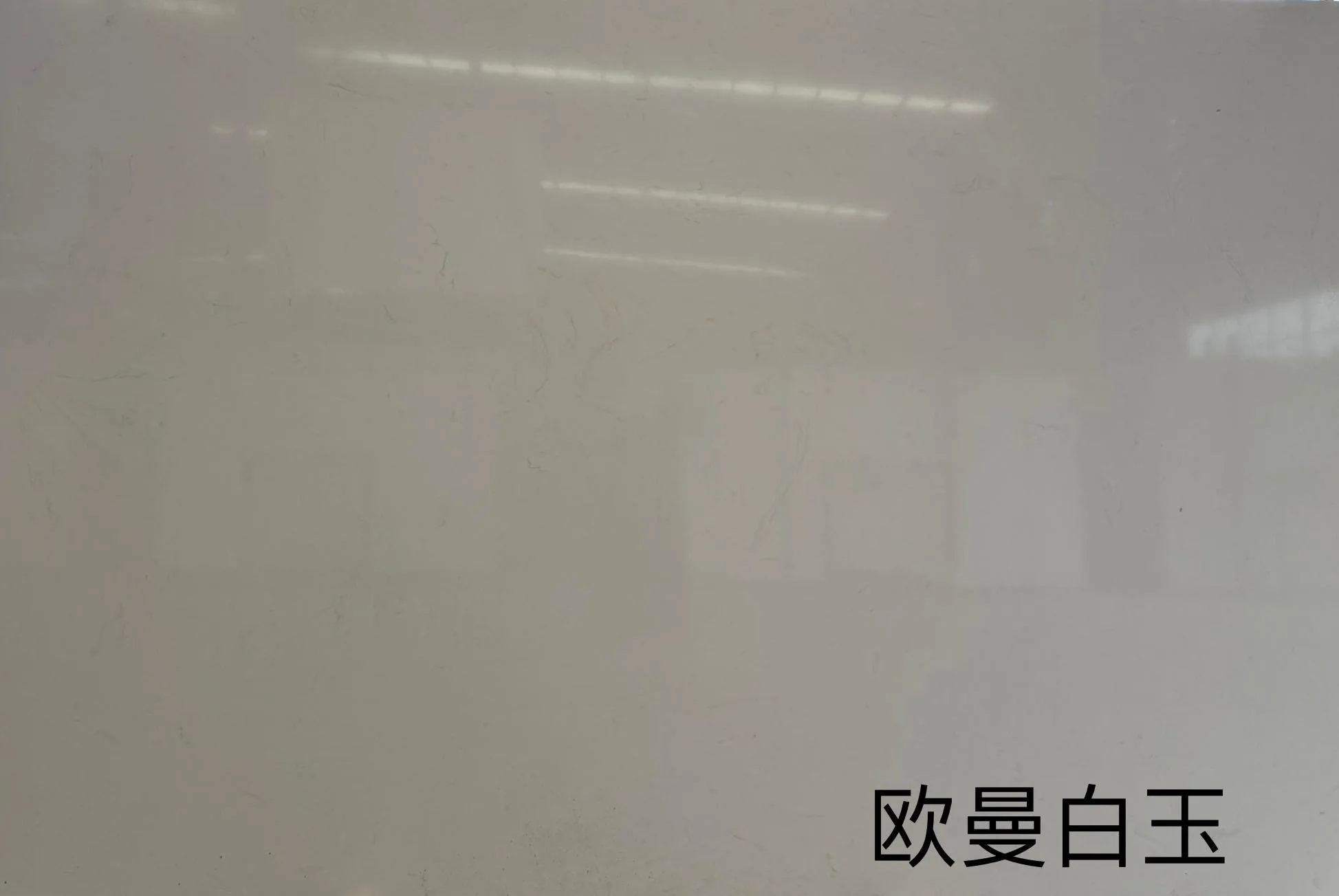
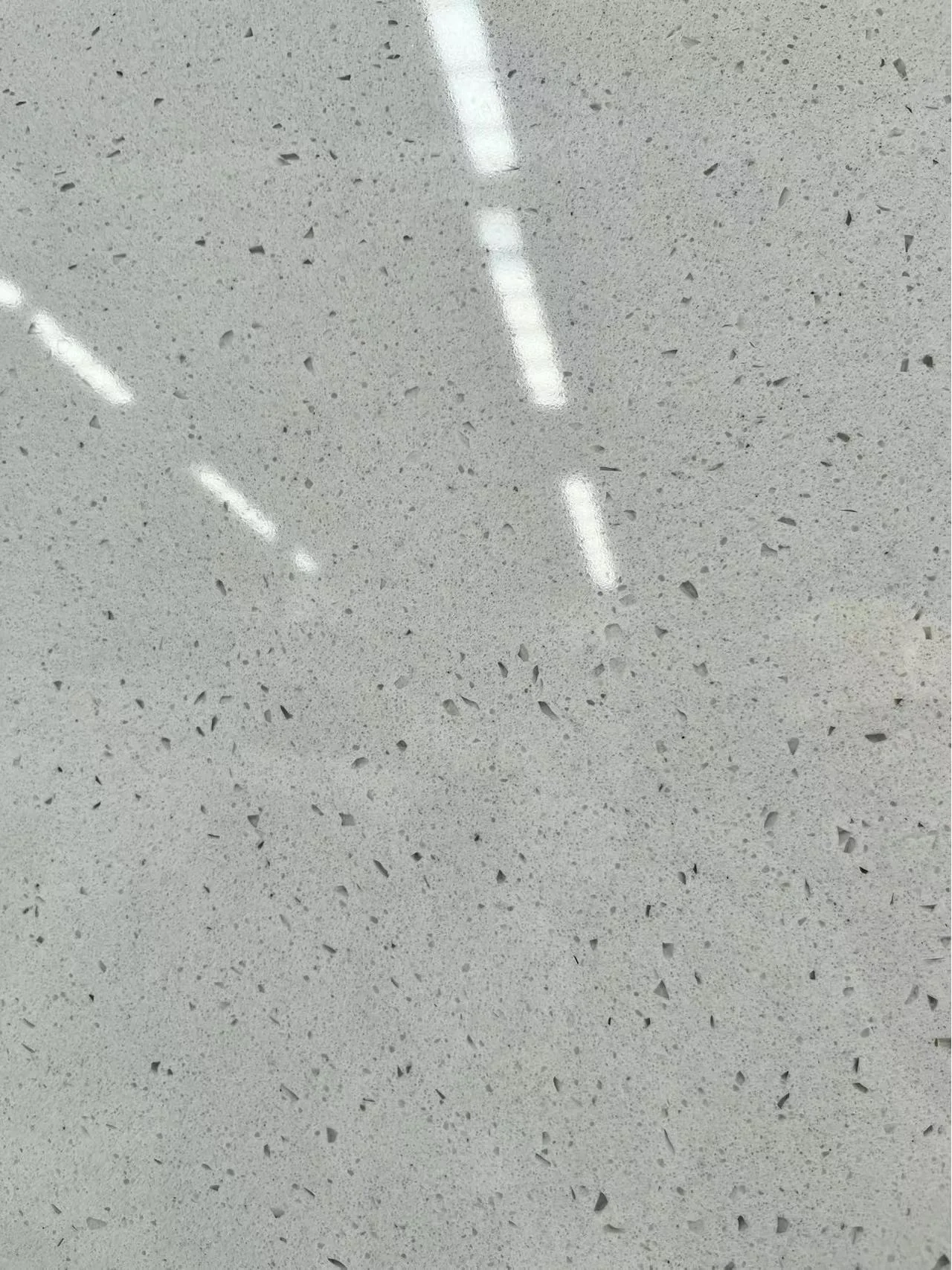
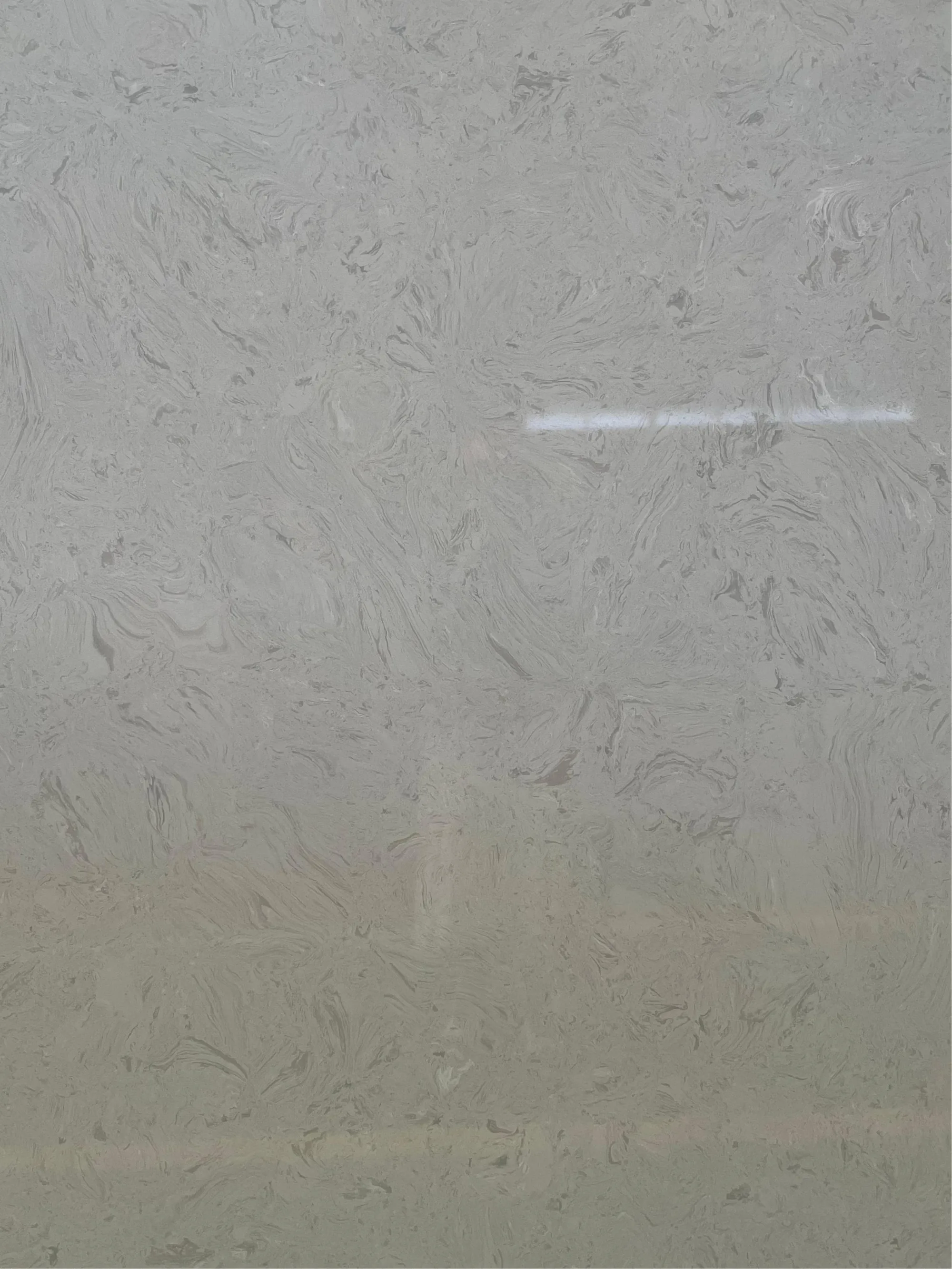
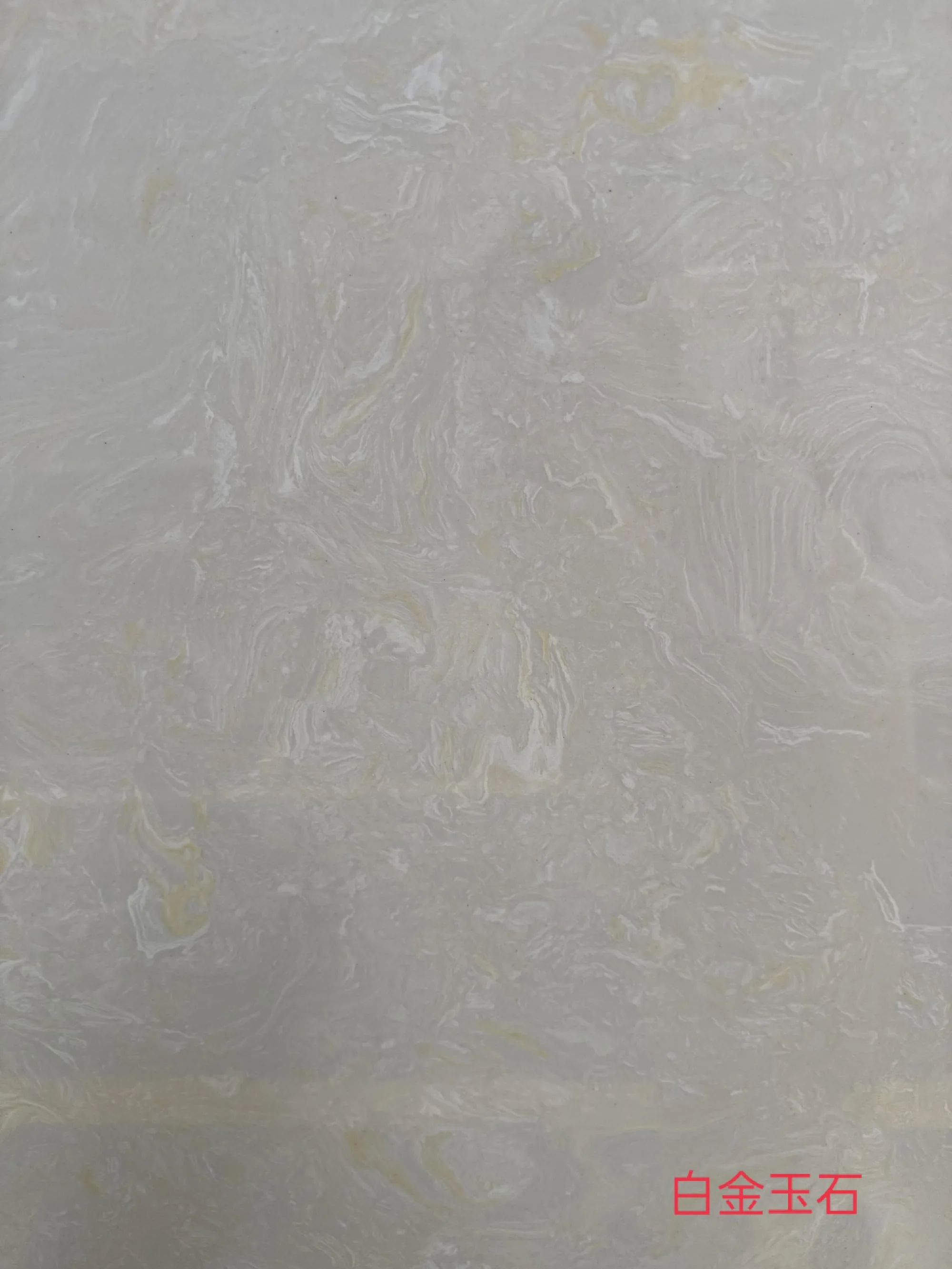
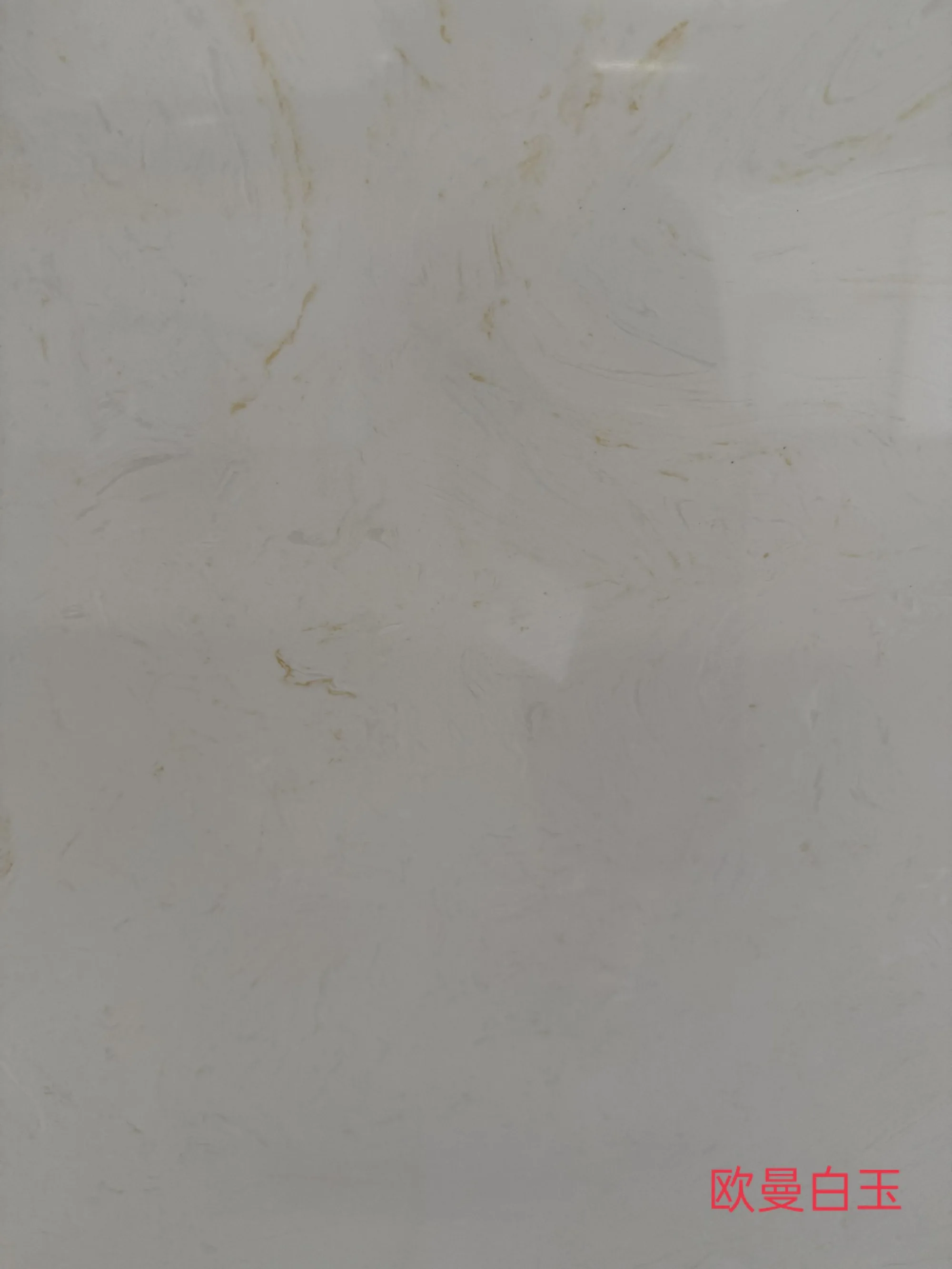
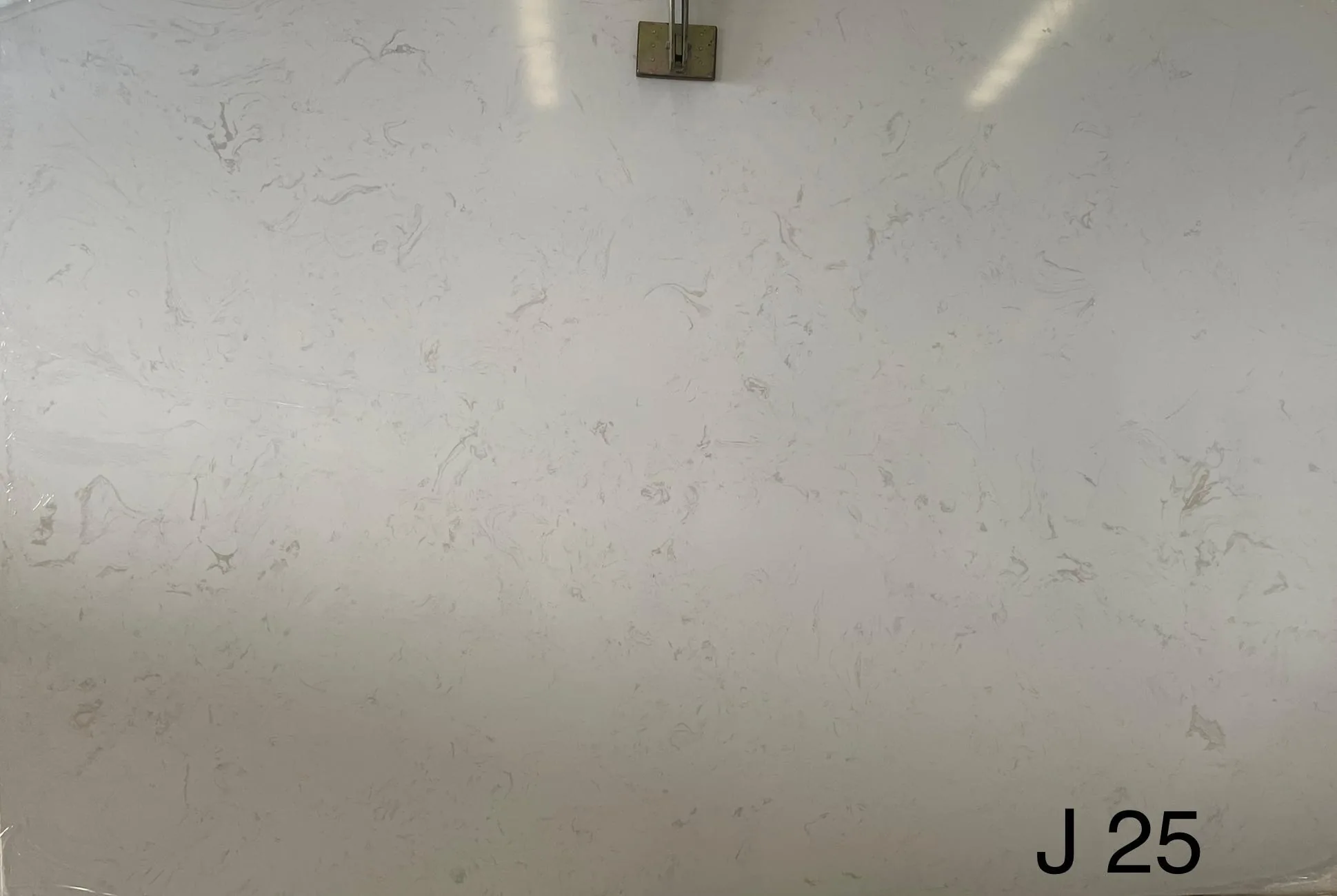
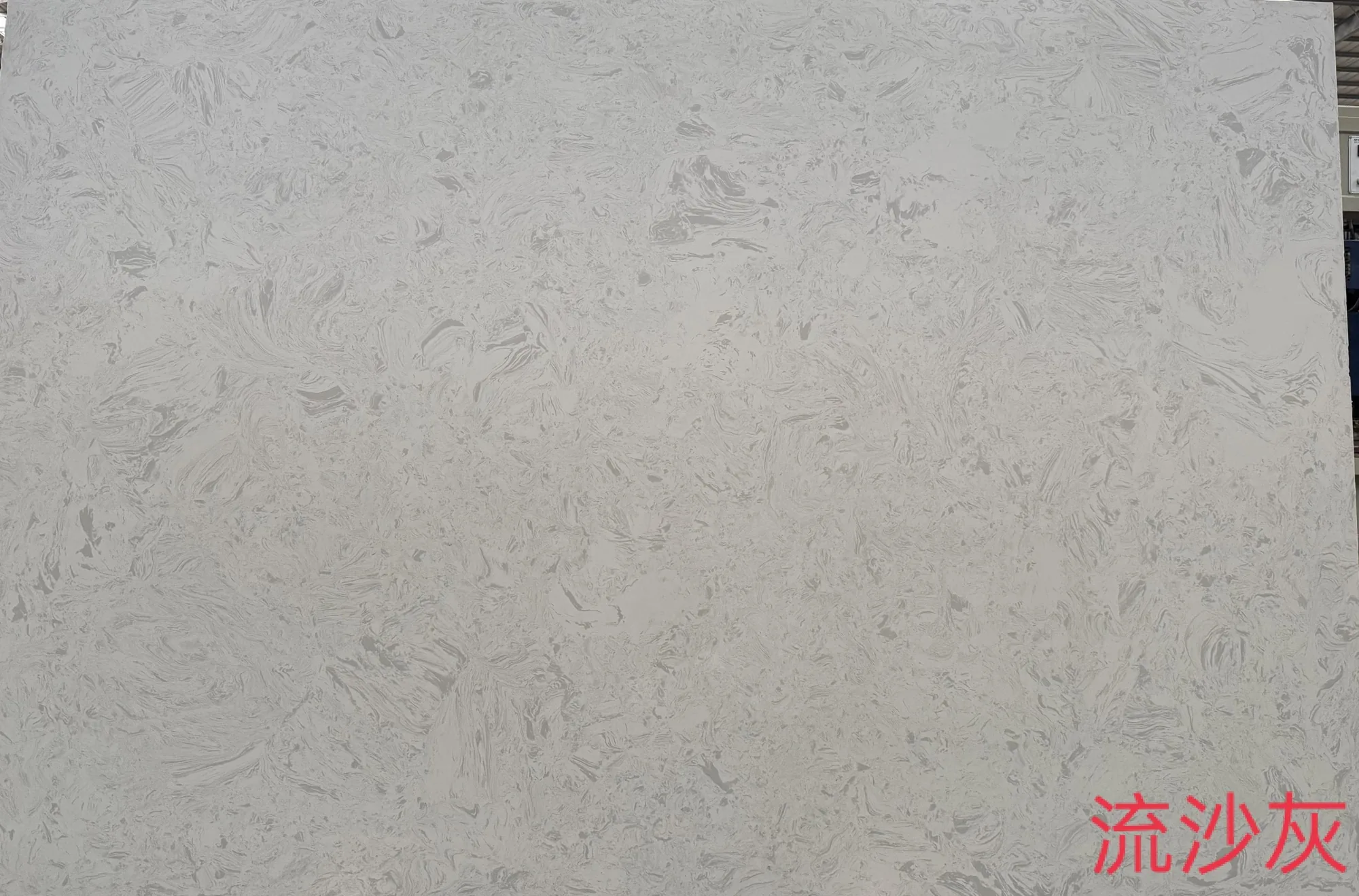
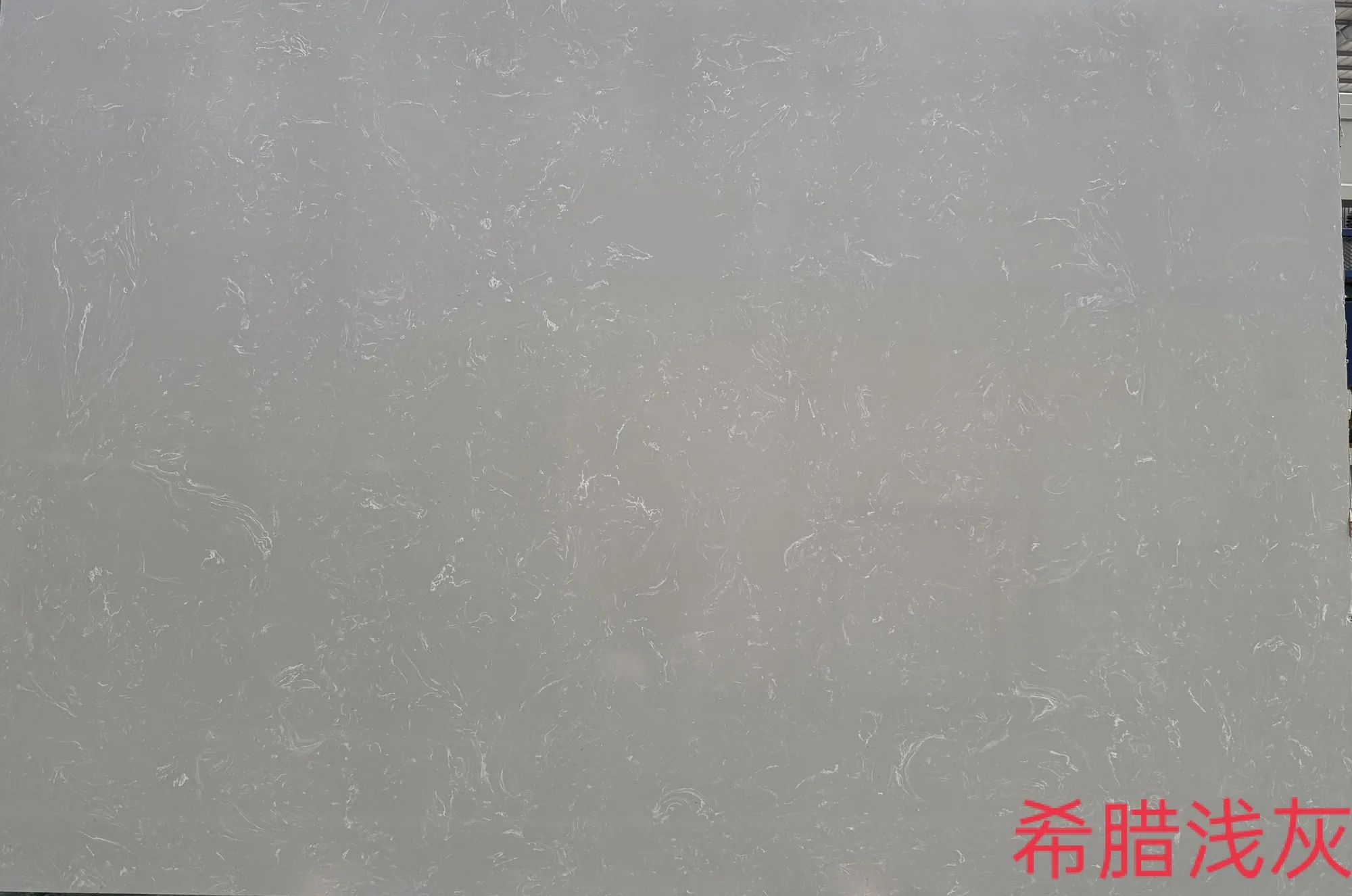
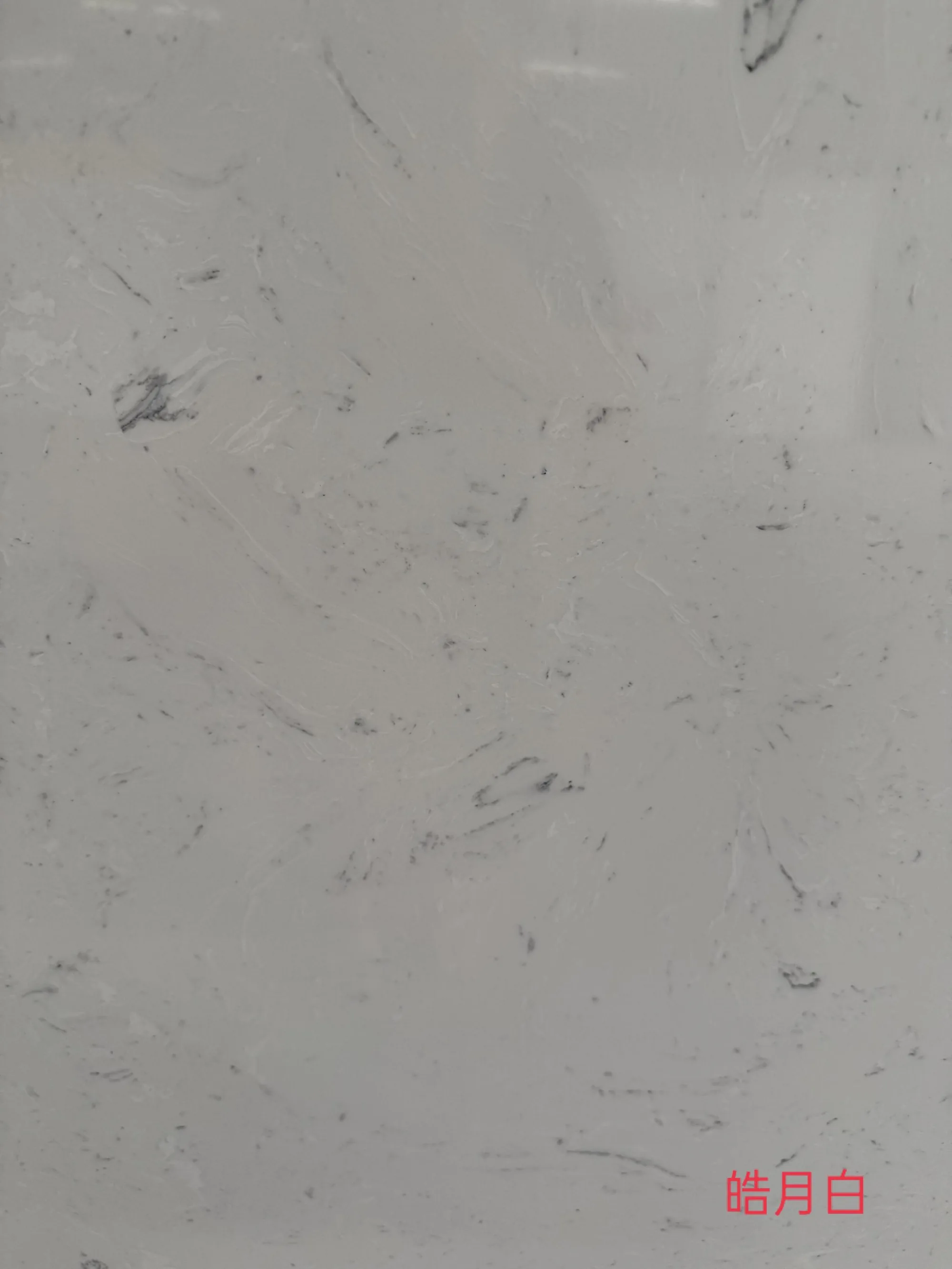
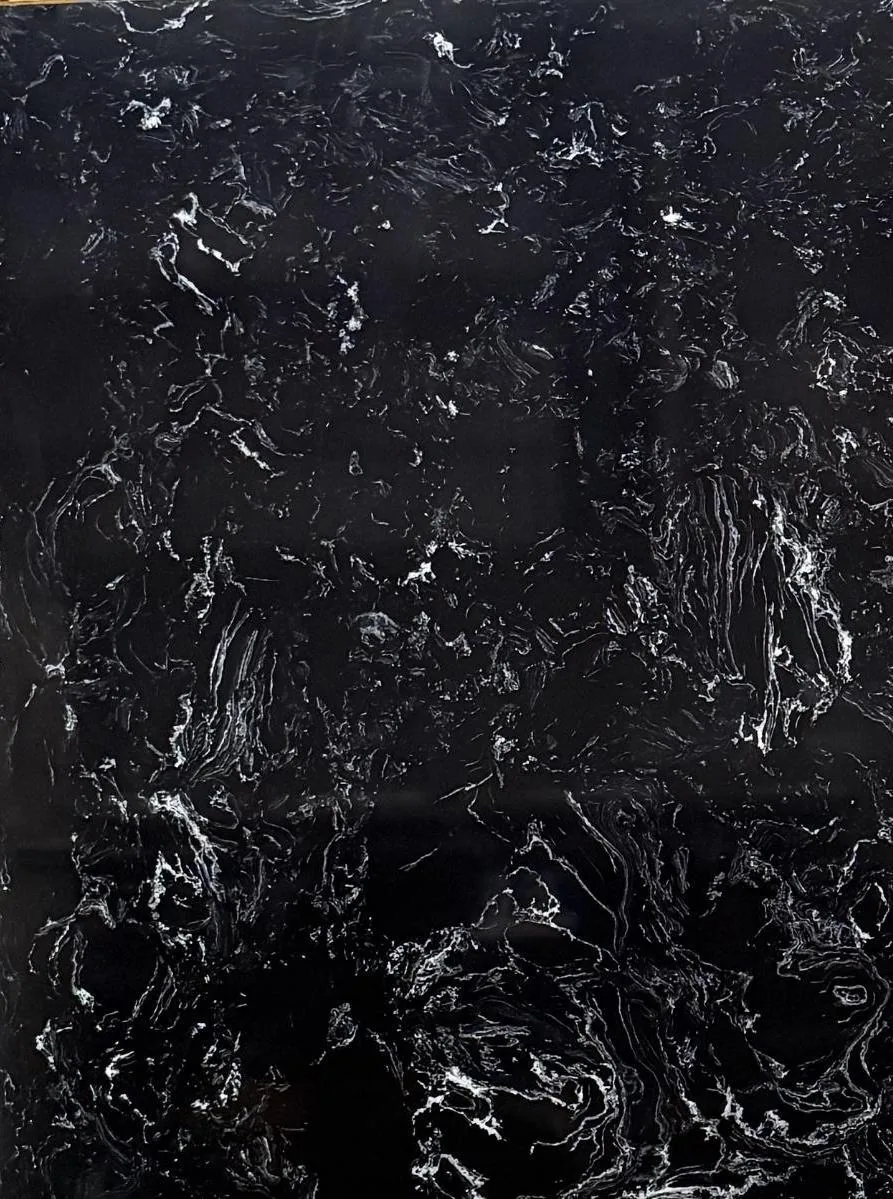
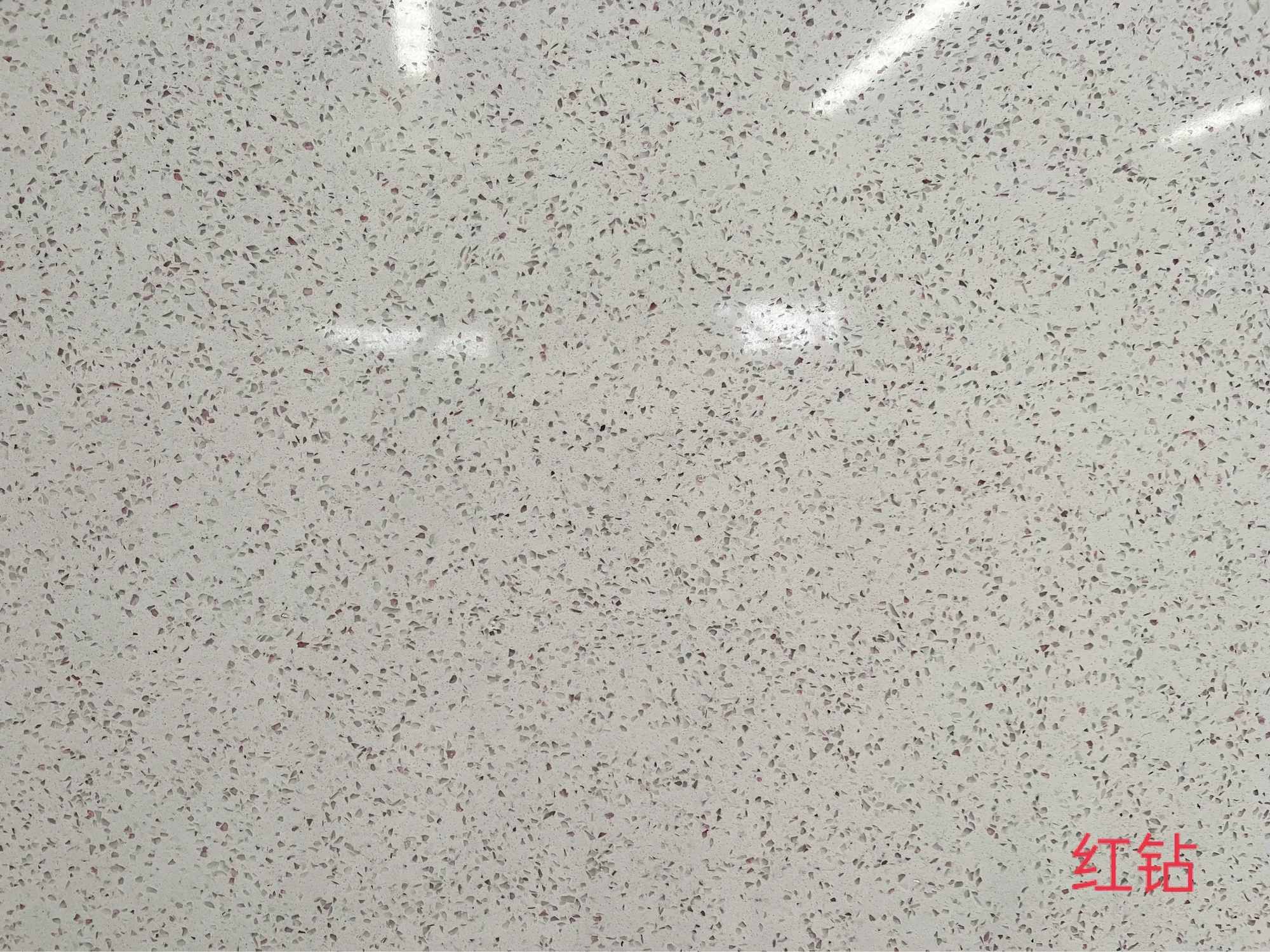
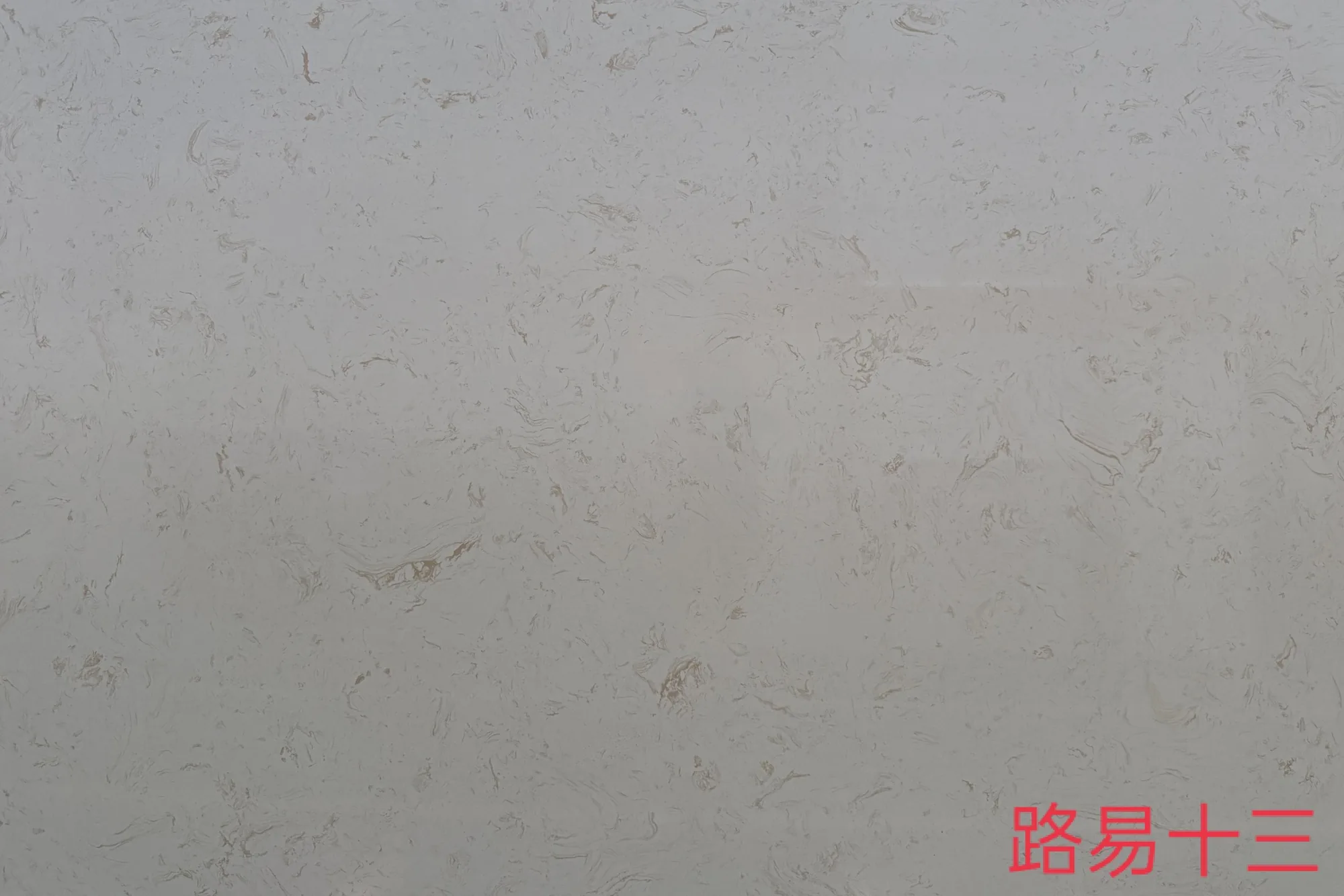
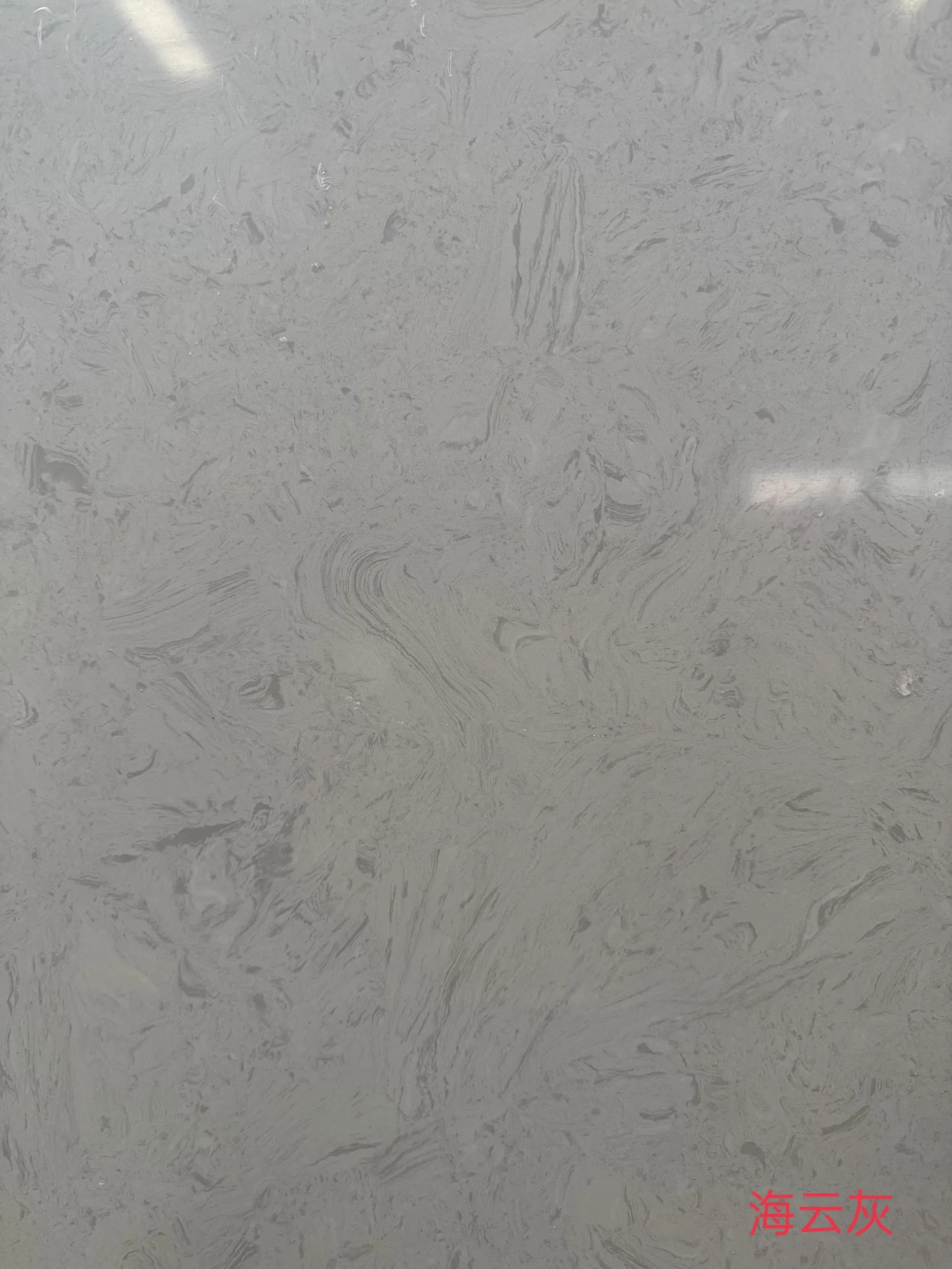
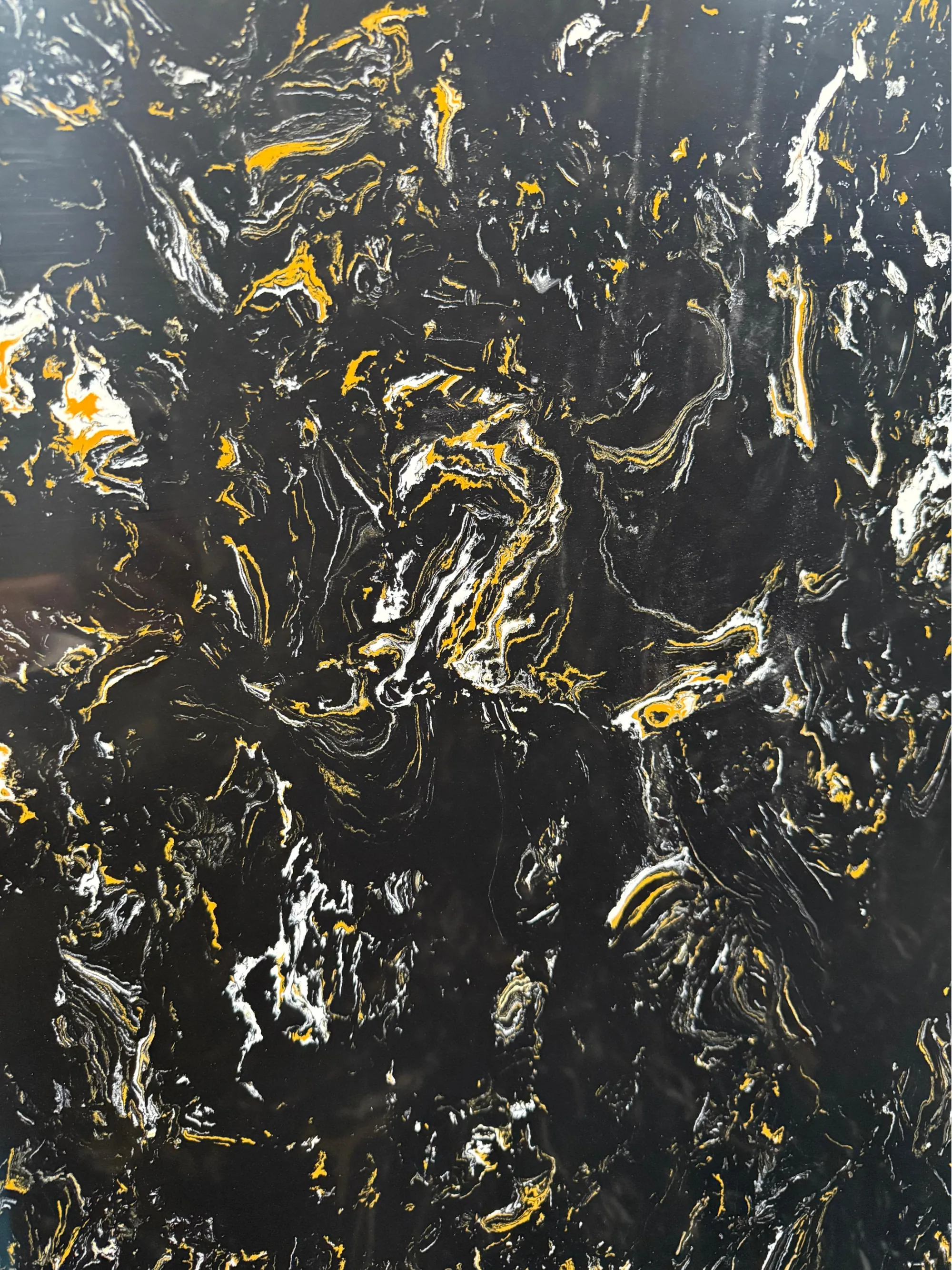
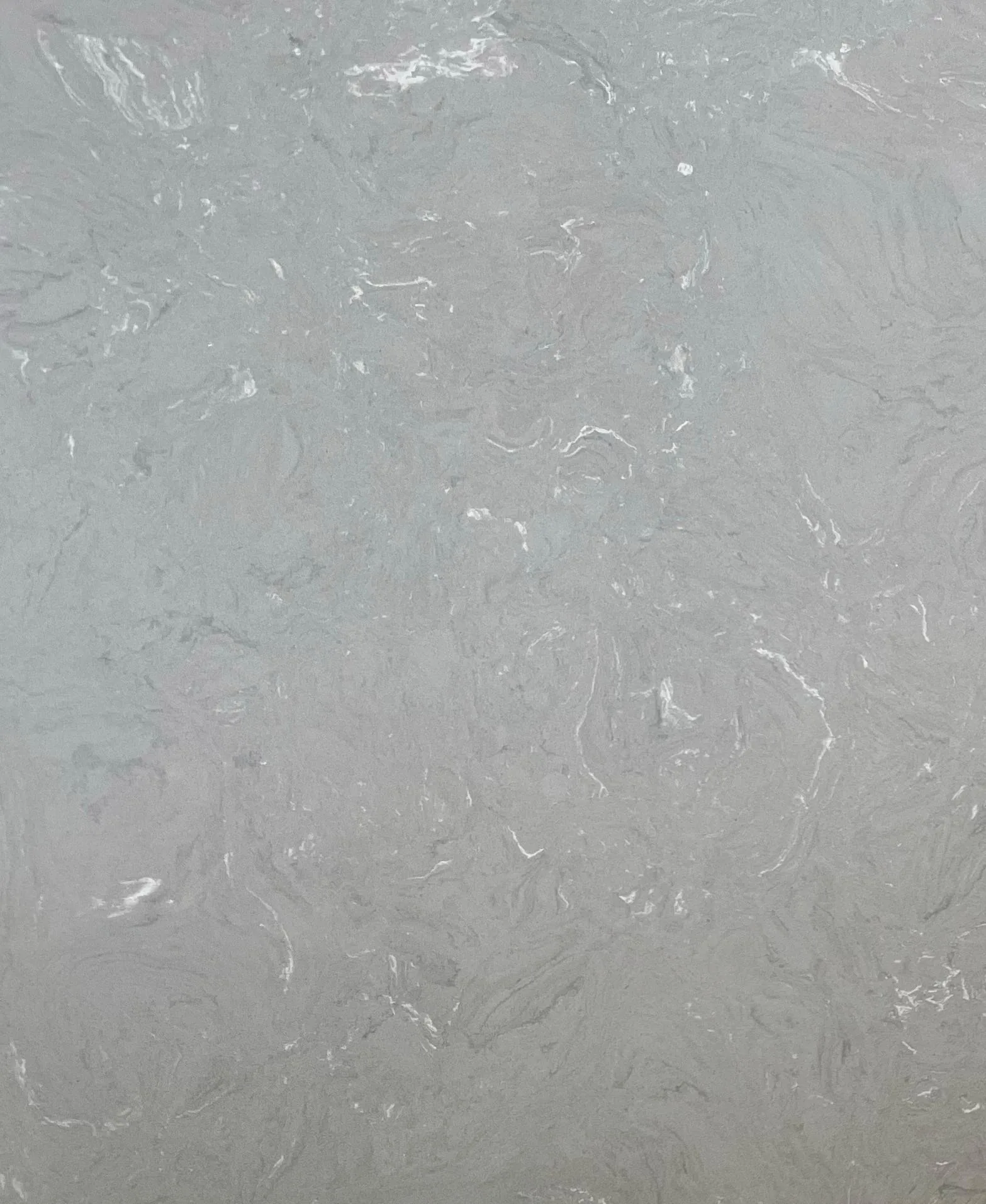
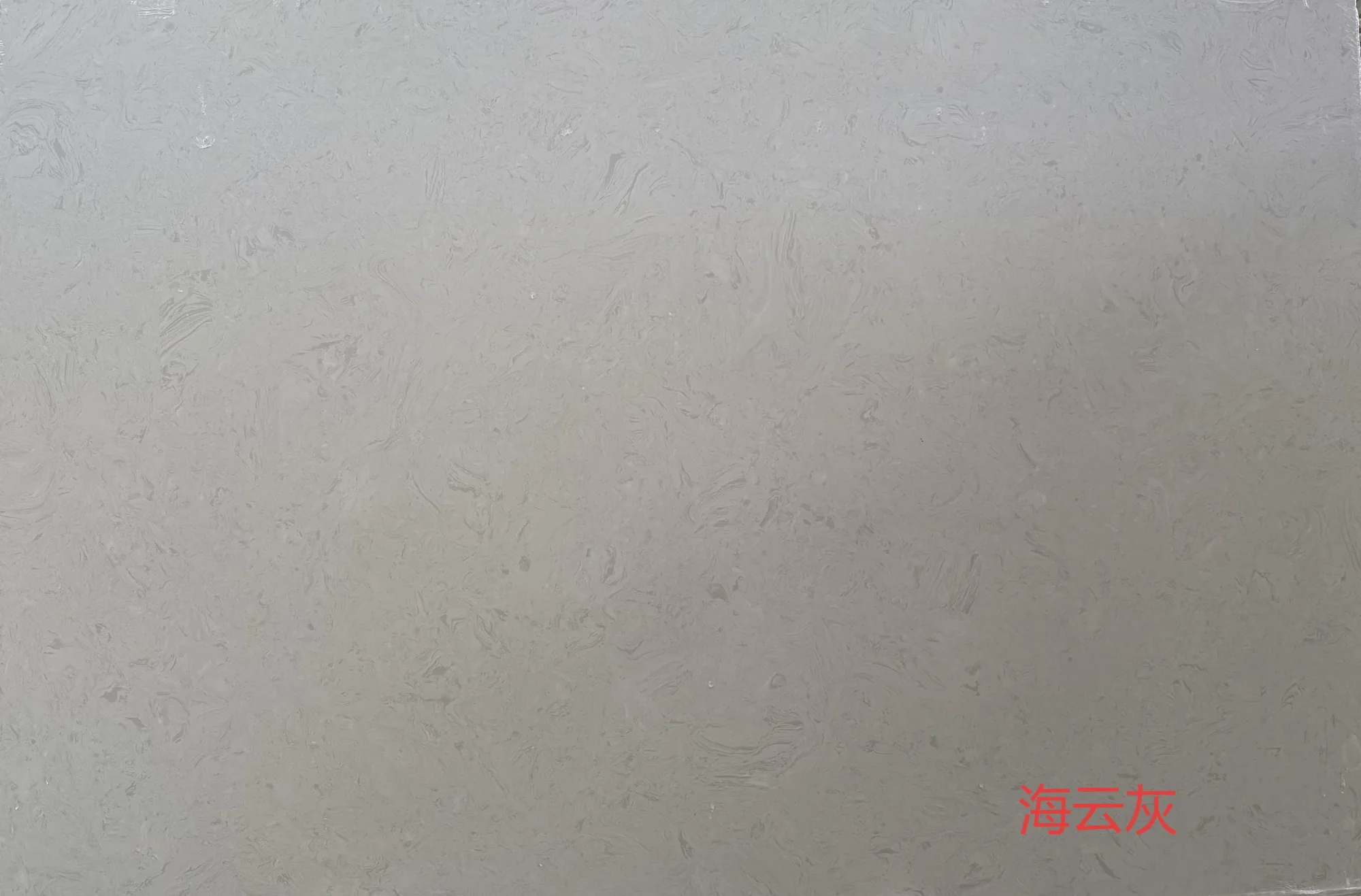
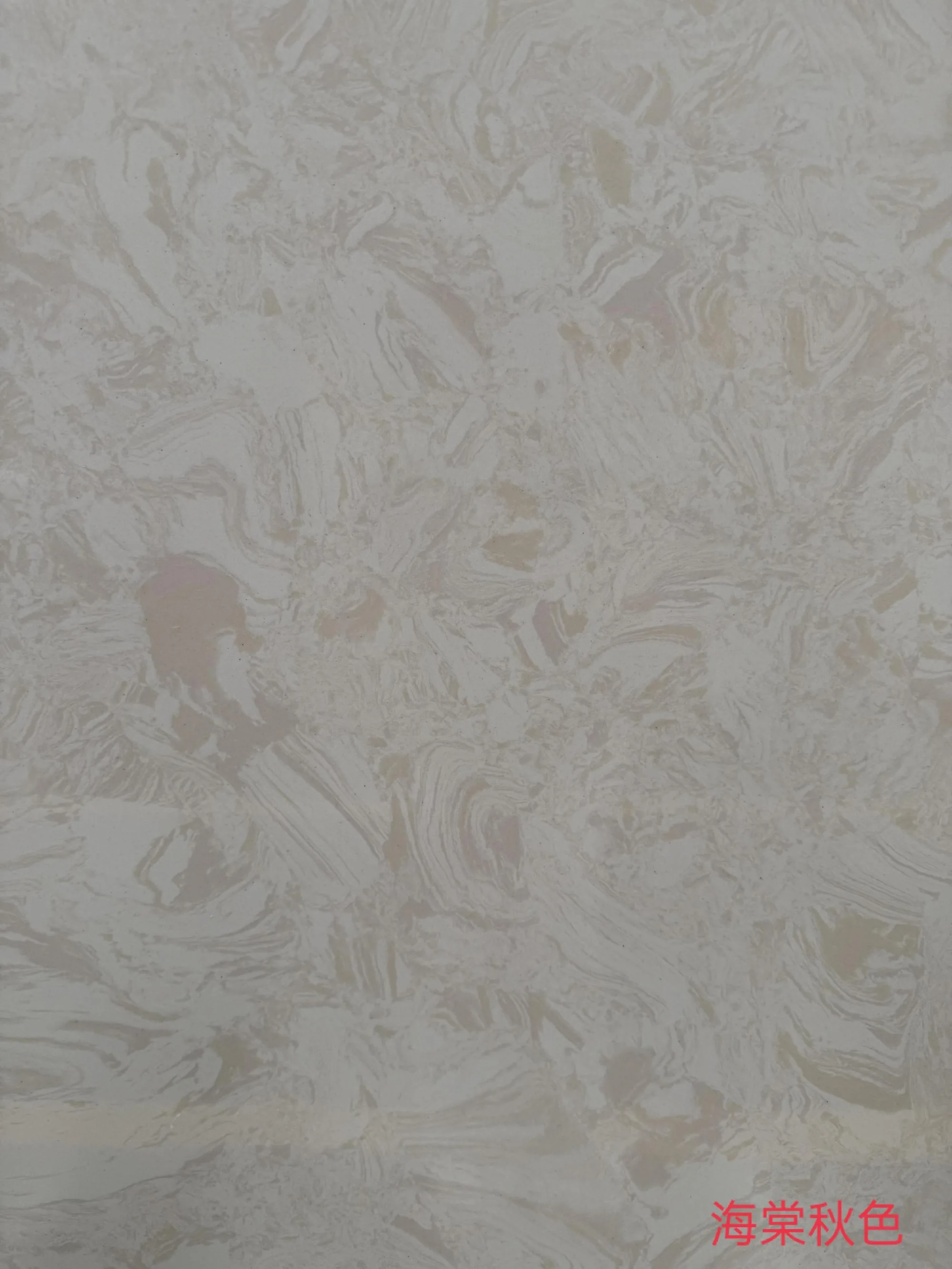
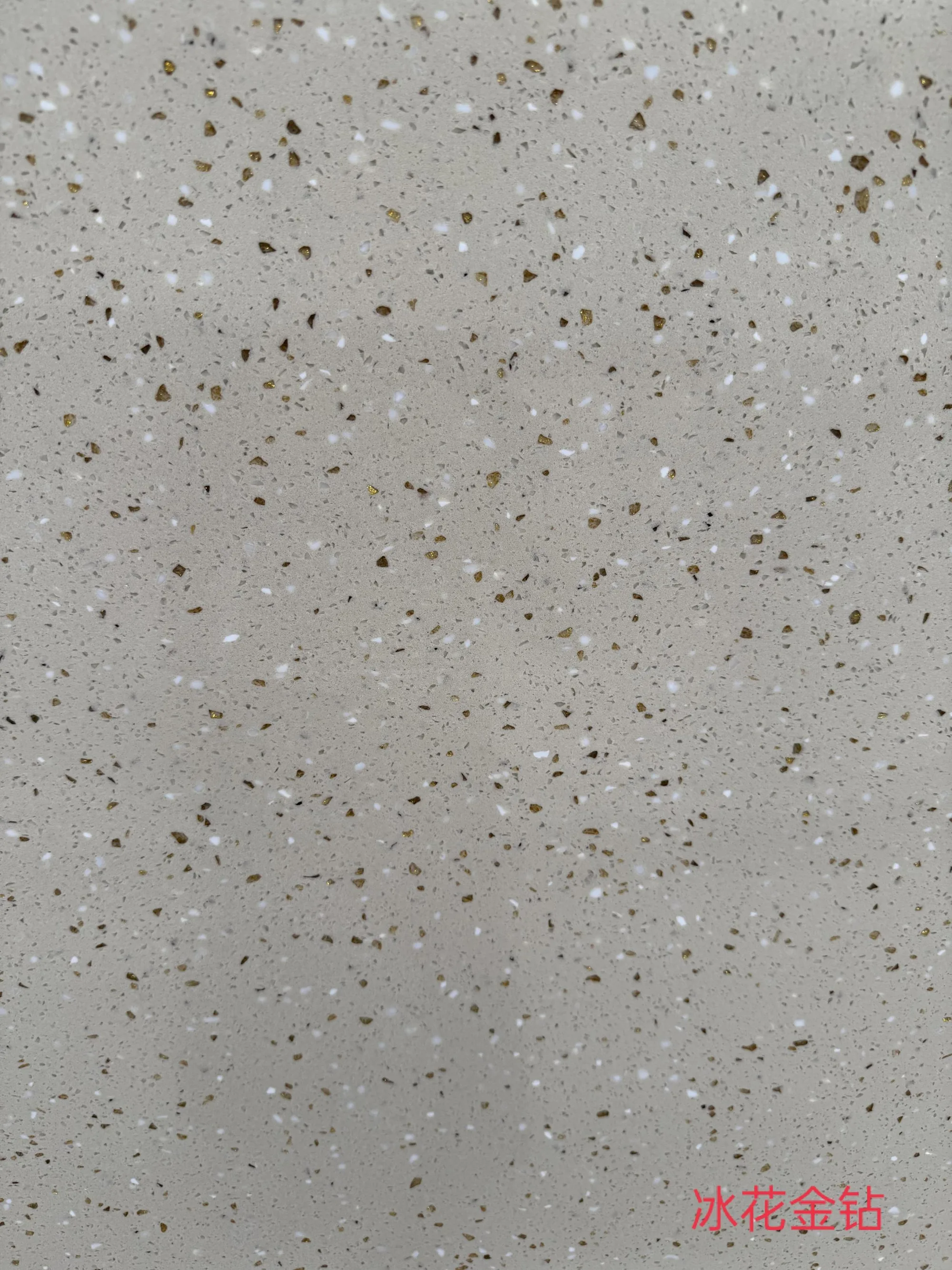
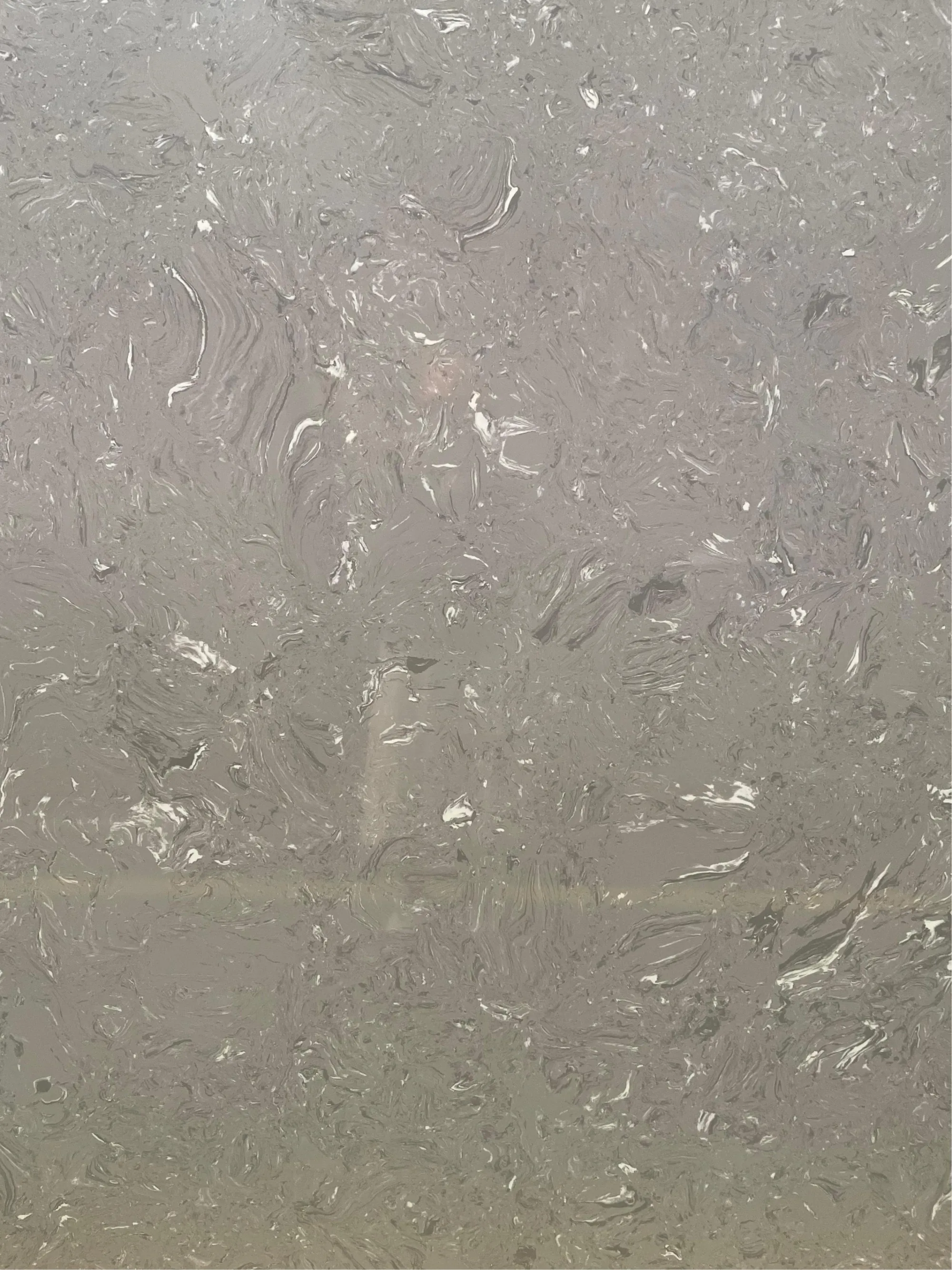
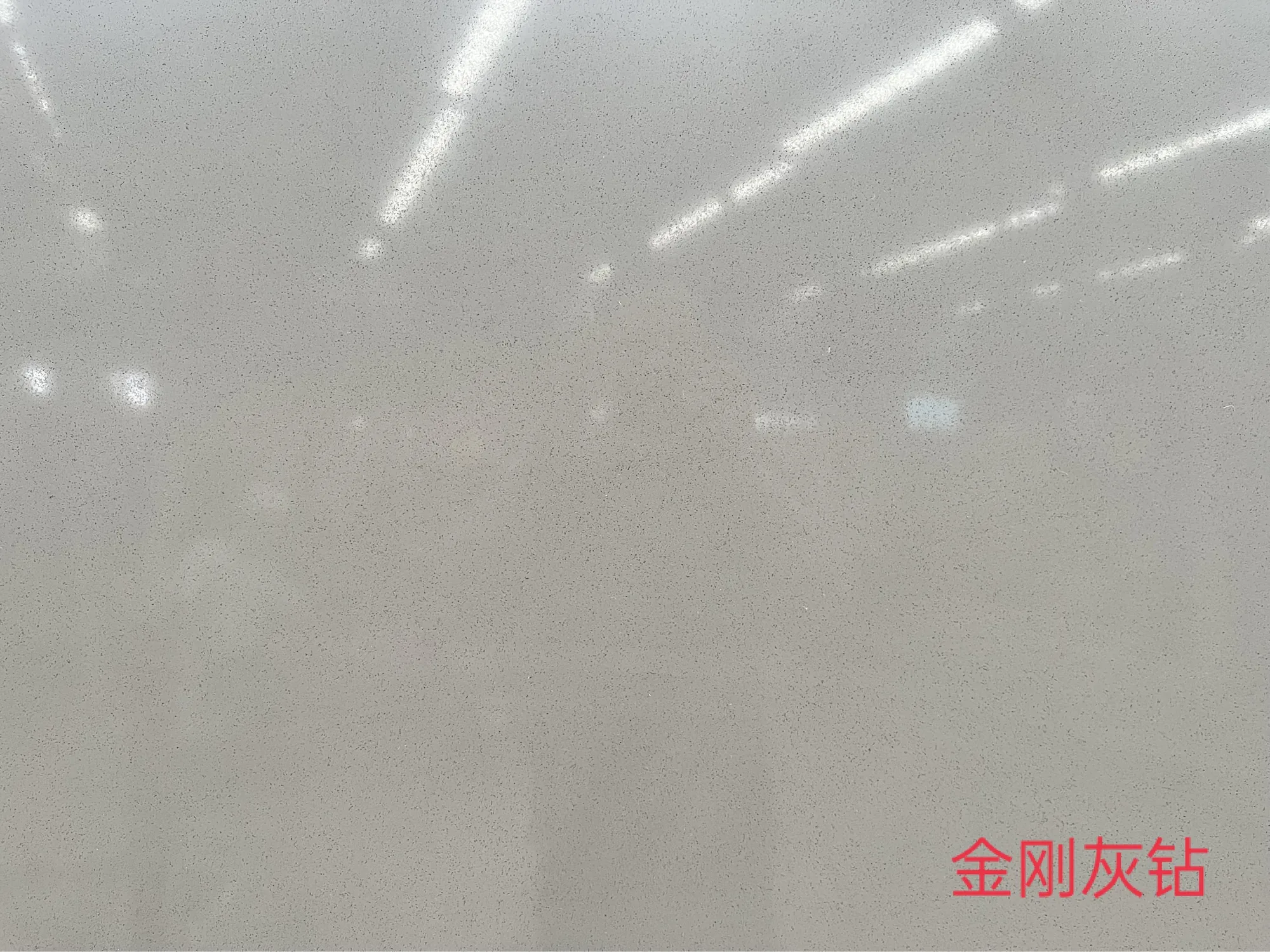
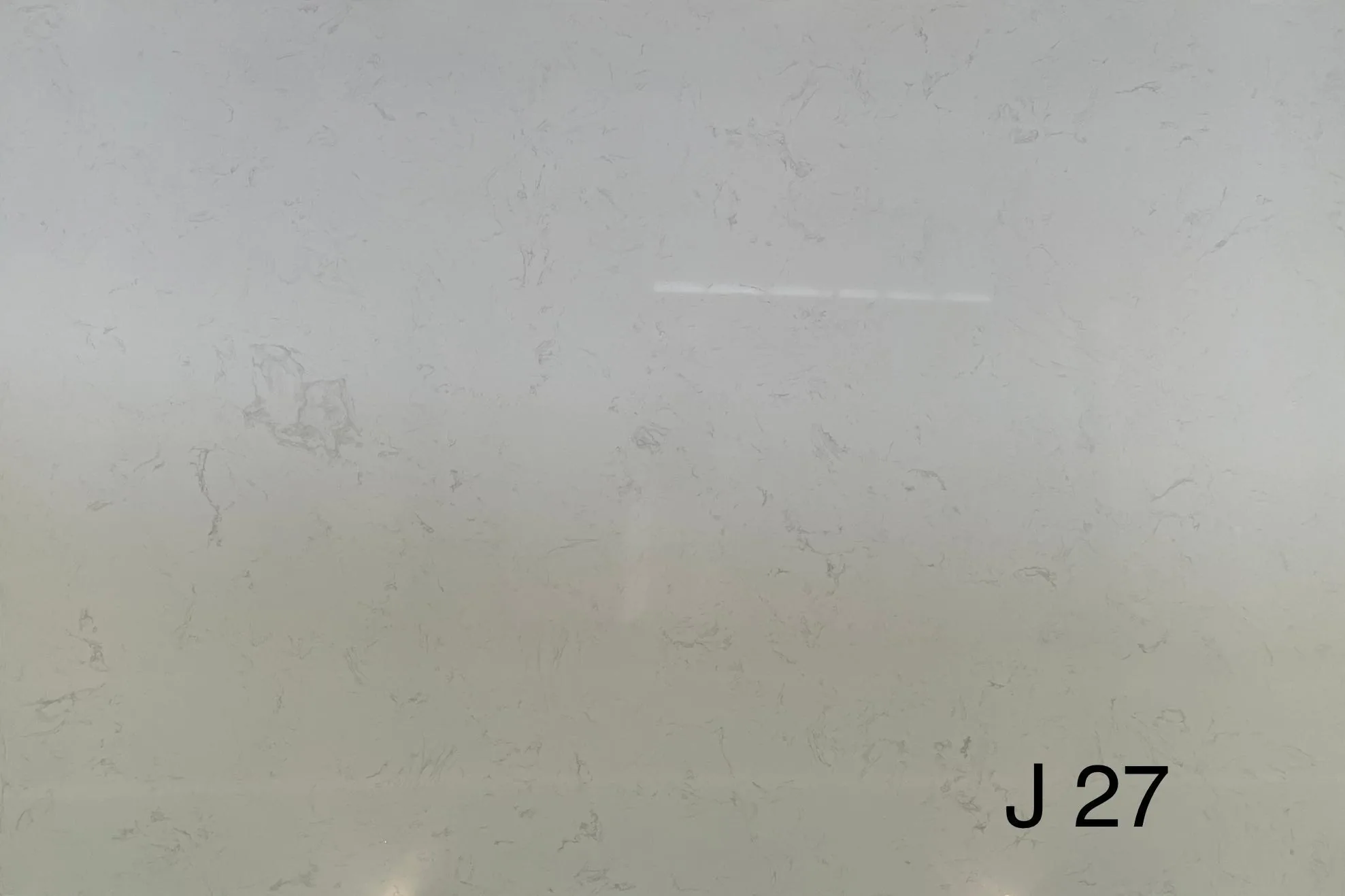
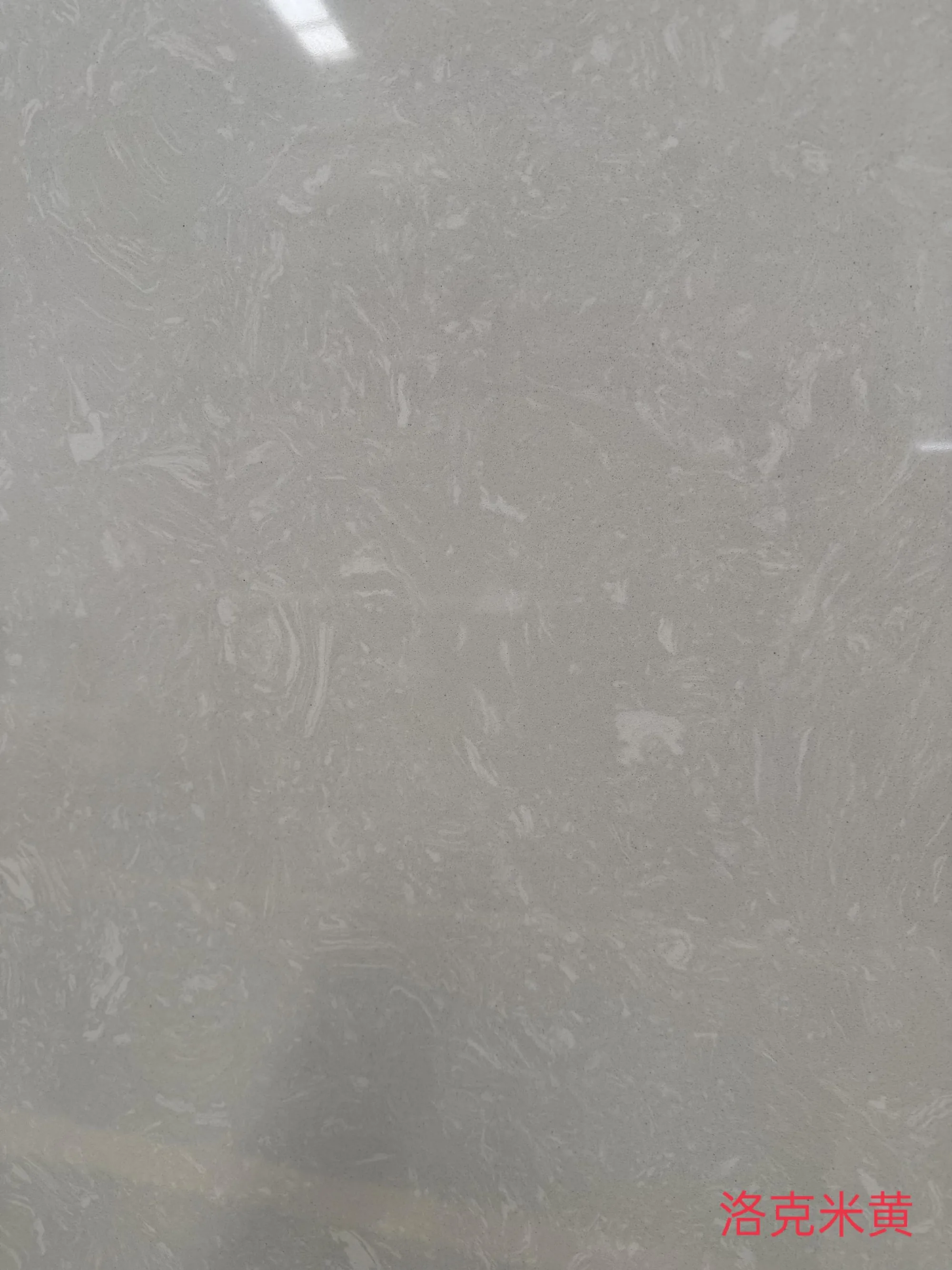
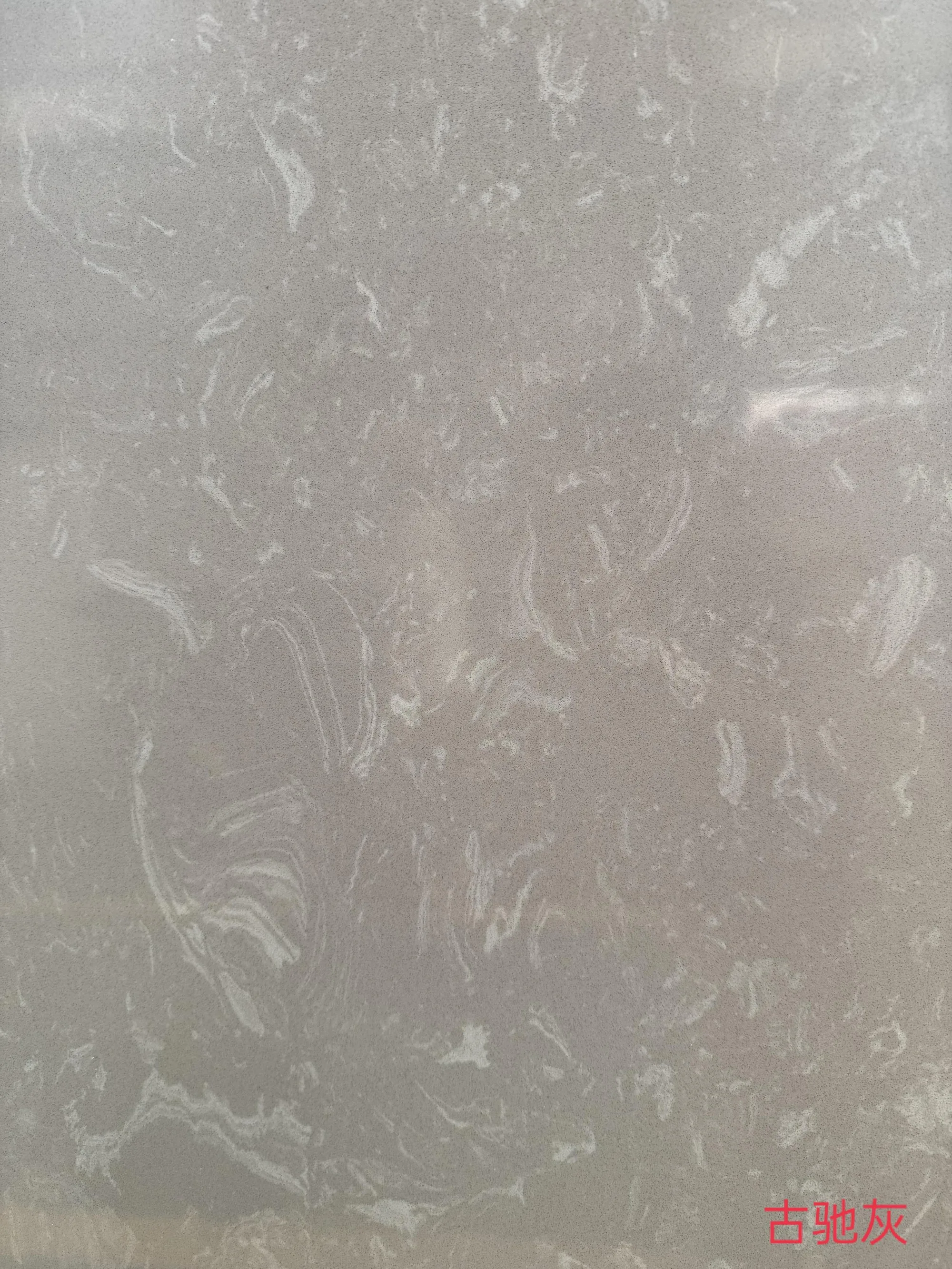
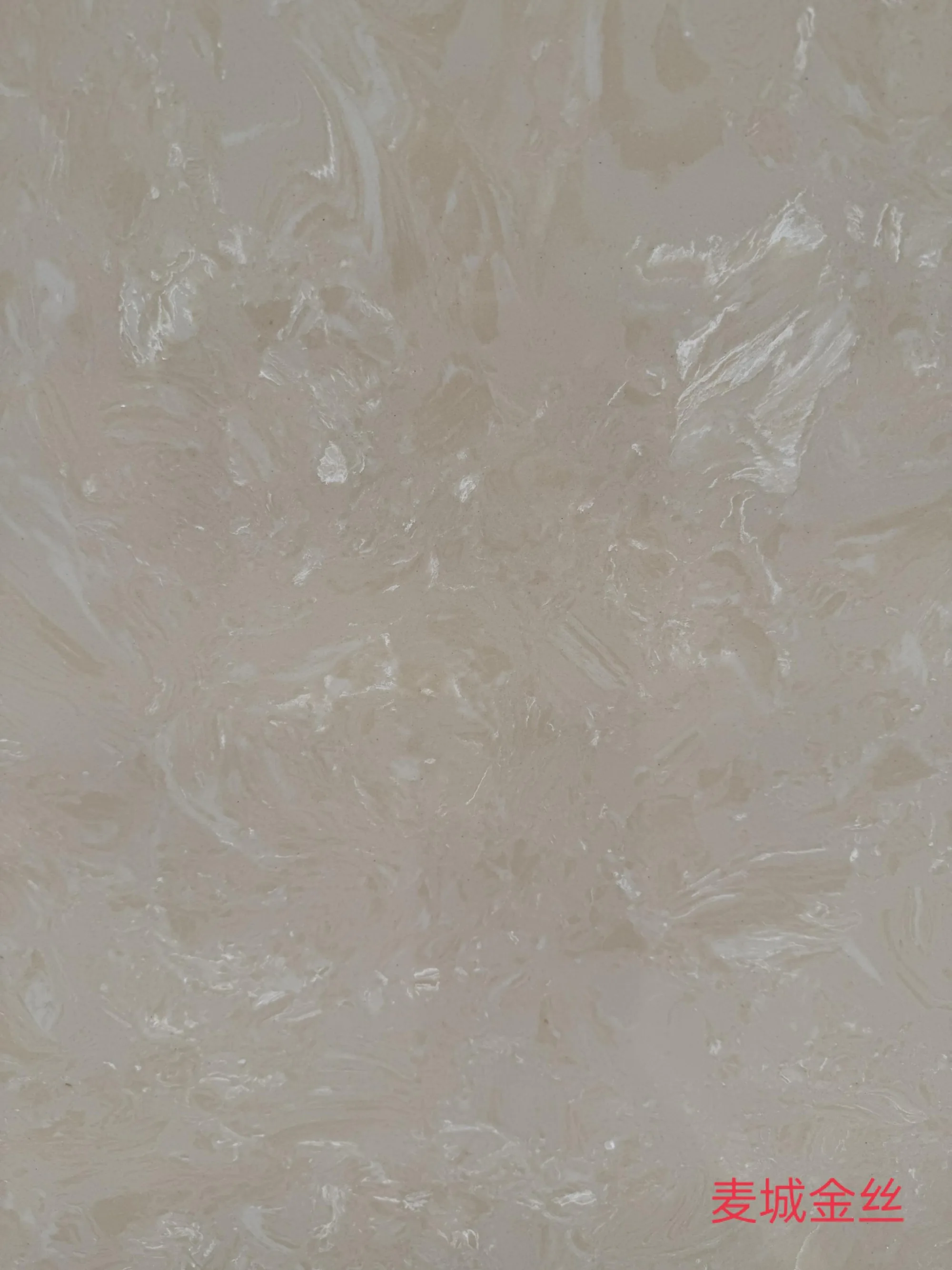
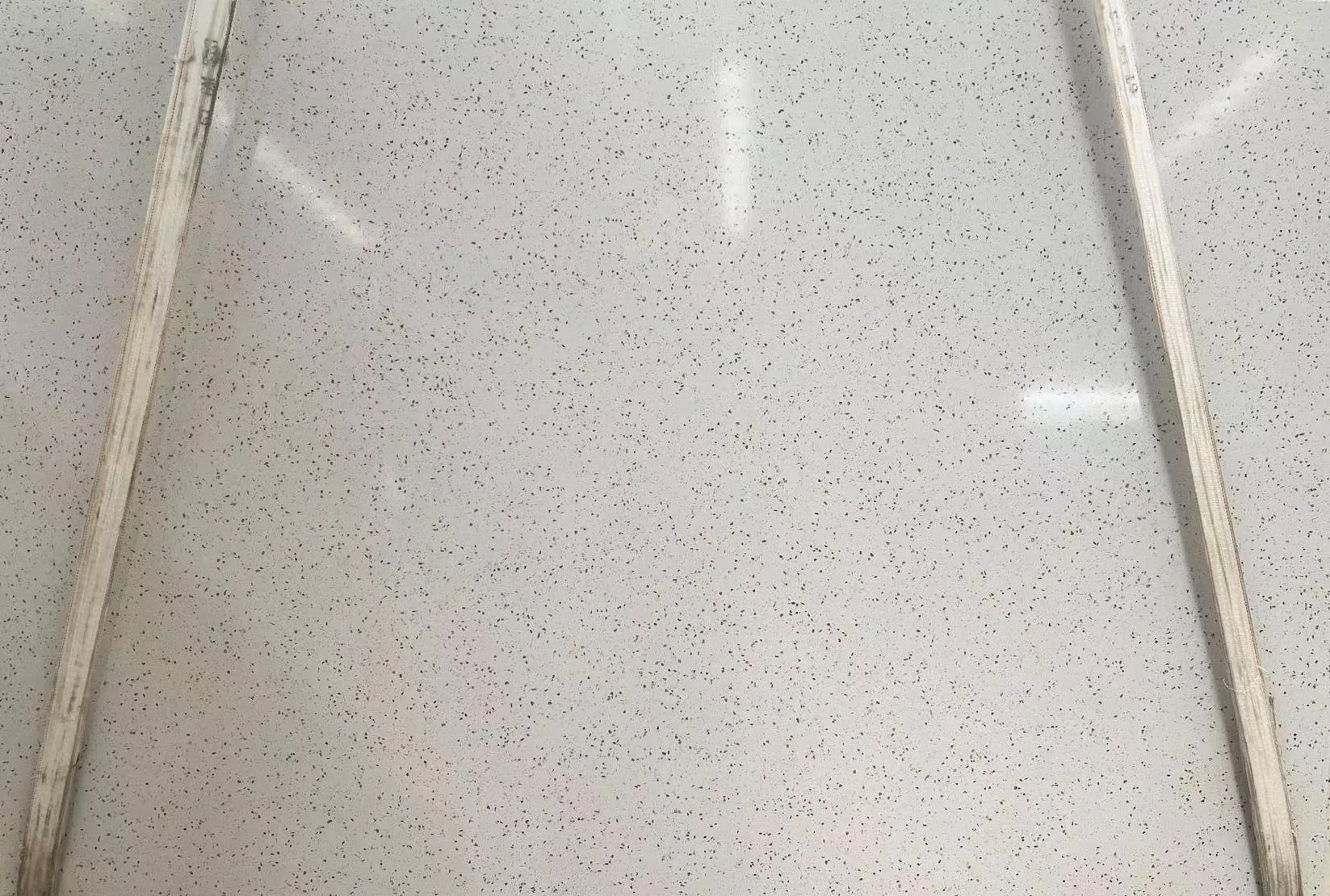
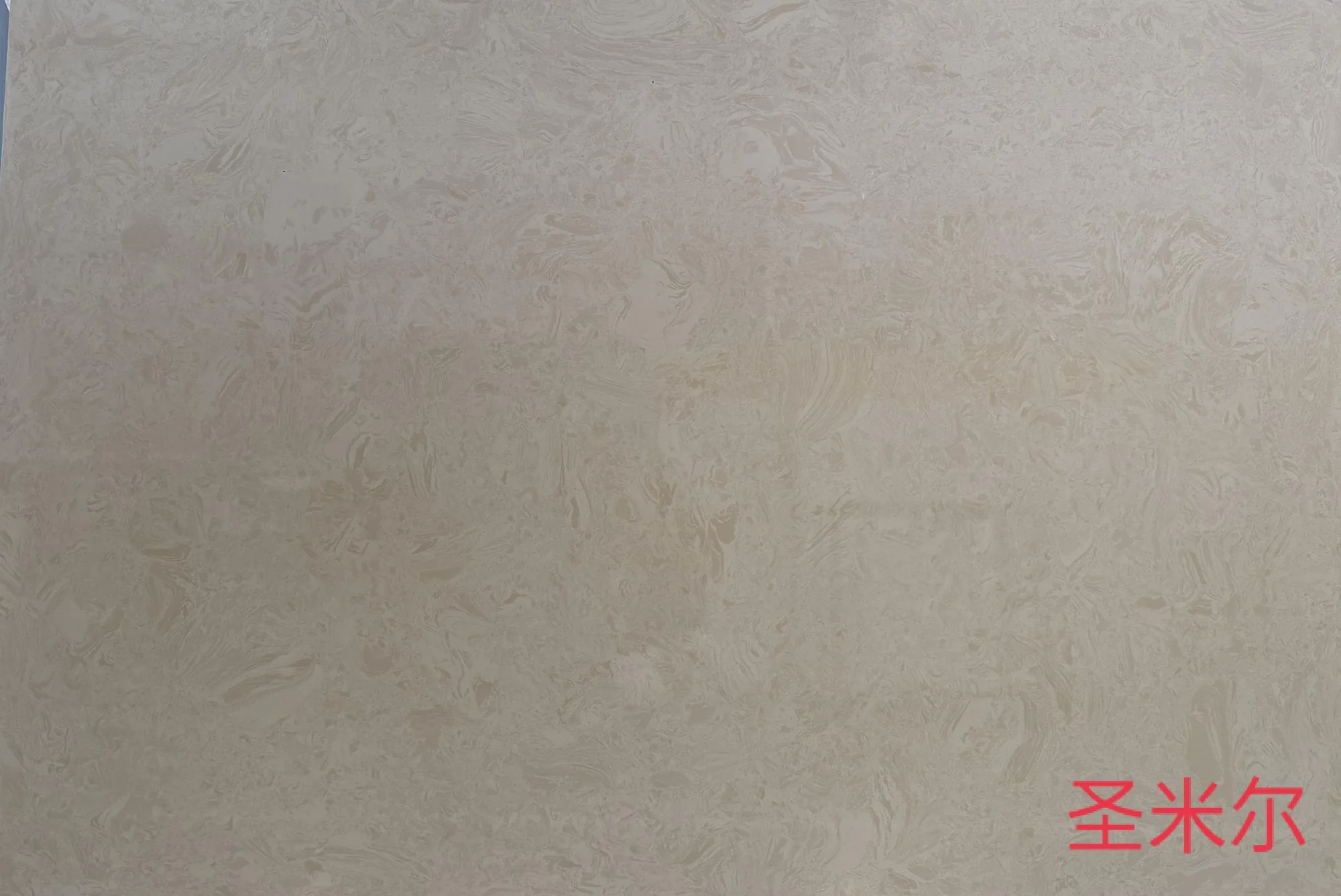
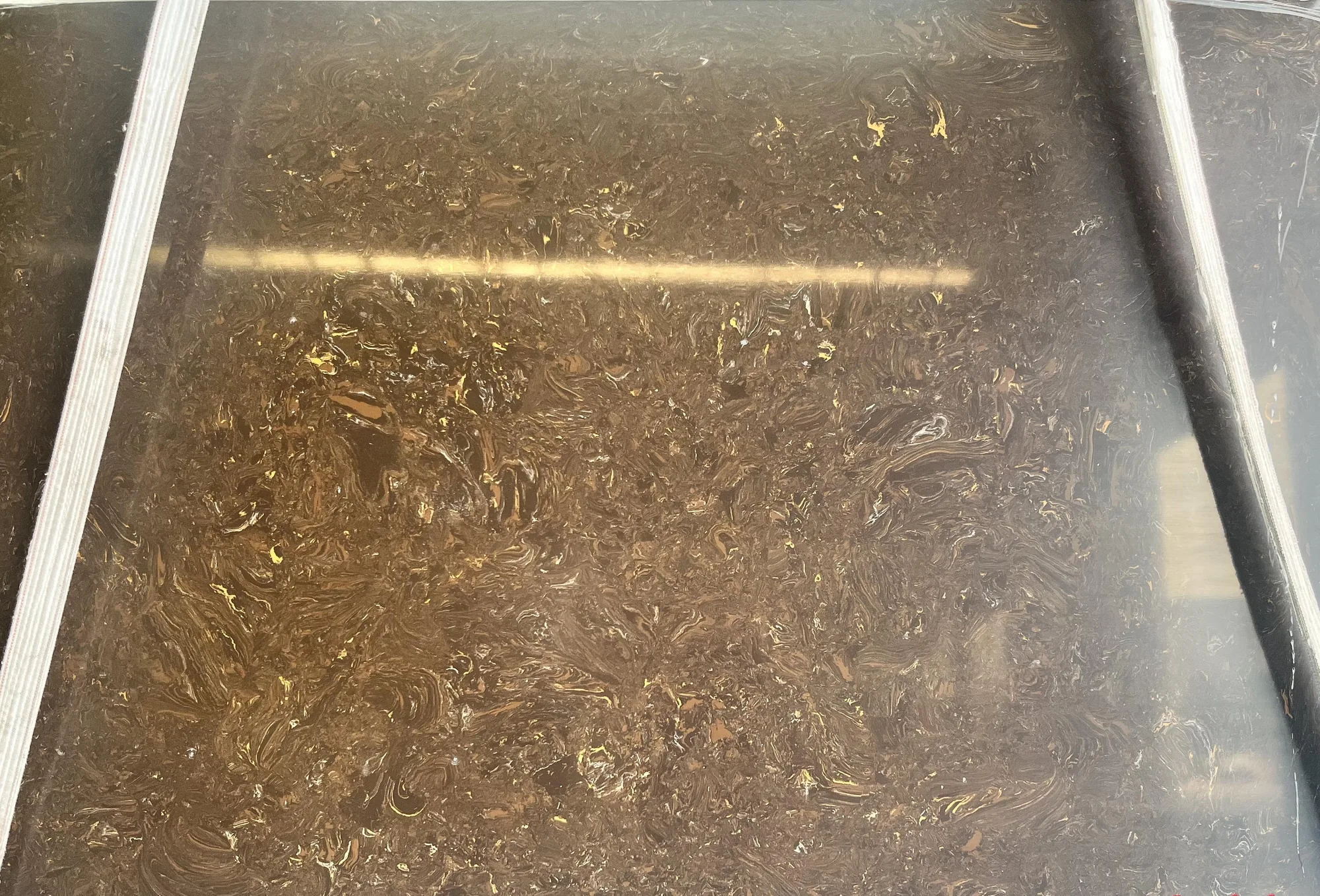
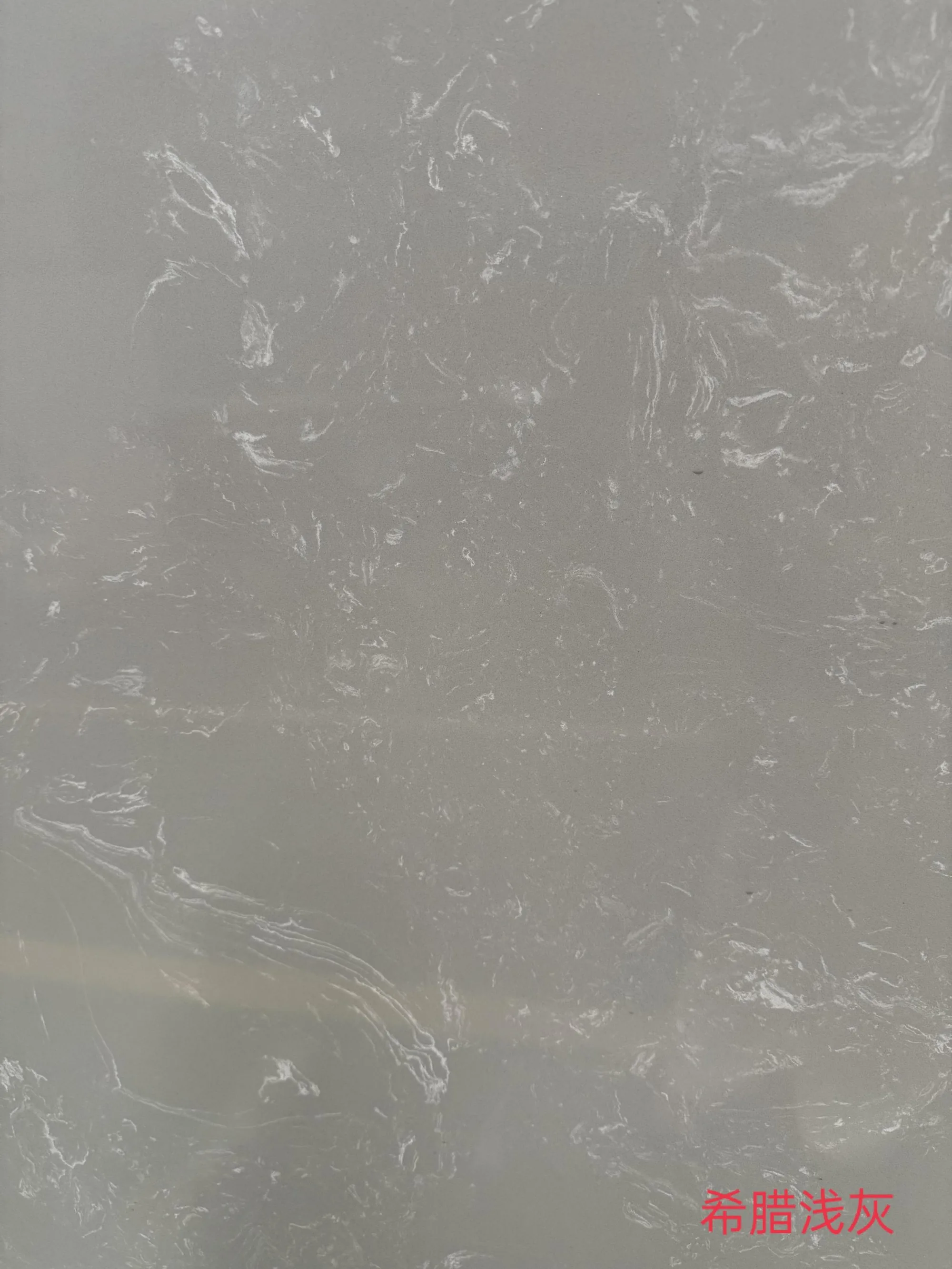
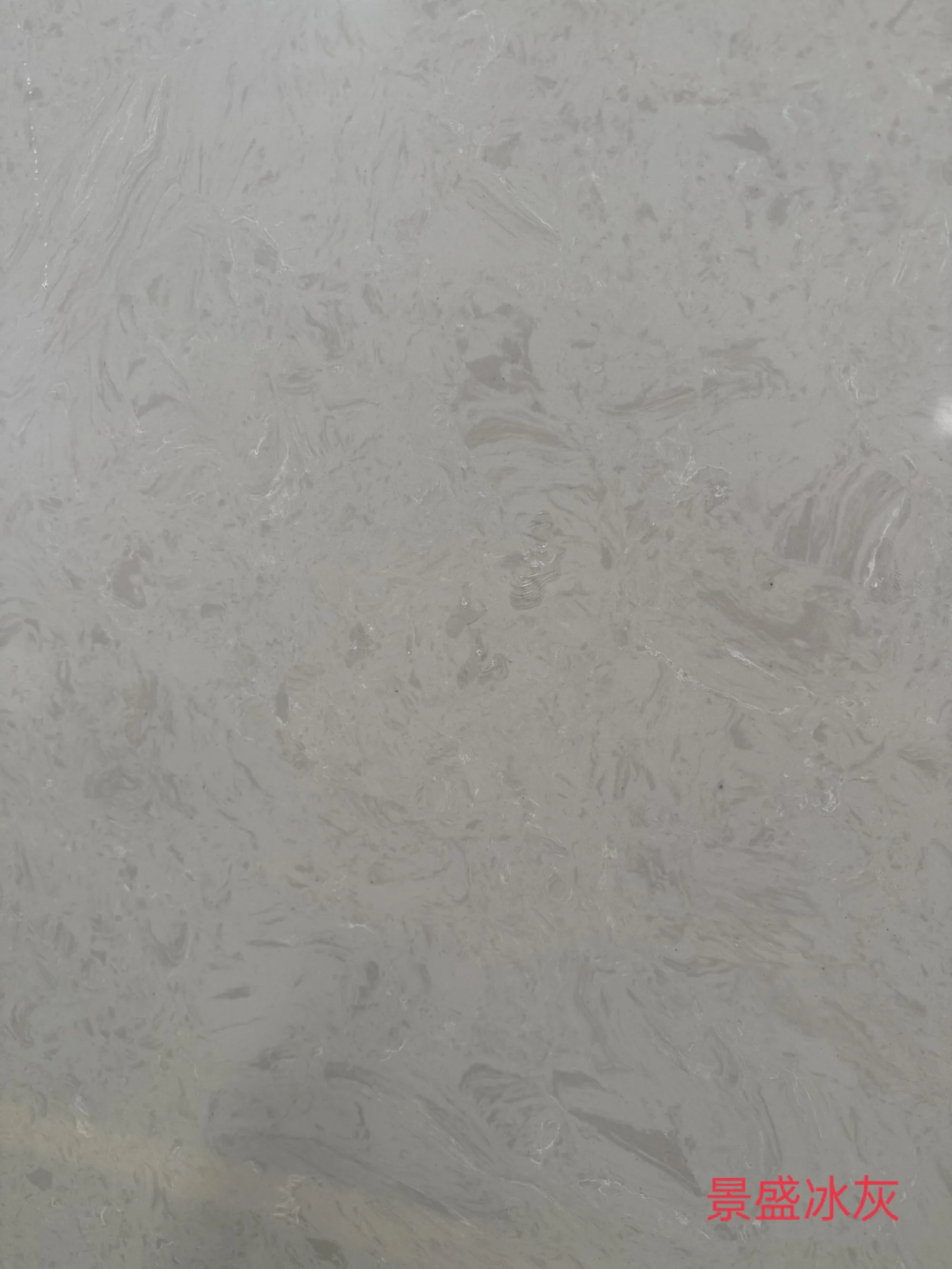
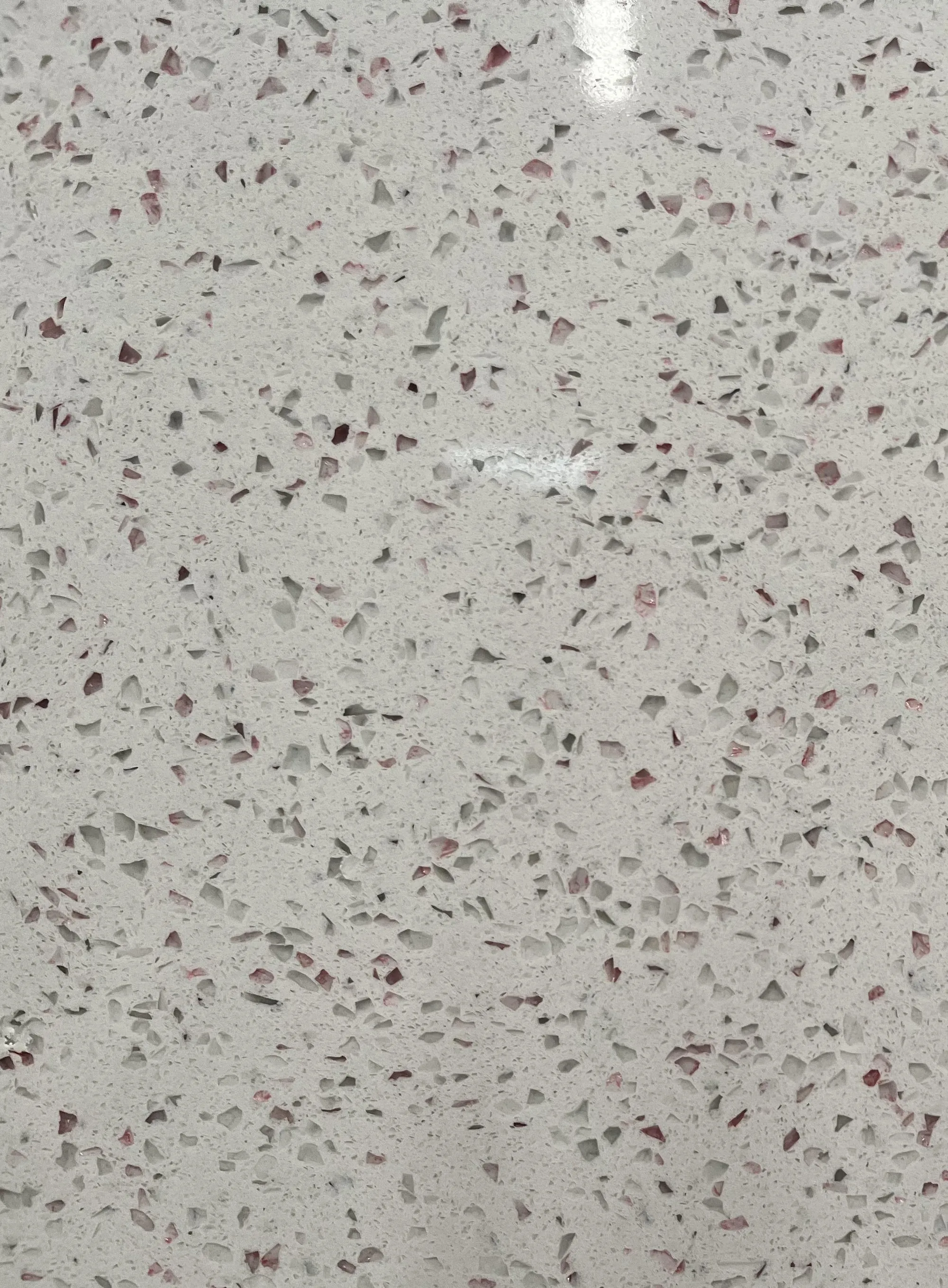
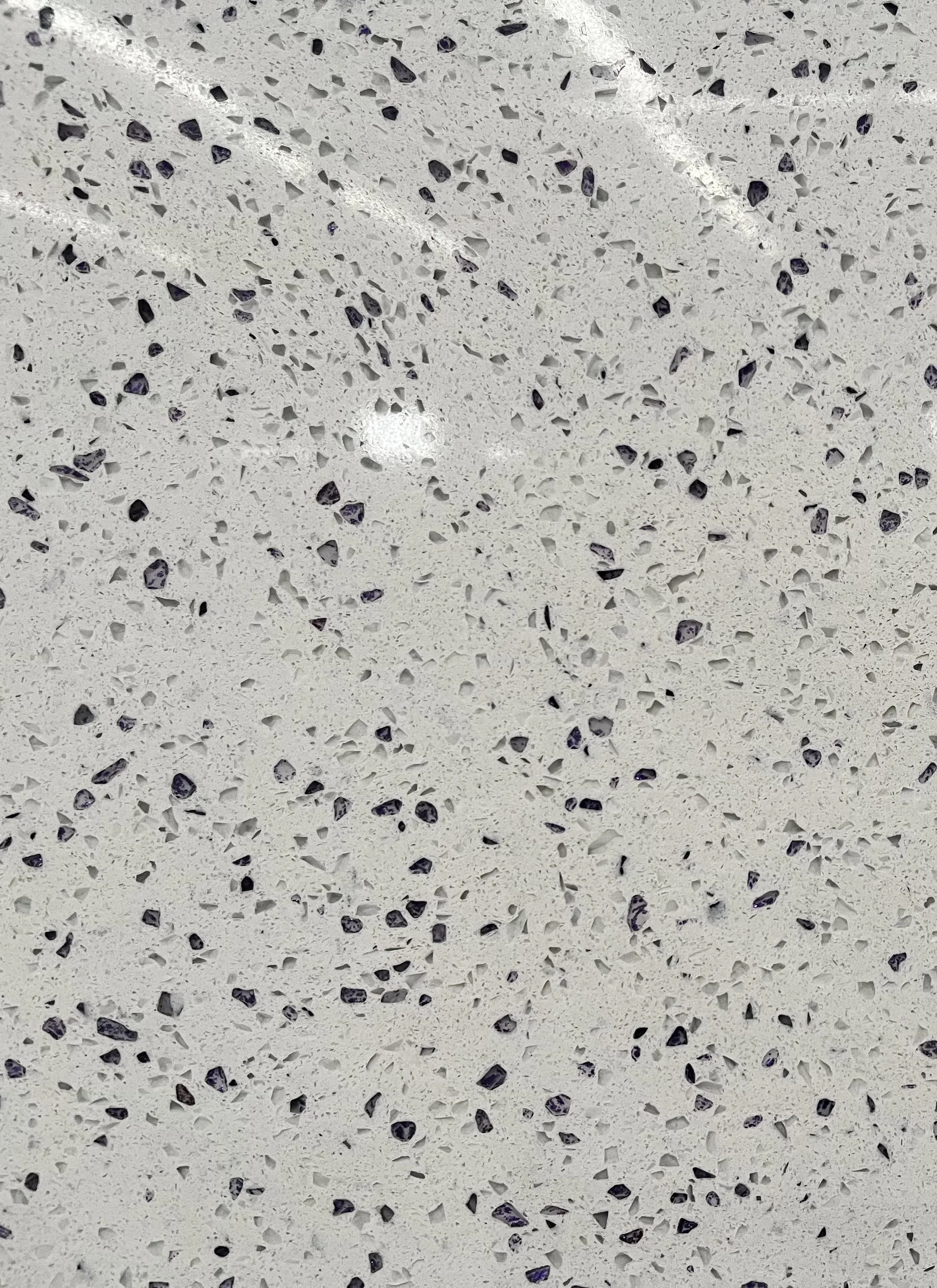
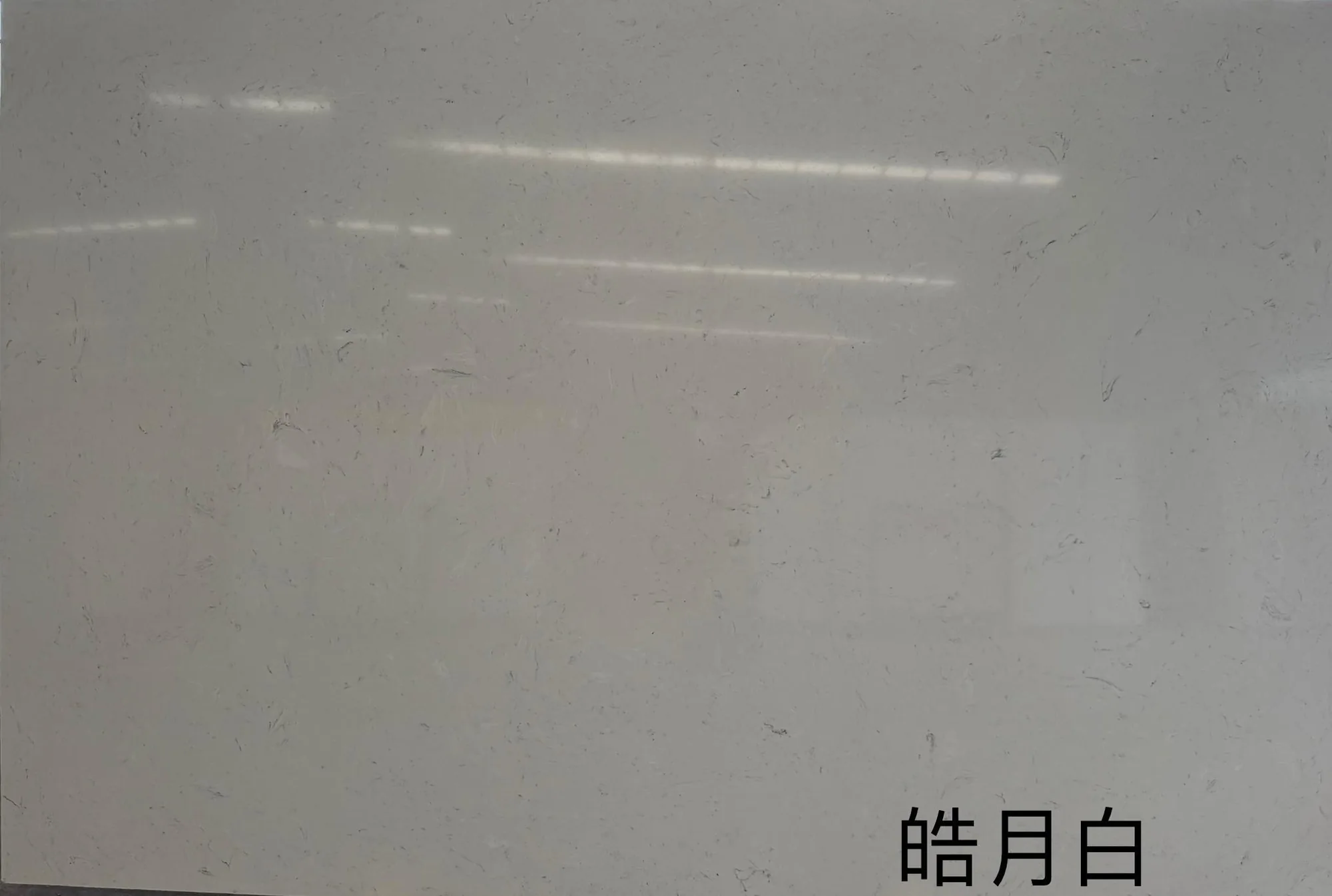
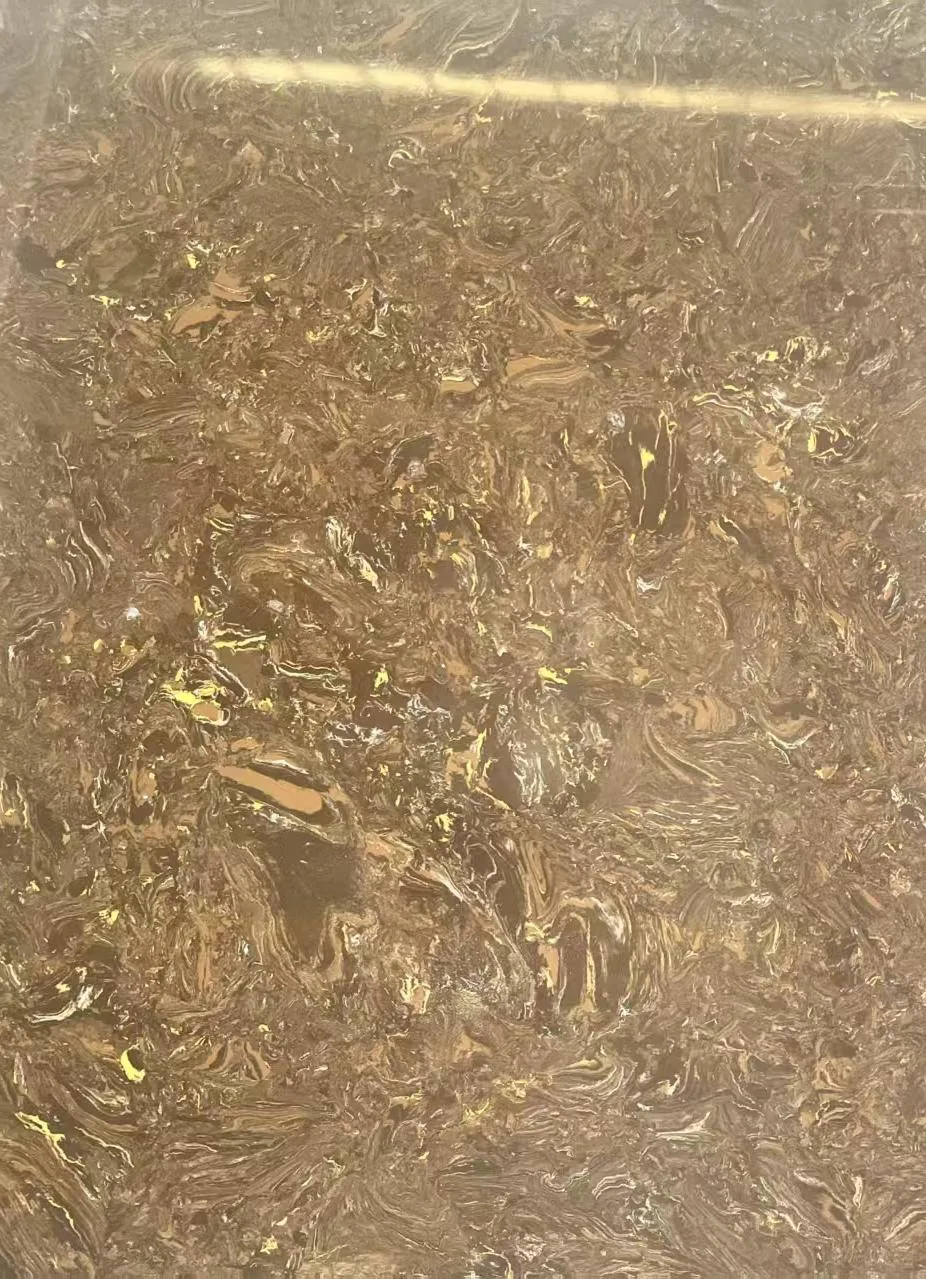
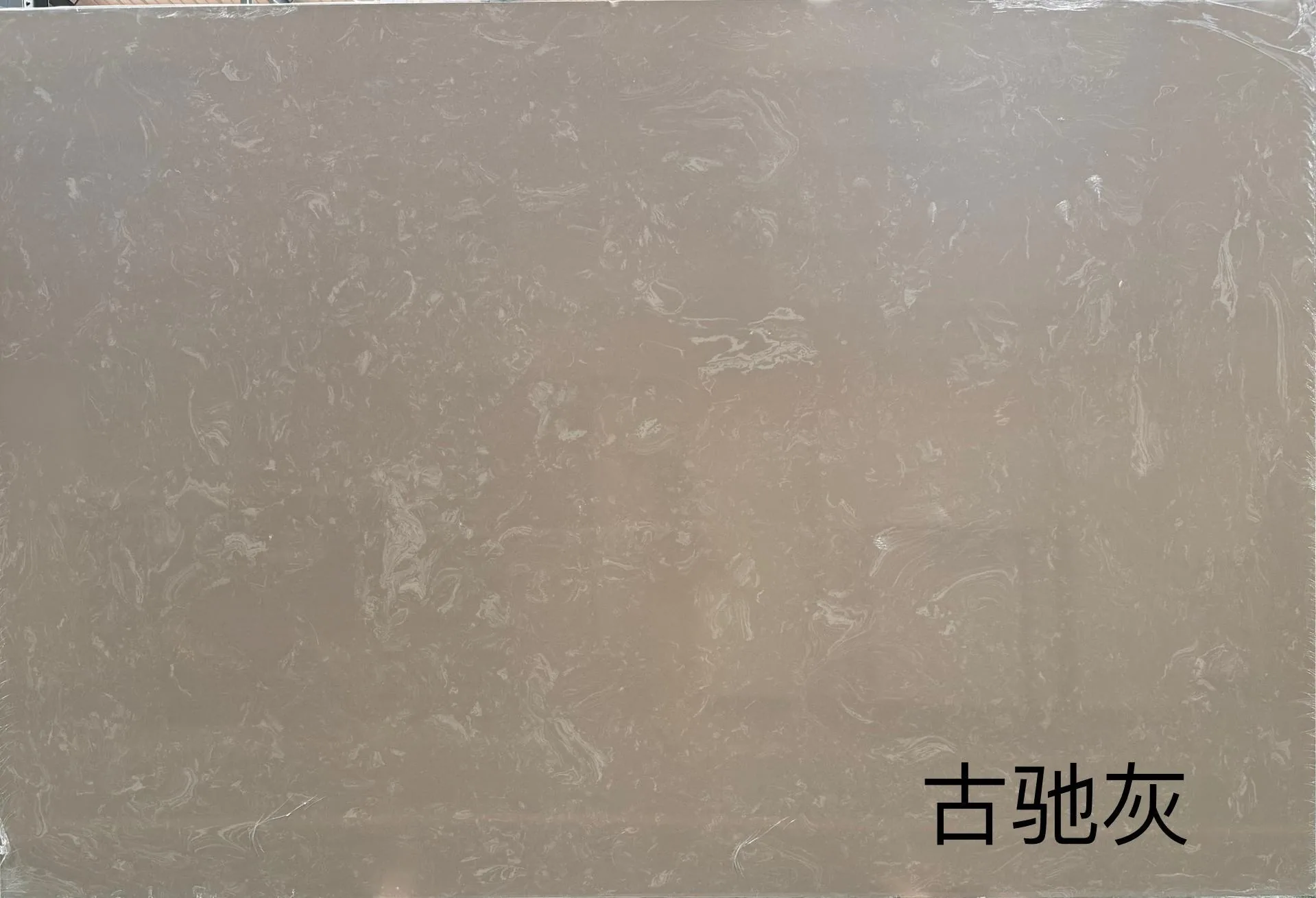
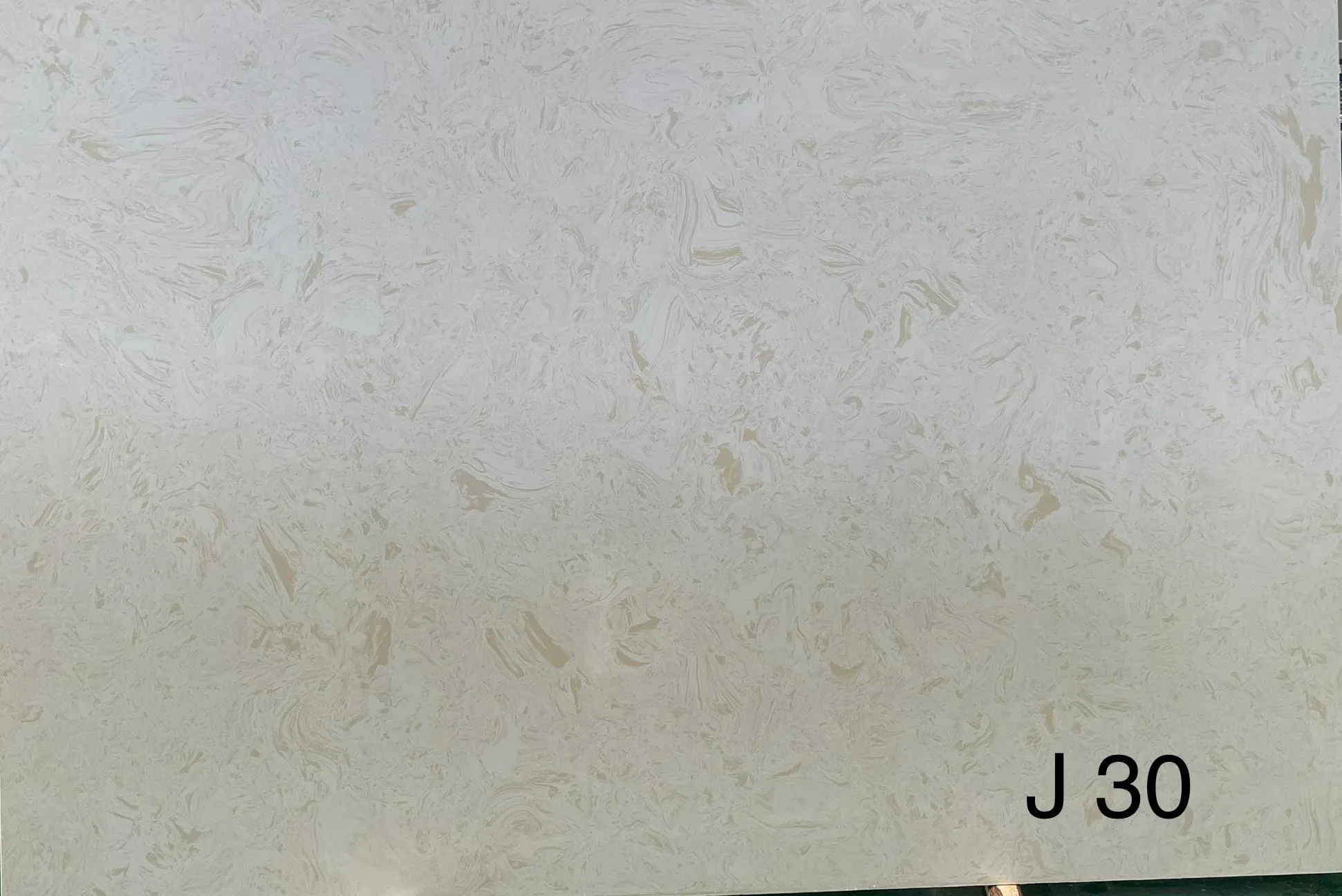
The images show slab surfaces rather than a single piece of furniture. Gray surfaces make up most of the set, followed by cream-beige and white, with smaller groups in black and brown. Some are photographed straight on, while others show the surface at an angle; the lighting and viewing distance affect how strongly the pattern reads.
Use the photographs to compare broad color families and the relative strength of the surface pattern. Ask to review the offered material for your project before approving the layout, especially when several pieces or adjacent panels need to relate to one another.
How much can engineered stone vary?
Because engineered stone is manufactured, its visual pattern is selected or controlled rather than exposed by cutting a unique natural block. That can suit a scheme that needs a more repeatable appearance.
Variation can still occur between offered materials or production batches. Review the actual material proposed for the order, not only the color name on this page. Review how the surface looks under the project lighting and how the pattern will continue across joints, edges and adjacent pieces. Approve those expectations on the sample and drawing.
Is engineered stone suitable for furniture and interiors?
Engineered stone can be considered where a manufactured surface fits the design intent. It does not replace the structural review needed for a large table, a cantilevered console or a wall feature.
| Intended use | General fit | What to confirm |
| — | — | — |
| Dining or coffee table top | A possible surface where the design calls for a manufactured material | Edge shape, support, base connection and care plan |
| Console or desk | Can suit a clean horizontal surface | Span, leg or bracket design, and edge protection |
| Vanity or interior surface | Can be used in a coordinated scheme | Water exposure, joint details and the supplier’s care guidance |
| Wall or feature panel | Depends on the room and fixing design | Substrate, fixing, joints and coordination with adjacent surfaces |
Which engineered stone color should I choose?
Start with the room’s dominant tone and the amount of pattern you want to see. The references group most clearly into neutral, dark and warm families. The engineered stone versus natural stone comparison explains the material distinction before you choose a color direction.
Gray: the largest group in the references. A gray surface can support cool metals, pale walls and darker cabinetry, while the pattern controls how much movement appears.
Cream-beige and white: these lighter groups can make a furniture piece feel visually lighter. They also make edge profiles and joints easier to see, so the edge detail and layout deserve early attention.
Black and brown: smaller groups in the reference set. Black creates a strong contrast, while brown brings warmth. In either direction, compare the offered surface with the room lighting rather than relying on a screen image.
How is an engineered stone piece quoted?
Pricing is quoted for the selected material, design, quantity and delivery plan. The number of pieces, edge work, joint layout and any need to align surfaces can change the fabrication work even when the color appears similar.
Send a reference image, intended dimensions, quantity and delivery city. Include the furniture type and any drawing or room photo that explains the setting. Amazstone can custom-make one piece or produce in batch. The production estimate is about 20 days after deposit and approved drawings, with logistics of about 30 days, and the team normally replies within 24 hours.
What should I watch out for in engineered stone care?
Treat the surface according to the material supplier’s instructions. Wipe spills promptly, avoid abrasive pads and be cautious with harsh cleaners that could dull or mark the finish. Test any unfamiliar cleaner in an inconspicuous area before using it on a visible surface.
Protect furniture edges from repeated impact and use heat-resistant mats or trivets where the care guidance calls for them. Do not assume that natural-stone sealers are suitable for an engineered surface. Keep the care instructions with the approved material so cleaning staff can follow the correct routine.
How does engineered stone compare with similar surfaces?
Natural marble and other natural stones are quarried and show material-specific variation. Engineered stone is manufactured and can be selected for a more controlled appearance. Sintered and other manufactured surfaces may share the broad goal of a repeatable finish, but they remain different material categories and should not be described as natural stone.
The practical decision is not only appearance. Check which category the fabricator will actually use, how the material will be maintained and which care instructions apply. The full comparison covers these categories without assuming that the names are interchangeable.
Which furniture pages should I compare next?
Use the category hubs to compare engineered stone with natural-stone furniture in a room context. The coffee table collection and dining table collection show the broader range, while the Projects gallery provides finished installation references.
Engineered stone references work best as a material direction. When you ask for a quotation, identify the material category, the furniture type and the image you want to adapt. For a project-specific discussion, use the contact page and include dimensions and delivery details.
Frequently asked questions about engineered stone
Is engineered stone the same as natural stone?
No. Engineered stone is manufactured, while natural stone is quarried from rock. Engineered surfaces can offer a repeatable visual pattern, whereas natural slabs vary. The distinction should appear in the specification, quotation and care instructions. Amazstone supplies engineered stone for furniture and interiors and identifies it separately from natural stone.
What can engineered stone be used for in furniture and interiors?
It can be considered for table tops, console surfaces, vanities and interior features where a manufactured material suits the design. The edge, support and fixing details still need review for the intended piece. Use the color references to choose a direction, then confirm the final surface and construction on drawings.
Can I order one engineered stone piece?
Yes. The minimum order is one piece, and Amazstone also supports batch production. Send the reference image, intended dimensions, quantity and delivery city. Production takes about 20 days after deposit and approved drawings, followed by about 30 days for logistics. Pricing is quoted for the selected material and design.
How should engineered stone be cleaned?
Wipe spills promptly and use the care products recommended by the material supplier for the selected surface. Avoid abrasive pads and harsh cleaners that could change the finish. Test a new cleaner in an inconspicuous area first, then follow the care instructions supplied with the approved material.
Who prepared this engineered stone guide?
Prepared by the Amazstone Editorial Team. Amazstone is a stone group based in Foshan, China. It began stone work in 2012 and now serves projects through a global stone supply network. Last updated: 2026-10-28.
- The engineered stone reference describes a manufactured material rather than a quarried natural stone.
- This page uses selected color groups covering 110 engineered stone references.
- The Natural Stone Institute provides general care guidance for the distinct natural stone category.
Photo references
Explore the stone details
Open any image, add your project details, and continue to the inquiry form.