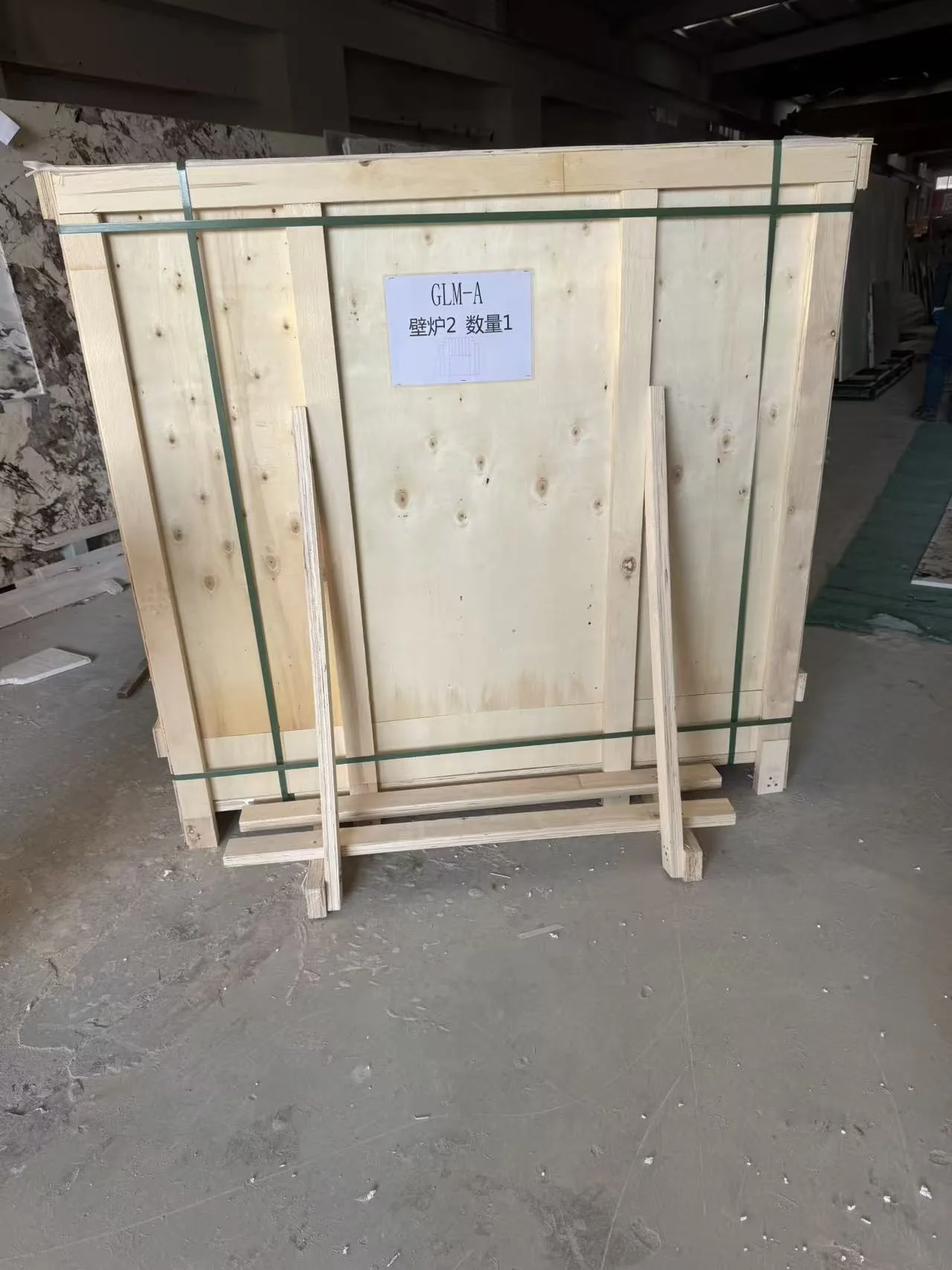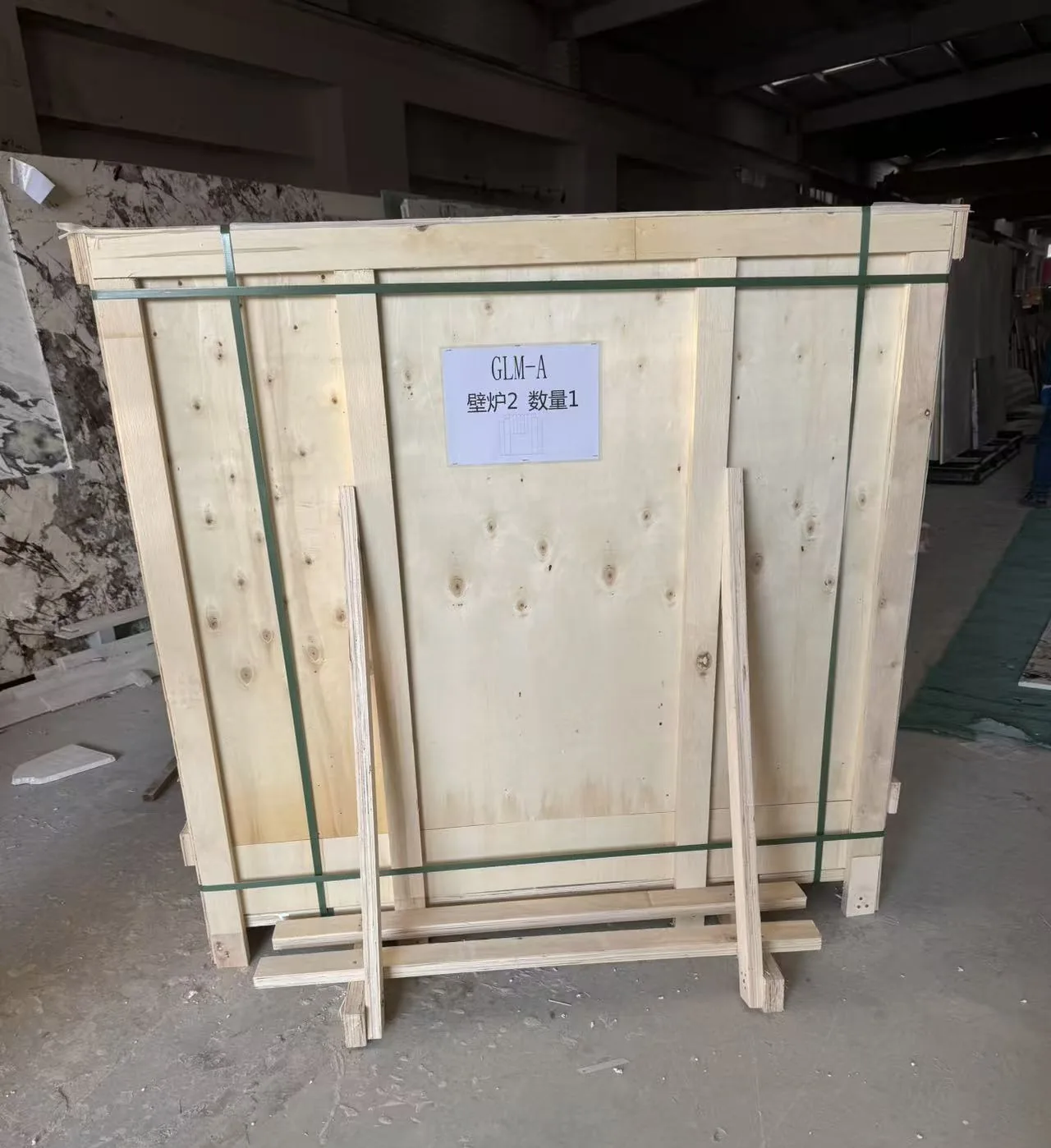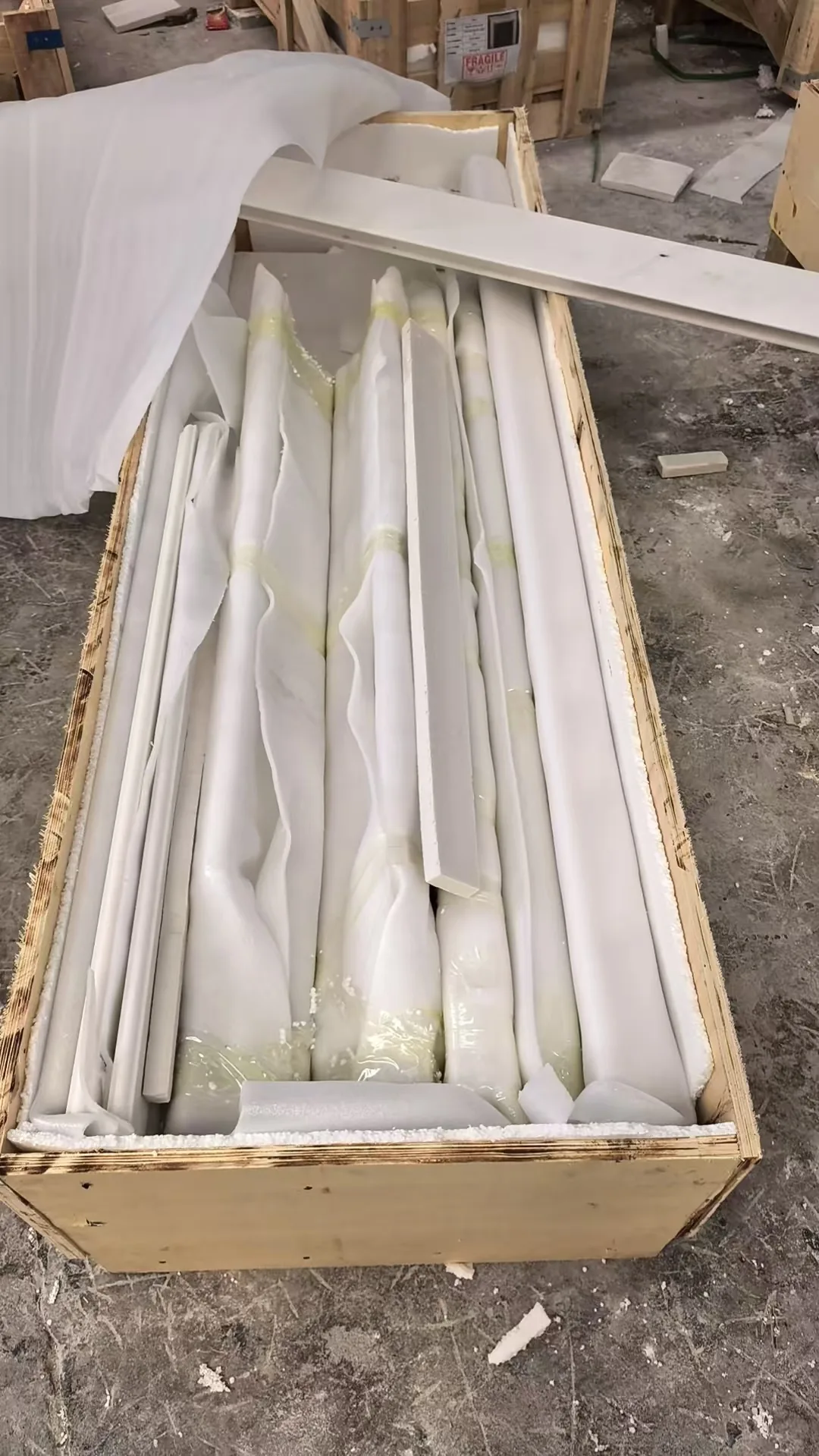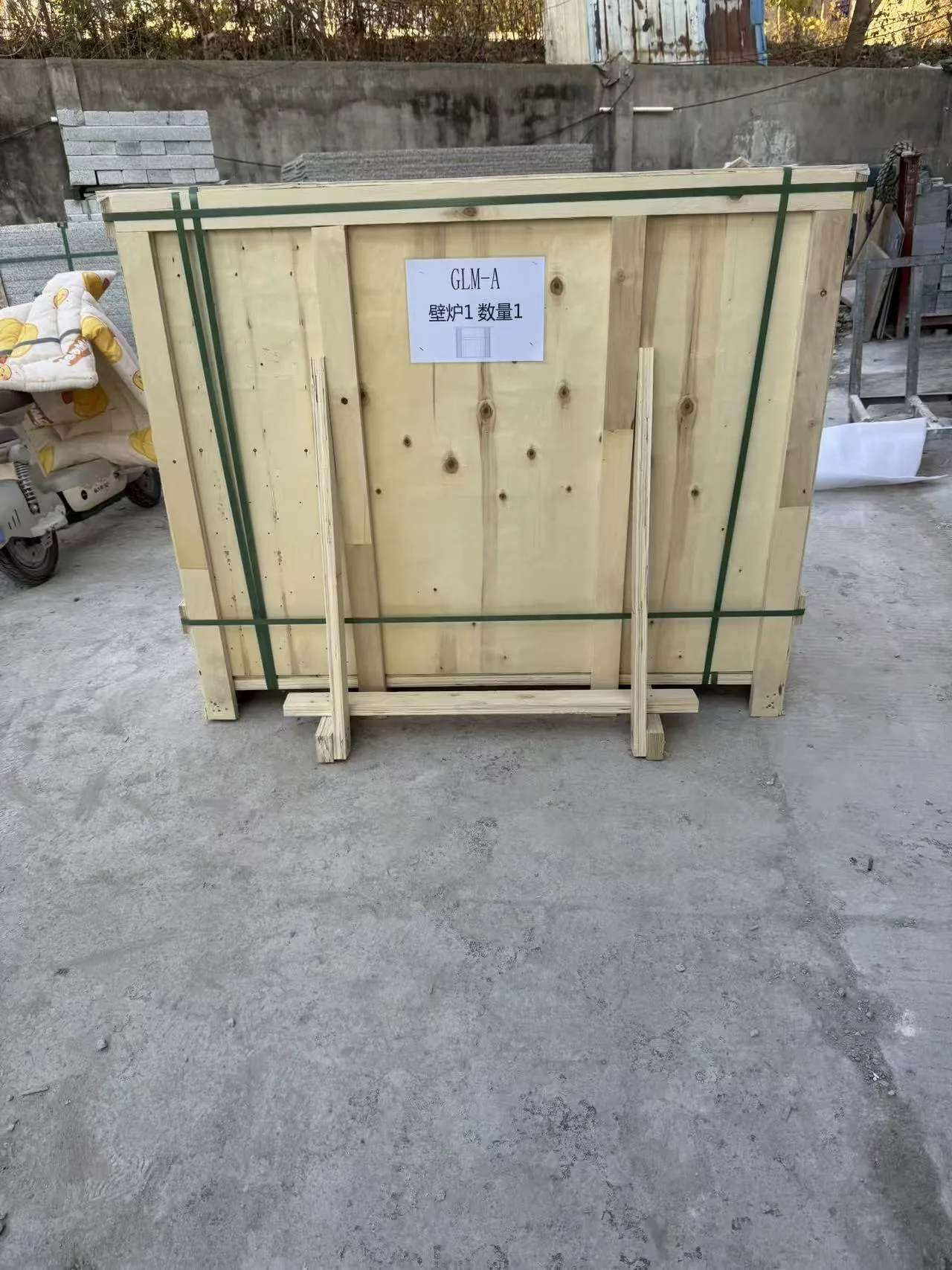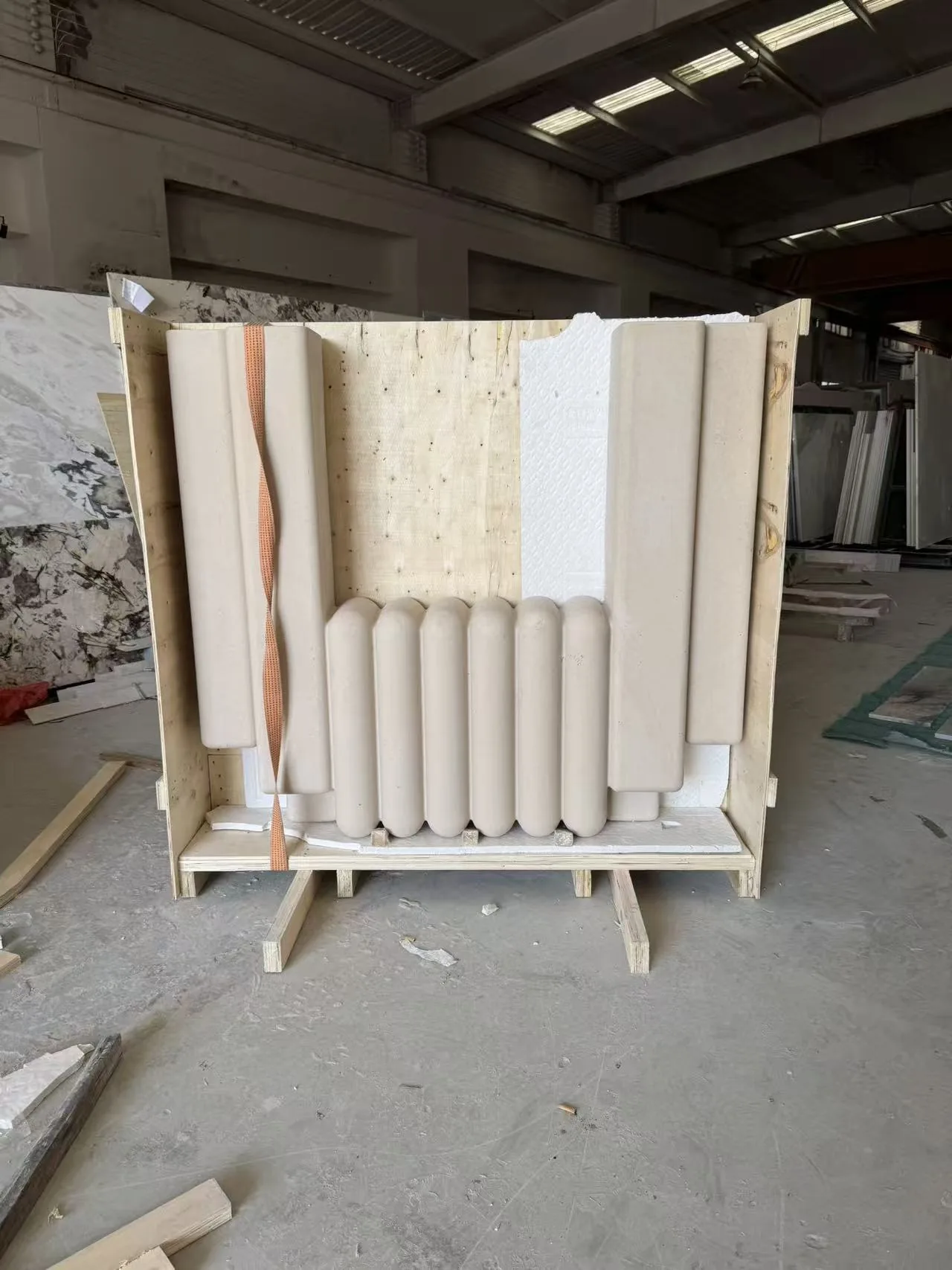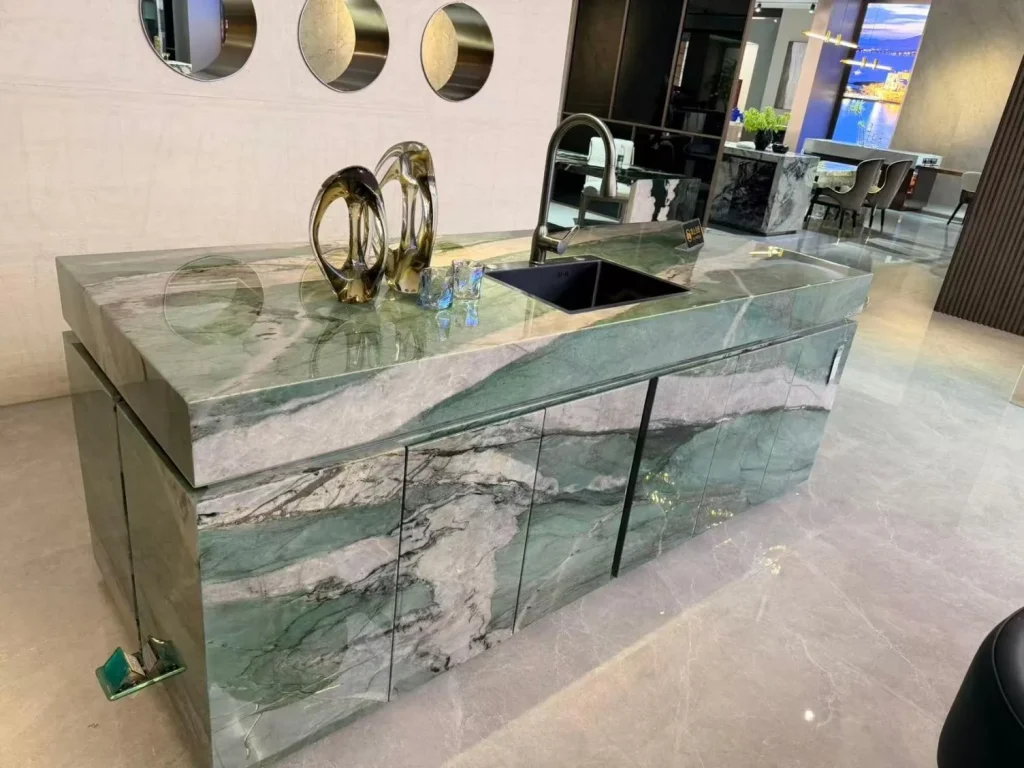
Ship a stone table as protected components: crate the top and base separately, brace the stone face, document packed dimensions and gross weight, and photograph the closed crate. For a 20 mm top, even a 1,200 × 600 mm slab can weigh roughly 39 kg, so handling needs a defined lift method.
Which commercial details should a shipping quotation state?
A useful quotation identifies who supplies the crate, what the packed weight includes, which address is covered, and how damage is reported.
| Term to fix | Detail that should be written | Why it prevents a dispute |
|---|---|---|
| Delivery scope | Port, door, floor and unloading responsibility | “Delivered” can otherwise exclude the final lift |
| Packed dimensions | Length × width × height per crate | Volume and vehicle planning depend on the outside crate |
| Gross weight | Stone, base, packaging and pallet combined | Freight and lifting limits use the packed figure |
| Packaging specification | Crate type, cushioning, fasteners and moisture control | The receiver can inspect what was promised |
| Damage claim | Photos, label, unpacking notes and reporting window | A timely claim needs the crate and damage documented |
The packing drawing and customs description are project-specific. Ask the supplier for the packing drawing and the selected item’s packed dimensions and mass in the written offer. Have the shipper or customs broker confirm the classification for the actual furniture, materials and destination before the export documents are issued.
What is a controlled shipping sequence for a stone table?
The sequence starts with the drawing and packing method, then closes with an arrival inspection. Each stage releases the next with a photo or signed handover.
| Stage | Output to approve | Check before release |
|---|---|---|
| Drawing review | Product dimensions, component split and lifting points | Clearance, access route and maximum lift weight are known |
| Packing plan | Crate size, cushioning, bracing and seal method | Stone face, edges and base cannot move independently |
| Closed-crate check | Crate label, sealed photo, gross weight and dimensions | Labels and packing list agree |
| Arrival | Unpacking photos and condition report | Recipient follows the agreed damage-claim process |
This sequence creates checkpoints before responsibility moves to the next party. Use the custom furniture process for drawing approval.
What shapes require separate packing decisions?
Compact tables can travel as a top and base in one crate; large tops need a handling plan based on weight and access. The Cube Coffee Table is listed at 1,000 × 600 × 300 mm (39.4 × 23.6 × 11.8 in), but product dimensions are not packed dimensions.
| Furniture element | Packing issue to resolve | Information needed |
|---|---|---|
| Marble coffee-table top | Edge impact and face abrasion | Finished thickness, weight and lifting method |
| Dining-table top | Long span and centre-of-gravity control | Packed orientation and reinforcement |
| Stone plinth or pedestal | Concentrated mass on a narrow footprint | Base bearing area and tipping restraint |
The outside crate is not structural support. Block the base so hard edges do not press into stone during vibration. Compare coffee tables or console tables when the route is constrained.
How should a stone crate control impact, moisture and movement?
Protect the face with a clean barrier, cushion the edges, and block lateral and vertical movement. The stone should not sit on hard fasteners or an unpadded floor. Use a crate designed for the packed mass.
Wood packaging crossing borders may need heat treatment and an ISPM 15 mark under the International Plant Protection Convention. Verify the destination because exemptions differ. A mark does not prove the crate is strong enough.
Freight may use volume or dimensional weight. At a 1:6000 divisor, a 1,200 × 700 × 350 mm crate occupies 0.294 m³ and carries a volumetric weight of about 49 kg (108 lb). Compare that with gross weight.
What should we keep for a project shipment?
Shipment paperwork should link the drawing, slab, packing method and receiver. Public project claims need permission.
| Document | Owner | Why keep it |
|---|---|---|
| Approved drawing and finish | Buyer and supplier | Defines the product being packed |
| Closed-crate photographs | Shipper | Shows protection before loading |
| Gross weight and outside dimensions | Shipper | Supports freight, lift and access planning |
| Arrival condition report | Receiver | Provides a dated reference for follow-up |
| Project permission | Buyer or owner | Prevents unlicensed use of names or images |
Frequently Asked Questions
What should a shipping inquiry include?
Send a dimensioned drawing, destination, access constraints and expected quantity first.
| Inquiry field | Example of a complete answer |
|---|---|
| Product and quantity | Table type, stone, finish and number of units |
| Drawing and destination | Component split, thickness, city, port or final address |
| Access | Lift size, door width, stairs and unloading equipment |
| Responsibility | Who approves the slab, crate, freight and installation |
Project inquiry
Request a stone furniture quote
Send dimensions, material direction and quantity for a comparable reply.
Useful details include product type, finished dimensions, quantity and destination.
Review hotel receiving for phased delivery and trade terms for repeat orders. Tabletop thickness connects weight and lifting before crate design.
Amazstone Editorial Team · Updated 28 October 2026
- IPPC requirements for international wood packaging
- USGS density references for stone-weight planning
- Natural Stone Institute care guidance for installed tables
Photo references
Explore the stone details
Open any image, add your project details, and continue to the inquiry form.